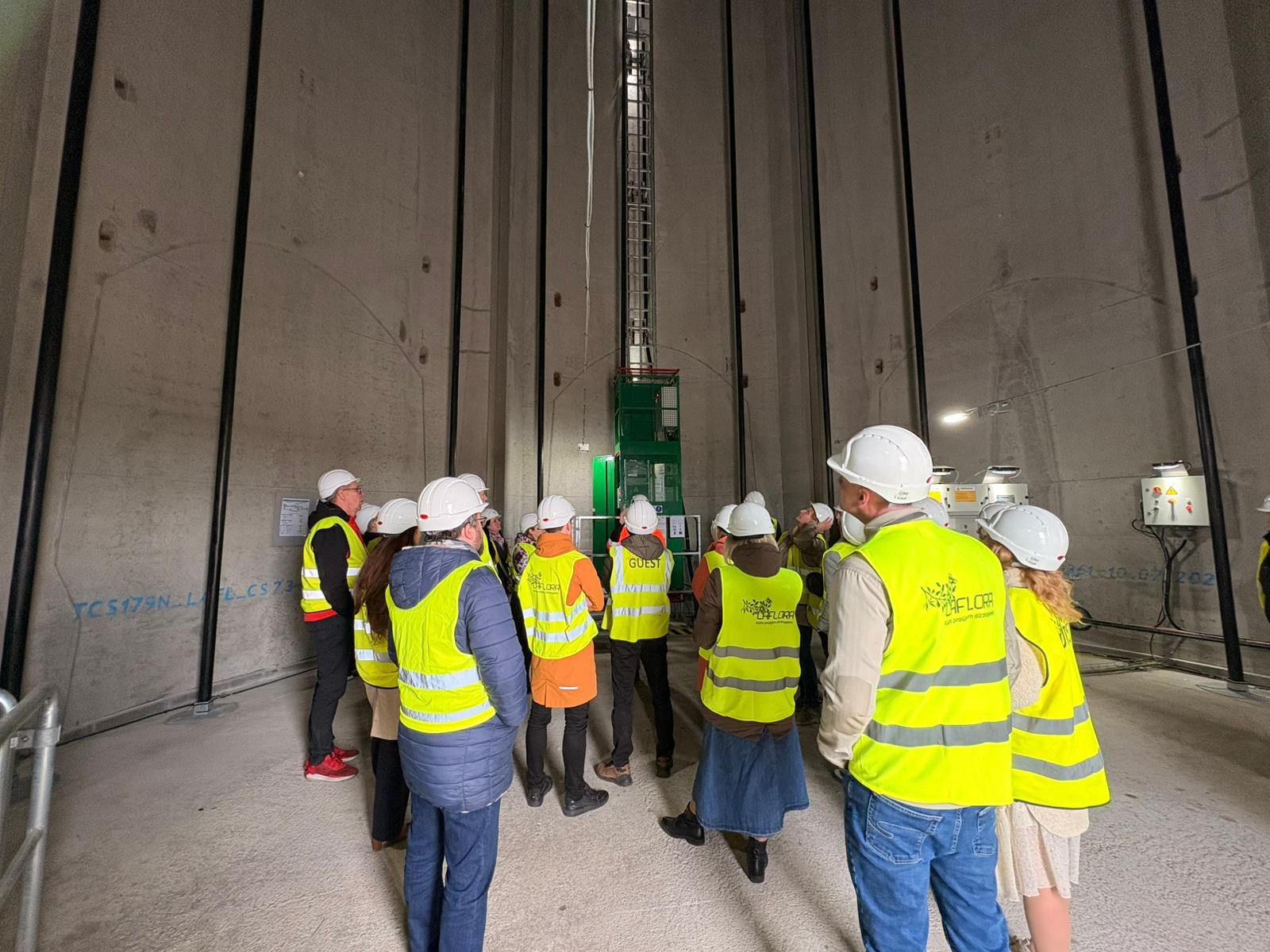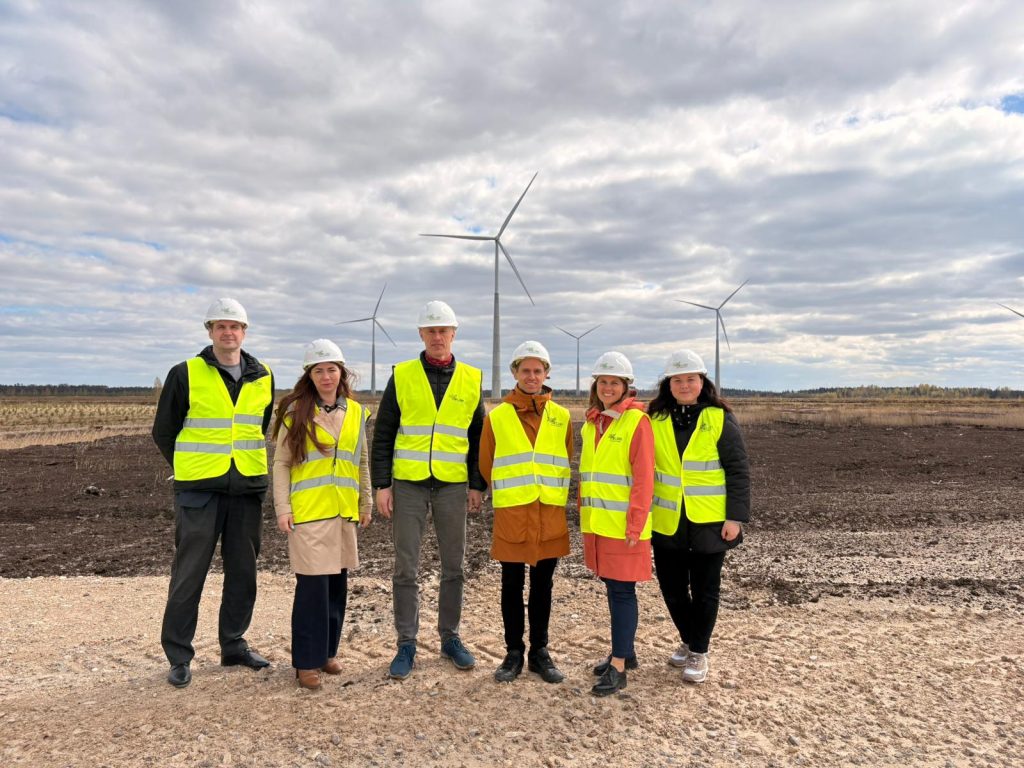
Peatlands are traditionally associated with extraction, restoration and long-term natural processes. However, in the context of ongoing changes in the energy sector, these areas are increasingly being considered as potential sites for renewable energy production. The Kaigu peat bog in Jelgava municipality is one of the most illustrative examples in Latvia where the future of peat extraction areas is being viewed as part of sustainable territorial development.
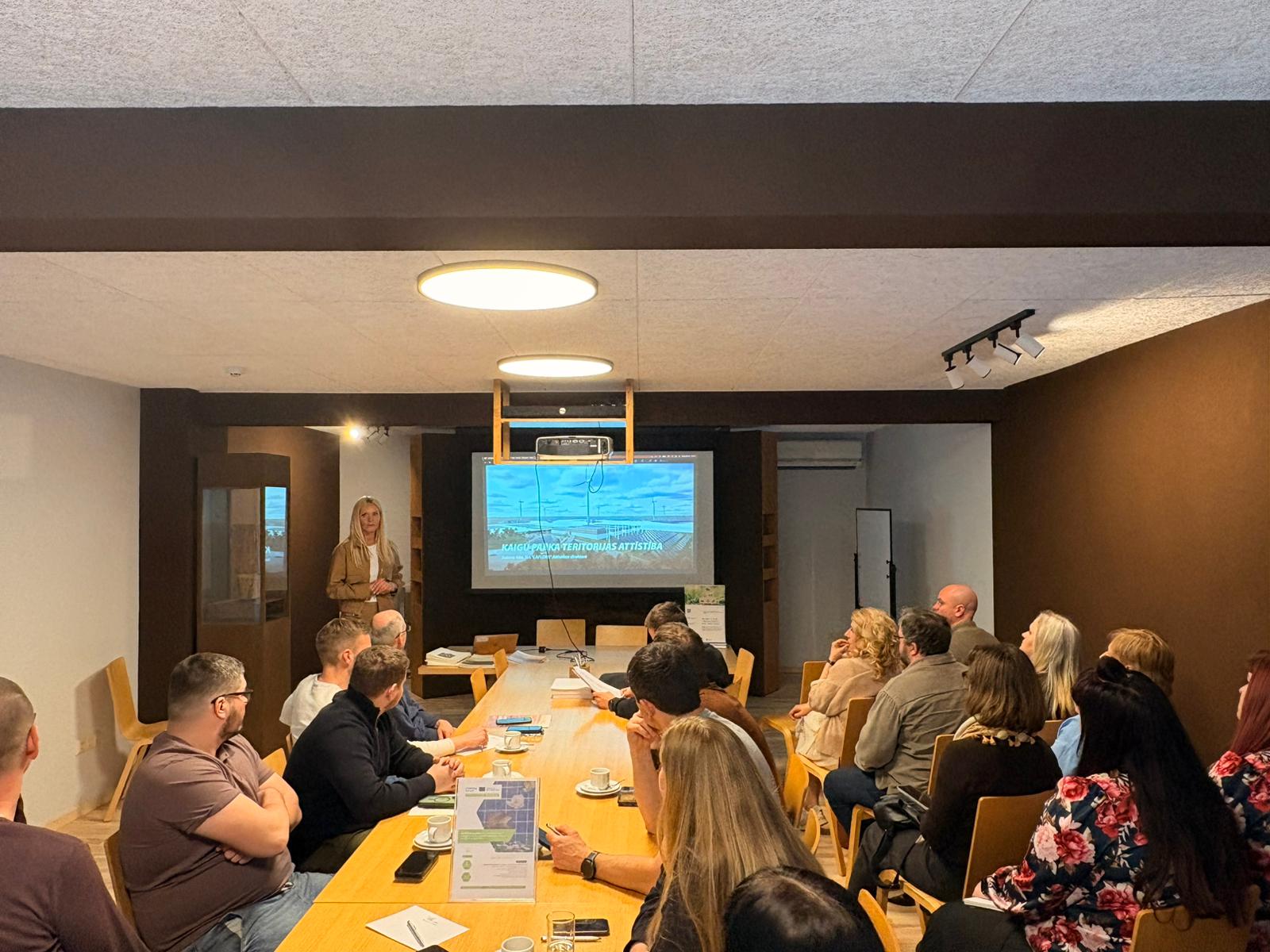
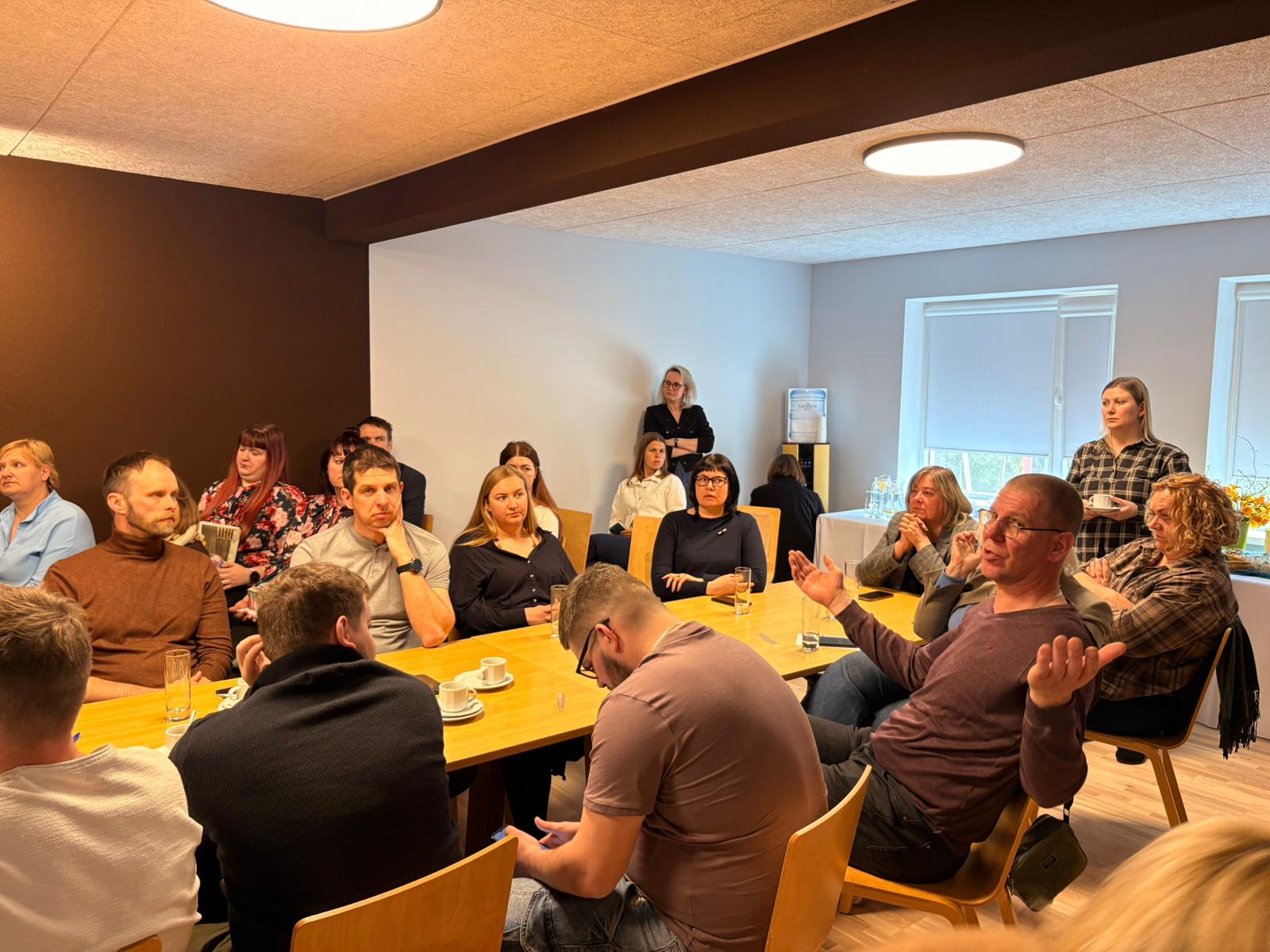
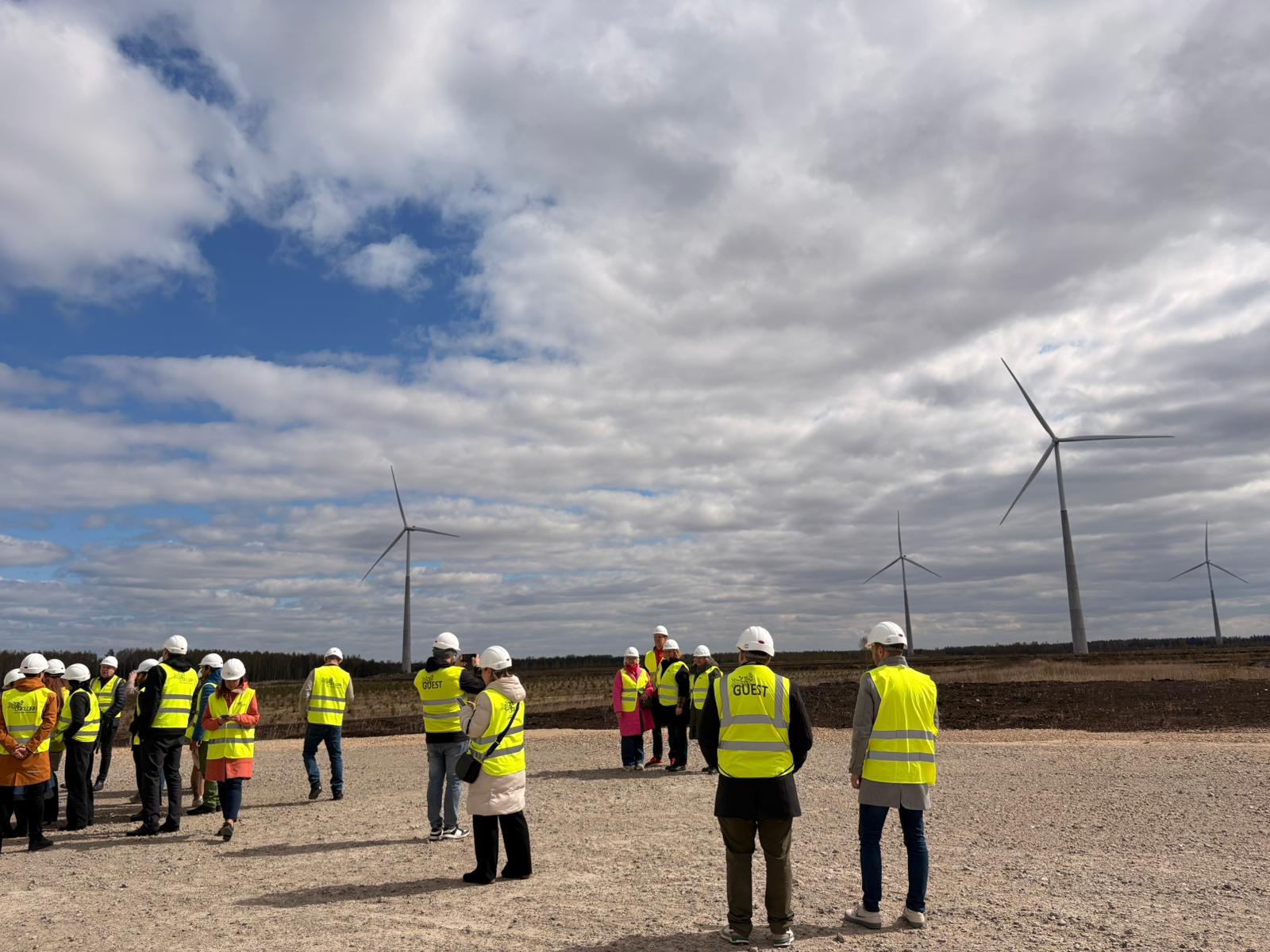
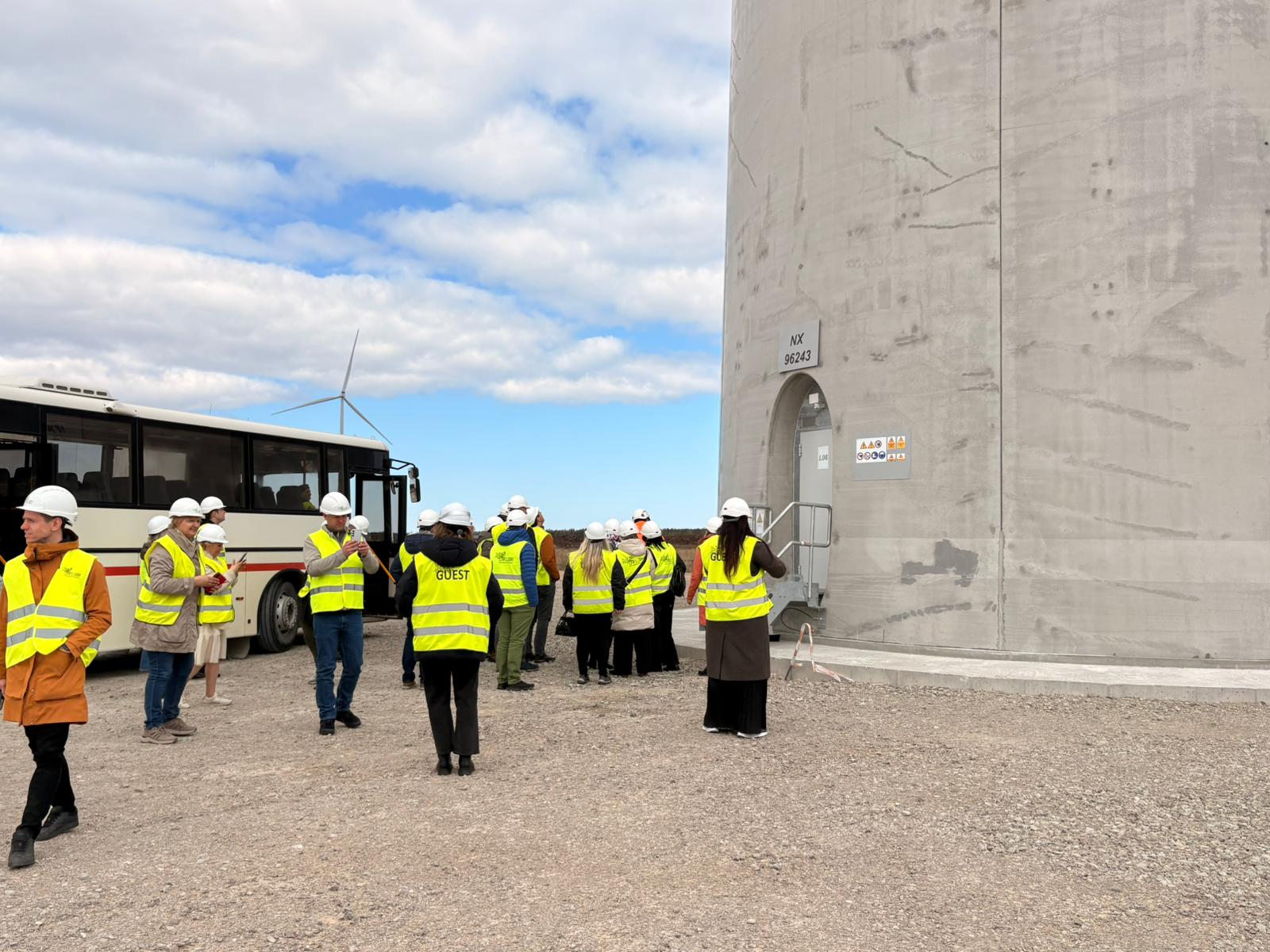
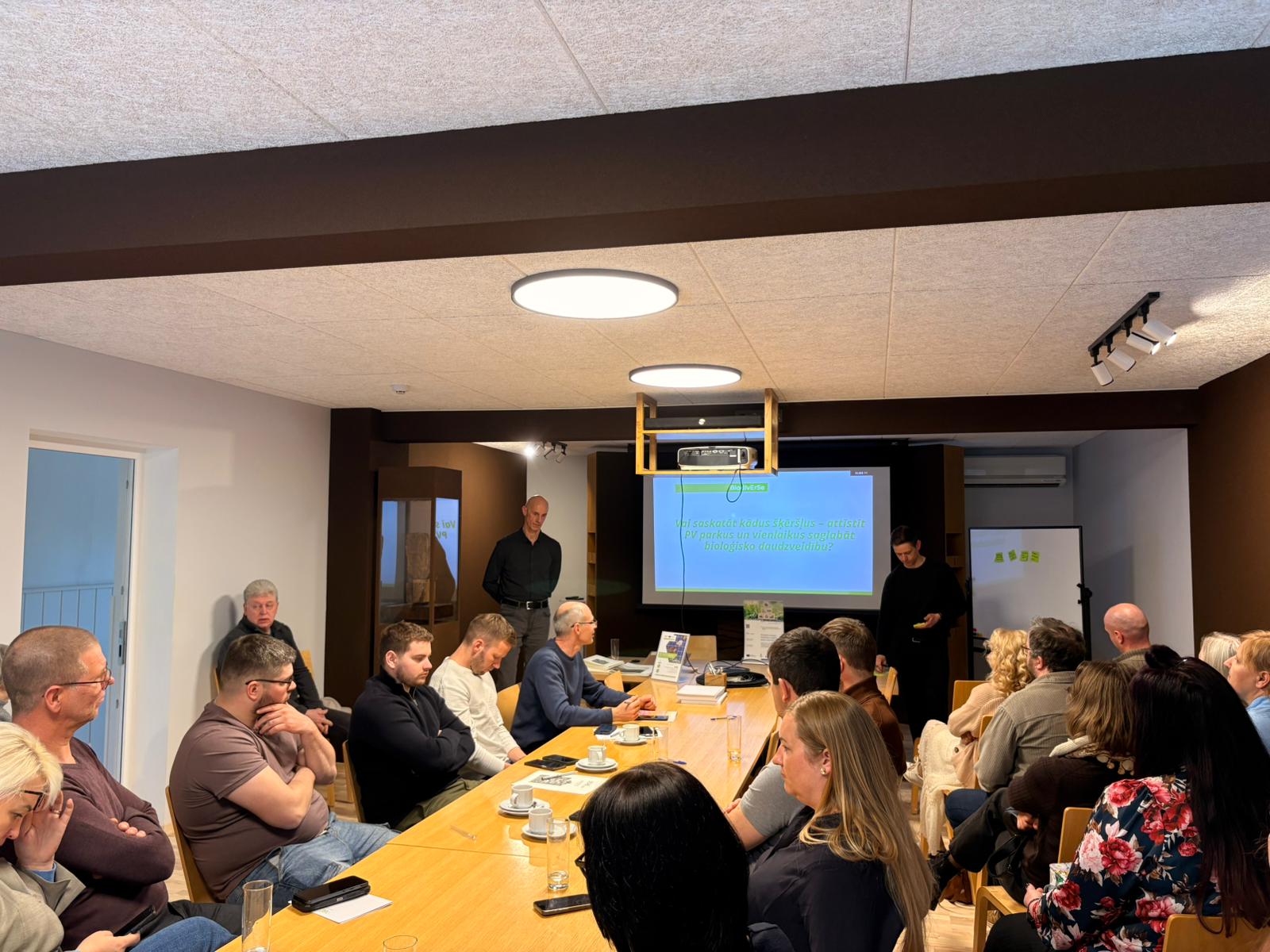
On 29 April, a study visit titled “Spatial solutions for wind and solar parks in Latvia” was organised by the Kurzeme Planning Region in the Kaigu peat bog. Within this event, the Vidzeme Planning Region hosted a stakeholder meeting of the Interreg Europe project BiodIvErSe titled “Challenges and solutions in solar park development”. The discussions focused on how solar parks can be developed in Latvia while minimising impacts on nature and landscape. The event brought together municipal specialists from the Kurzeme Planning Region, energy managers, and representatives from the Nature Conservation Agency and JSC “Latvenergo”.
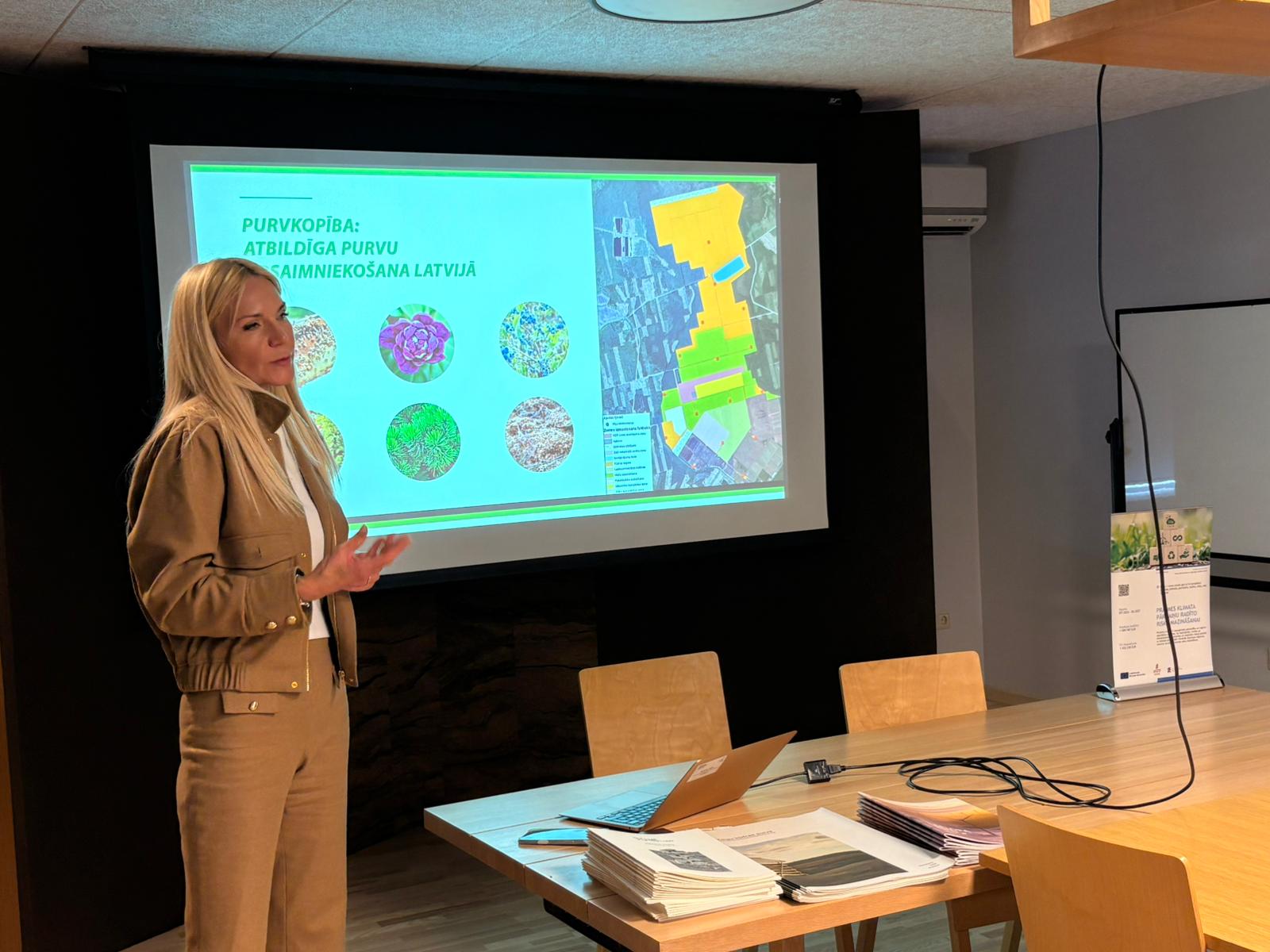
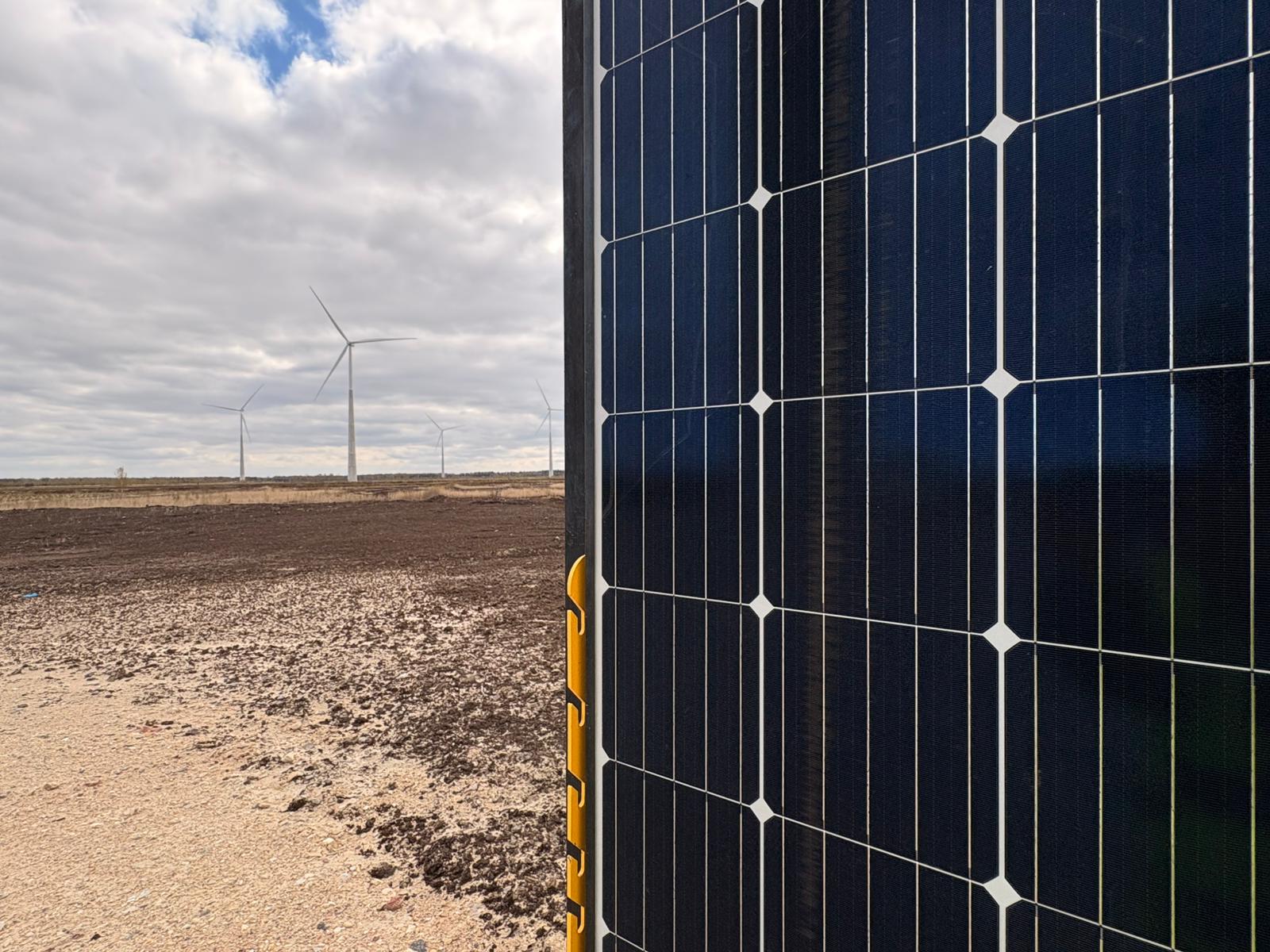
The event location – the territory of Laflora Ltd. in the Kaigu peat bog – provided a highly practical setting to explore these questions. It demonstrated how peat extraction areas can be planned with a long-term perspective, taking into account their future use after extraction. Laflora ensures a full peat extraction and processing cycle, from site preparation and extraction to the production of high value-added products, as well as further land development.
The company has set a goal to achieve scientifically based climate neutrality by 2050 by reducing and compensating emissions generated during peat extraction and processing. This approach includes sustainable peat extraction and processing, research into innovative peat products, and the implementation of restoration programmes in areas where extraction has been completed. In the long term, a broader vision has also been defined — to develop the area into a multifunctional sustainable territory where, alongside wind and solar energy, solutions such as renewable hydrogen production, greenhouse complexes, energy-intensive industries and recreational areas could be integrated.
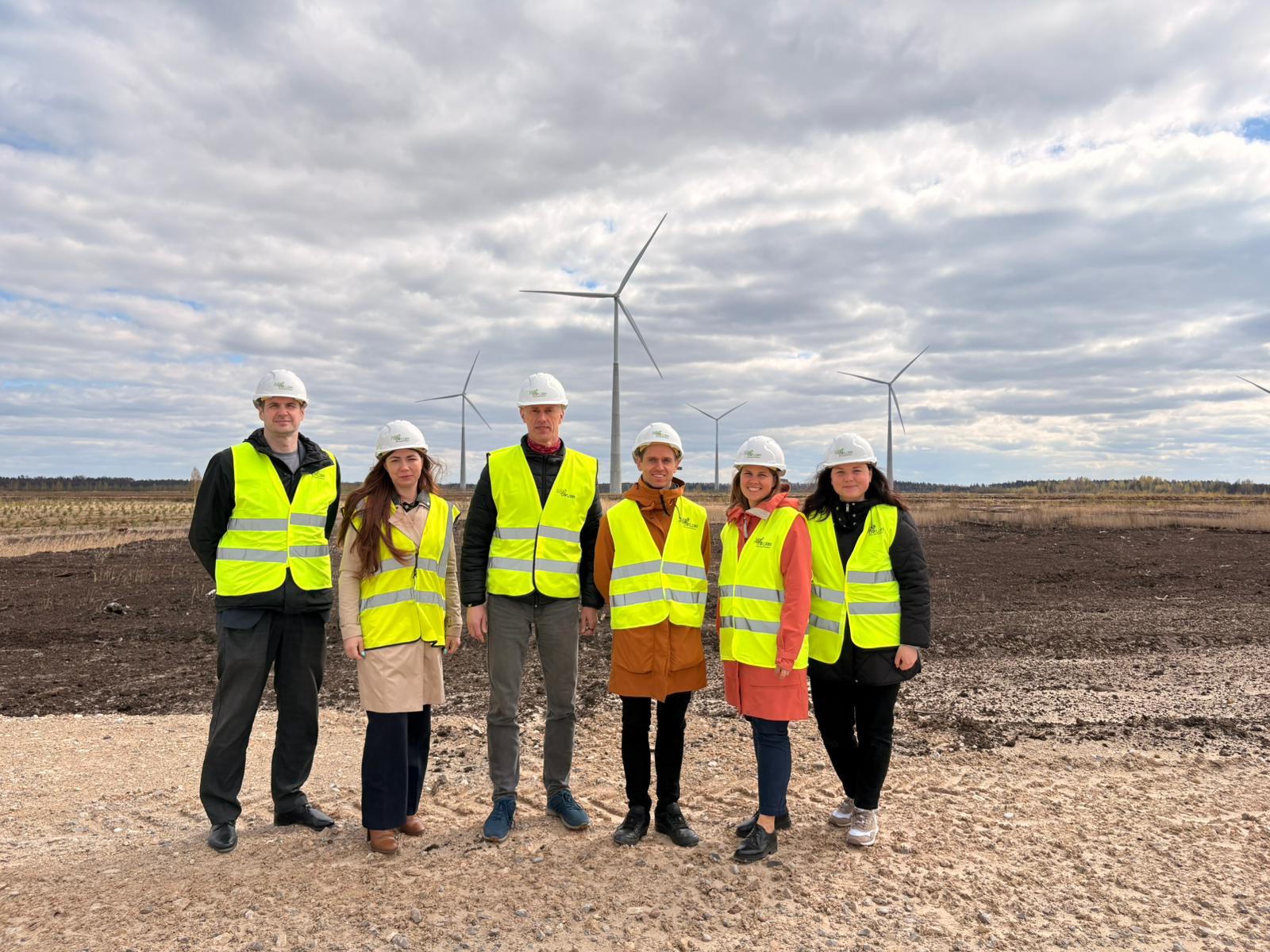
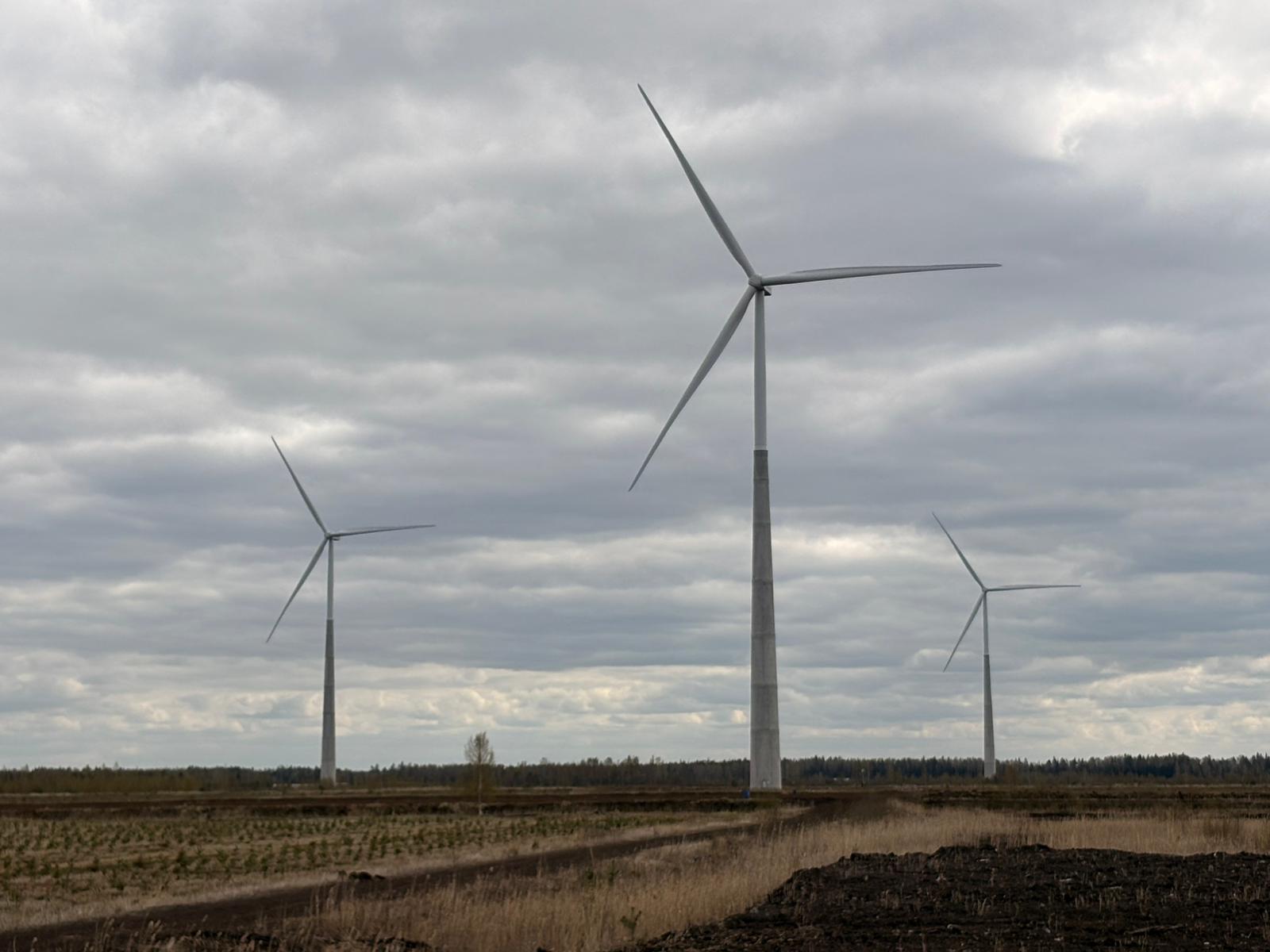
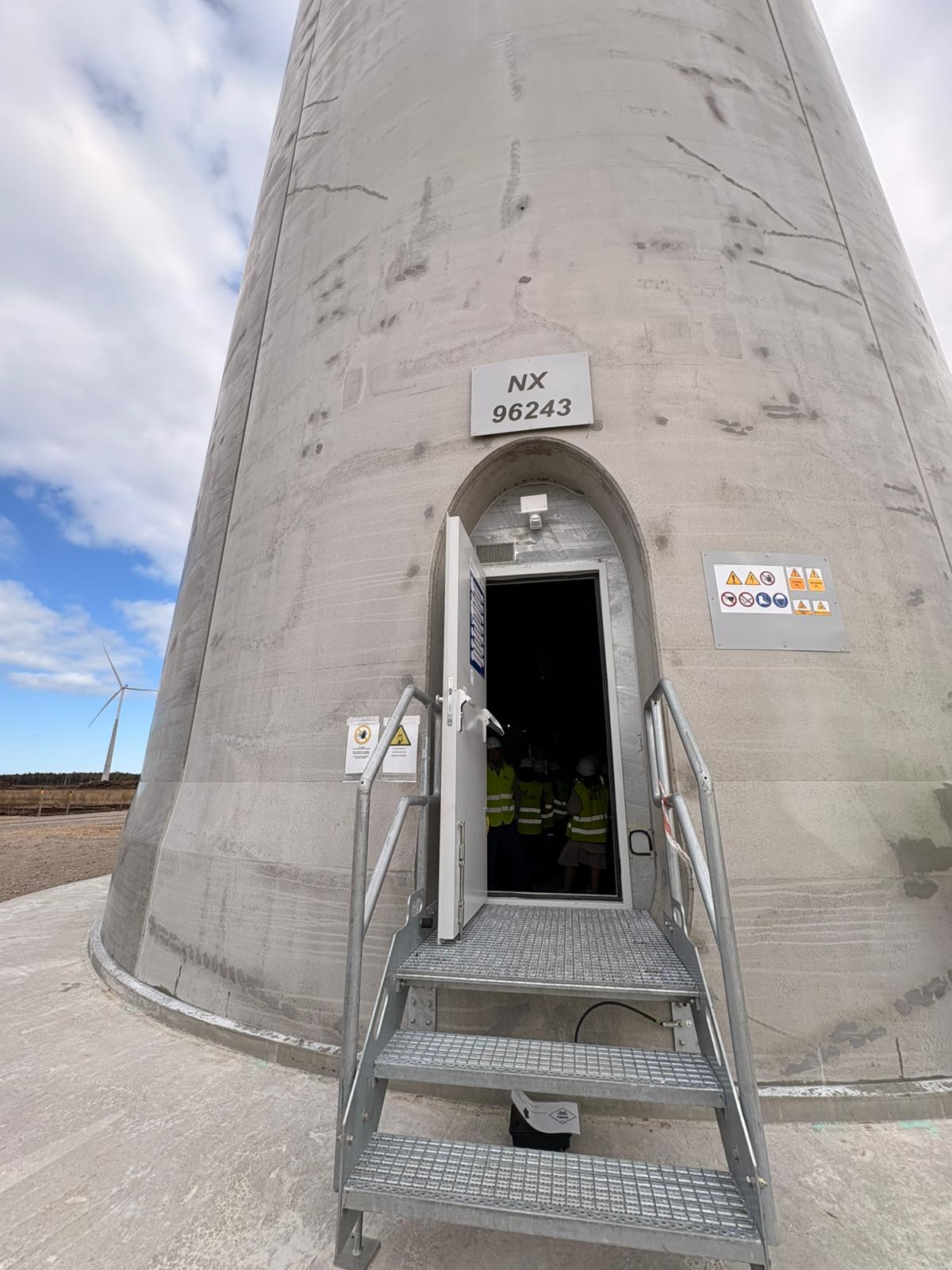
At the same time, a major renewable energy project is being implemented in the Kaigu peat bog – the development of the “Laflora Energy” wind park in former peat extraction areas. The park includes 16 wind turbines with a total capacity of 108.8 MW, making it the largest wind park in Latvia. Increasing attention is also being given to the next stages of development and sustainable use of the area, supporting the company’s transition towards climate neutrality.
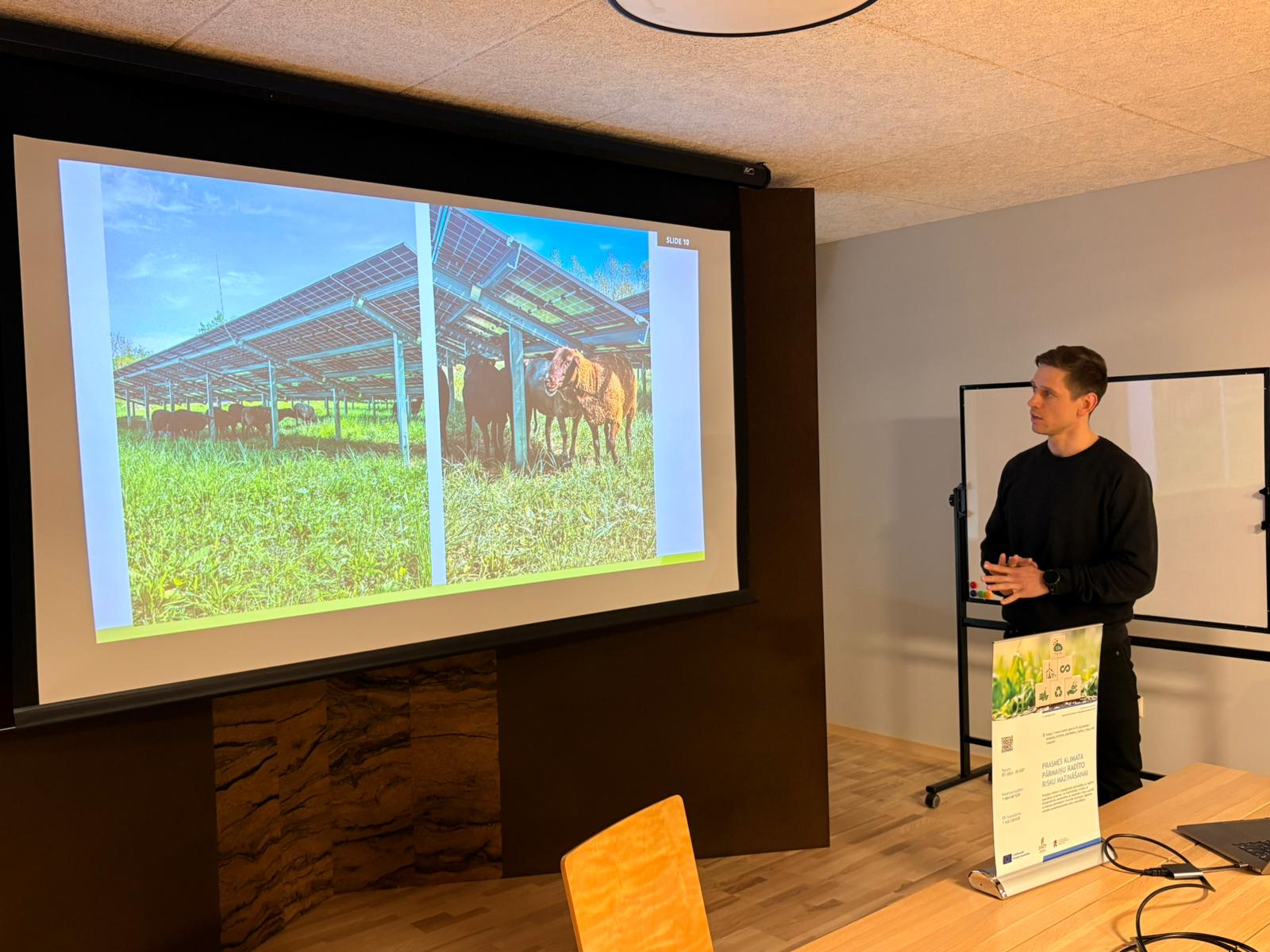
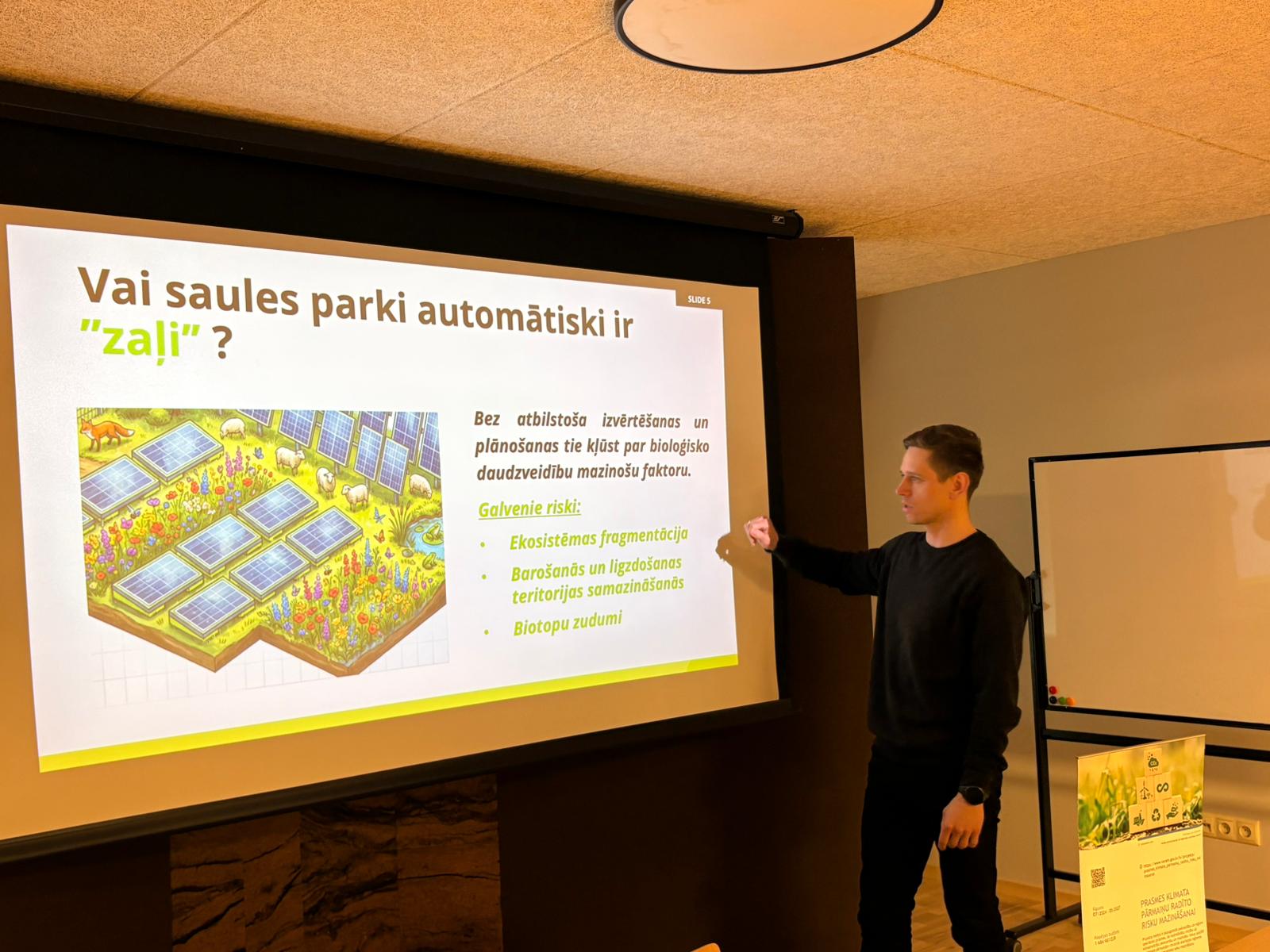
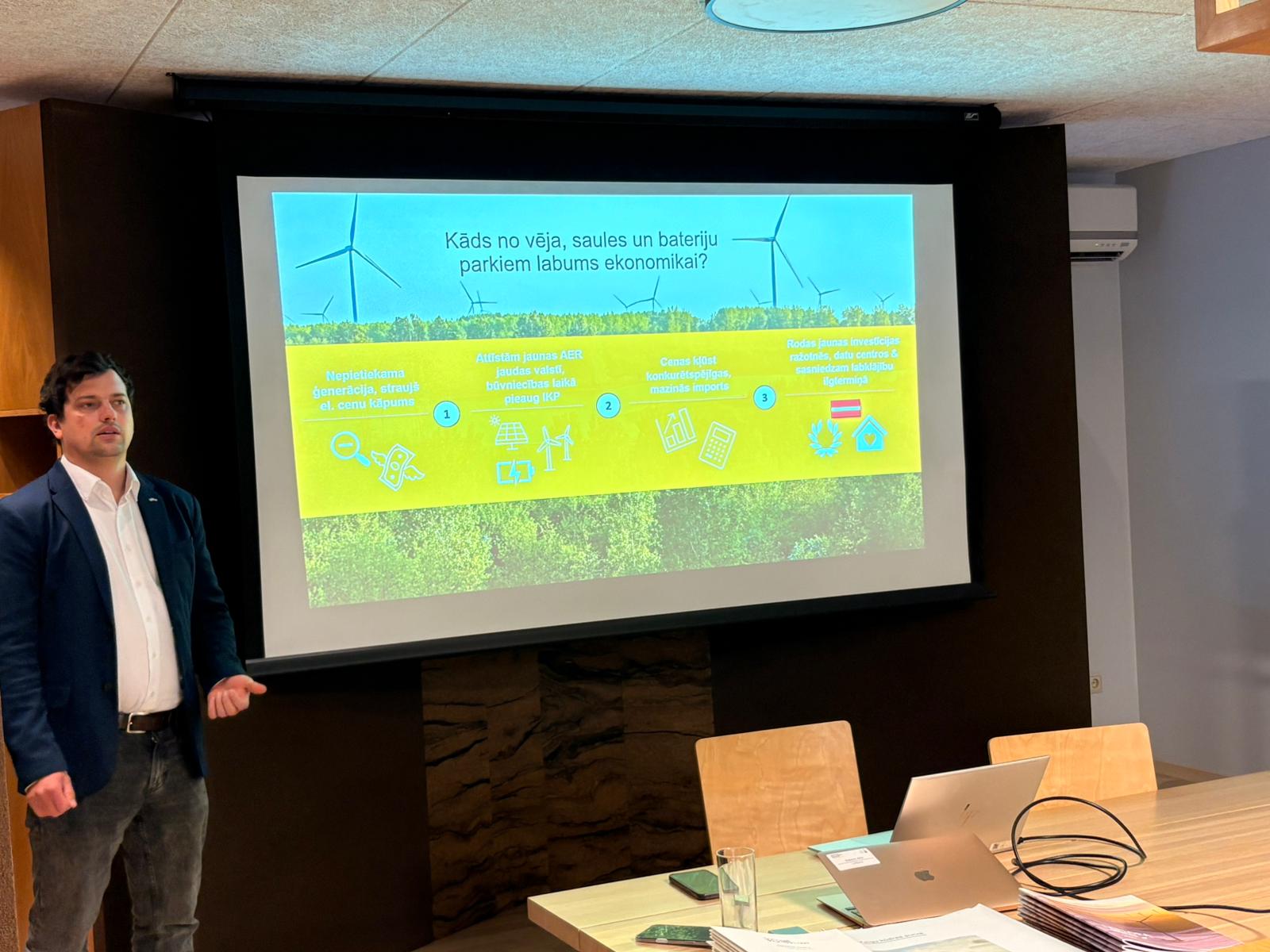
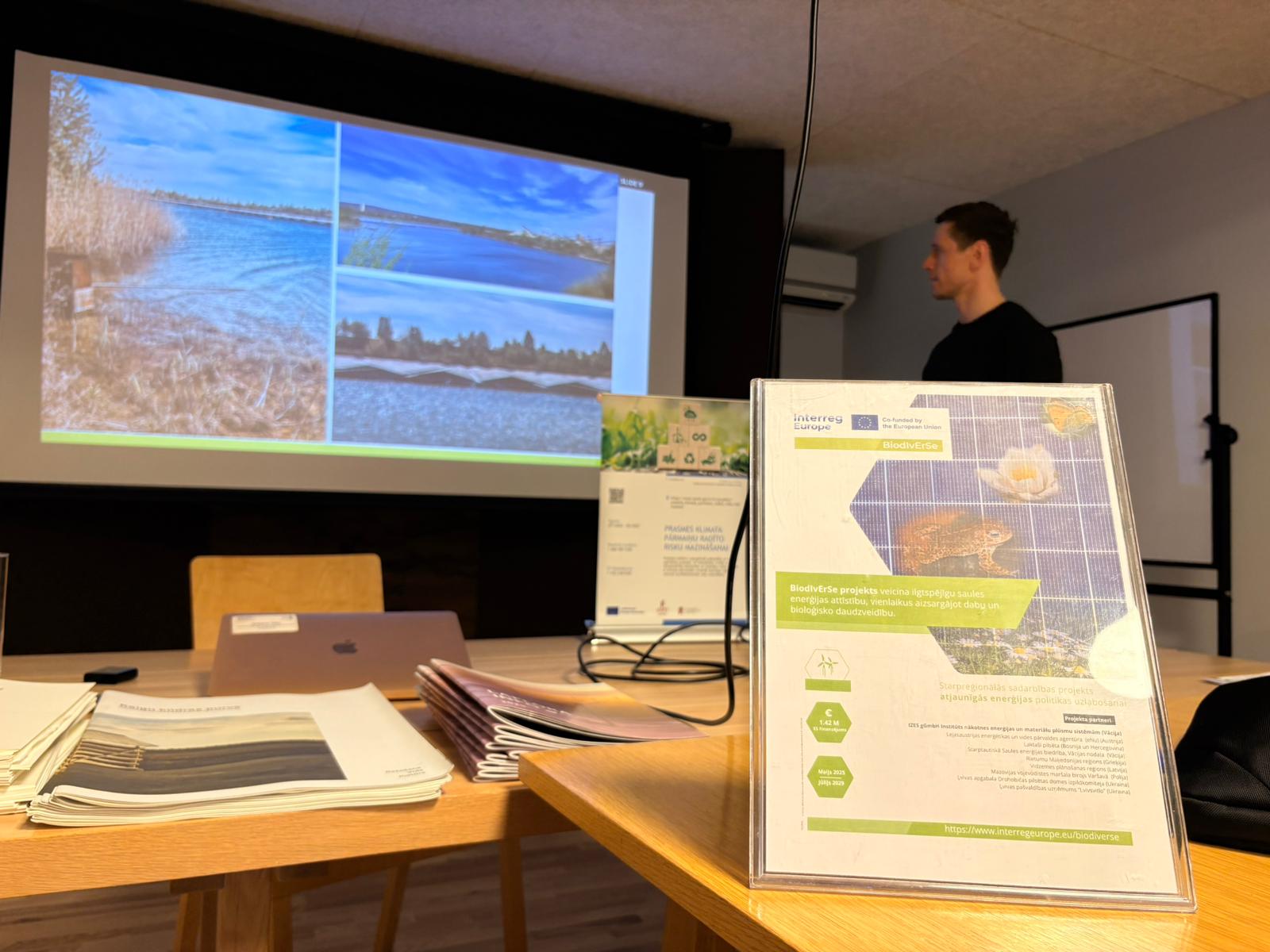
Within the BiodIvErSe project, particular attention was given to how solar energy solutions can be integrated into the environment without placing excessive pressure on ecosystems. In the presentation by representatives of the Vidzeme Planning Region, Edgars Augustiņš and Rolands Auziņš, it was emphasised that the environmental impact of solar panels is closely linked to their placement, planning and site management.
“The impact of solar panels on the environment is determined not by the technology itself, but by how it is placed and managed – the height of the panels, spacing between rows, water drainage solutions, and whether space is left for natural processes within the site,” it was highlighted during the presentation.
This approach is particularly evident in seemingly everyday decisions. For example, fencing around solar park territories is often introduced to ensure infrastructure security and reduce the risk of vandalism. However, fully enclosed areas can restrict animal movement and fragment habitats. Such examples underline the importance of considering fence design, wildlife permeability, access and land management between panel rows already at the planning stage.
These aspects show that the impact of solar panels on biodiversity is not determined by the renewable energy solution itself, but by the way it is integrated into the landscape and land use. This perspective allows renewable energy in peat extraction areas to be seen not only as electricity generation but as part of a broader energy system, where solar and wind energy, energy storage solutions and future technologies can coexist in synergy with spatial planning and environmental protection.
The event in the Kaigu peat bog confirmed that the development of renewable energy in Latvia is not only a technological issue, but also a long-term territorial choice, where planning, site selection and cooperation between developers, municipalities and environmental institutions play a decisive role.
The study visit “Spatial solutions for wind and solar parks in Latvia” was organised by the Kurzeme Planning Region within the project “Capacity building of specialists of municipalities and planning regions in climate-neutral economy and socio-economic aspects related to climate change mitigation”.