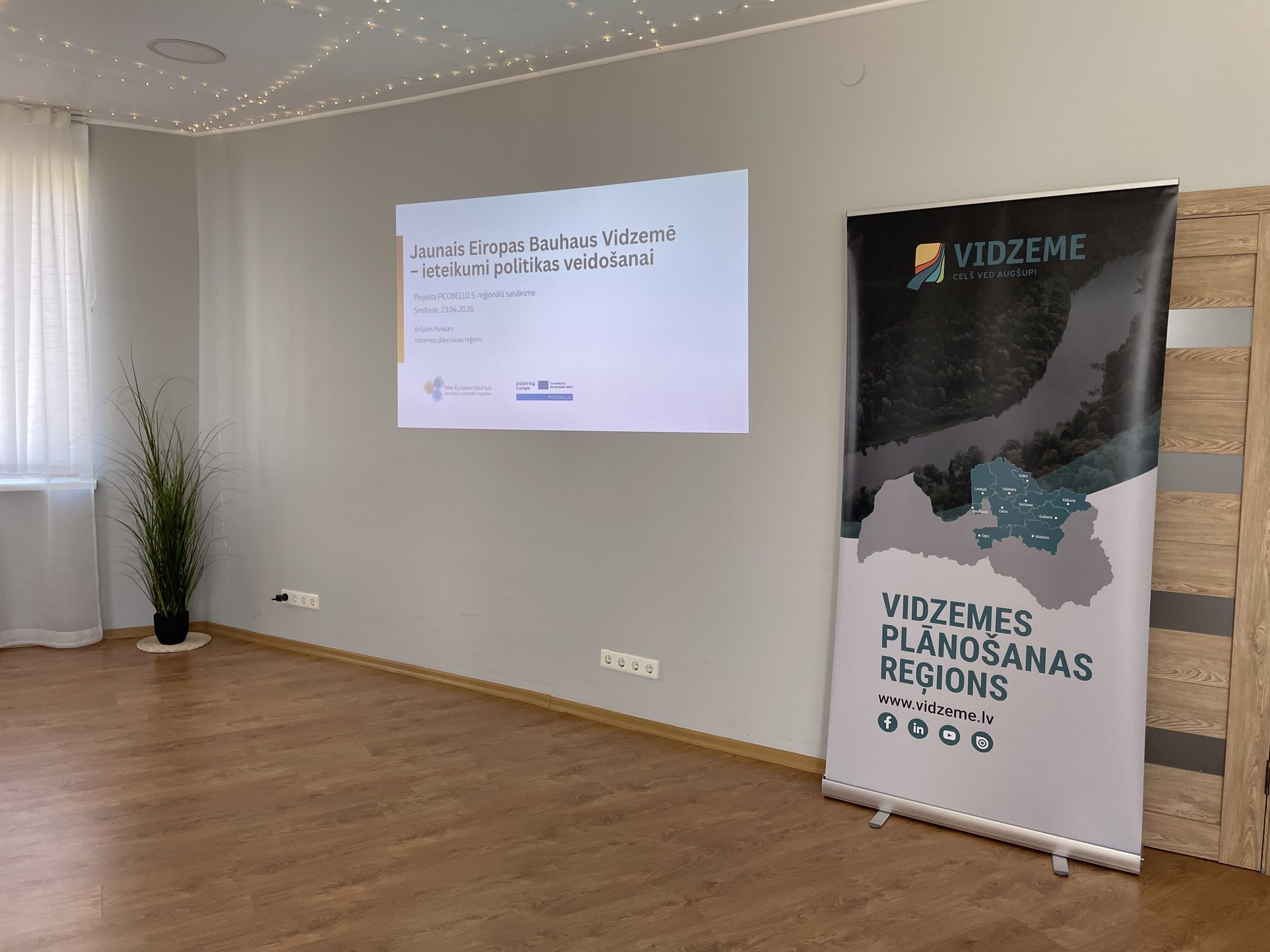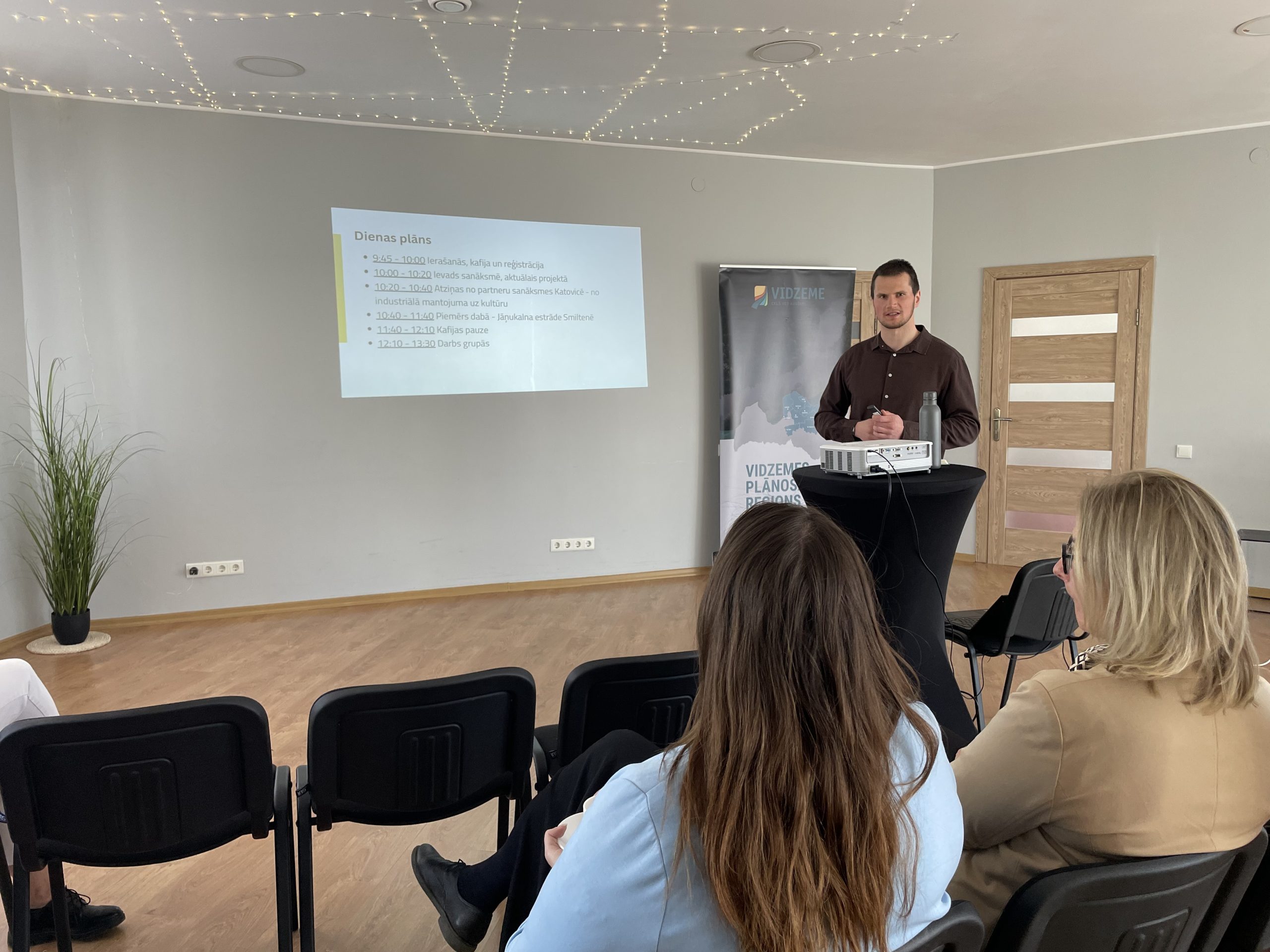
On 23 April, the fifth regional stakeholder meeting of the Interreg Europe project “PIloting COllaborative ways to BEtter Living LOcally ” (PICOBELLO) took place in Smiltene. The event focused on the theme “The New European Bauhaus in Vidzeme – Recommendations for Developing Relevant Policies.”
The meeting was opened by PICOBELLO project expert Krišjānis Pundurs, who provided an overview of the project’s progress and achievements to date. He also reflected on the previous regional stakeholder meeting in Gulbene and the lessons learned during study visits to Amsterdam and Katowice. Particular emphasis was placed on the placemaking approach, which puts people, their needs, and inclusive, accessible environments at the centre of development, while also highlighting the importance of connections—not only physical, but social as well.
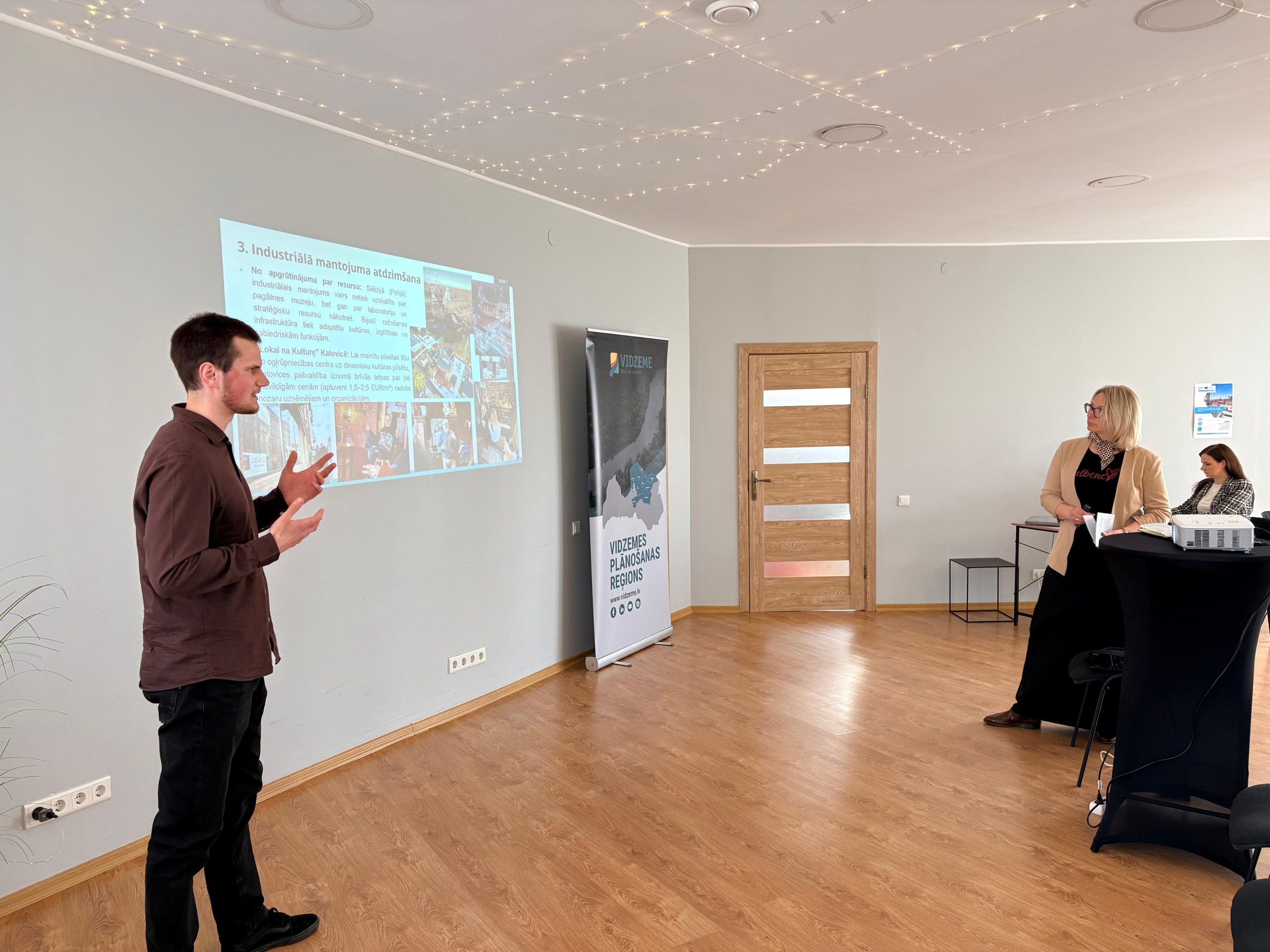
Further insights from the partner meeting in Katowice, Poland, were presented by Laima Šmite-Ūdre, Landscape Architect at the Municipality of Gulbene. She highlighted several ways in which the principles of the New European Bauhaus (NEB) are being implemented in practice across Europe and discussed the lessons that municipalities in the Vidzeme Planning Region can draw from these examples.
In her presentation, she emphasised sustainable development approaches that make use of academic potential by linking student innovations with real societal needs. She also shared examples from Spain and Poland, where former industrial areas have been revitalised and adapted for new purposes. Community engagement and placemaking were identified as essential elements in creating high-quality living environments, illustrated by examples such as the “food forest” initiative in Greece and the experience of Smiltene, where residents actively contribute to shaping urban spaces. Additional attention was given to the transformation of industrial heritage from a perceived burden into a valuable resource through its conversion into cultural and public spaces, as well as to various initiatives supporting education, health, and well-being. L. Šmite-Ūdre stressed that creating a safe, collaborative, and attractive environment for local residents naturally enhances the appeal and resilience of the wider region.
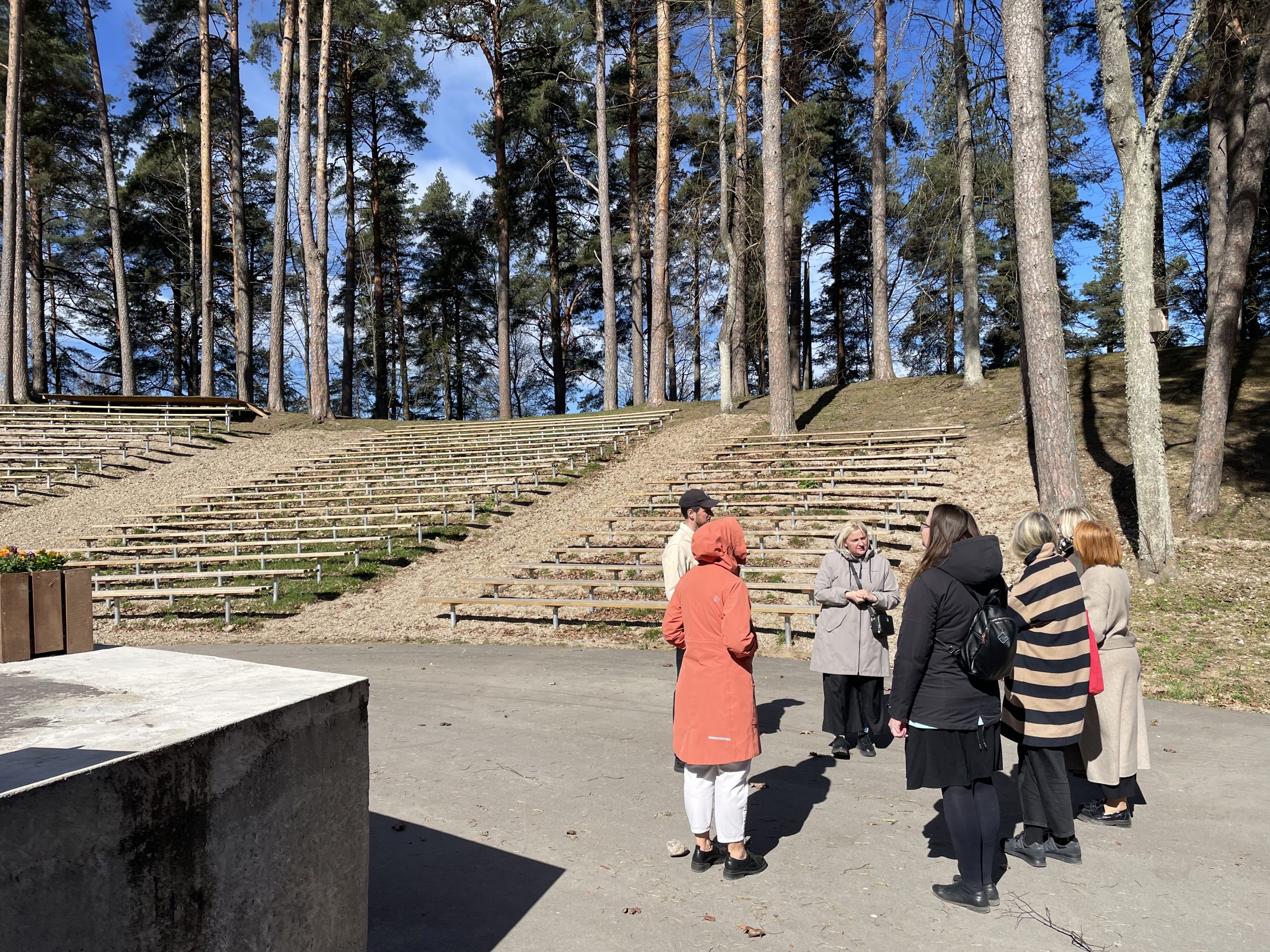
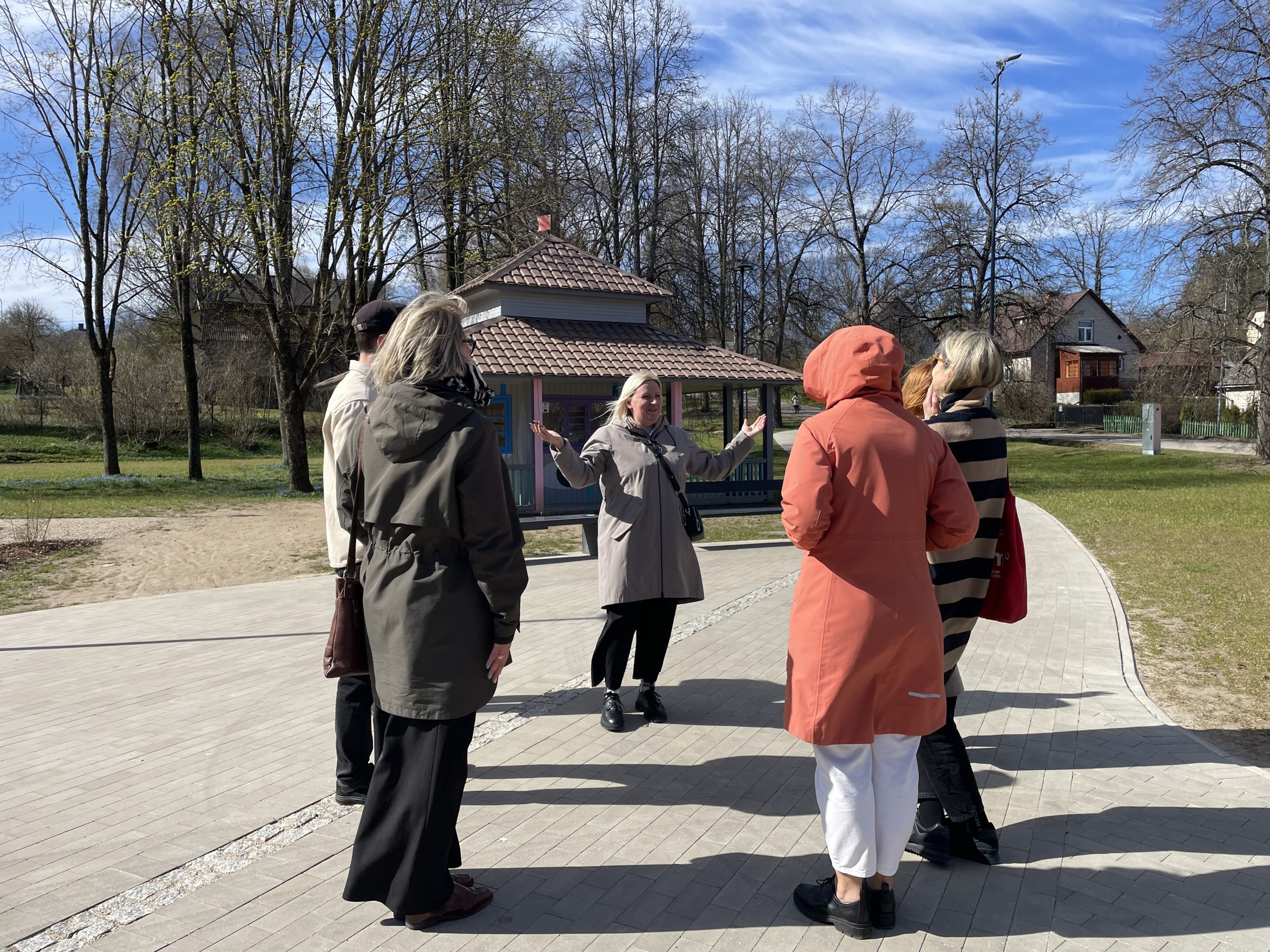
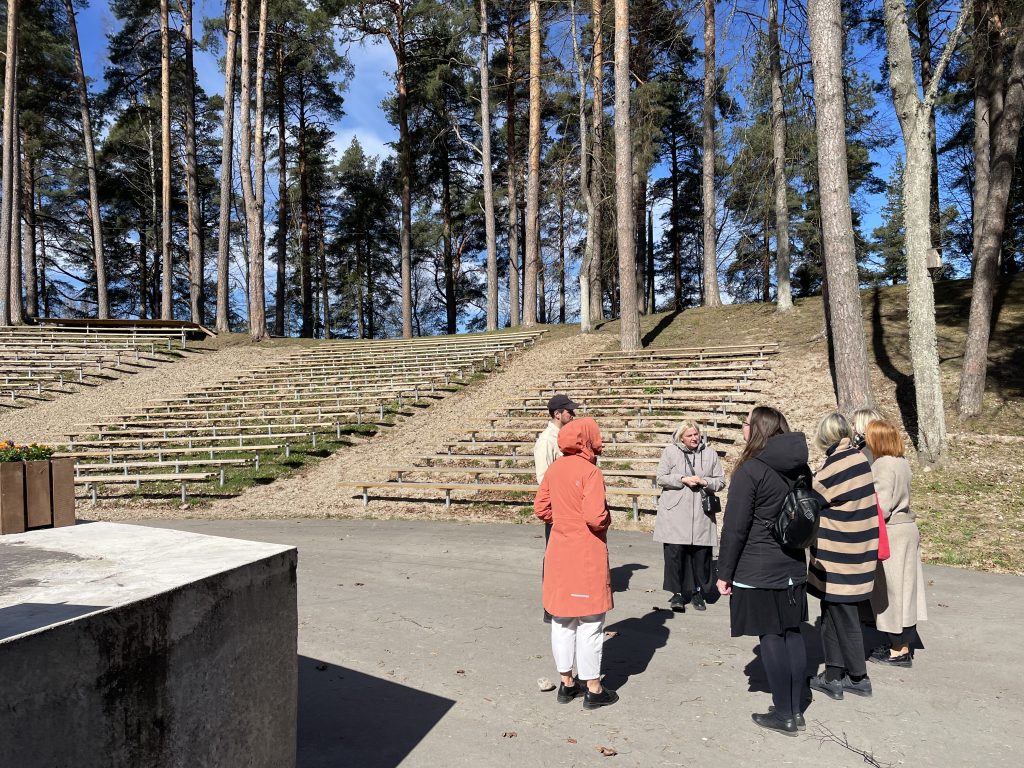
To demonstrate how places with strong historical and cultural significance can be successfully adapted to contemporary urban life, participants visited the Jāņukalns Open-Air Stage in Smiltene, a notable example of community participation. The restoration of the venue was made possible through the joint efforts of residents, local businesses, and the municipality, who contributed through volunteer work, practical involvement, and financial donations. As a result, the site has evolved into a modern cultural and social gathering space.
Inese Priedīte, Director of the Smiltene Cultural Centre, emphasised that despite the challenges associated with maintaining the venue, it remains an important part of Smiltene’s identity and cultural heritage, carrying significant intangible value for the local community.
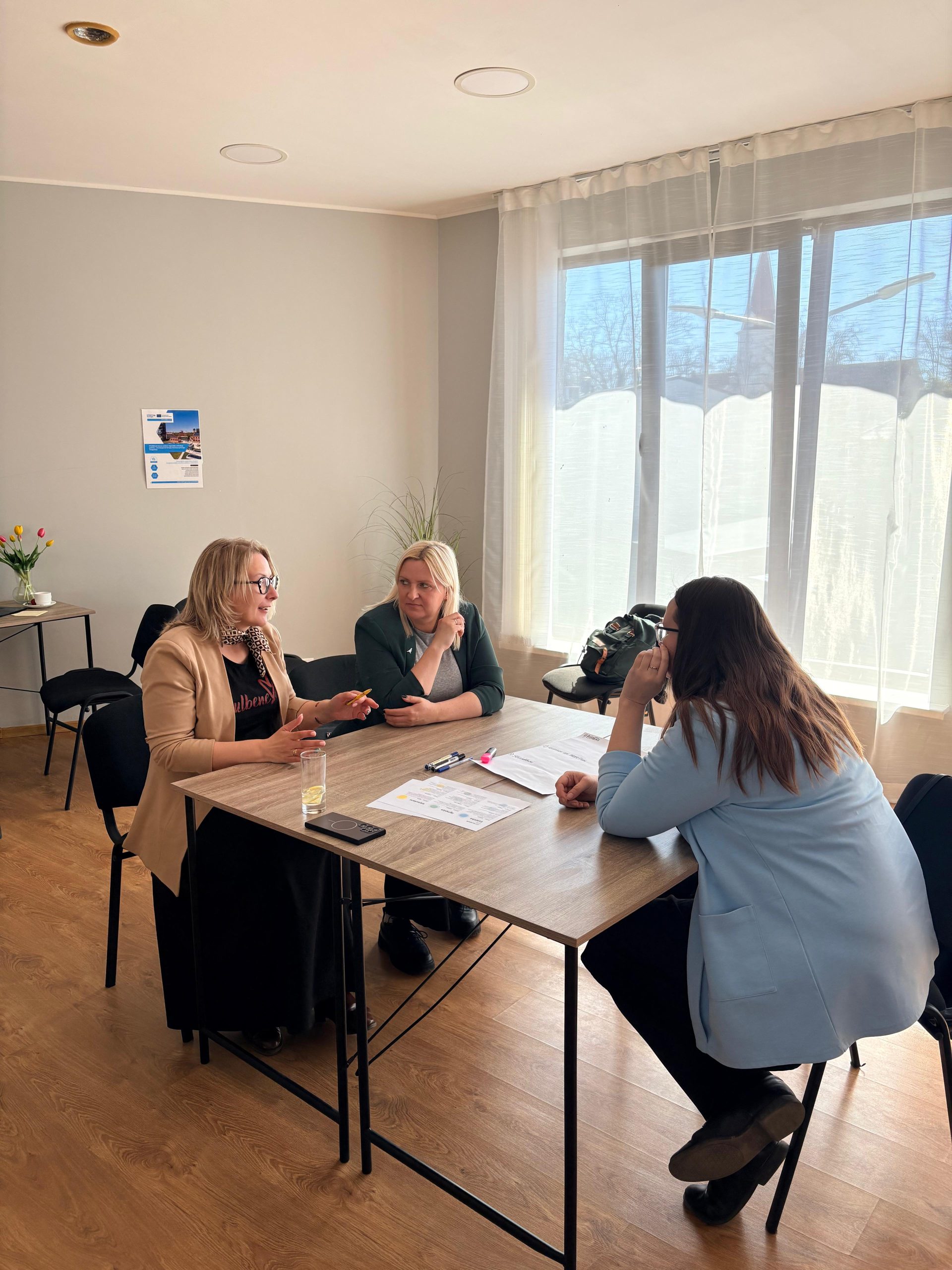
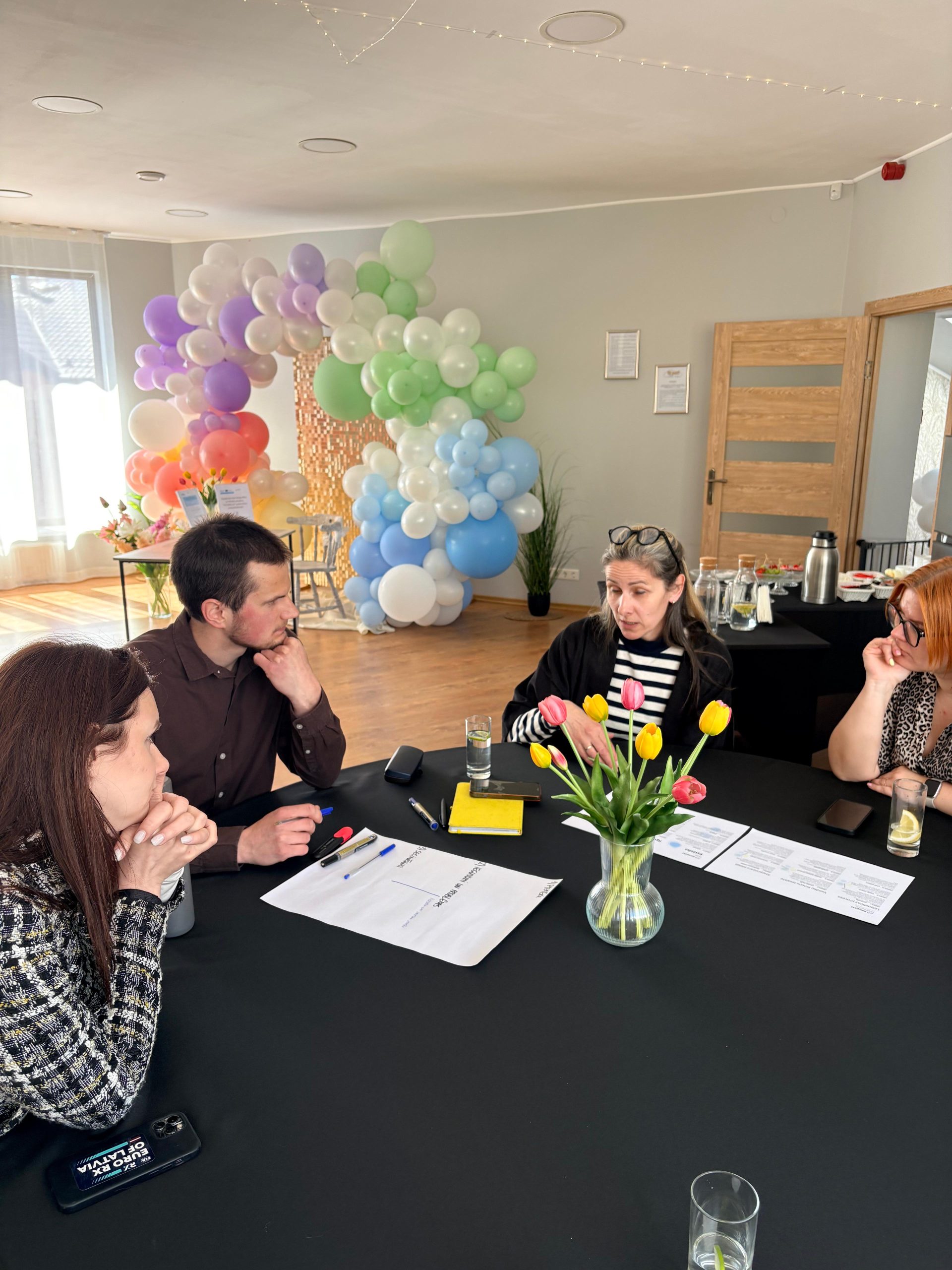
The main objective of the meeting was to develop recommendations for policy documents aligned with the principles of sustainability, aesthetics, and inclusion, in line with the goals of the PICOBELLO project. However, participants acknowledged that strategic concepts are often best understood through practical, existing, and implementable solutions. Consequently, the group work focused on translating the New European Bauhaus concept and its values into practical actions, identifying concrete measures and existing challenges.
Participants noted that many initiatives already being implemented in the Vidzeme Planning Region—including inclusive tourism, nature education, the preservation of local culture, and efforts to strengthen community resilience—already reflect the principles of the New European Bauhaus, regardless of whether they are formally labelled as such. Since the three core NEB principles are open to interpretation, participants agreed that greater emphasis should be placed on practical solutions rather than terminology, ensuring that implementation does not become an unnecessary administrative burden.
The discussions identified two priority areas for future action, particularly highlighted by municipal specialists working in the fields of culture and urban design:
- Local cultural events (town and village festivals, concerts, markets, cemetery festivals, and similar activities) that provide added value by preserving traditions, local identity, and a sense of belonging. Over the long term, such initiatives contribute to stronger and more resilient communities.
- Resident-led initiatives and the establishment of local advisory councils, which create opportunities for improved cooperation and dialogue between municipalities and residents. These mechanisms facilitate knowledge exchange, collaboration, and a better understanding of local needs and opportunities.
Participants also concluded that sustainability must be embraced as a value at the national level if initiatives and ideas are to become long-term directions rather than one-off projects. A broader shift in public attitudes and ways of thinking was considered equally important, with education playing a key role in building awareness and understanding.
The event brought together representatives from the municipalities of Valmiera, Gulbene, and Smiltene, as well as specialists from the Vidzeme Planning Region. Based on the insights gained during the meeting, the Vidzeme Planning Region will continue its work on proposals for improving regional development policies in line with the objectives of the PICOBELLO project.
About the project
The project “PIloting COllaborative ways to BEtter Living LOcally” (PICOBELLO) is being implemented within the Interreg Europe 2021–2027 interregional cooperation programme. Its objective is to improve regional development policy instruments in the partner regions through a co-creative knowledge exchange process, exploring how European regions integrate the three core values of the New European Bauhaus into their development strategies: sustainability, aesthetics, and inclusion.
More information about the project: https://ej.uz/86jm
This publication has been produced with the financial support of the European Union. Its contents are the sole responsibility of the Vidzeme Planning Region and do not necessarily reflect the views of the European Union.