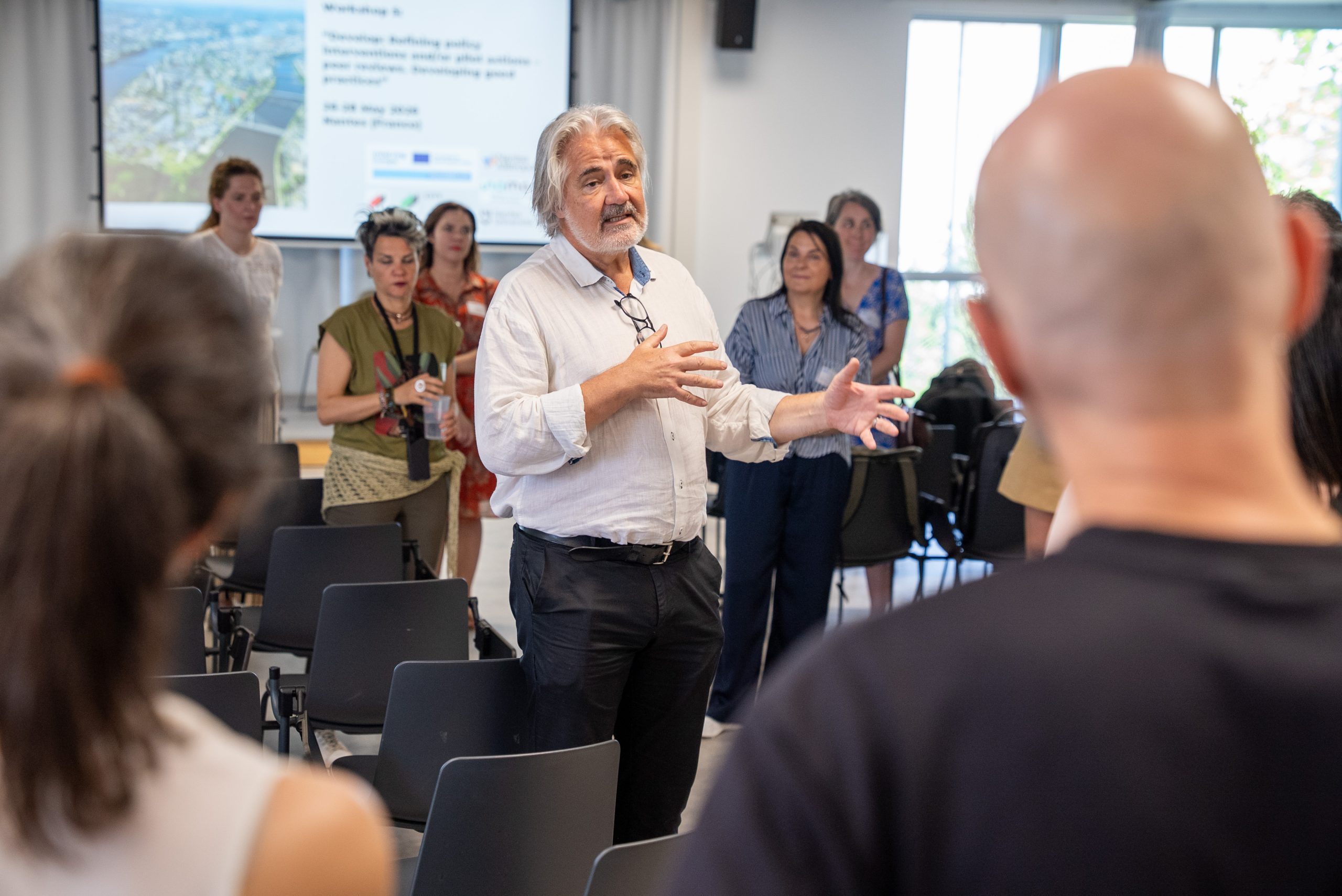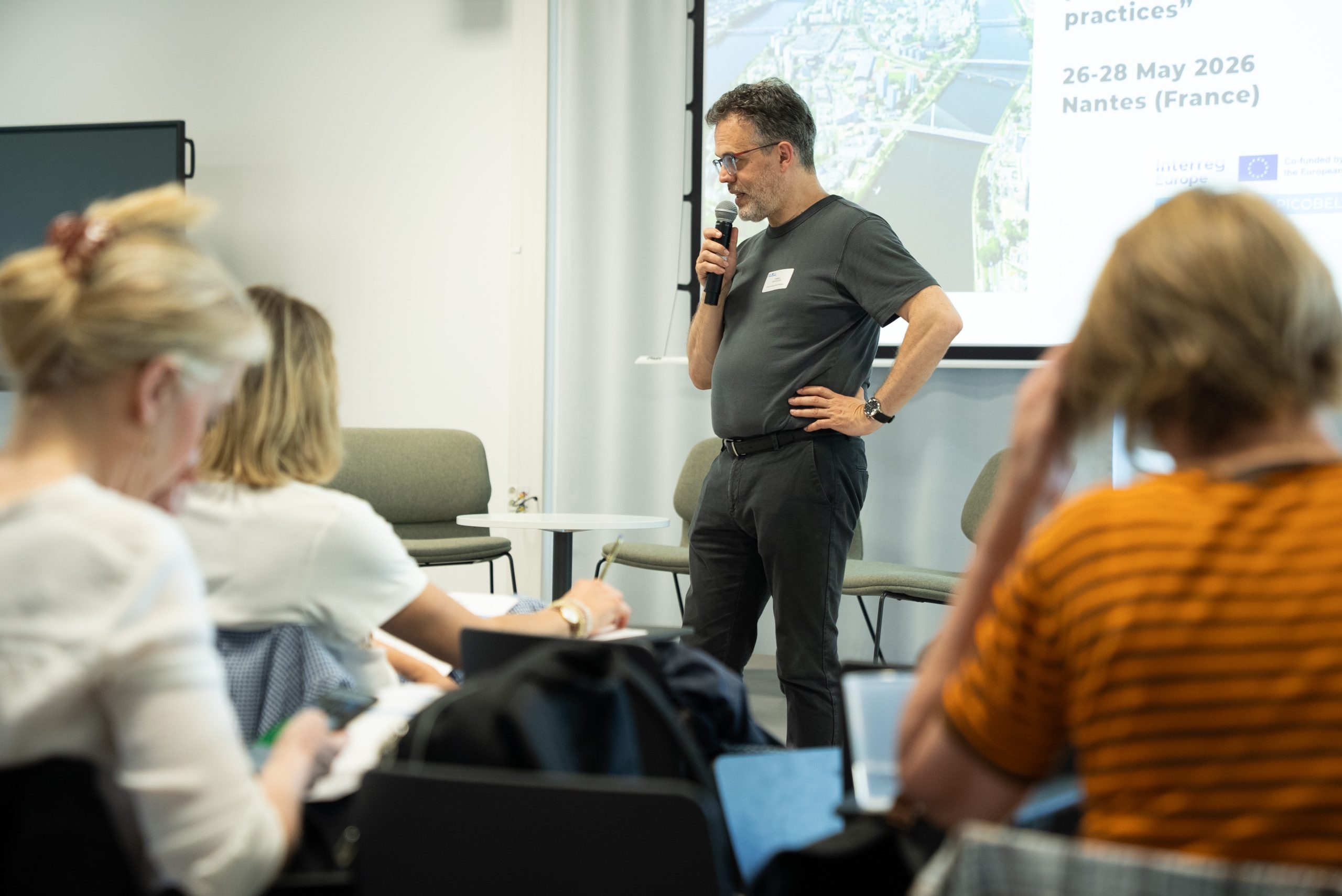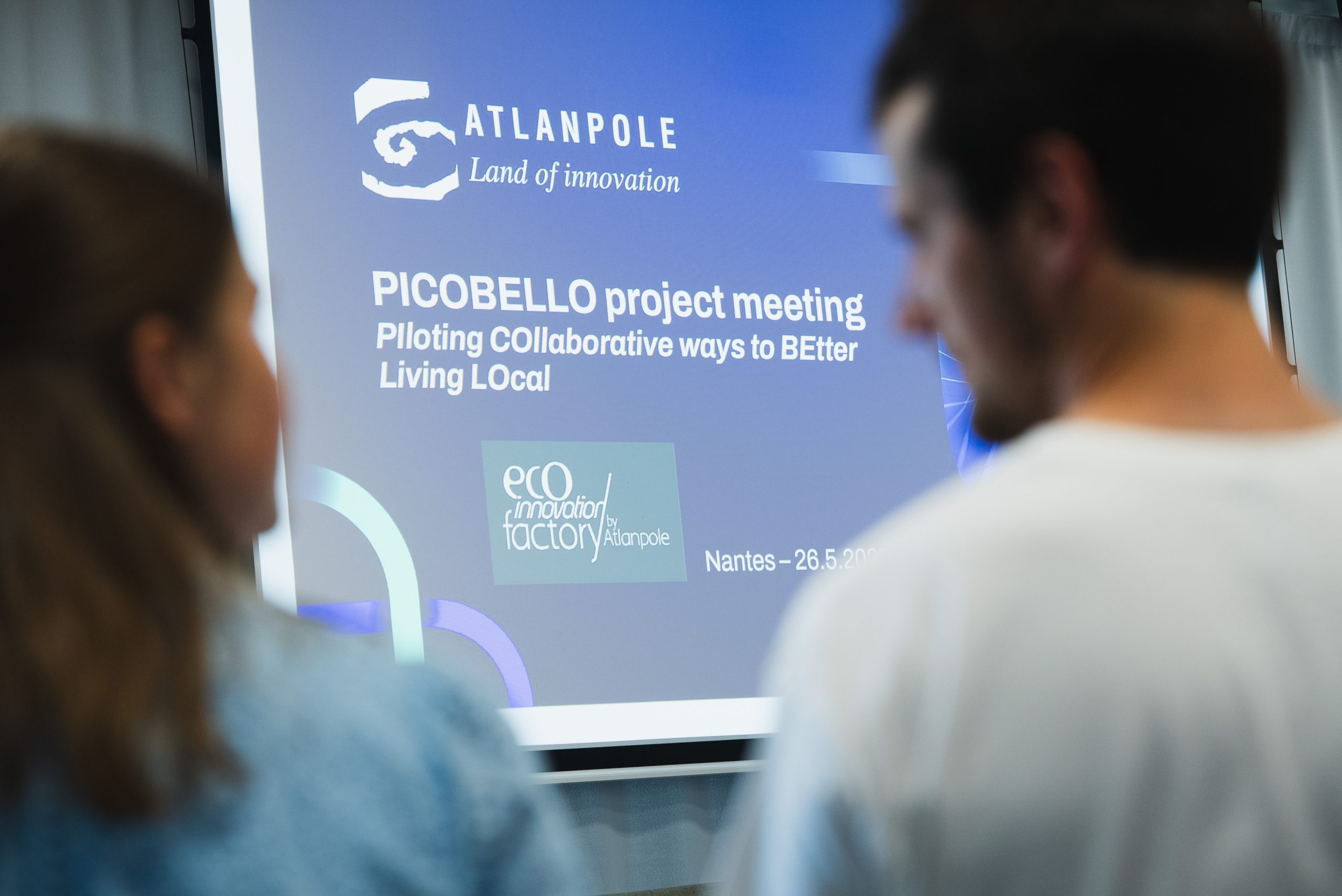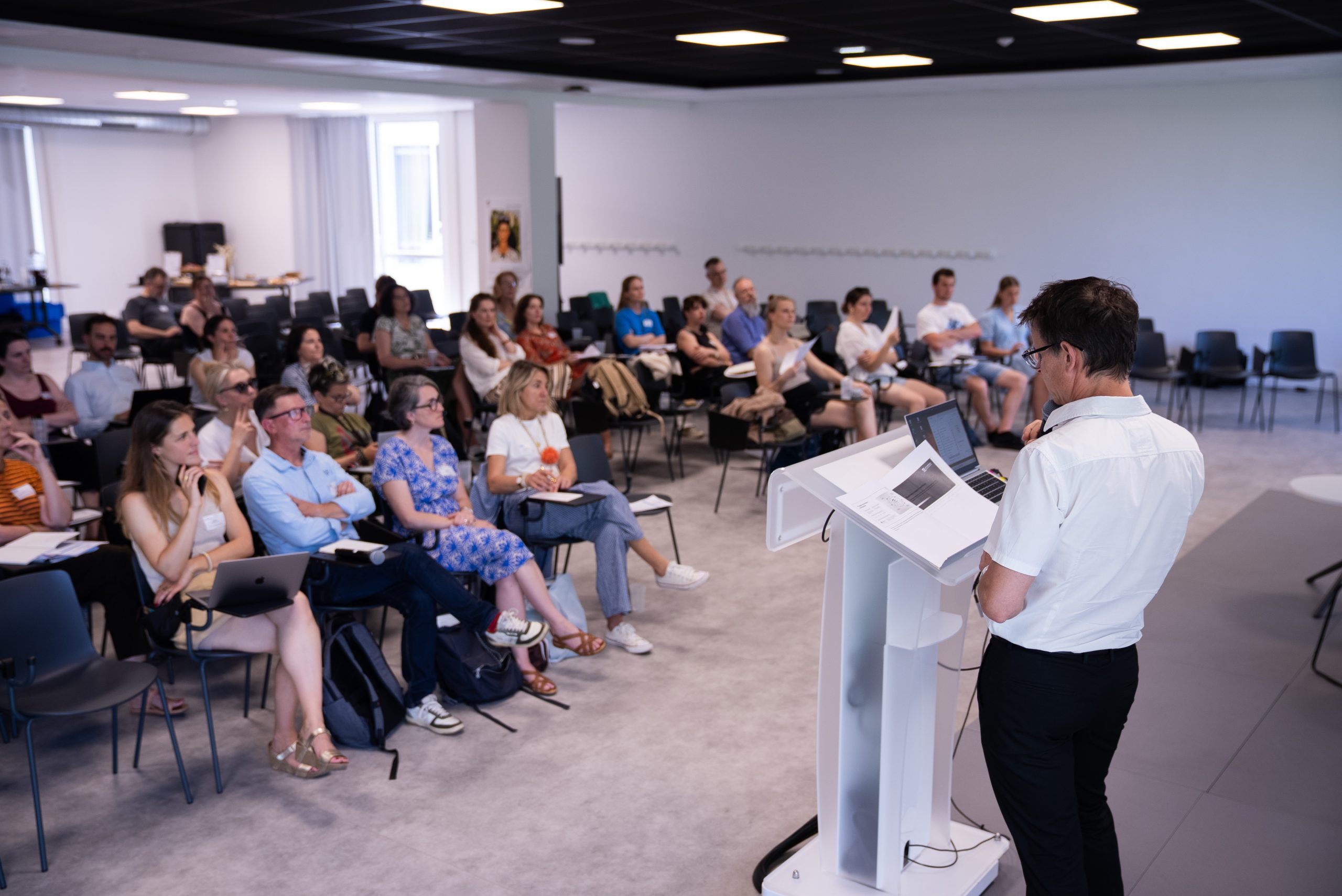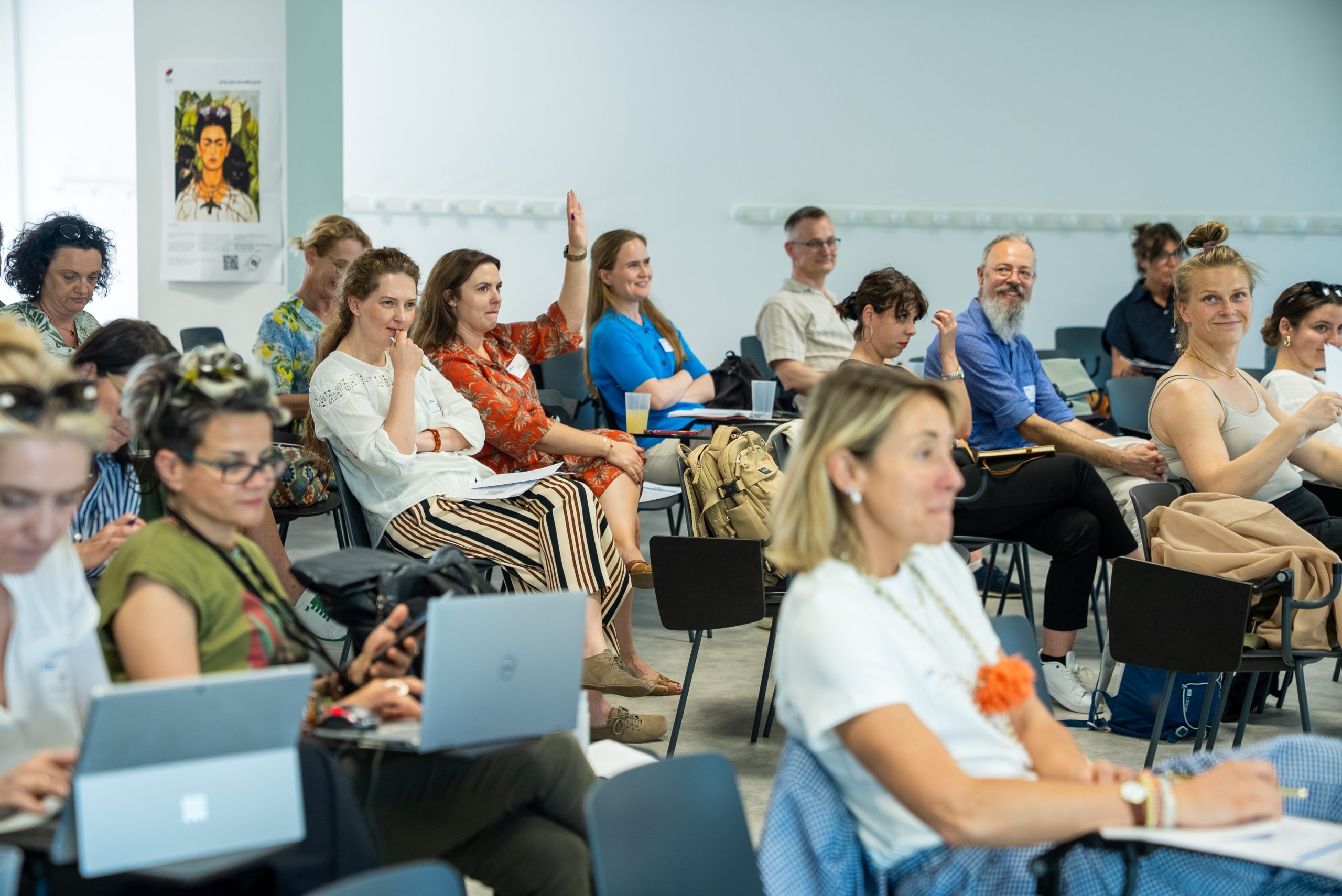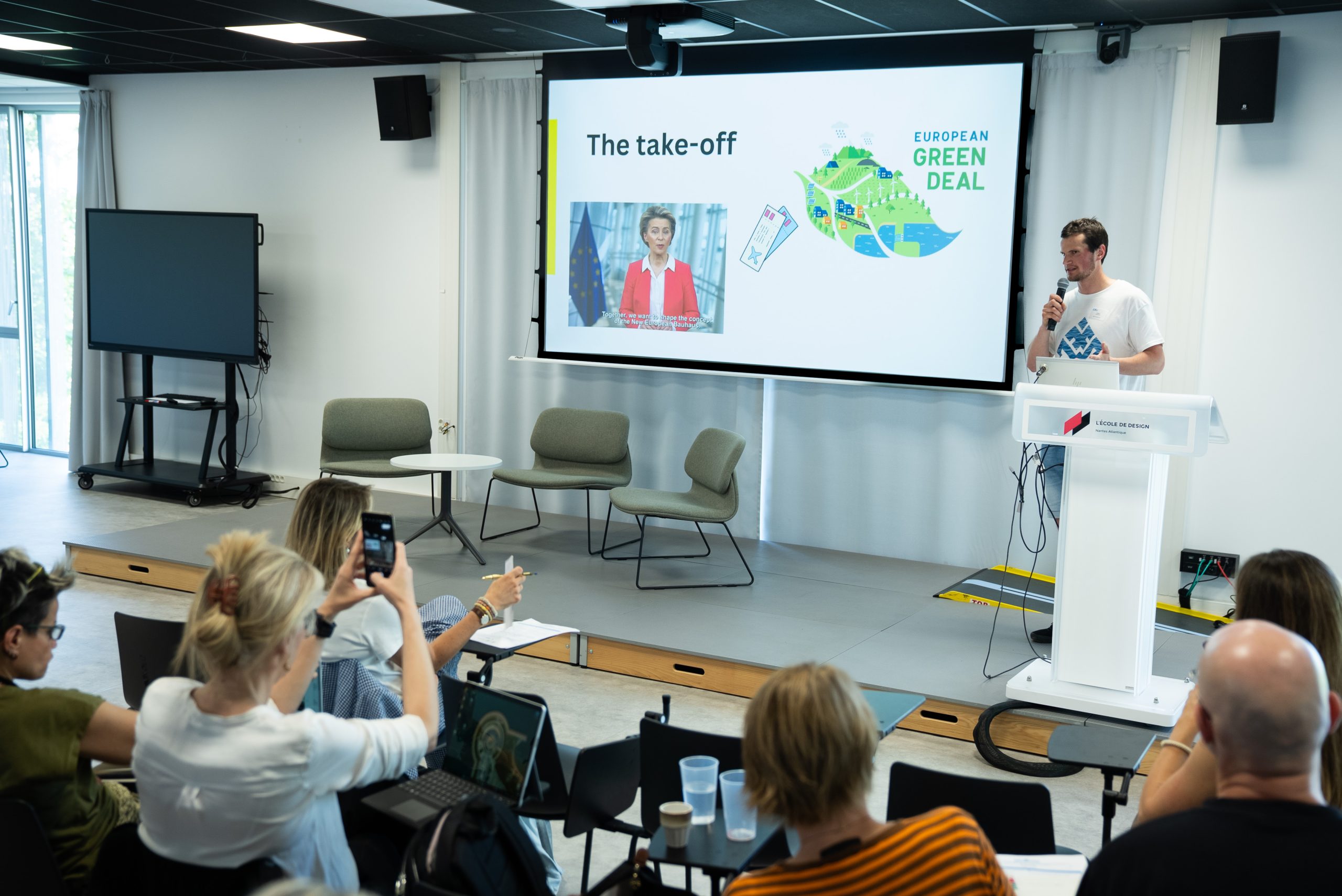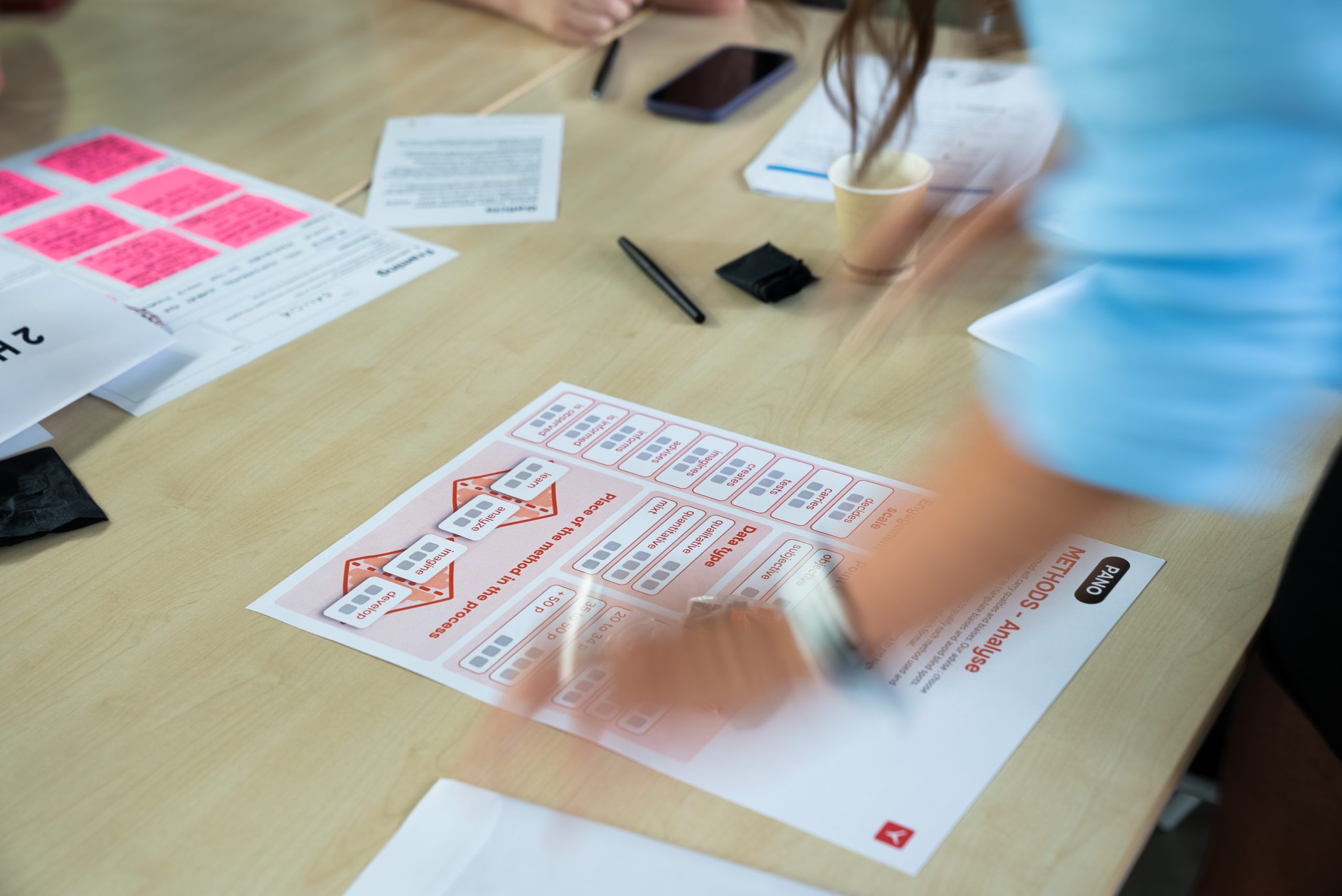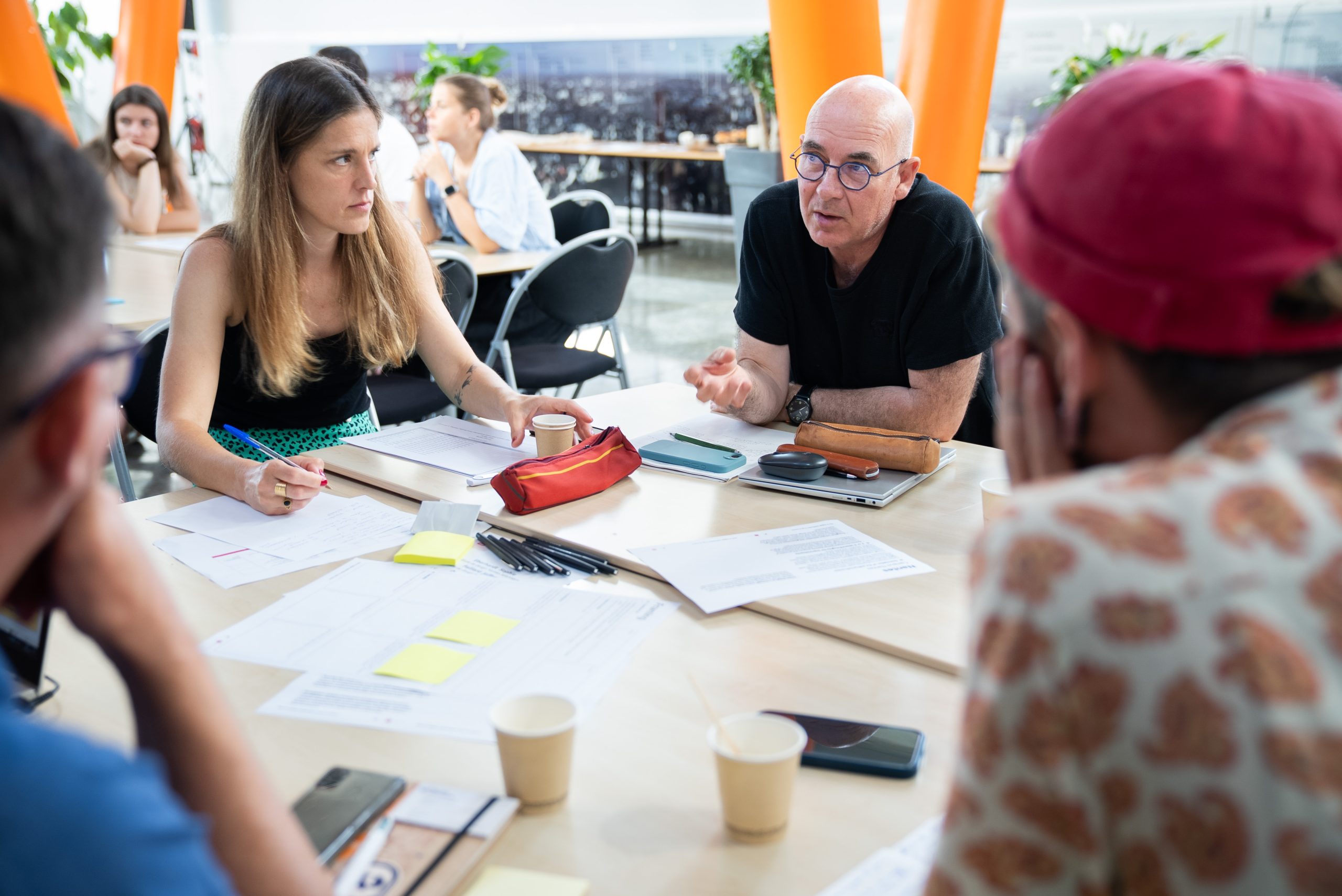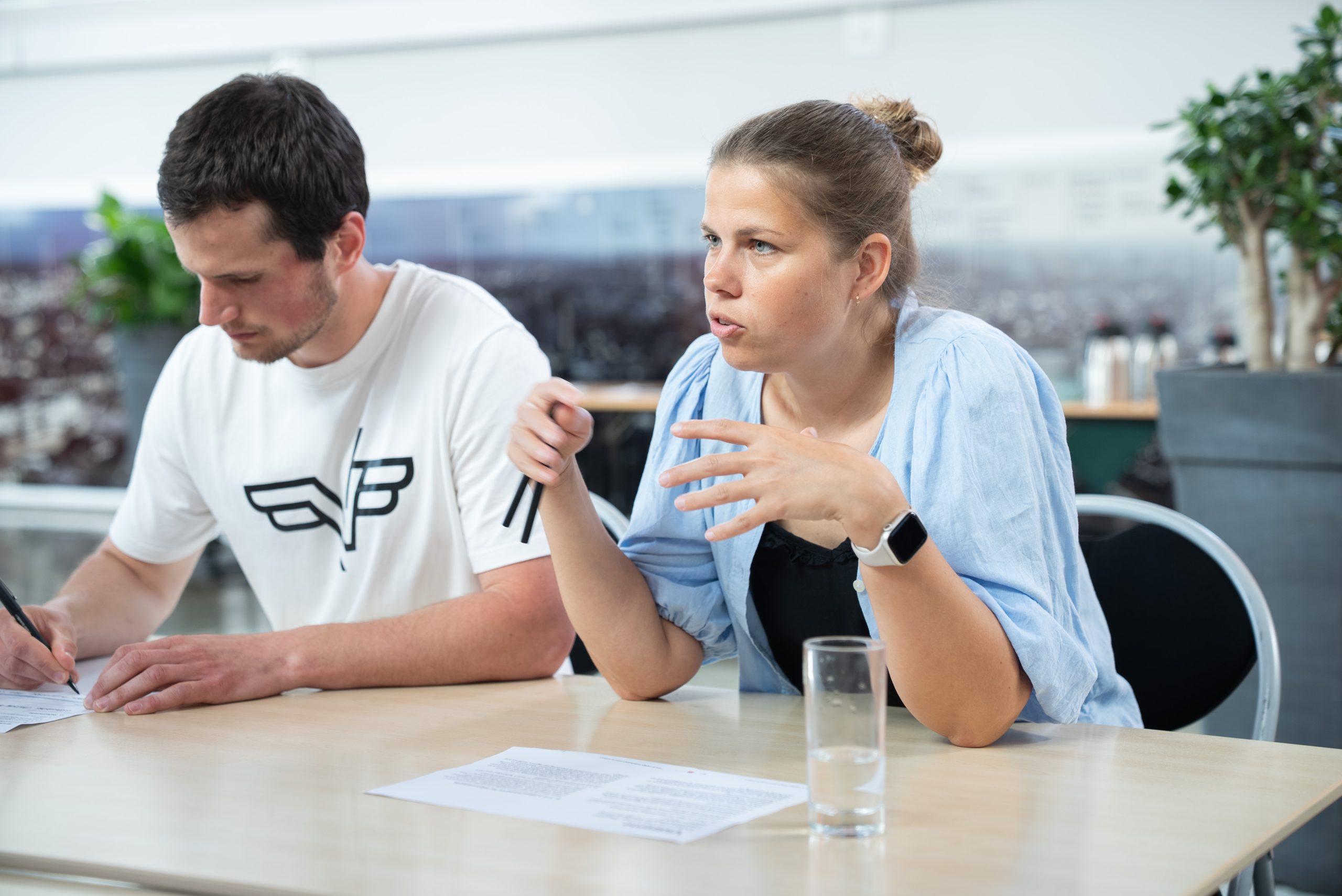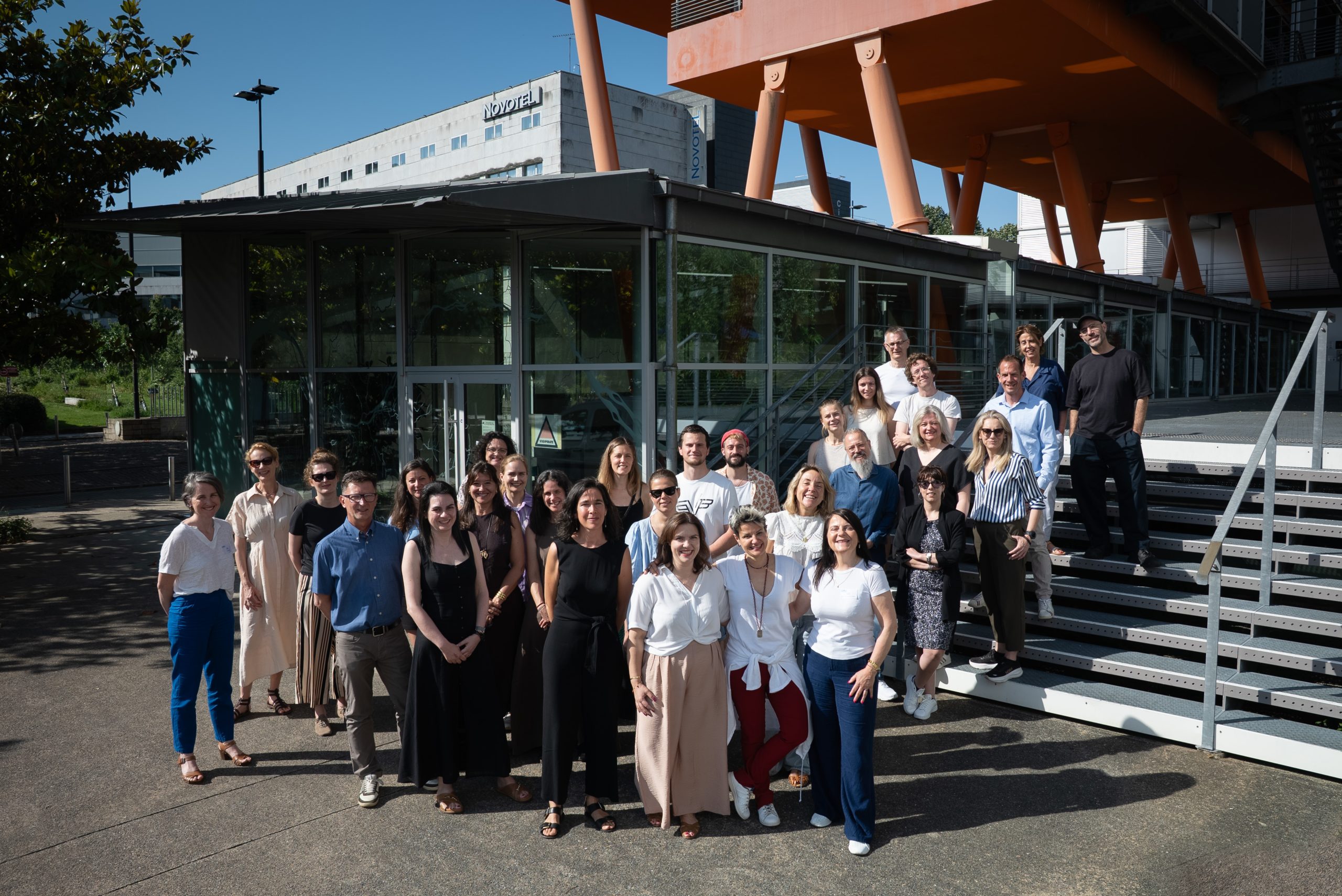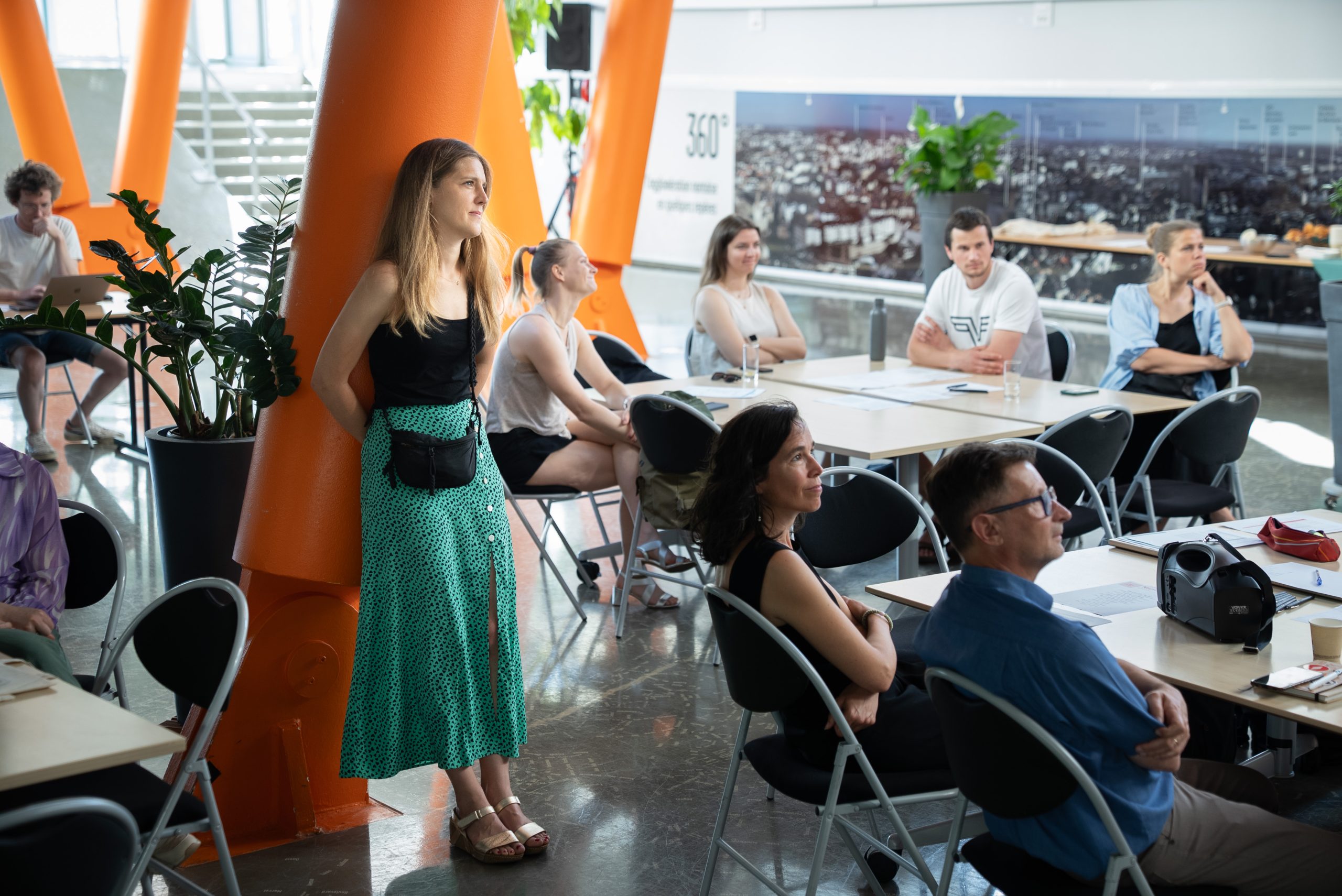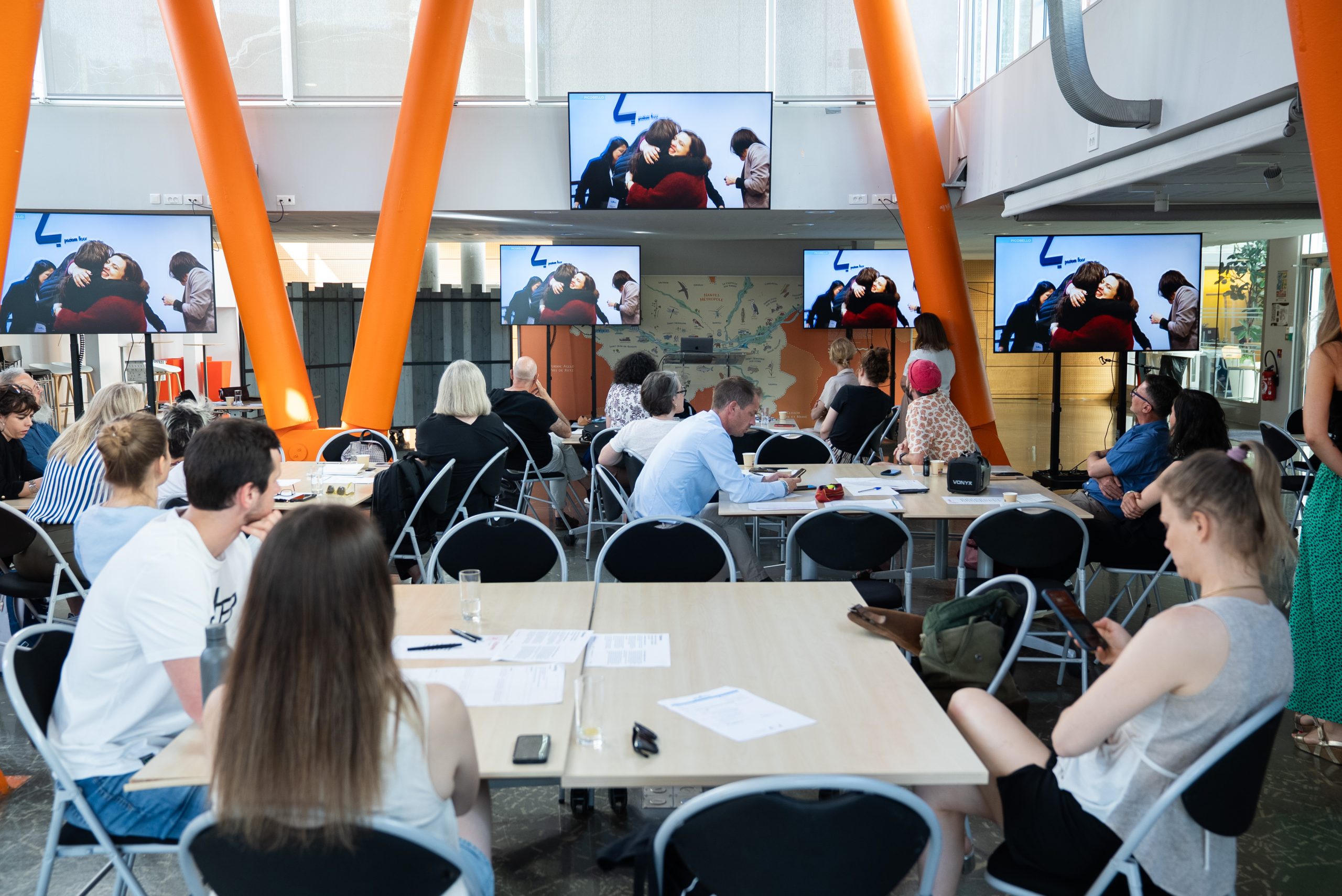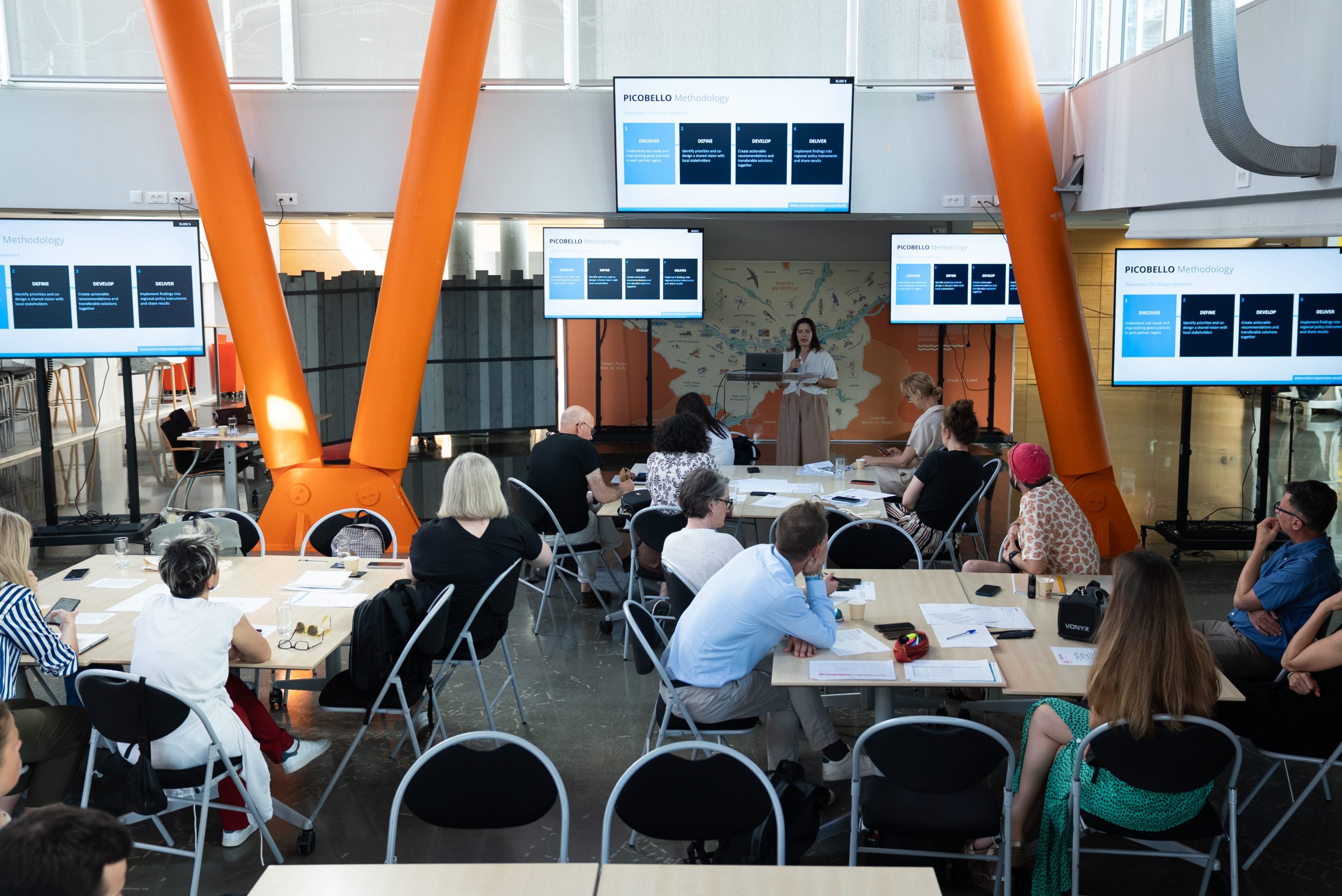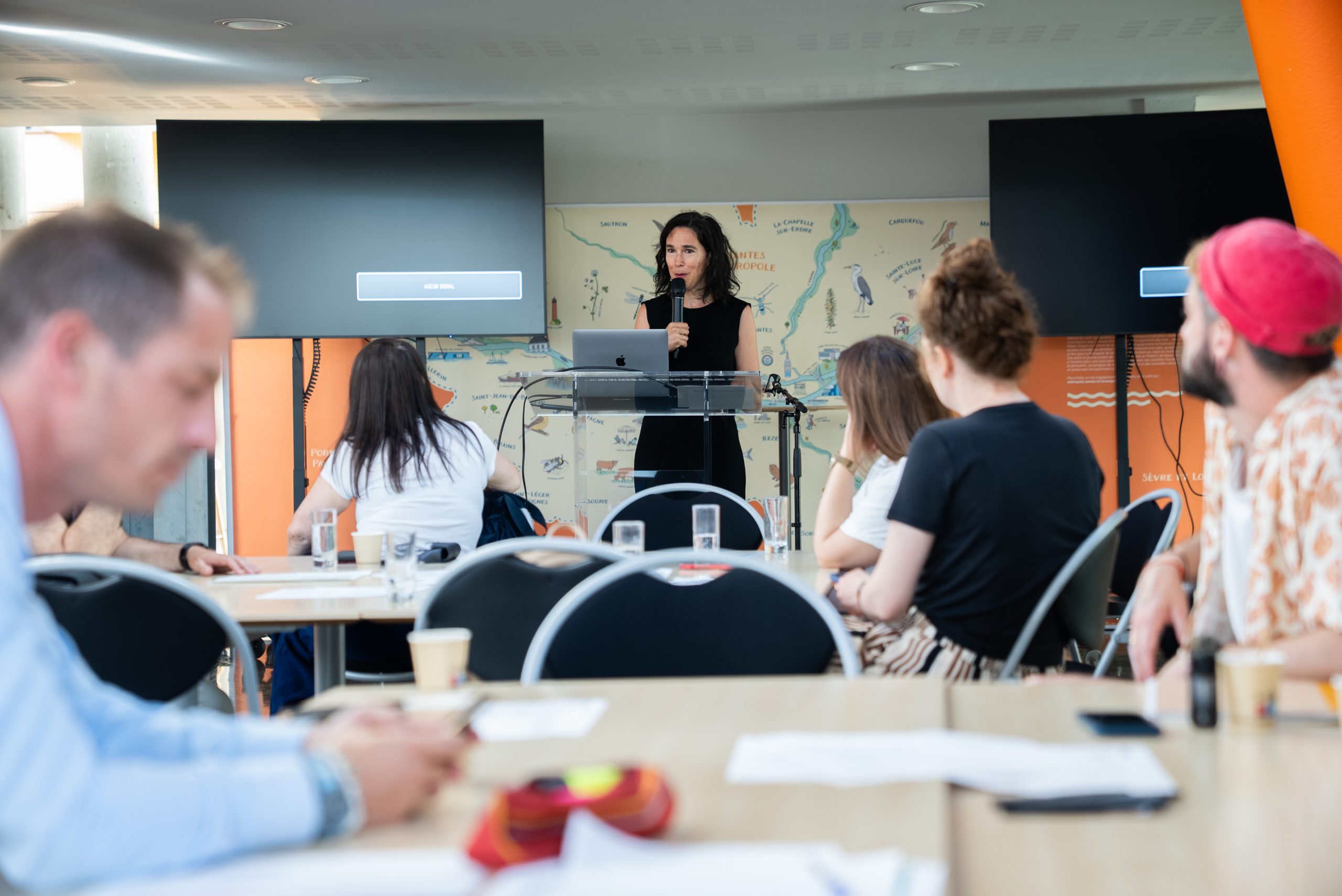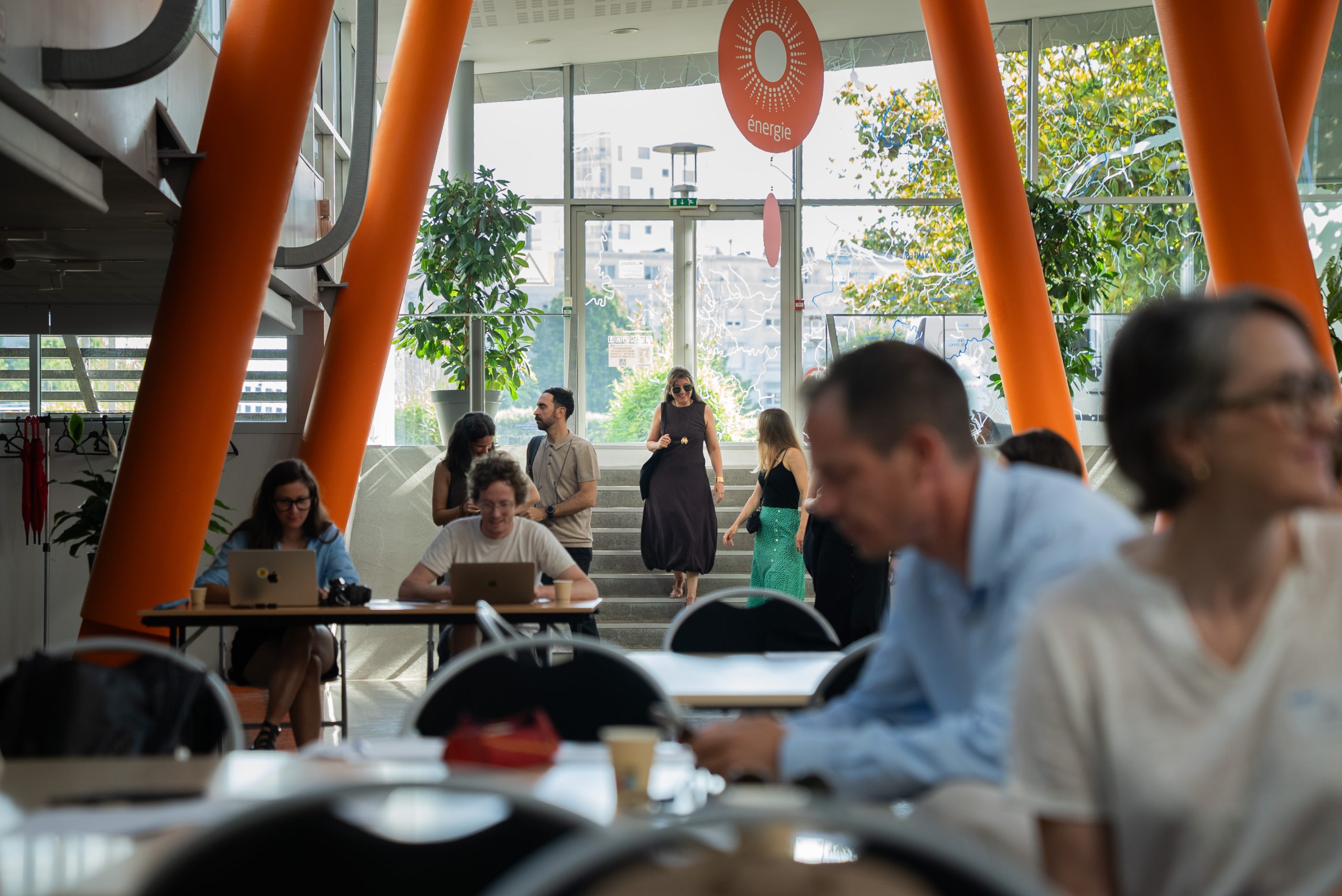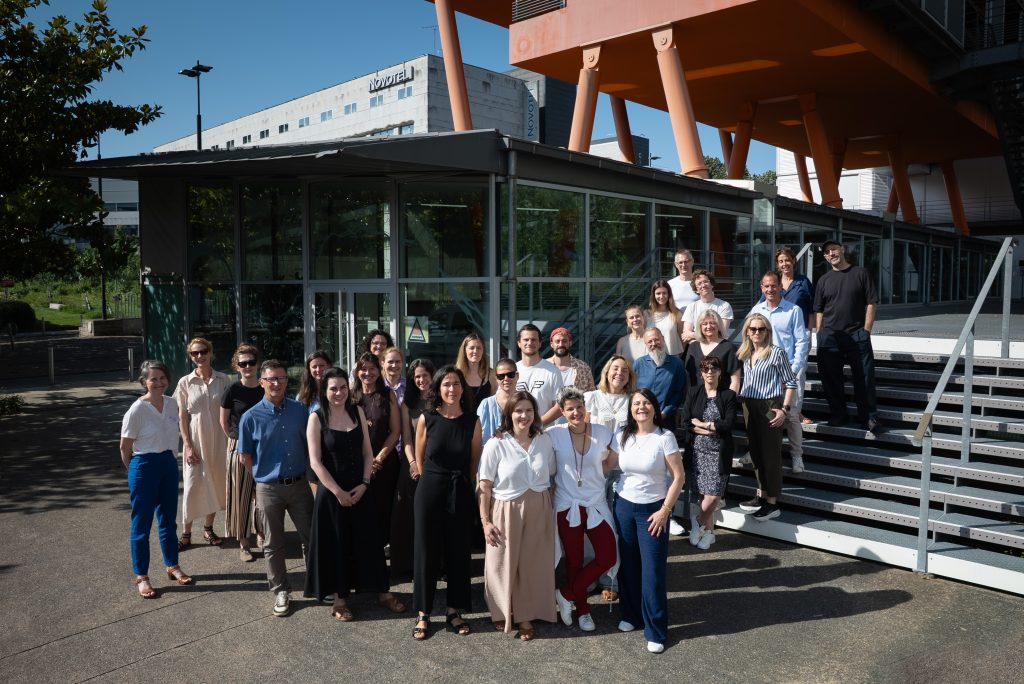
From 26–28 May, the Vidzeme Planning Region team participated in the fifth interregional meeting of the Interreg Europe project “PIloting COllaborative ways to BEtter Living LOcally” (PICOBELLO) in Nantes, France. The meeting focused on how the experiences of European regions can be used to improve development planning and create living environments that are more attractive, sustainable, and inclusive for people. Participants also examined good practice examples and discussed the integration of the New European Bauhaus (NEB) principles into regional development policies.
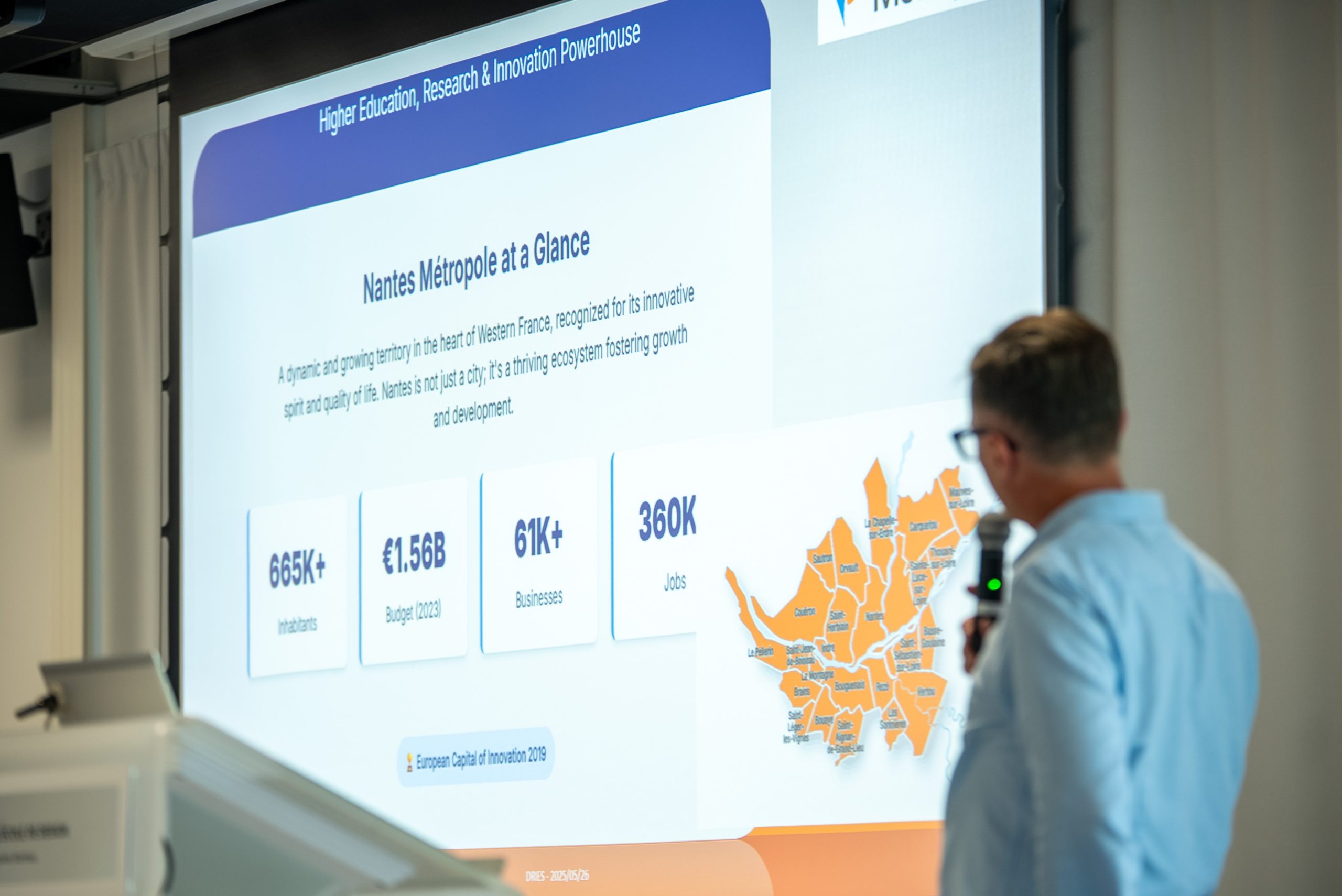
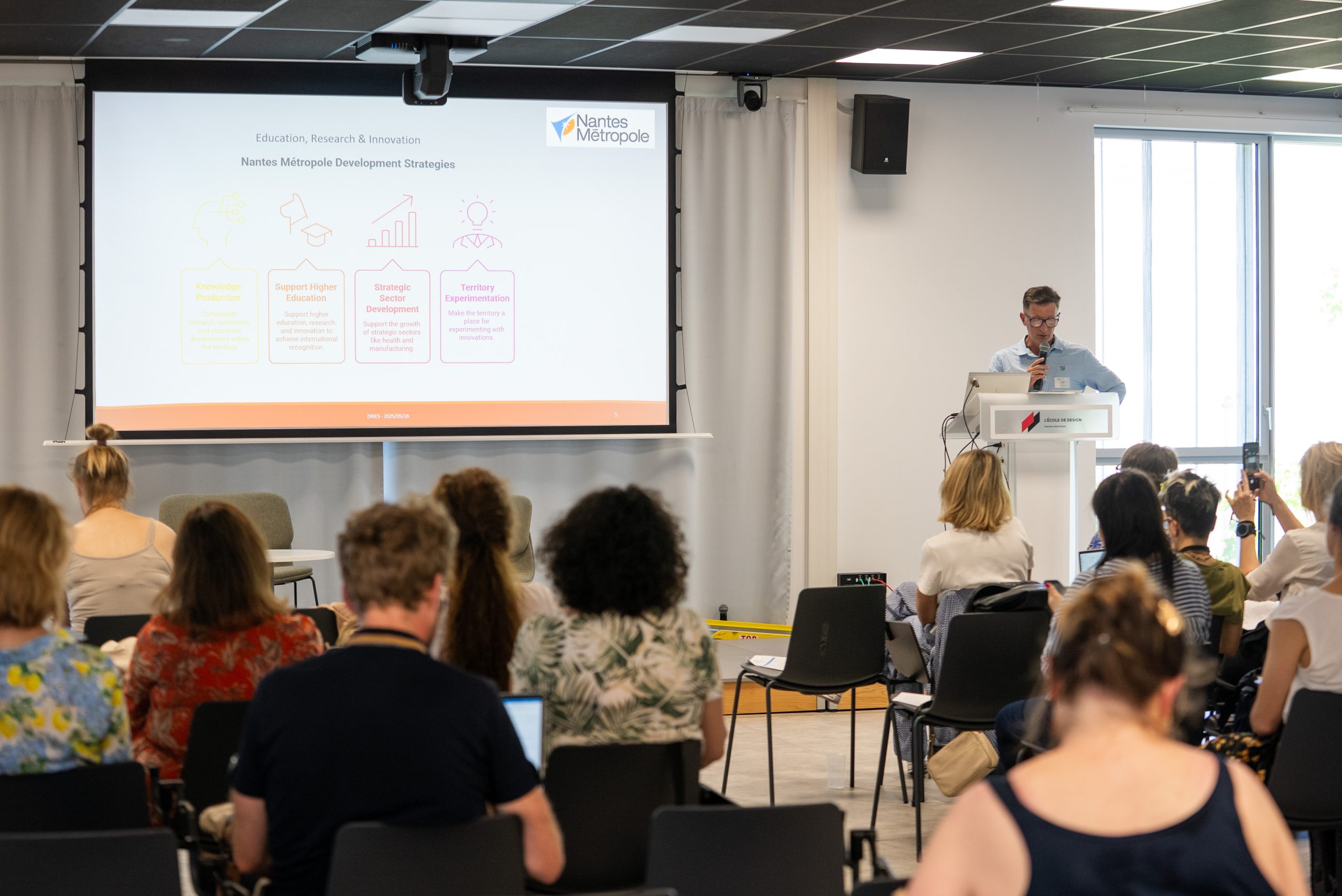
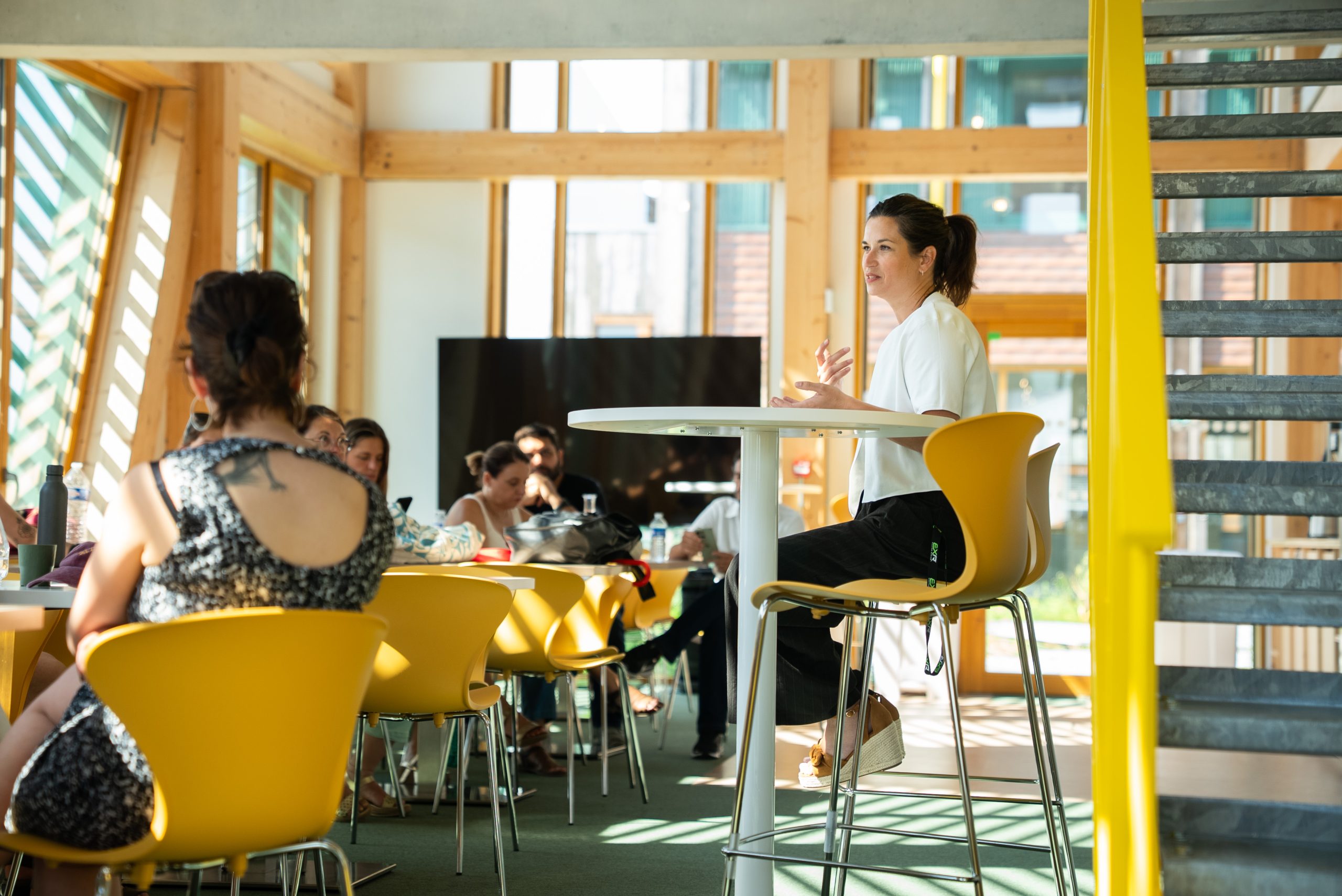
During the visit, project partners explored Nantes’ experience in using design, innovation, and public participation to support urban development, while also sharing examples of initiatives implemented in their own regions. Over the course of three days, participants analysed various approaches demonstrating how citizen engagement, creative thinking, and innovation can contribute to improving living environments and strengthening the well-being of local communities.
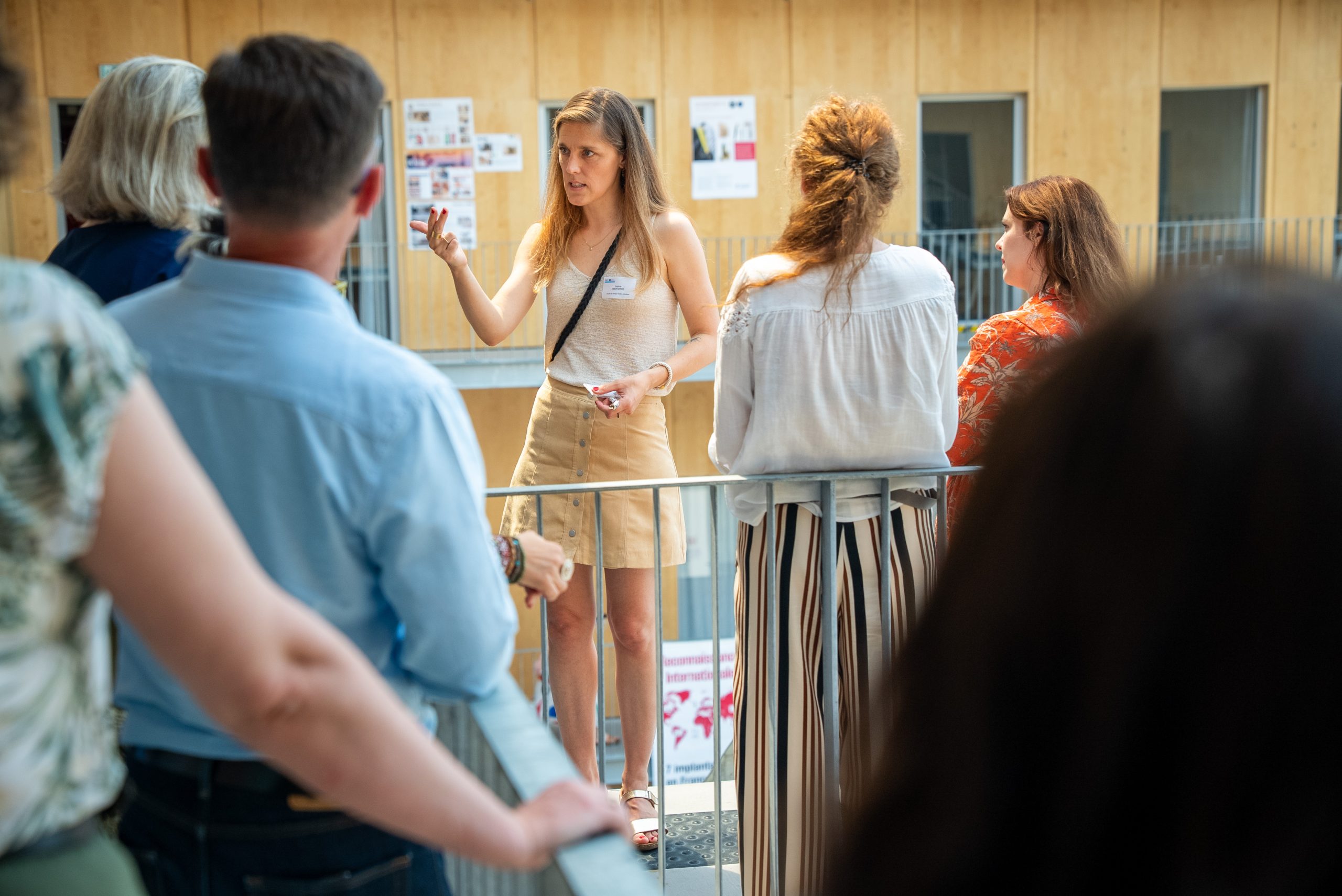
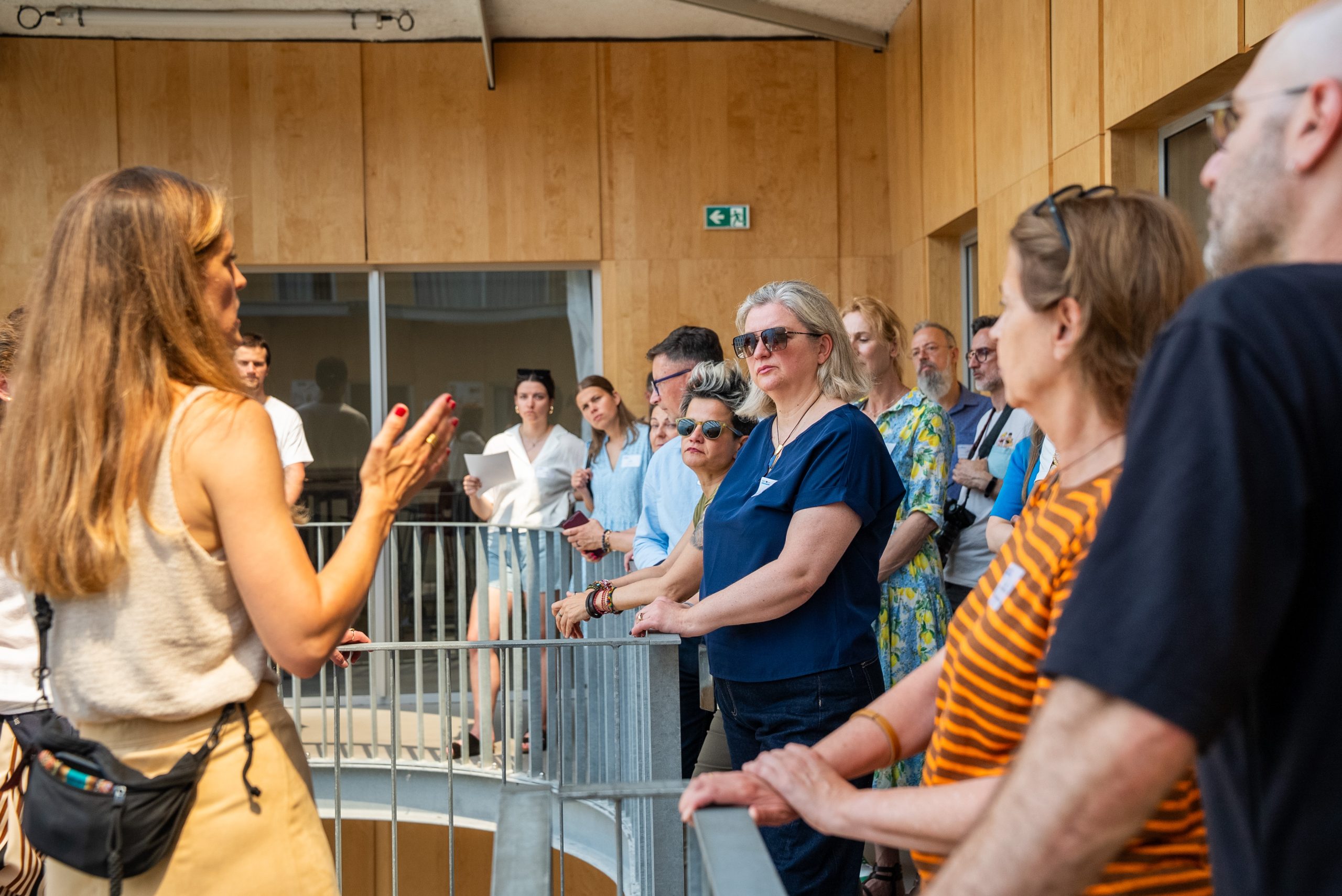
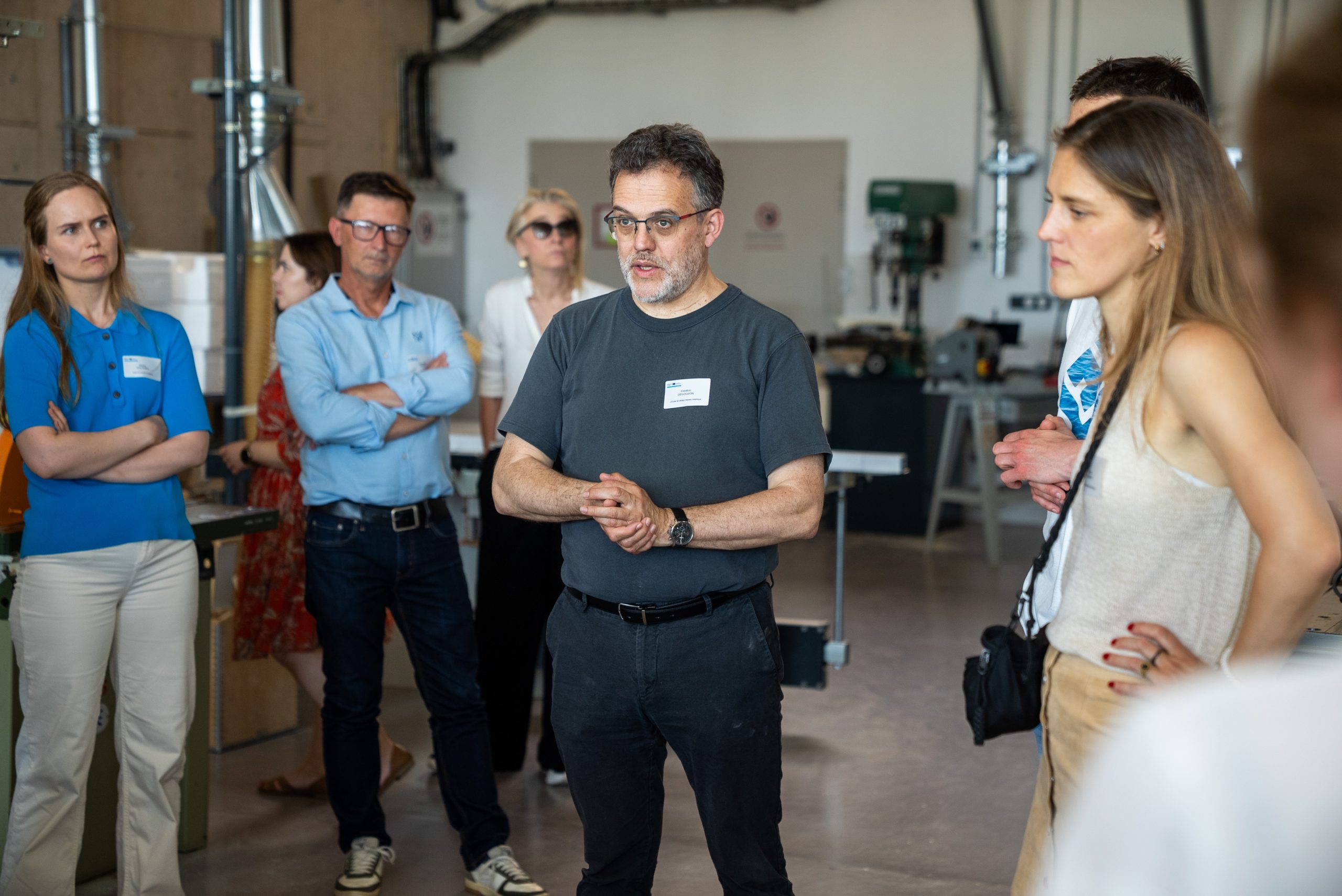
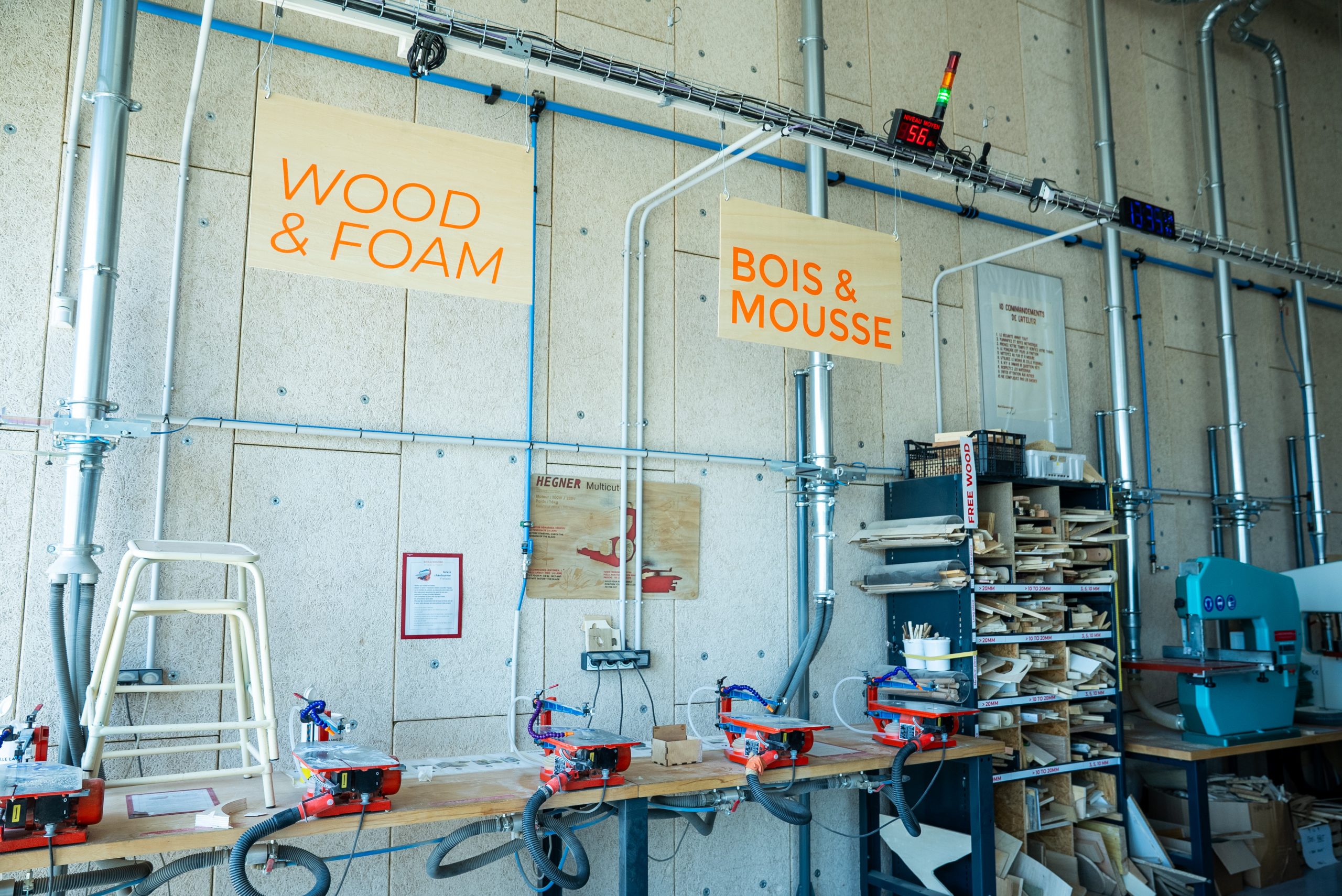
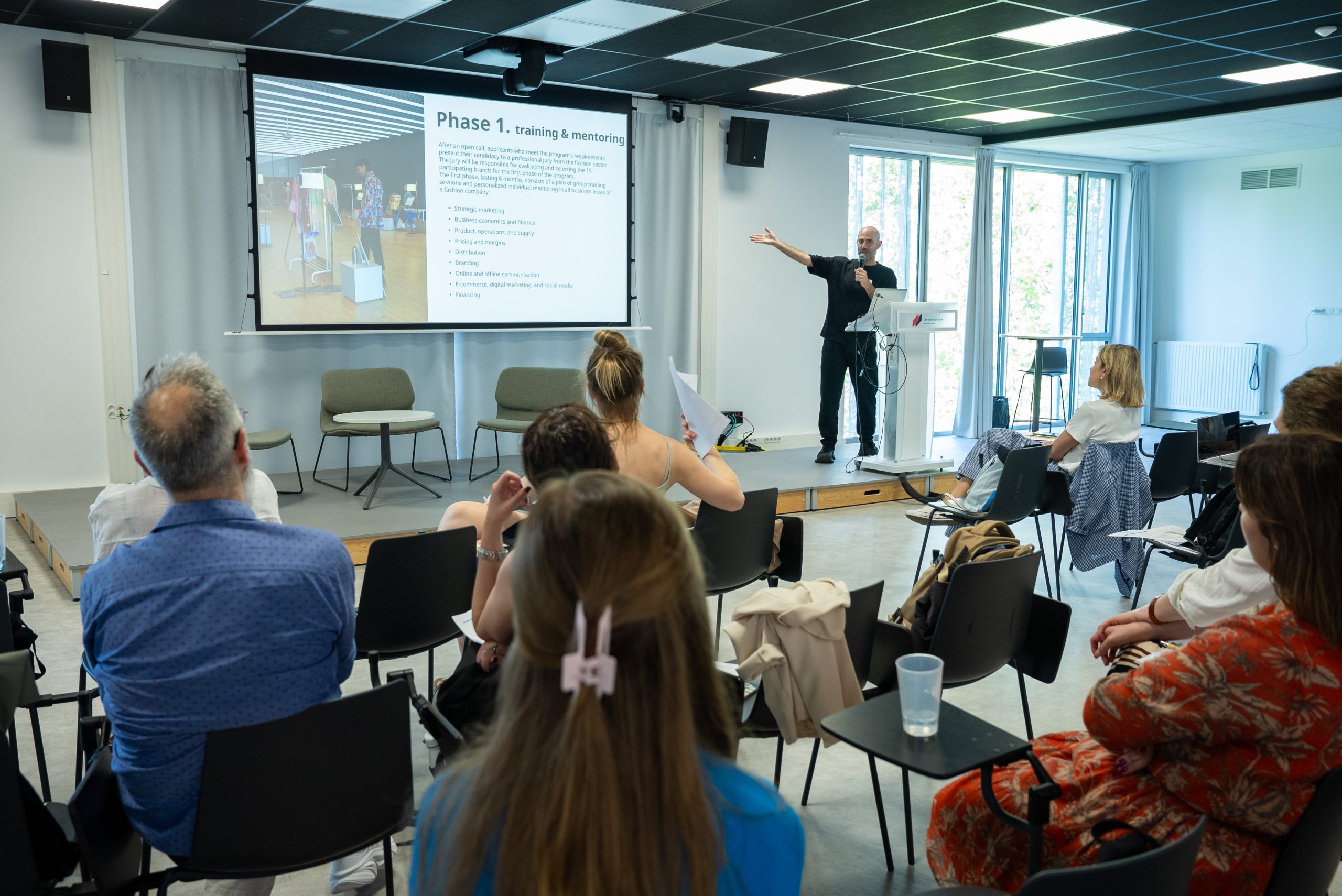
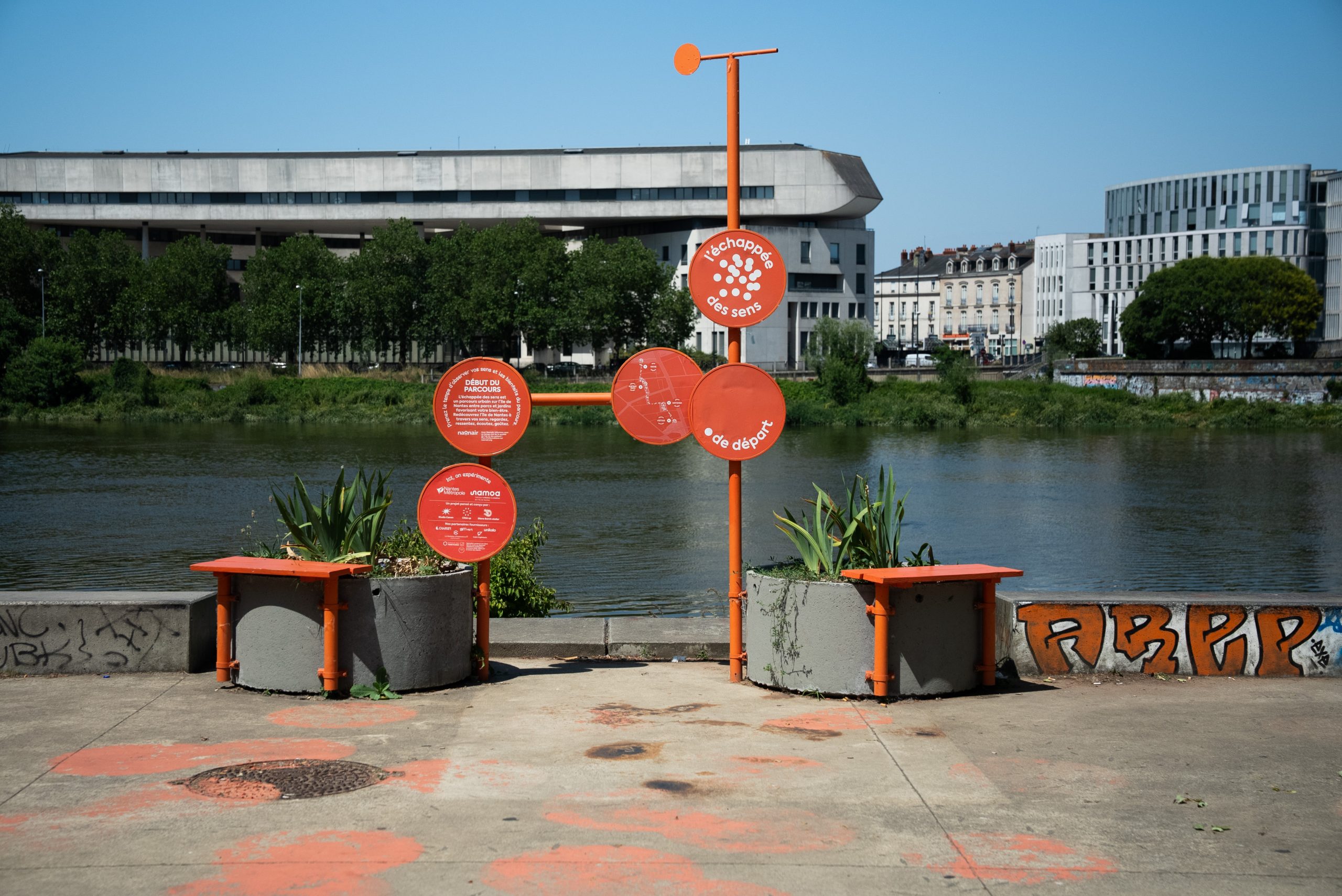
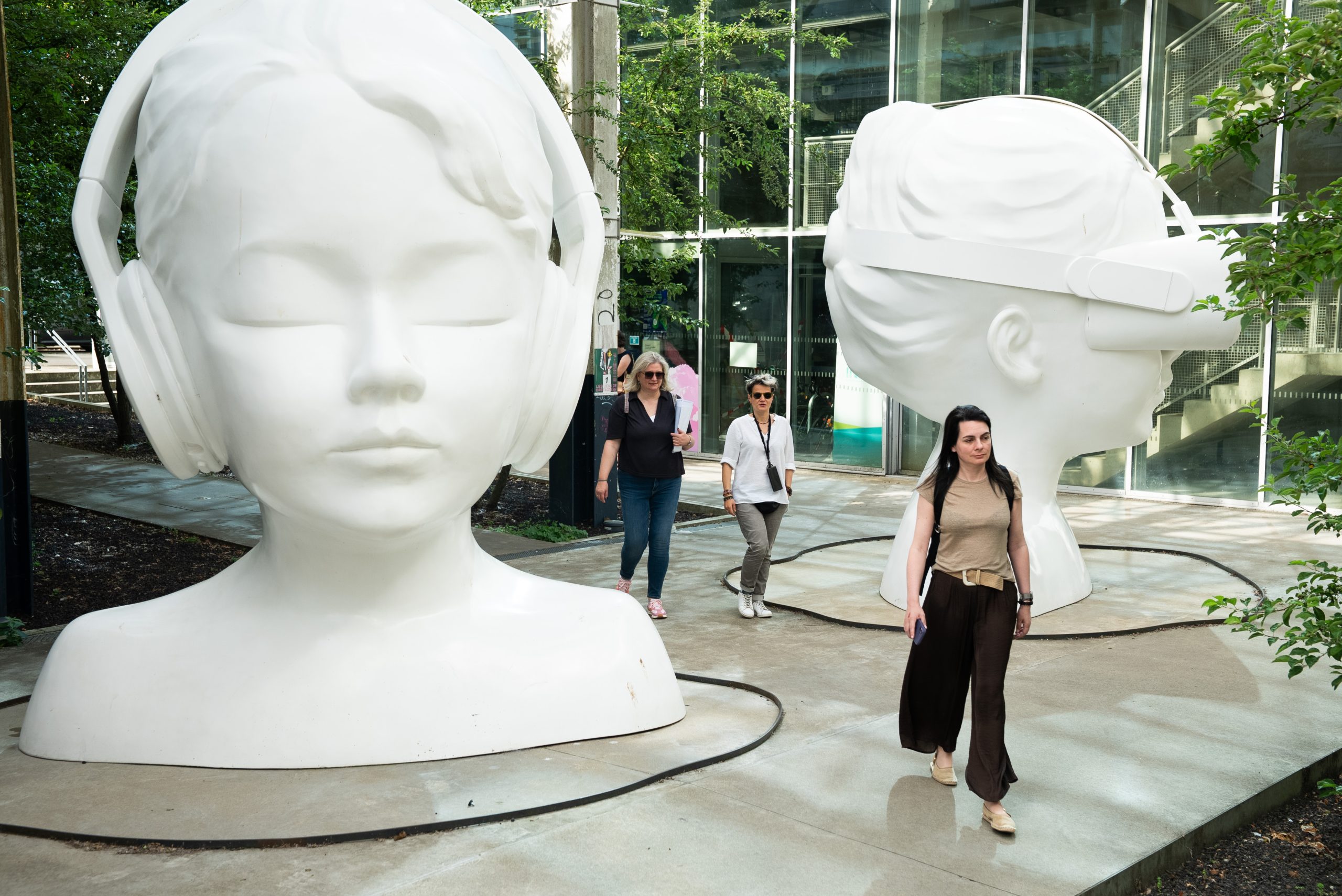
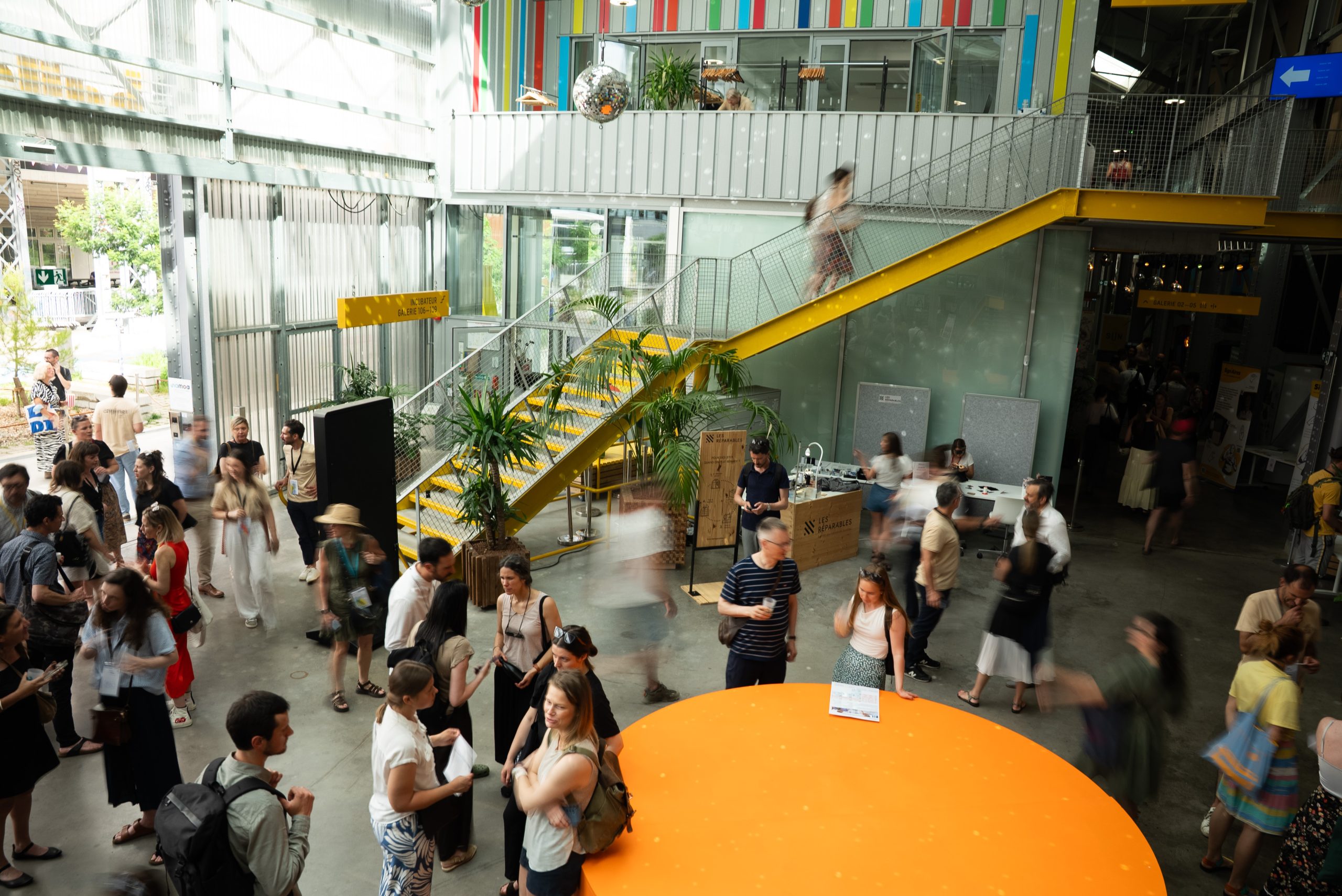
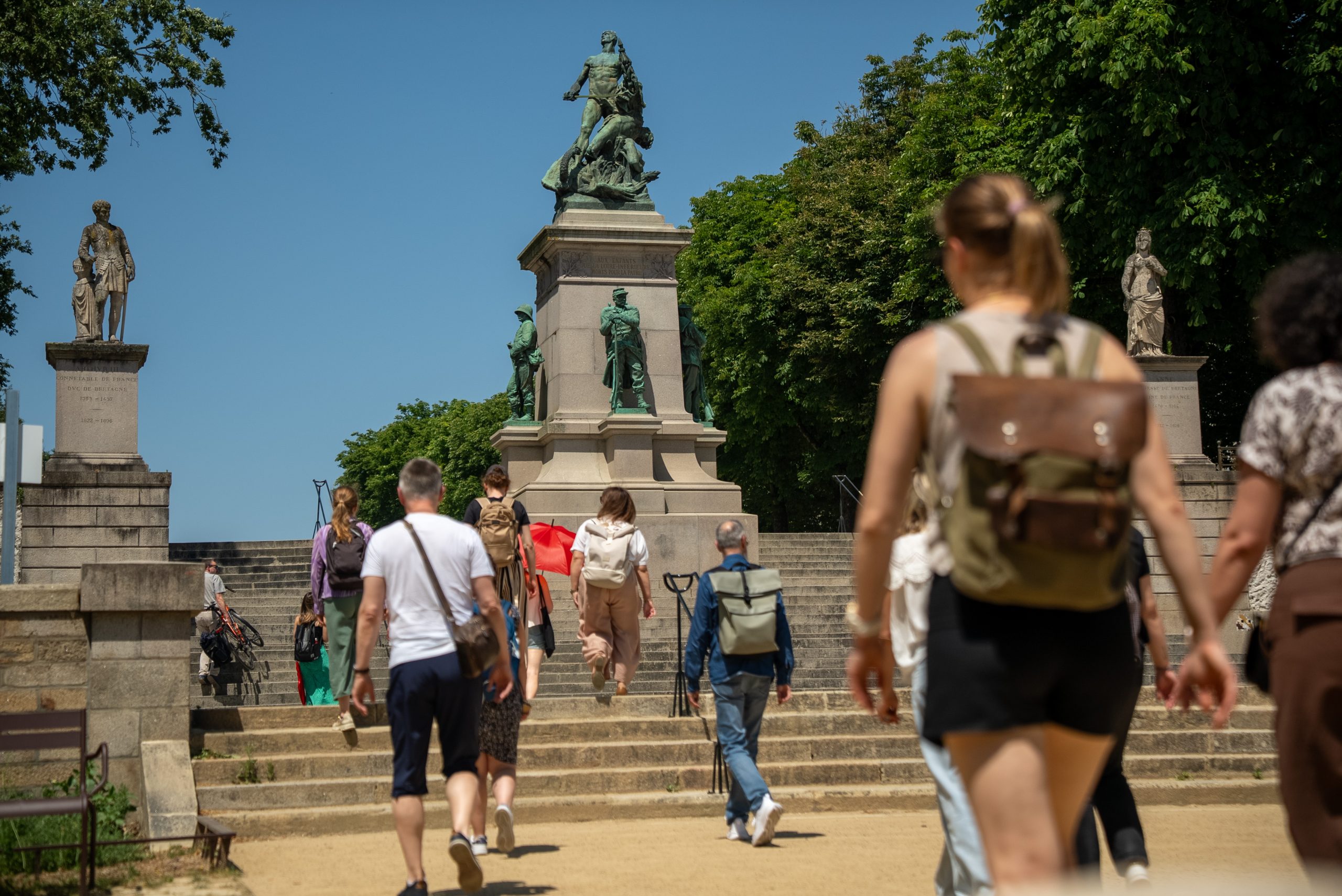
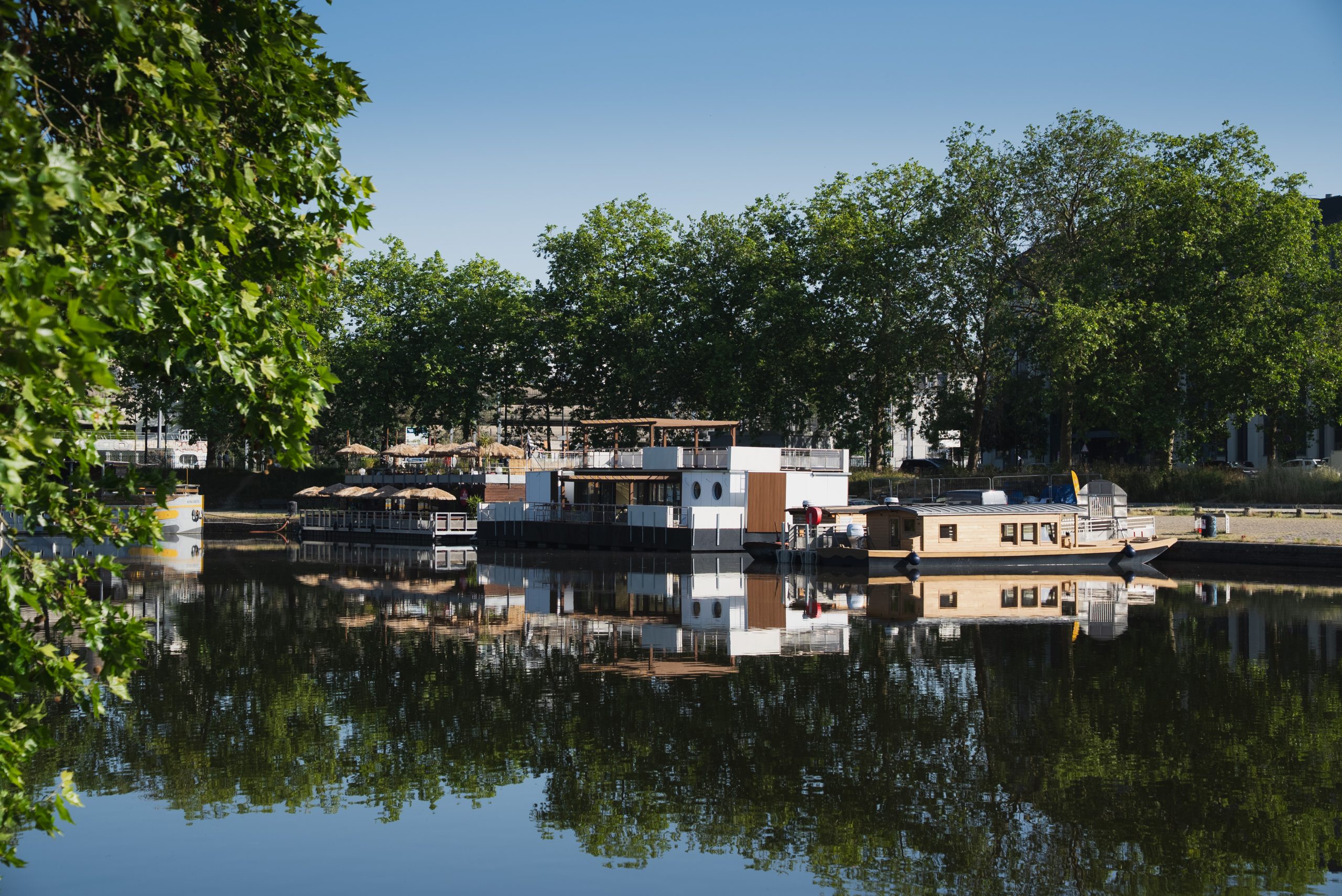
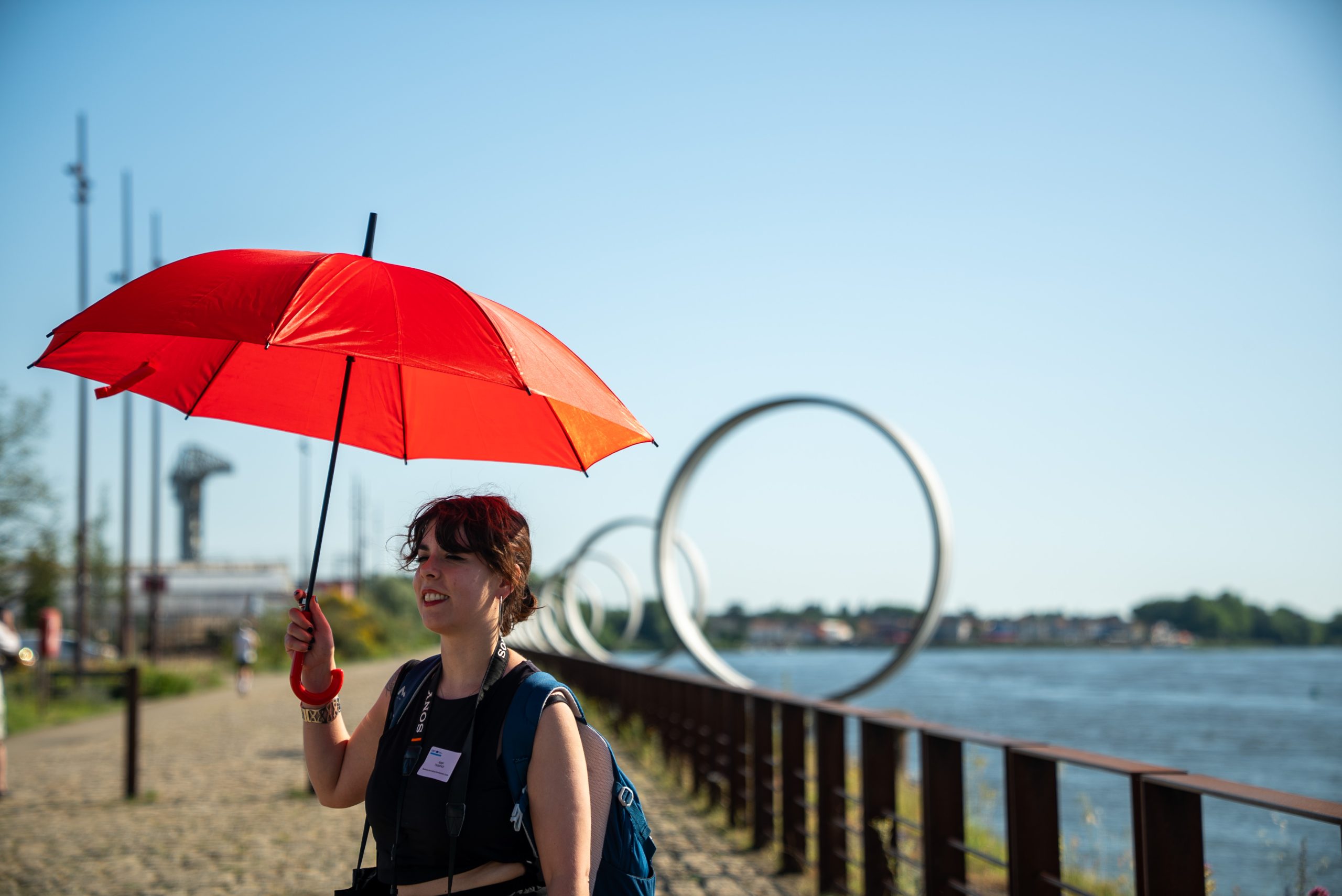
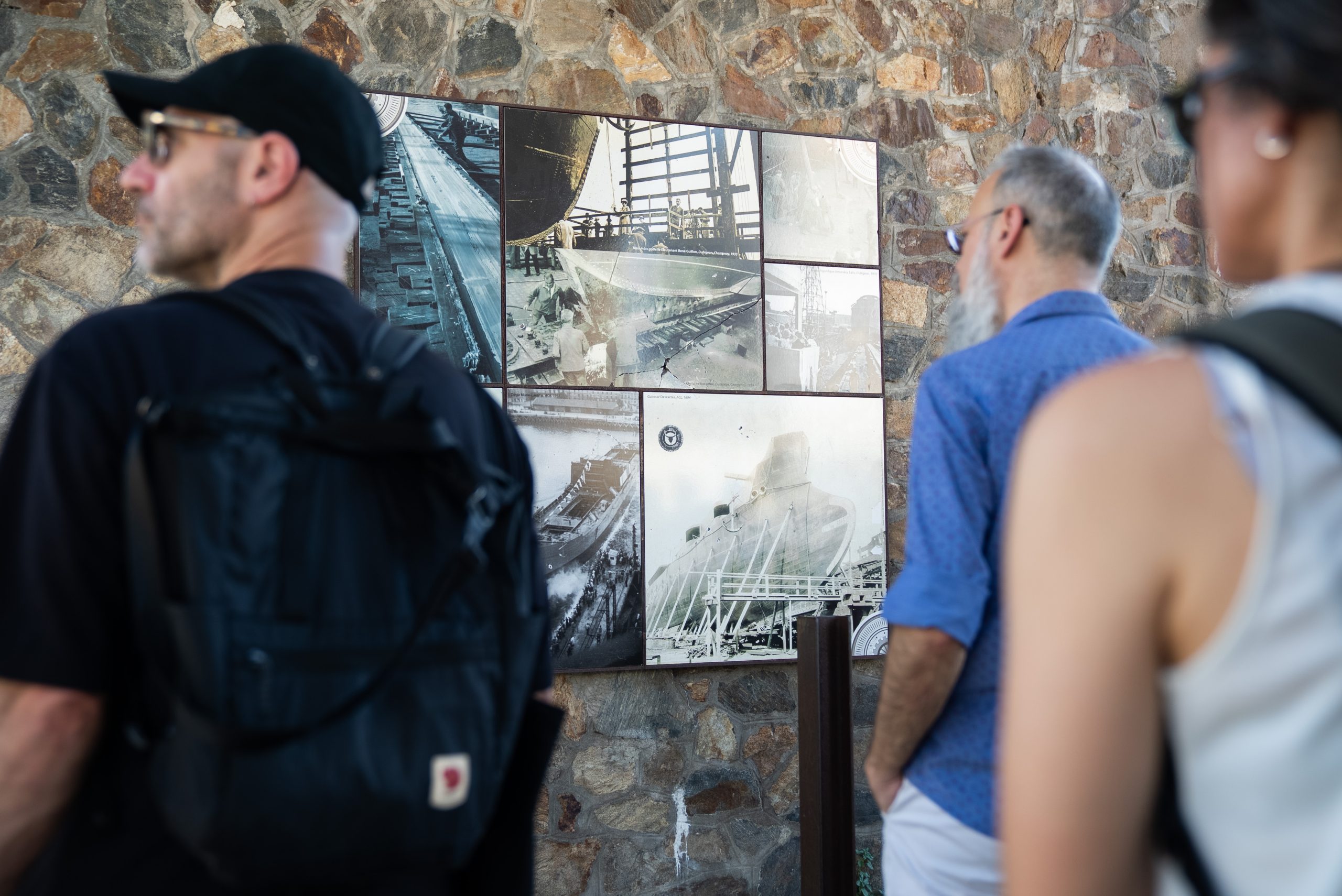
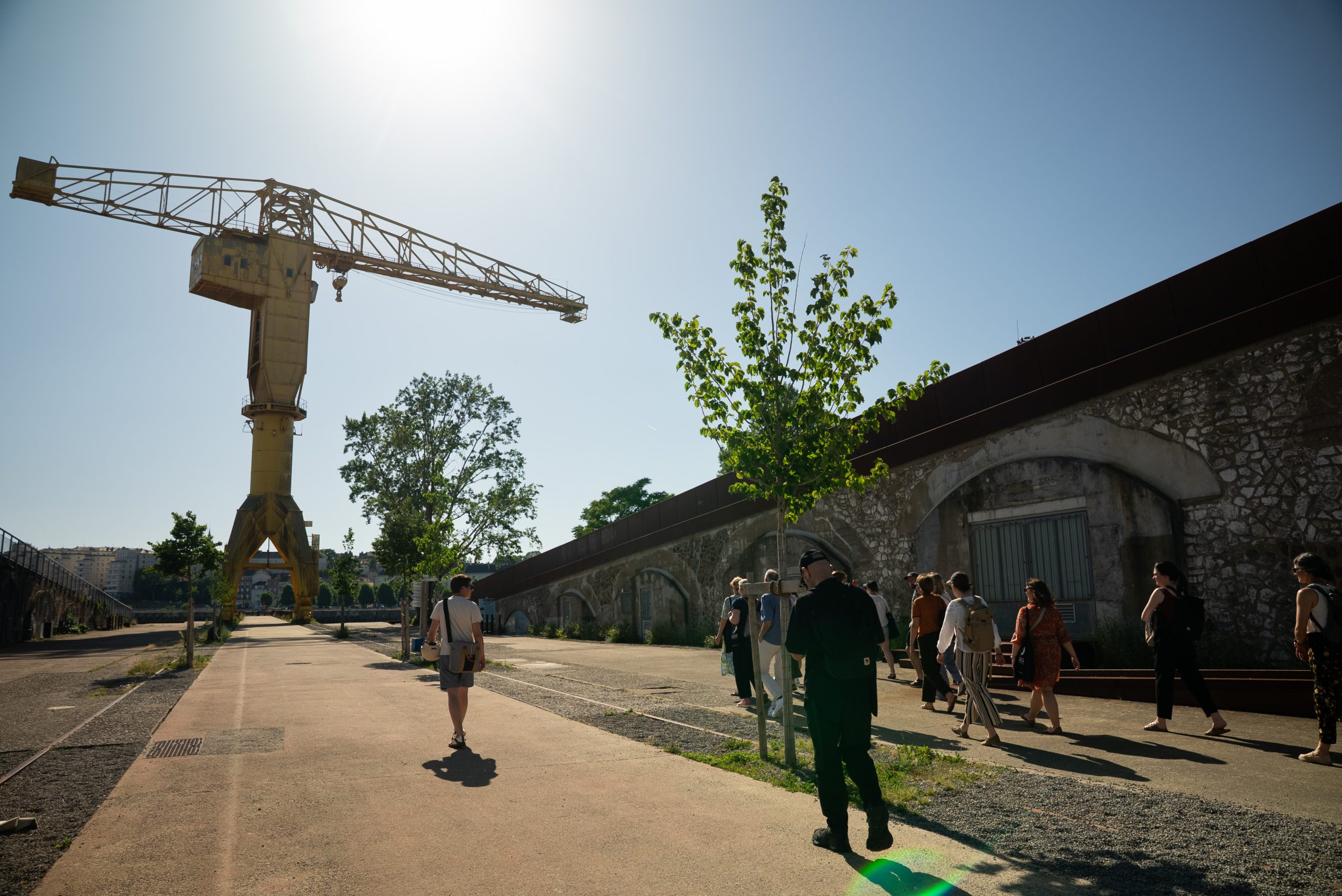
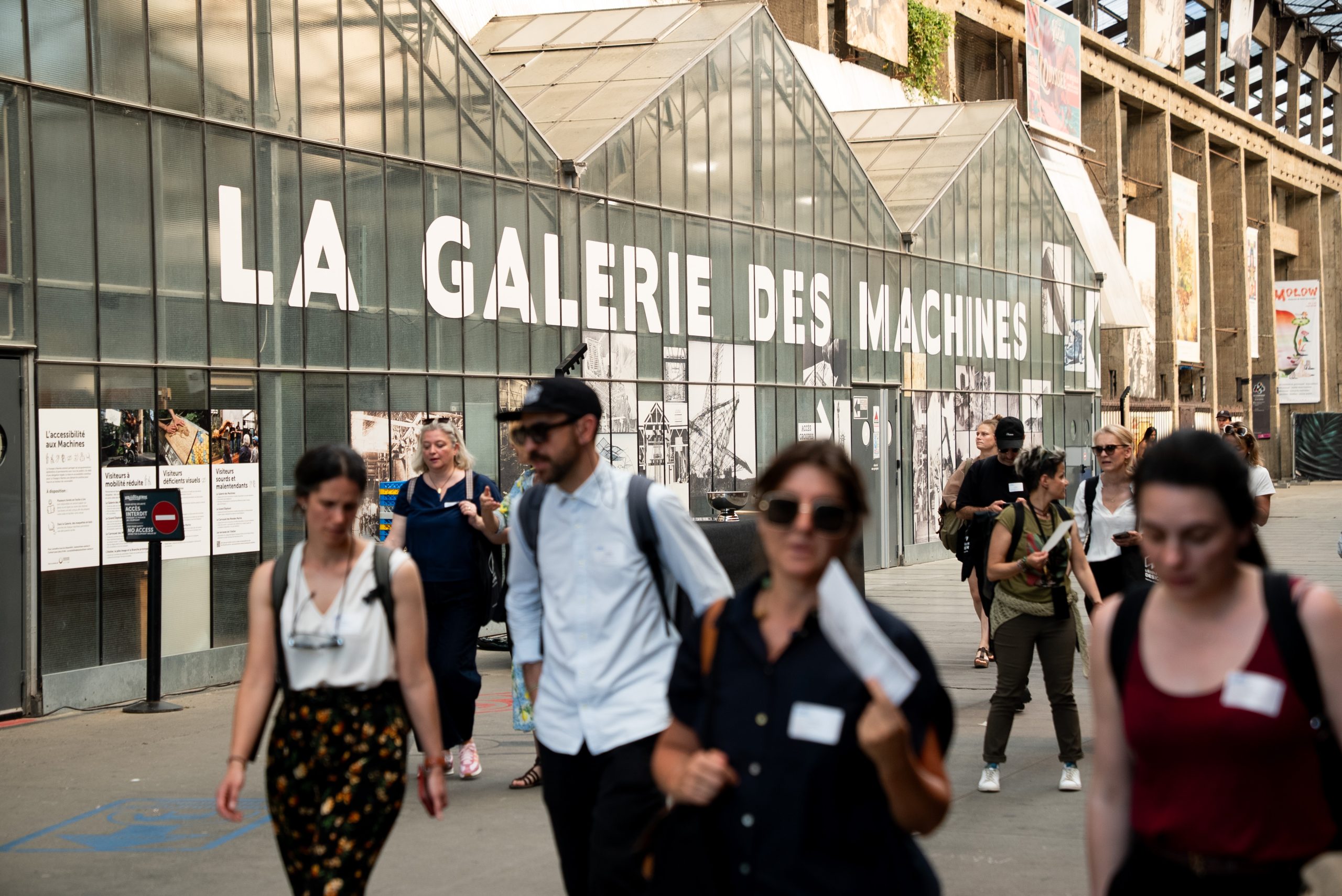
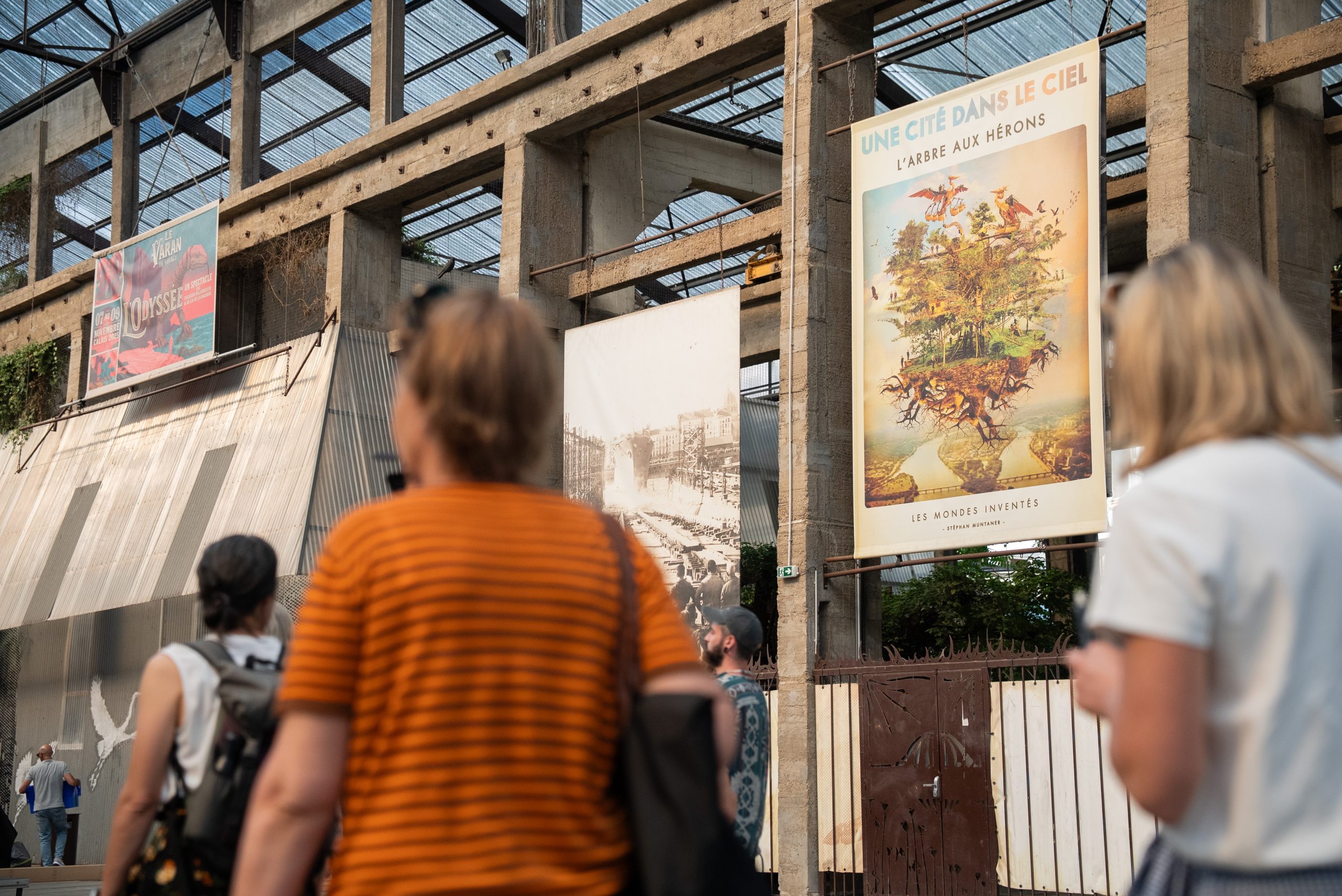
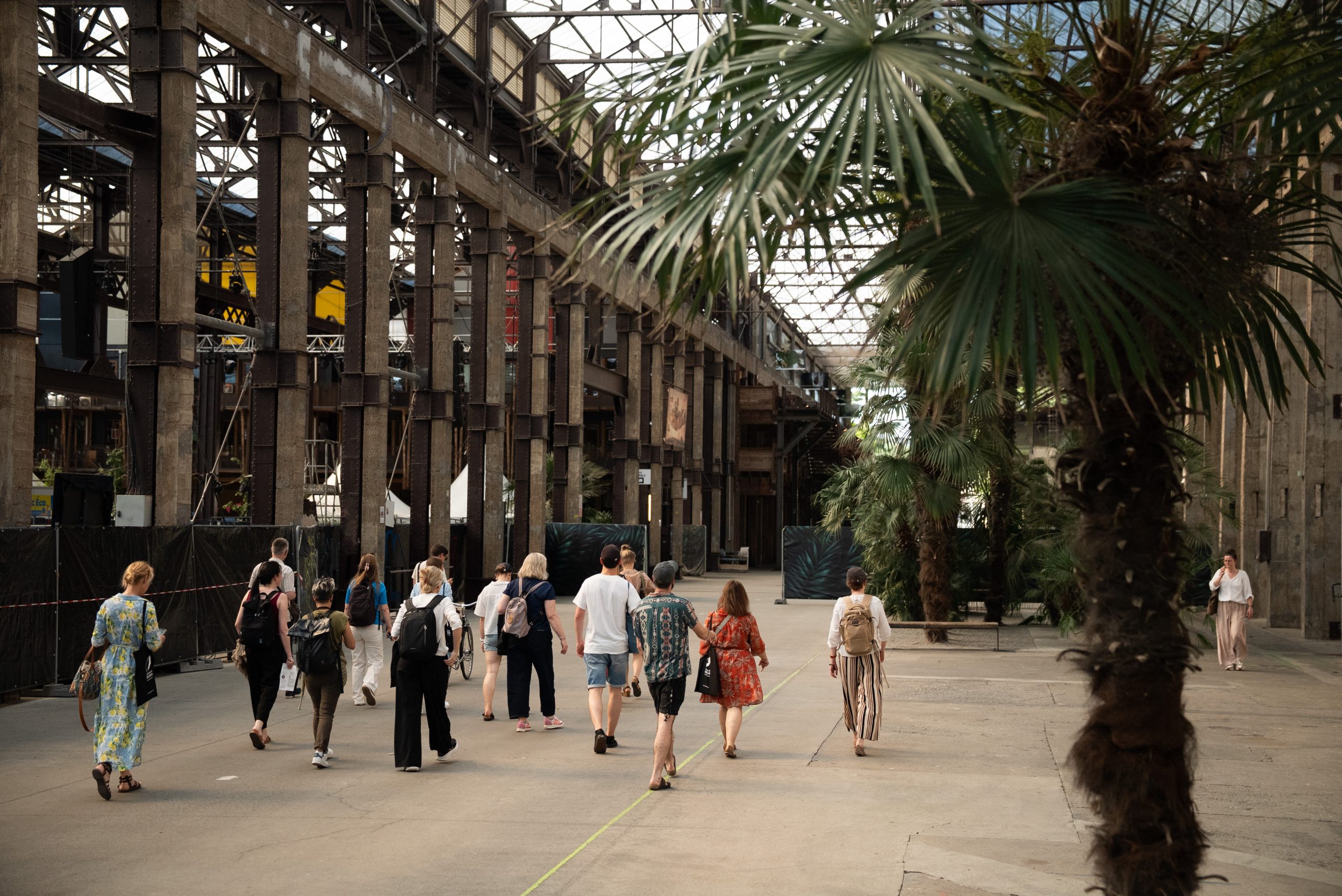
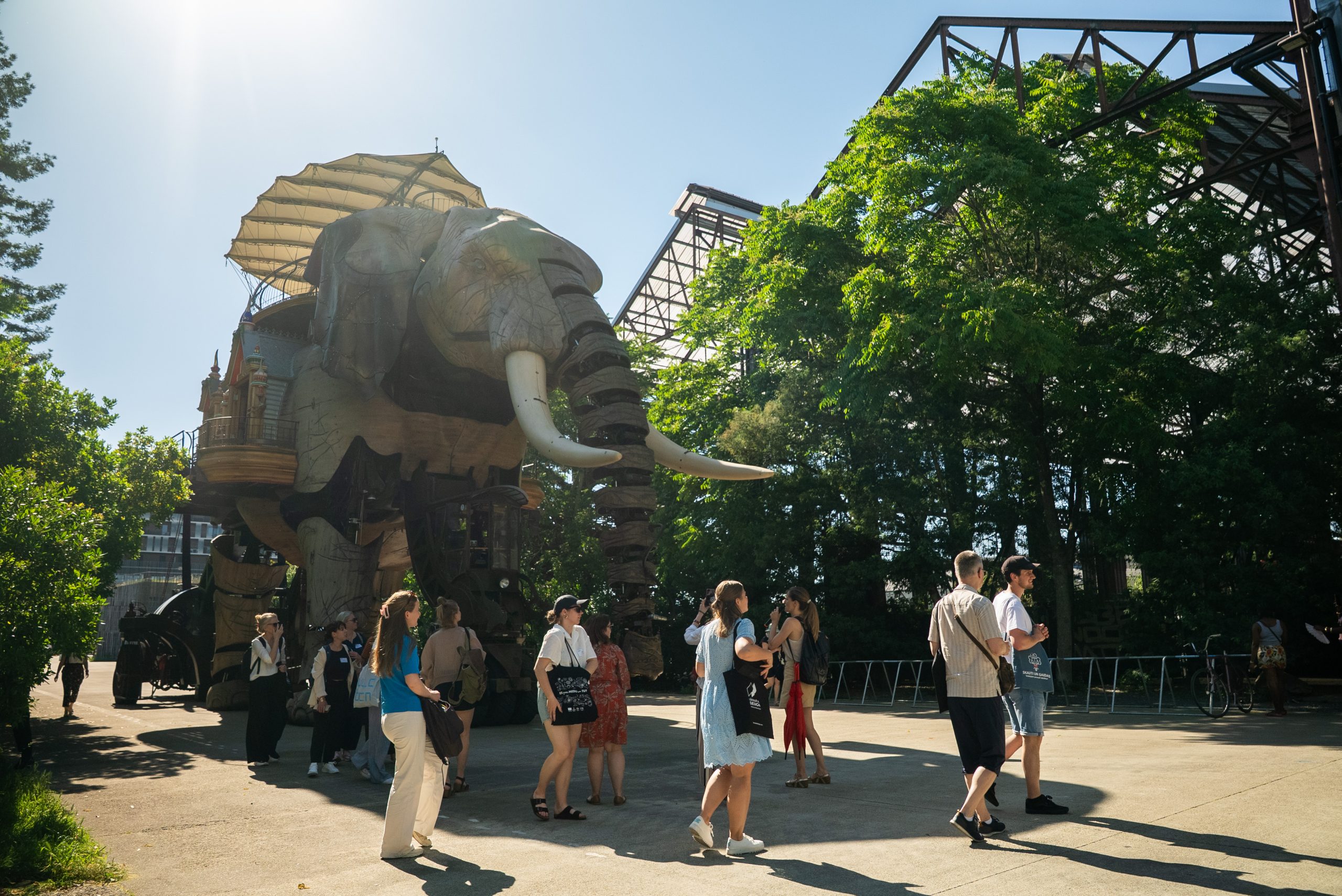
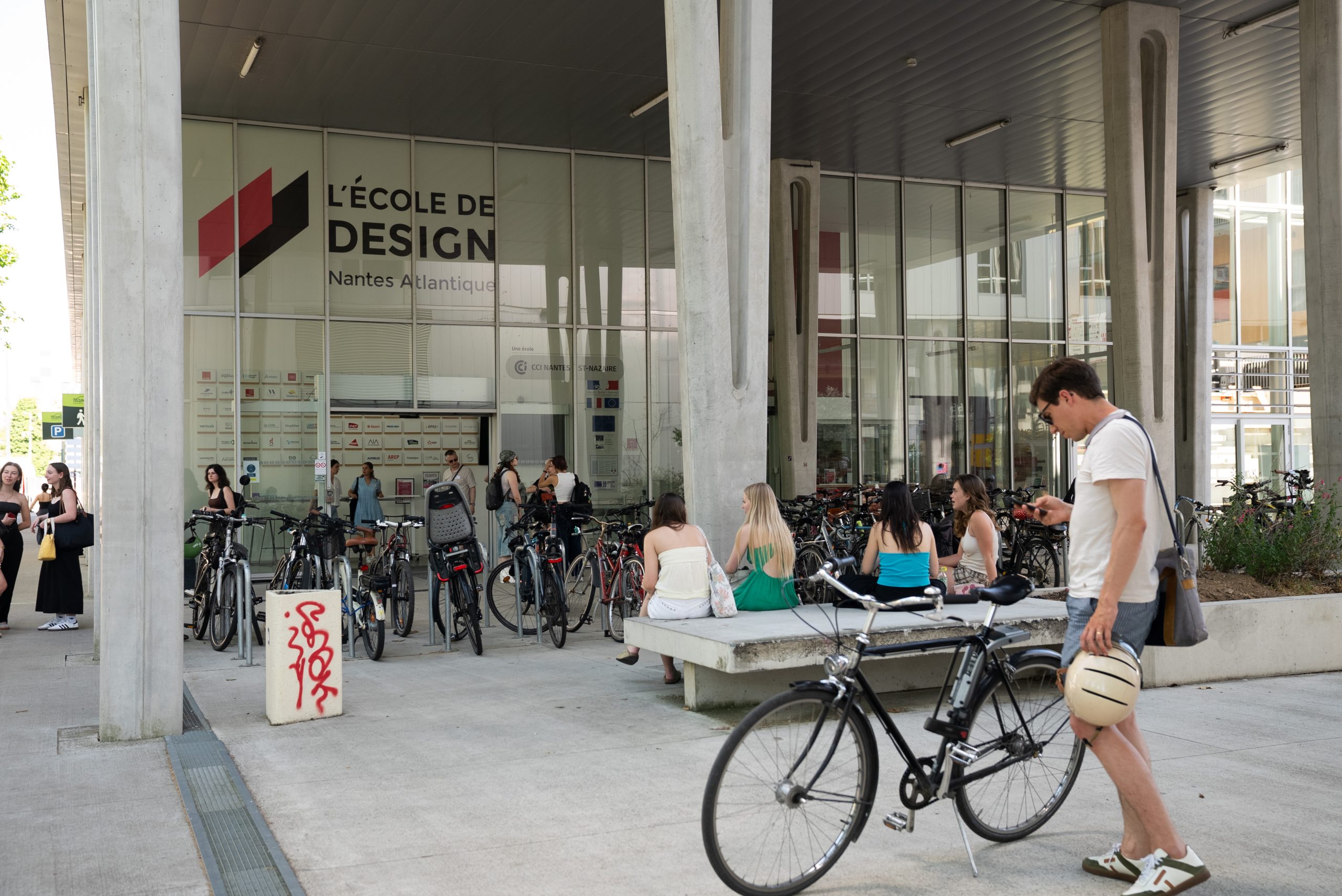
To gain practical insights into existing approaches, the programme included several study visits showcasing how design, innovation, and public participation are being applied to enhance the quality of living environments. Participants visited the Nantes Atlantique School of Design, where design thinking is used to address social and urban challenges, as well as a number of public space development projects that promote well-being, strengthen connections between people and their surroundings, and encourage more meaningful use of public spaces. The group also explored examples of industrial heritage regeneration and innovation hubs where academia, public authorities, and businesses successfully collaborate.
One of the most valuable aspects of the visit was the opportunity to learn about Nantes’ approach to using design as a tool for addressing social and community-related challenges. The experience demonstrated that design is not limited to aesthetics or urban beautification; it can also serve as a powerful instrument for public engagement and fostering a sense of belonging. Many of the examples highlighted the role of public spaces in encouraging social interaction, strengthening people’s connection with their environment, and improving everyday experiences. At the same time, the exchange prompted discussions on how similar approaches could be adapted to the context of the Vidzeme region, taking into account local community needs, lifestyles, and cultural characteristics.
One of the key conclusions was that meaningful and lasting territorial development begins not with infrastructure or technology, but with understanding and involving people. Nantes’ experience showed that the most successful solutions emerge when municipalities, businesses, researchers, and residents work together, while design thinking provides a framework for addressing development challenges through the lens of people’s everyday experiences.
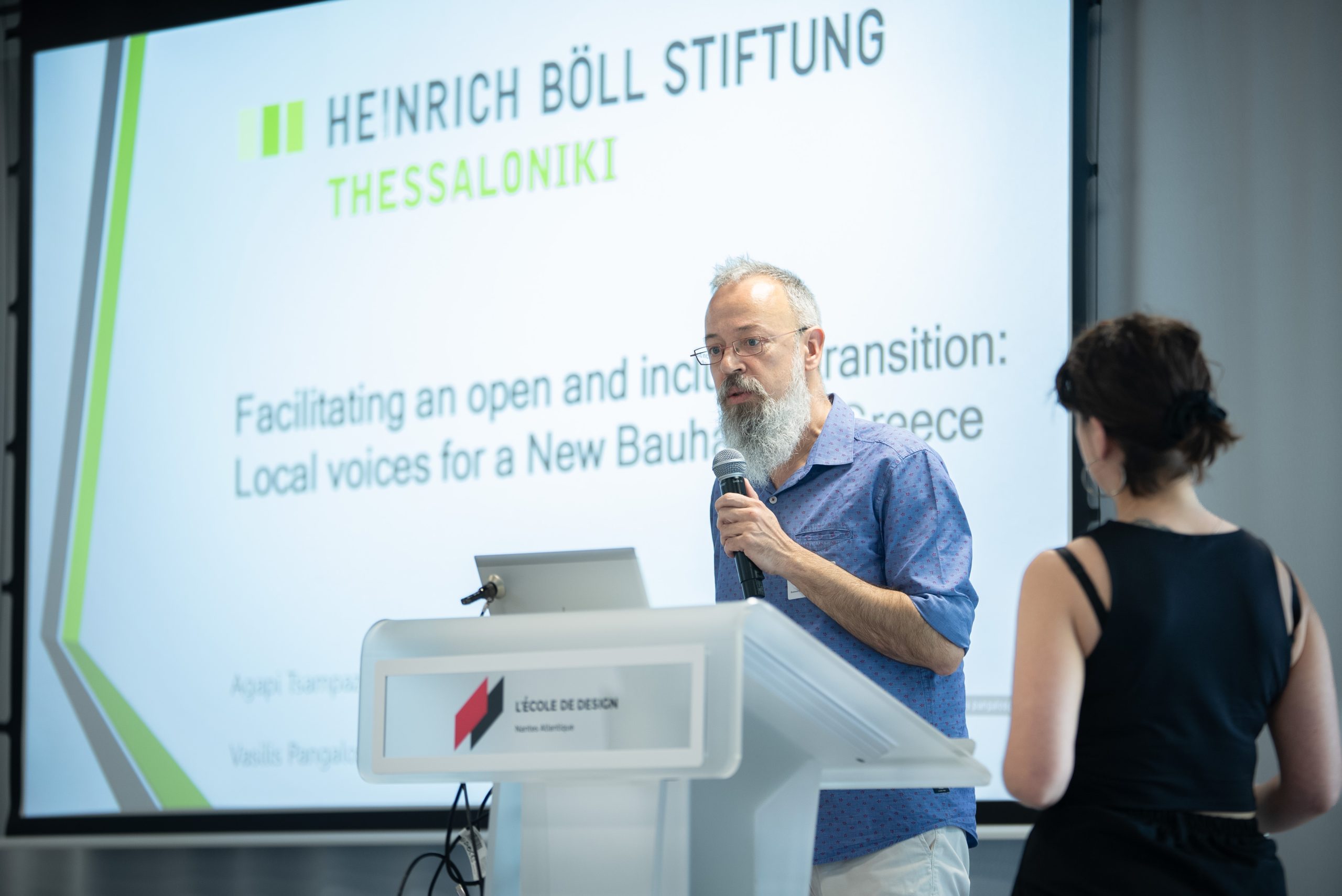
During the partner presentations session, participants reviewed several examples of good practice from across Europe, illustrating different approaches to creating sustainable and people-friendly living environments. The Vidzeme Planning Region presented its experience in promoting the principles of the New European Bauhaus in Latvia, emphasising the importance of translating these principles into practical, everyday actions.
Discussions also highlighted the need to make European-level goals and initiatives more understandable and relevant to local communities. In many cases, sustainability, climate action, and New European Bauhaus principles are already being implemented in practice, but they are not always recognised as part of broader development processes. Therefore, it is important to focus communication on the tangible benefits for people and places, rather than solely on policy concepts.
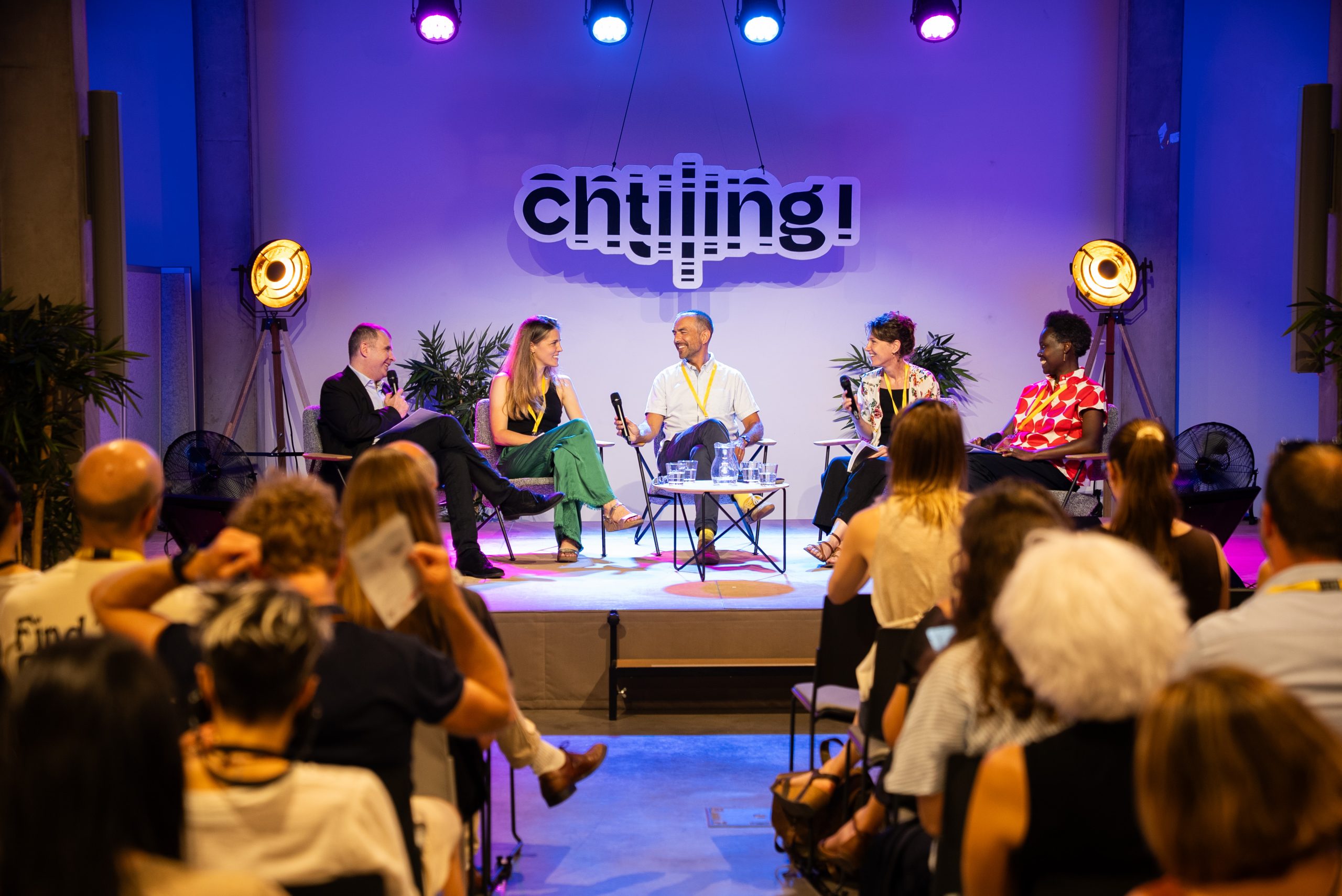
At the conclusion of the visit, project partners participated in the opening discussion of the creativity festival “Chtiiing! Nantes Creativity Days,” where the role of design, innovation, and creative industries in contemporary society was explored. During the project’s working session, partners reviewed progress achieved so far, discussed the next stages of implementation, and agreed on future joint activities.
The next PICOBELLO partner meeting will take place in the Vidzeme region from 29 September to 1 October, providing an opportunity for international partners to explore local experiences and examples of good practice from the region.
About the project
The project “PIloting COllaborative ways to BEtter Living LOcally” (PICOBELLO) is being implemented within the Interreg Europe 2021–2027 interregional cooperation programme. Its objective is to improve regional development policy instruments in the partner regions through a co-creative knowledge exchange process, exploring how European regions integrate the three core values of the New European Bauhaus into their development strategies: sustainability, aesthetics, and inclusion.
More information about the project: https://ej.uz/86jm
This publication has been produced with the financial support of the European Union. Its contents are the sole responsibility of the Vidzeme Planning Region and do not necessarily reflect the views of the European Union.