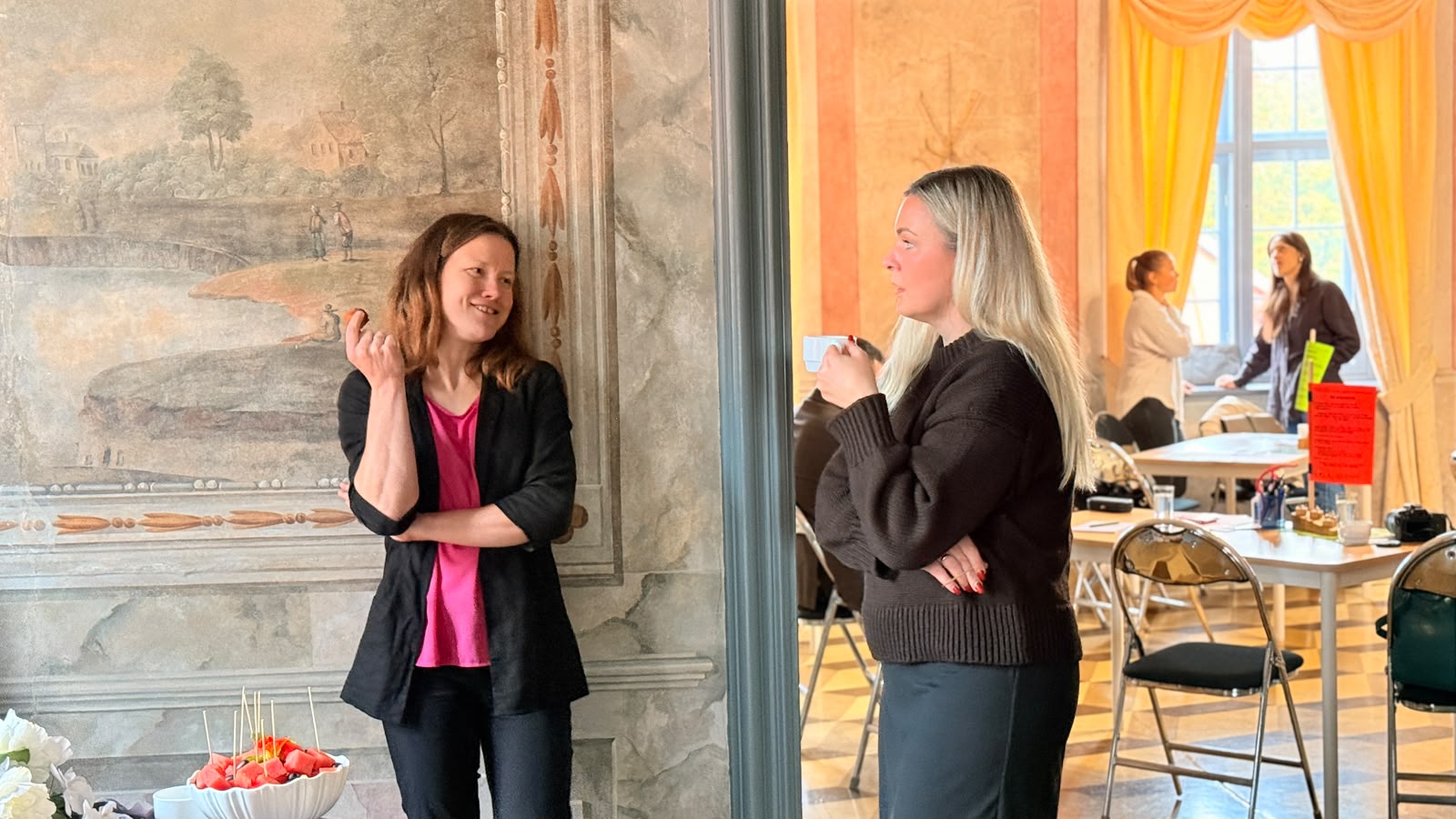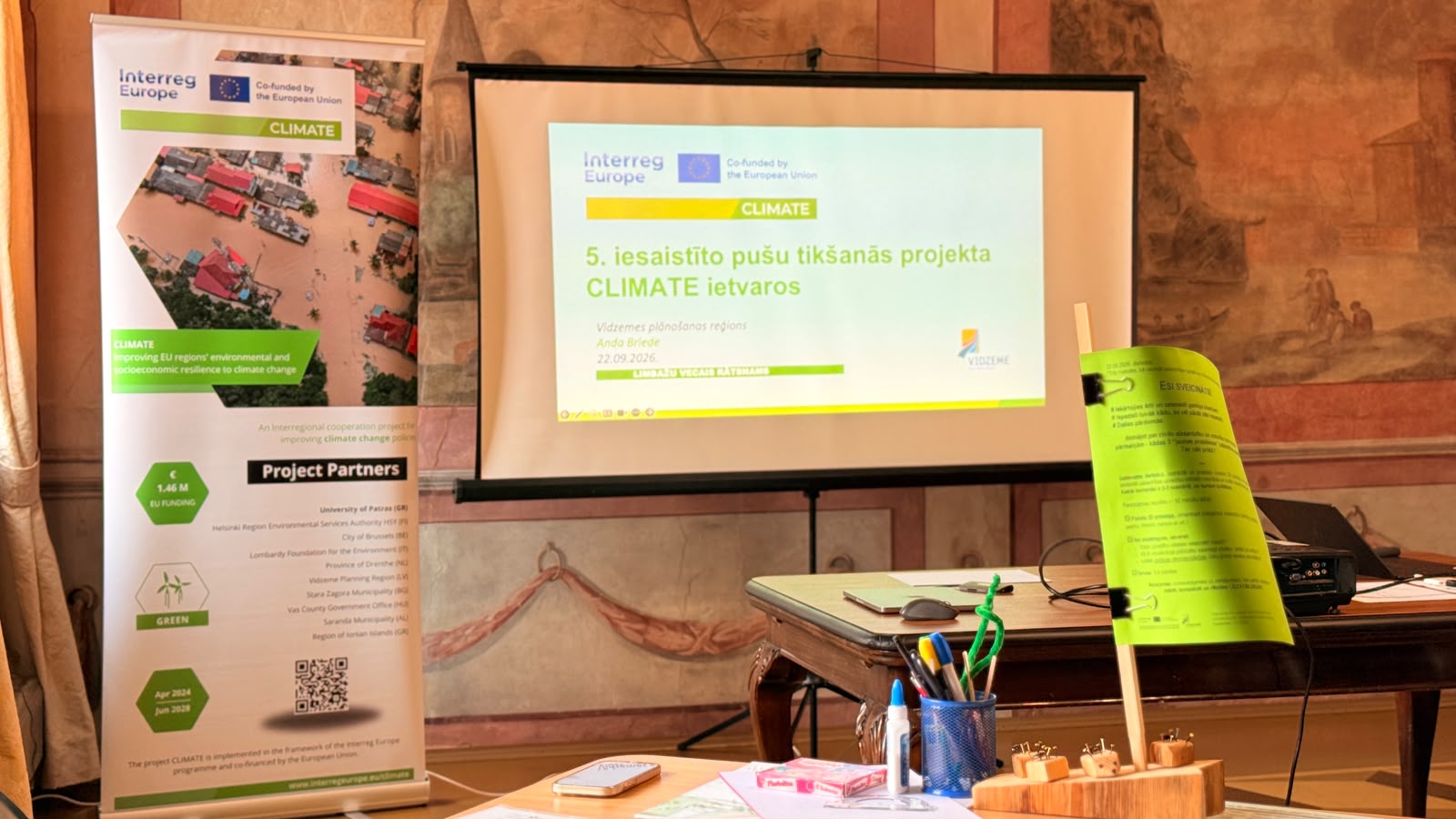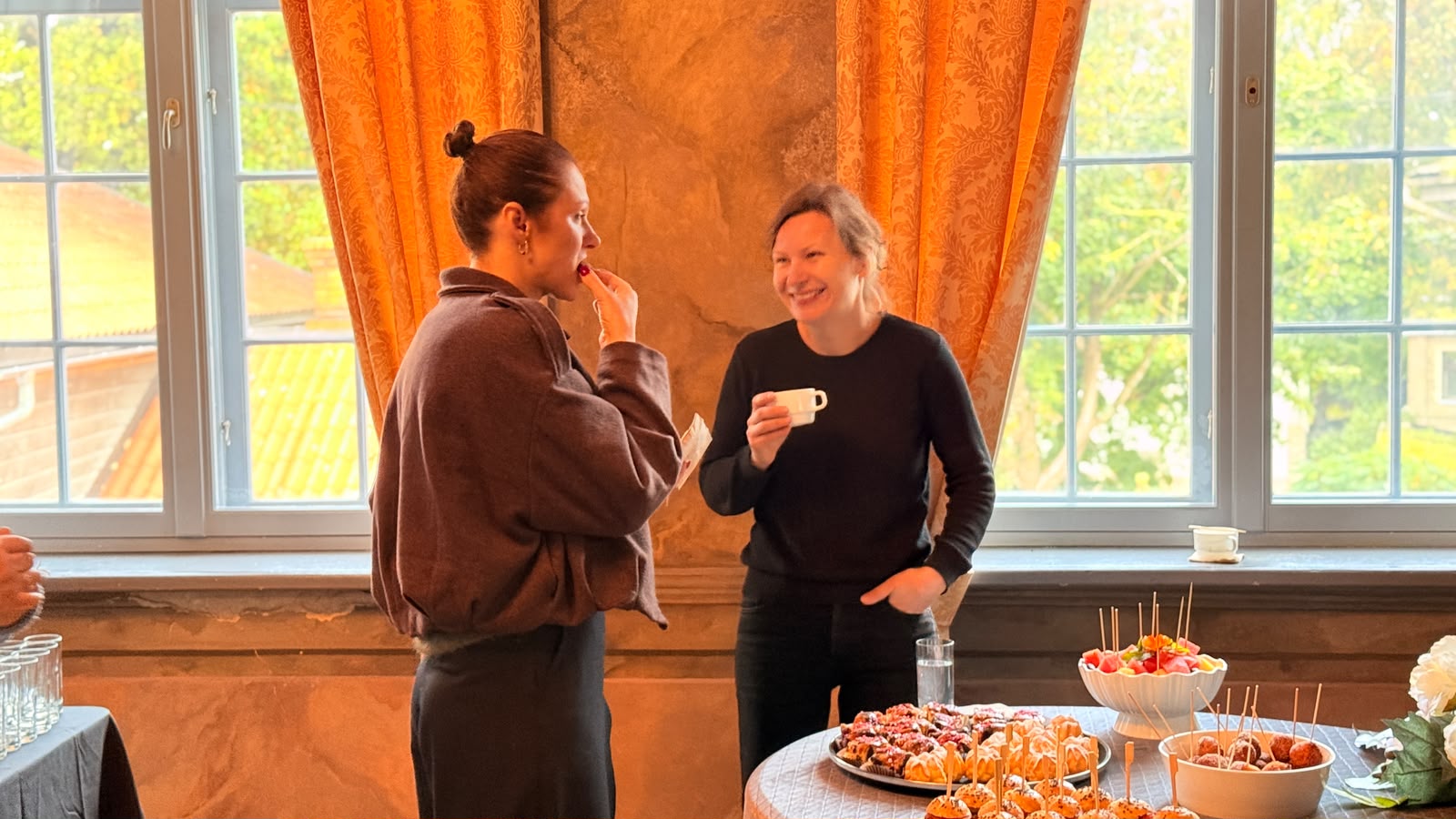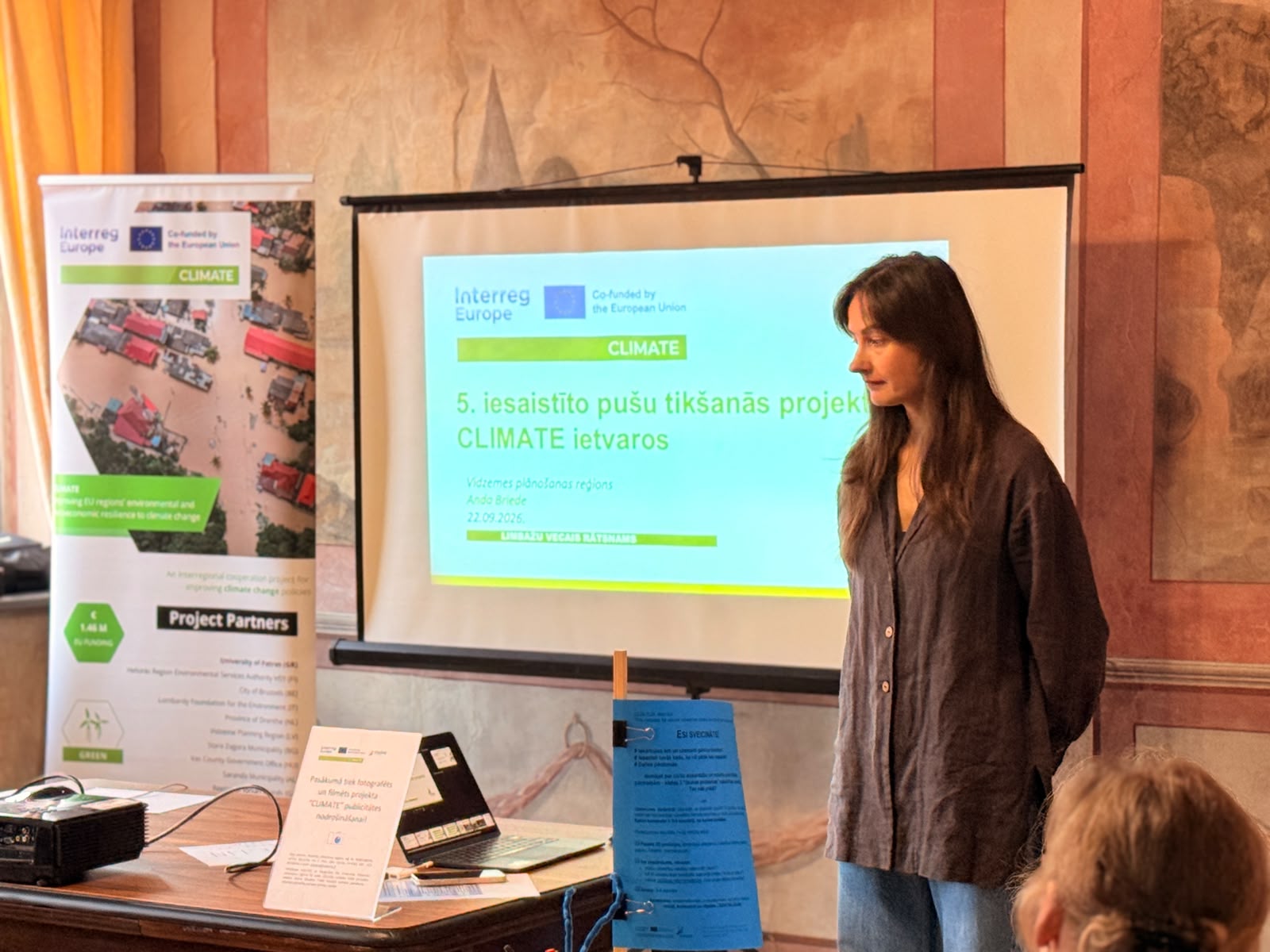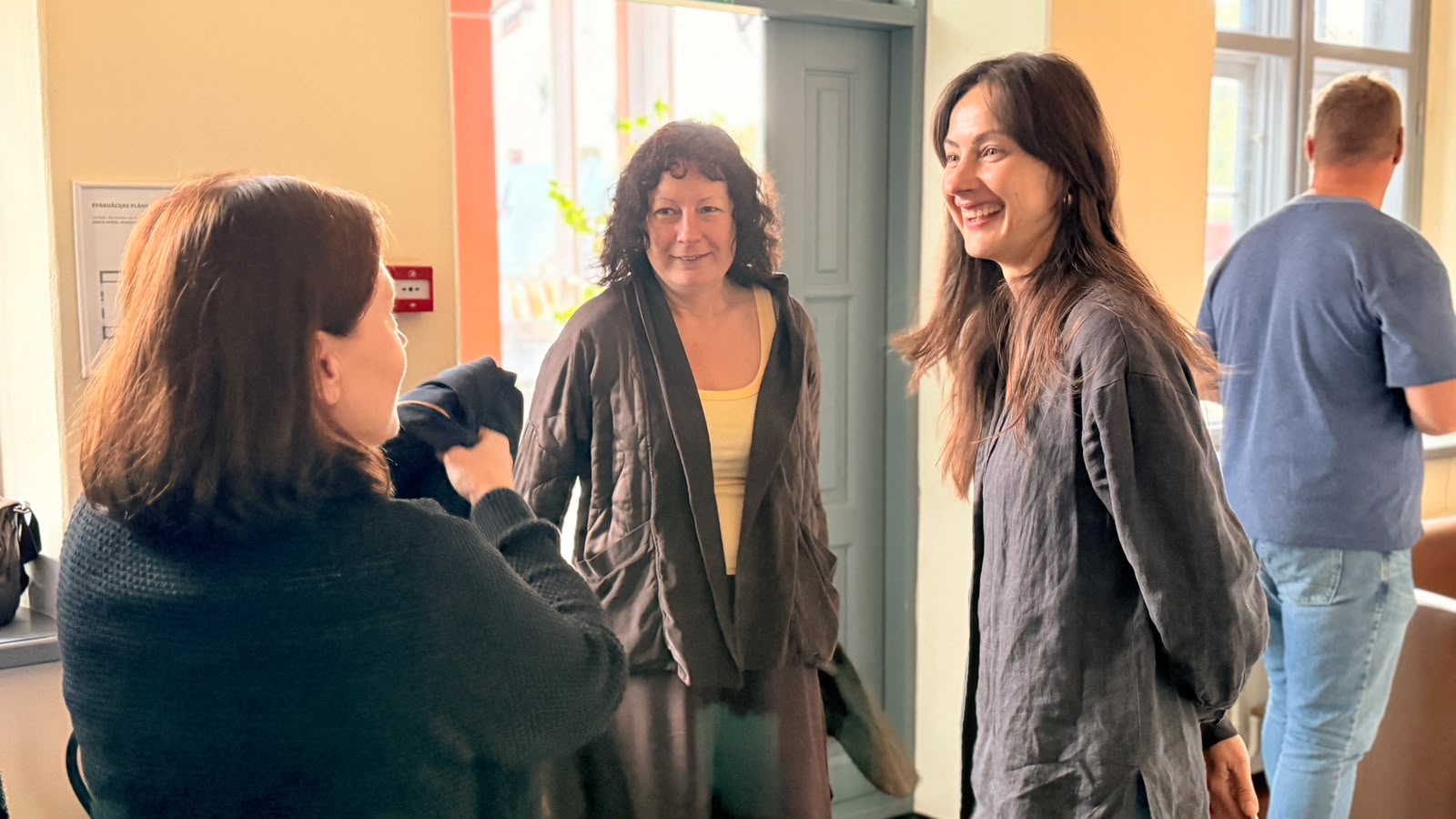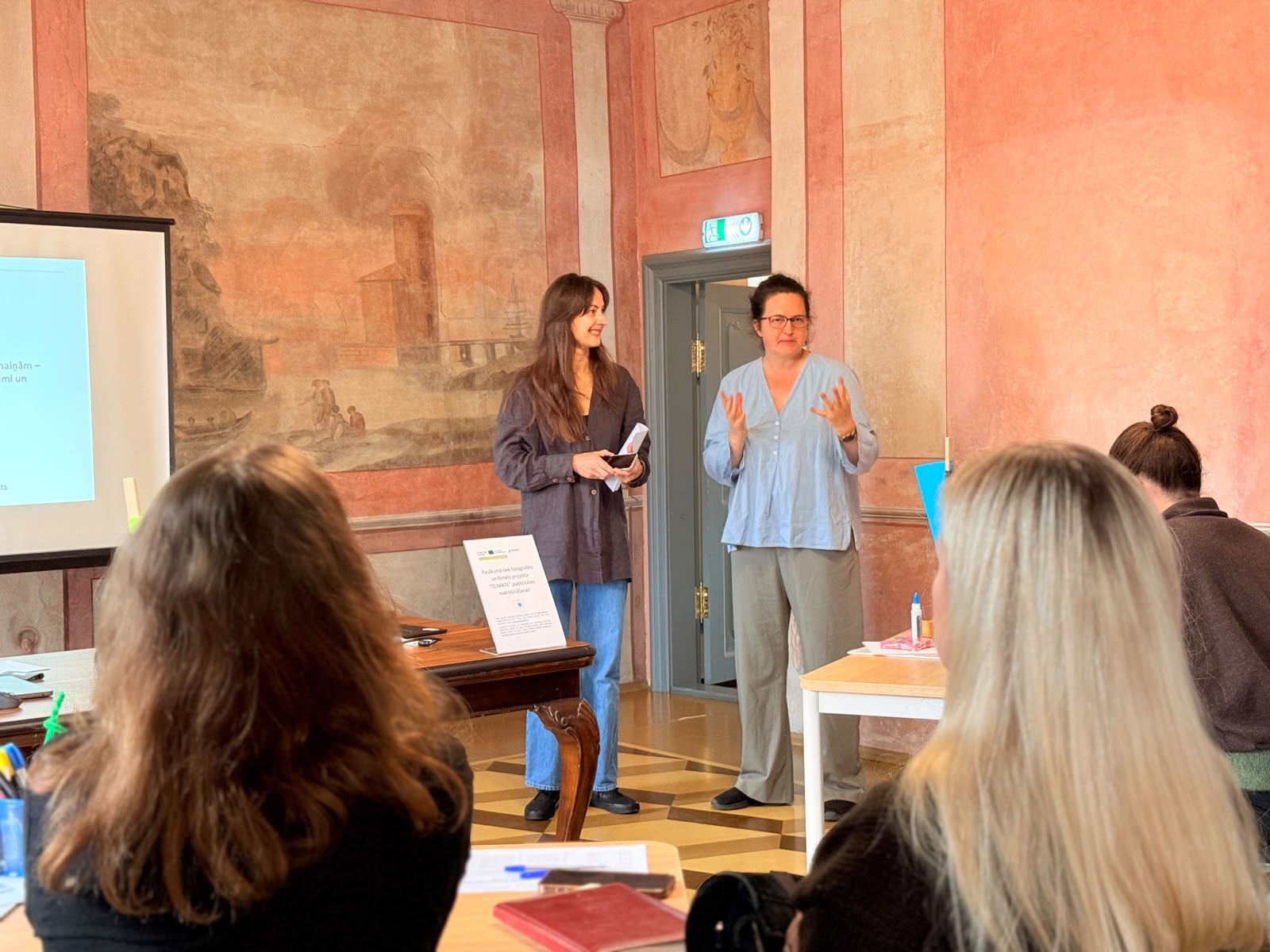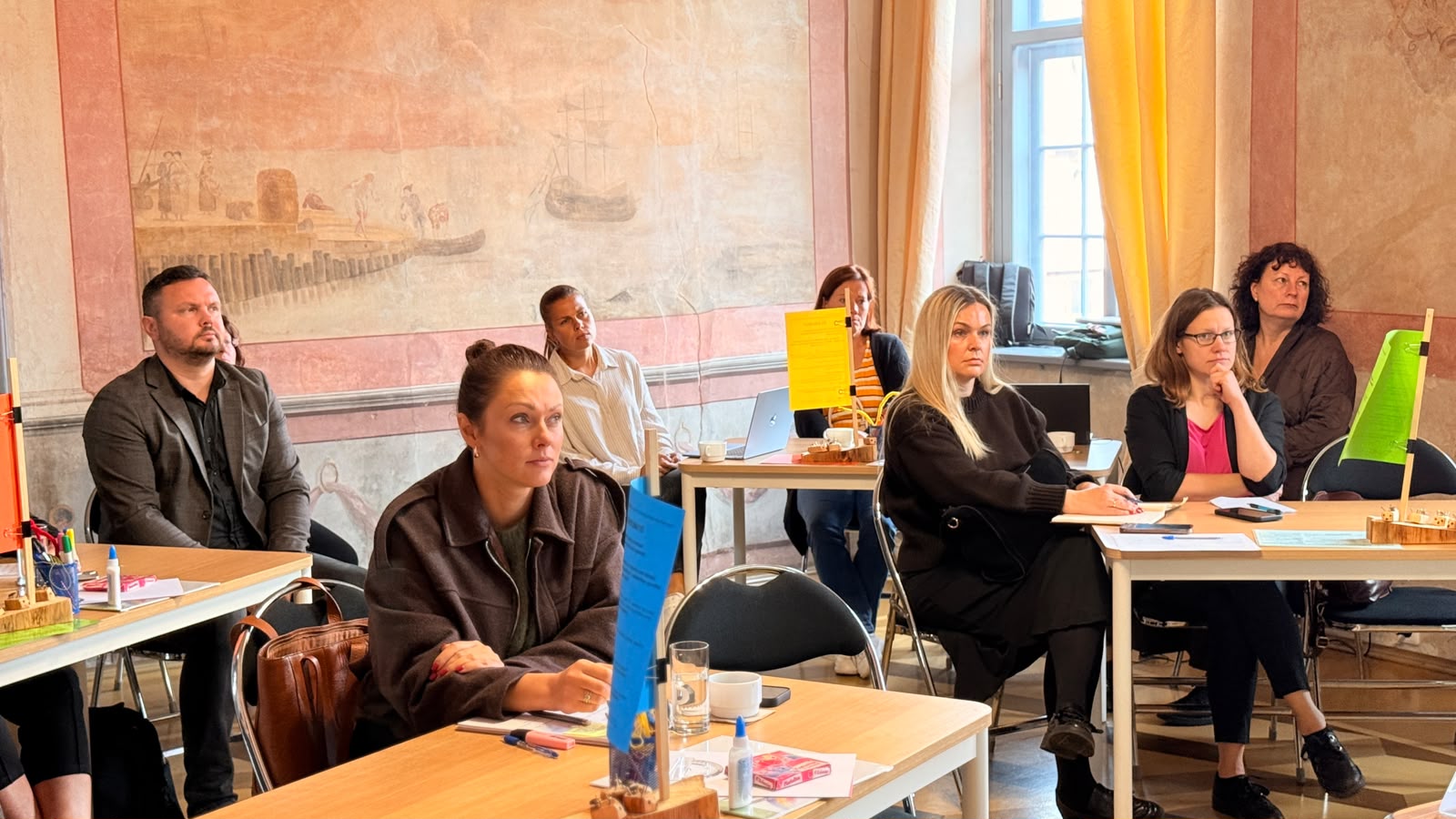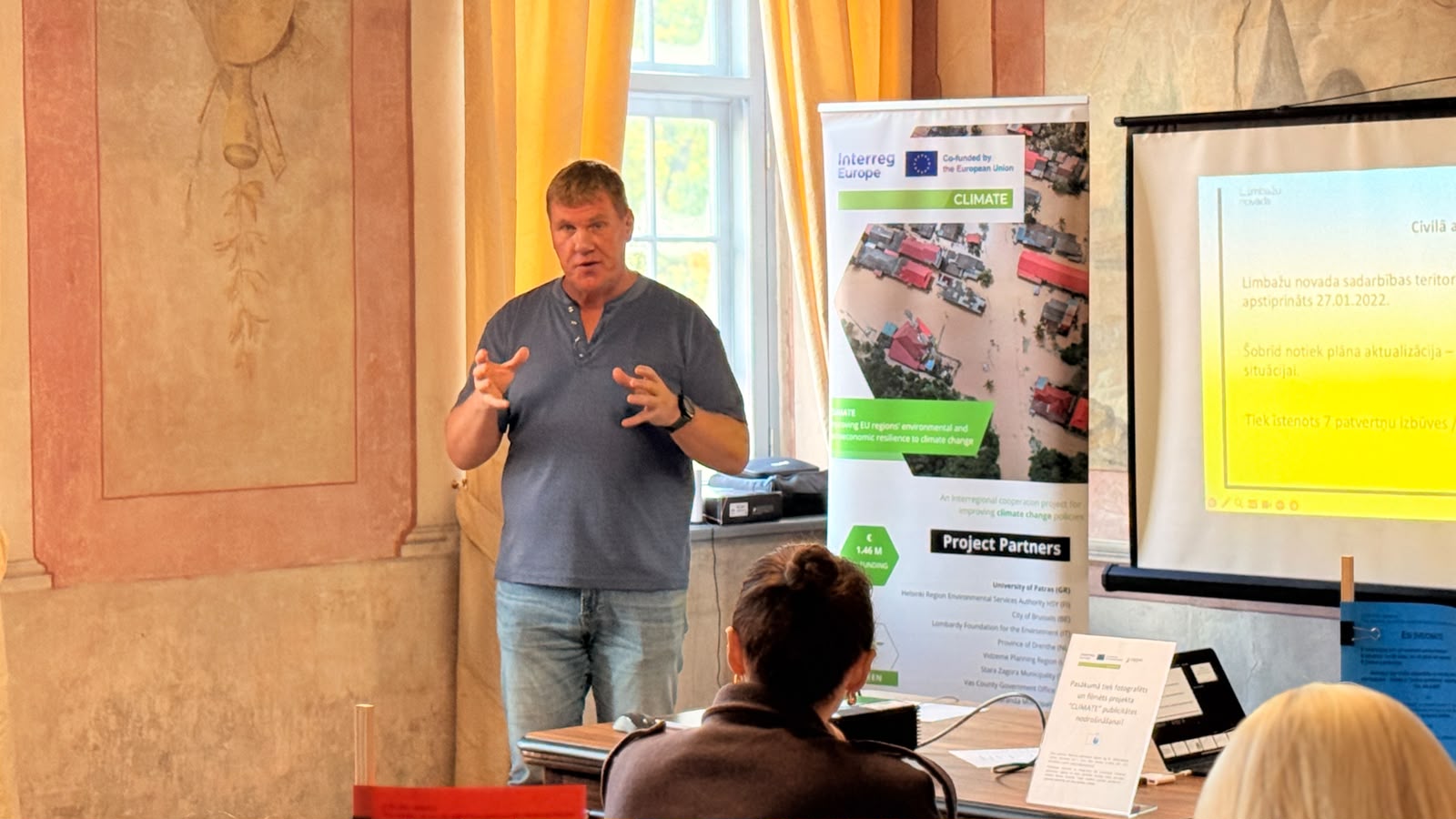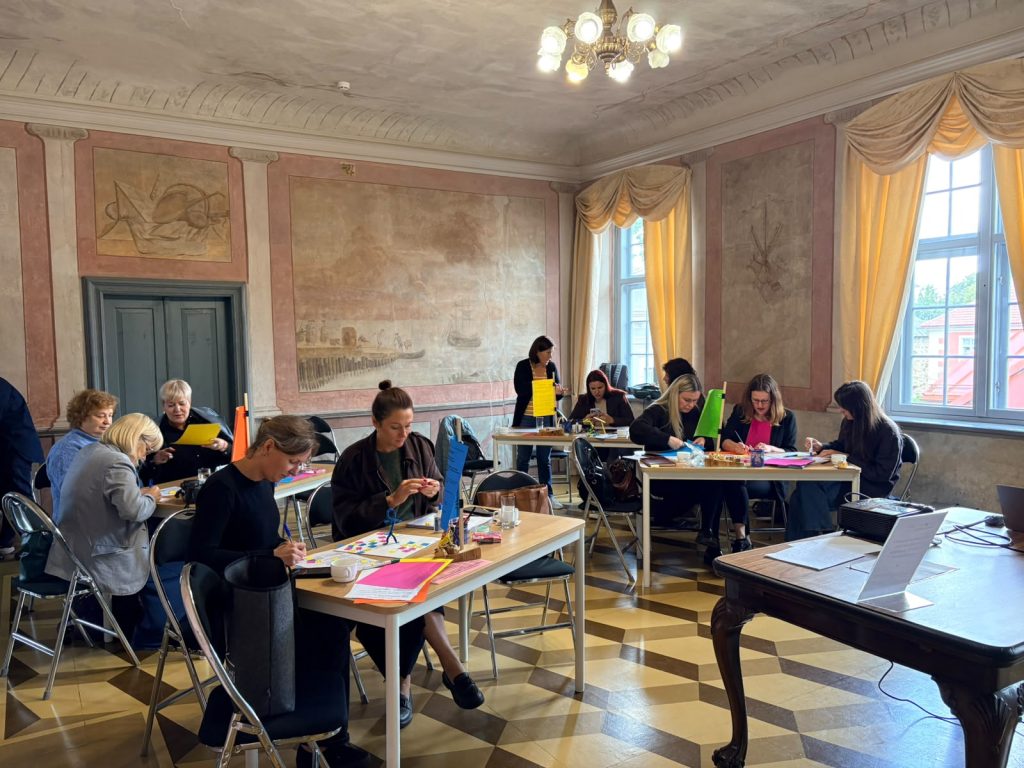
On 22 September, Vidzeme Planning Region brought together representatives of municipalities and other institutions in Limbaži for the fifth regional stakeholder meeting of the CLIMATE project, entitled “From Plans to Real Change: Climate Resilience and Public Engagement”. The discussions and practical activities focused on the preparedness of municipalities and residents for climate-related risks. A key conclusion was that plans and access to information alone are not enough unless knowledge is translated into concrete action.
Iveta Umule, Environmental Engineer at Limbaži Municipality, outlined the municipality’s current climate risks, highlighting the challenges arising from its coastal location. Storms, storm surges and coastal erosion, as well as heavy rainfall, localised flooding and increased pressure on drainage and wastewater systems, already require adaptation measures. In the future, greater attention will also need to be paid to heatwaves and other extreme weather events.
The municipality’s priorities include restoring and adapting drainage systems, improving stormwater management, developing green spaces and ensuring access to drinking water in public areas. Nature-based solutions are also being explored to reduce coastal erosion. The discussion also addressed the use of permeable surfaces, emphasising the need to increasingly integrate climate adaptation principles into everyday decisions concerning public spaces and infrastructure development.
People and Cooperation Play a Key Role in Preparedness
Dainis Siliņš, Civil Protection Specialist at Limbaži Municipality, emphasised that even a detailed civil protection plan does not, in itself, guarantee an effective response in a crisis. It is essential that everyone involved understands their responsibilities, available resources and the sequence of actions to be taken well in advance.
Continuity of knowledge is particularly important. Crisis management cannot depend on a single specialist. There must be other people who can take over responsibilities when necessary and know how to respond. One of the most effective ways to test preparedness is through practical exercises that simulate potential crisis situations. These exercises help identify weaknesses in advance, such as how quickly generators, transport, accommodation or food can be provided, and enable stakeholders to establish cooperation arrangements before an actual crisis occurs.
“A 72-hour emergency kit does not always have to be a bag. A fully charged phone and a car with a full tank of fuel are also investments in preparedness,” Dainis Siliņš emphasised, pointing out that individual preparedness begins with simple everyday actions.
During the discussion, representatives of Limbaži and Saulkrasti municipalities shared their experiences of communicating with residents during the August storm. In addition to sharing information through social media, direct communication and WhatsApp groups played an important role, helping municipalities both distribute information quickly and receive updates about local conditions and residents’ needs in specific areas.
Information Must Lead to Action
Vita Brakovska, Lecturer at the Institute of Environmental Protection and Heat Systems at Riga Technical University and Head of the ZINIS Association, encouraged participants to take a systemic approach to climate resilience. This means looking beyond individual problems to understand their underlying causes, interconnections and potential long-term impacts. A relatively simple problem that is not addressed in time can become considerably more complex and require significantly greater resources.
At the same time, climate resilience is not solely the responsibility of municipalities and emergency services. Preparedness also begins at the household and family level, through developing habits and regularly considering how to respond in the event of a crisis.
“Motivation often appears only after something has already happened. That is why we need to work not only on motivation but also on discipline – developing habits and making preparedness part of our everyday lives,” Vita Brakovska emphasised.
She also highlighted the importance of communication. Access to information does not automatically mean that people know how to act. An excessive amount of information can even have the opposite effect. It is therefore essential to consider what to communicate, to whom and how, adapting information to specific target audiences and linking it to practical action.
Equally important is highlighting positive examples from other people, gradually establishing new social norms in which preventive action becomes a natural part of community life.
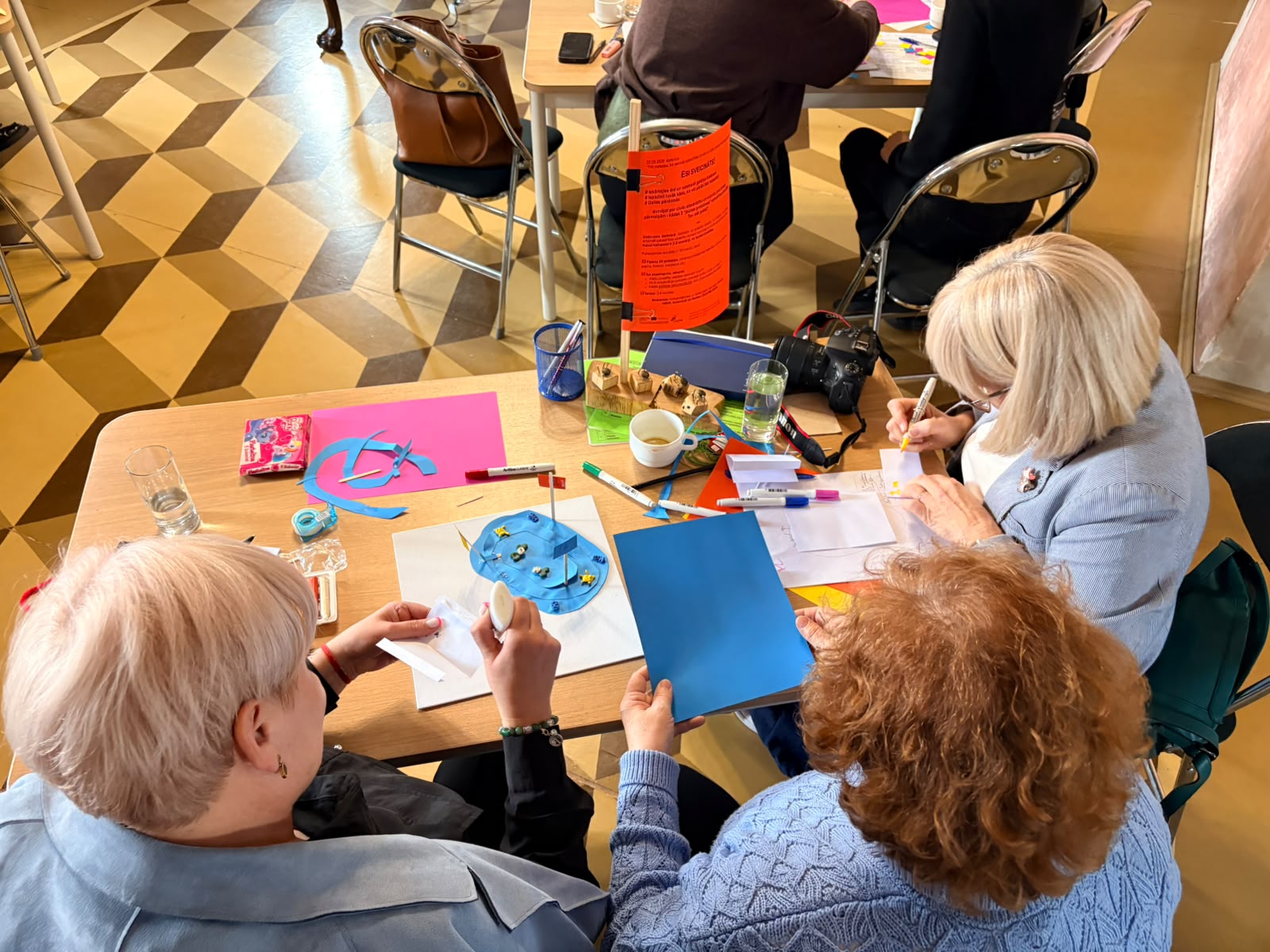
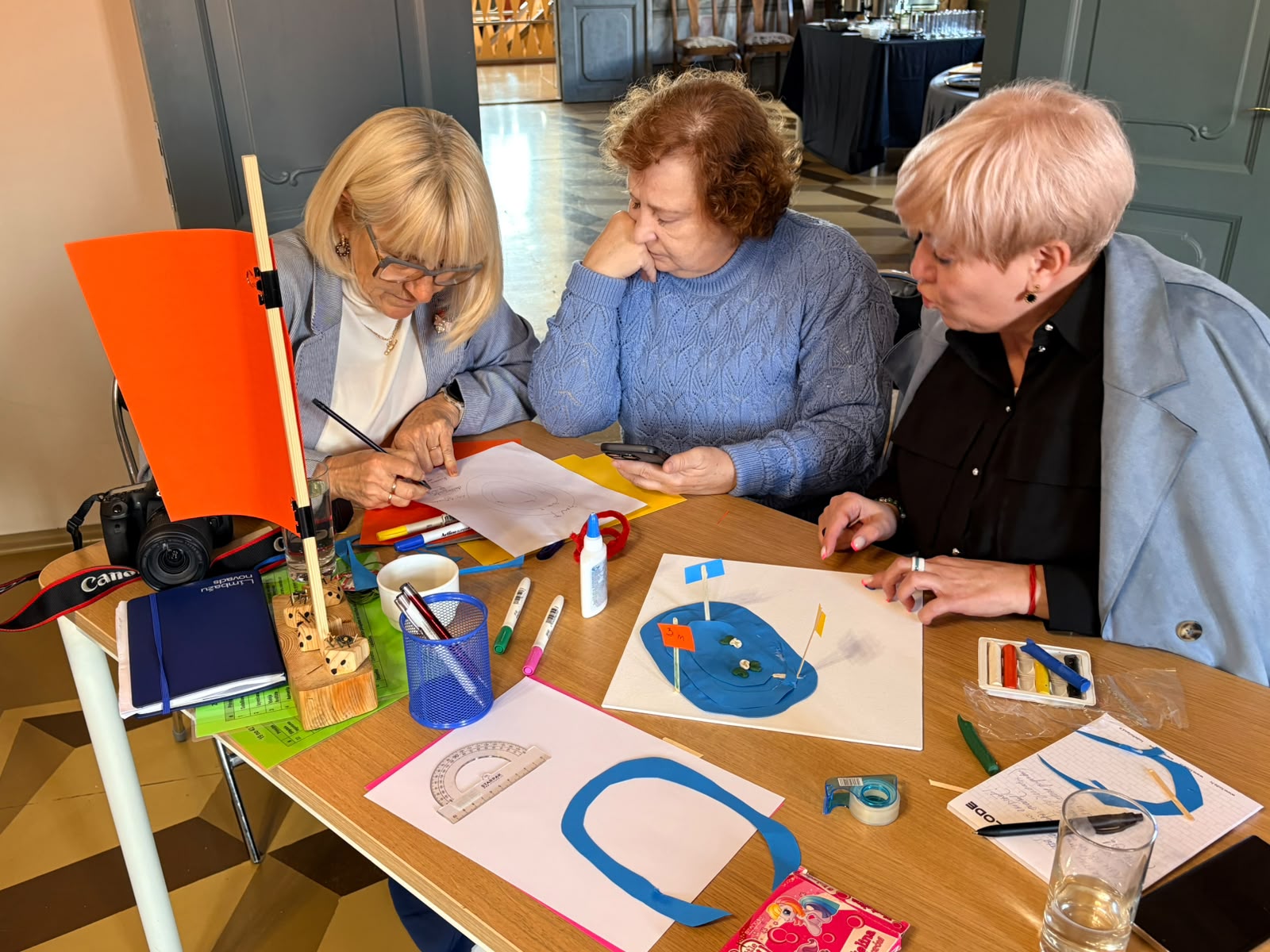
During the practical part of the meeting, participants worked in four groups to develop concrete proposals for putting these insights into practice.
One group focused on access to reliable information during a crisis, concluding that people need clear answers to three essential questions: What has happened? What should I do? Where can I find reliable information?
Another group proposed integrating the 72-hour preparedness principle more closely into everyday life. For example, in cooperation with retailers, reminders could be displayed in shops about essential supplies that every household should have, including drinking water, batteries, matches, non-perishable food and other necessities. This approach would encourage people to build up their emergency supplies gradually and systematically rather than waiting until a crisis occurs.
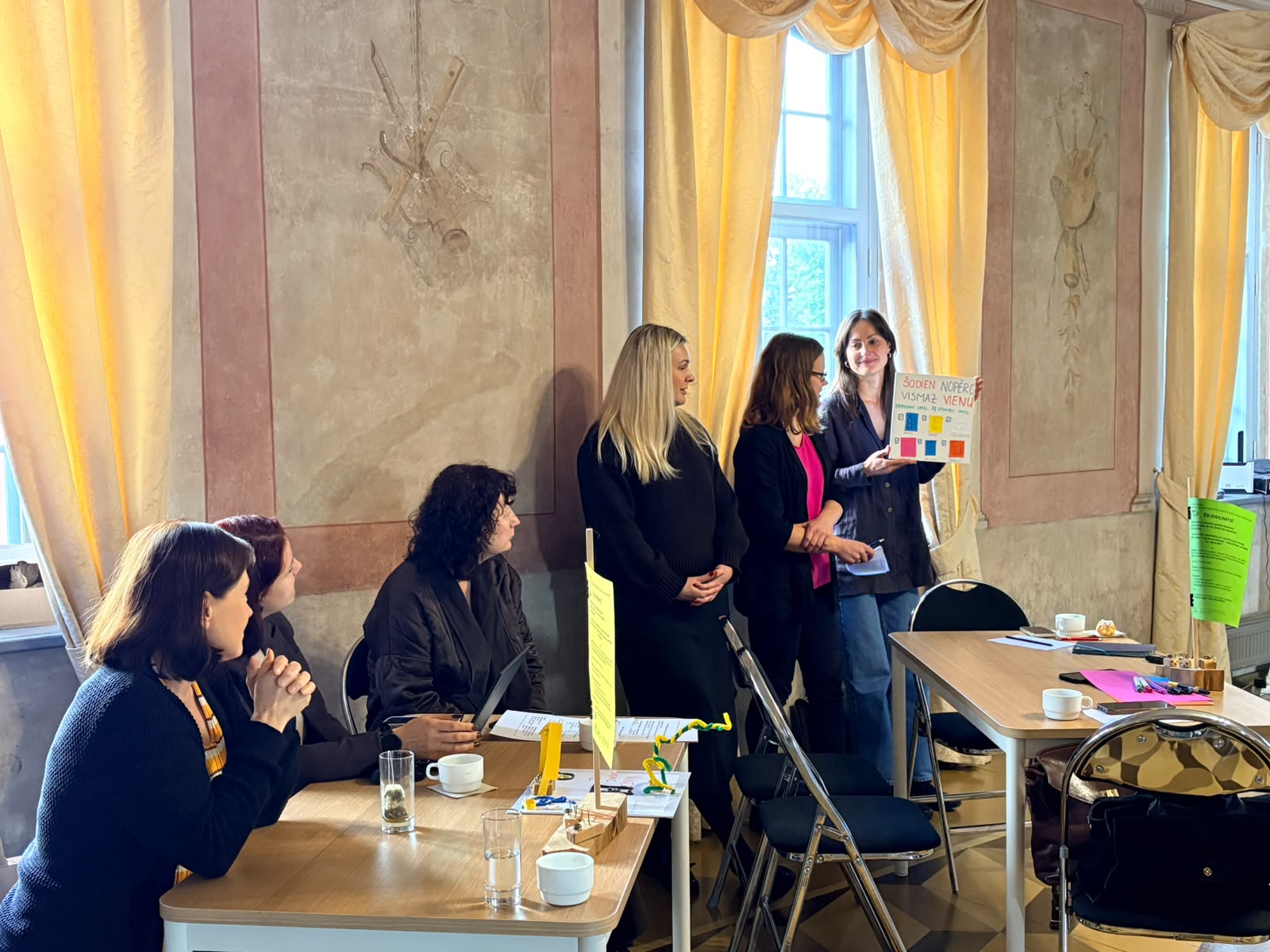
Youth engagement was identified as another potential solution. Participants proposed teaching a simple response model in schools: five practical steps that each young person would then share with three other people, such as a family member, friend or neighbour.
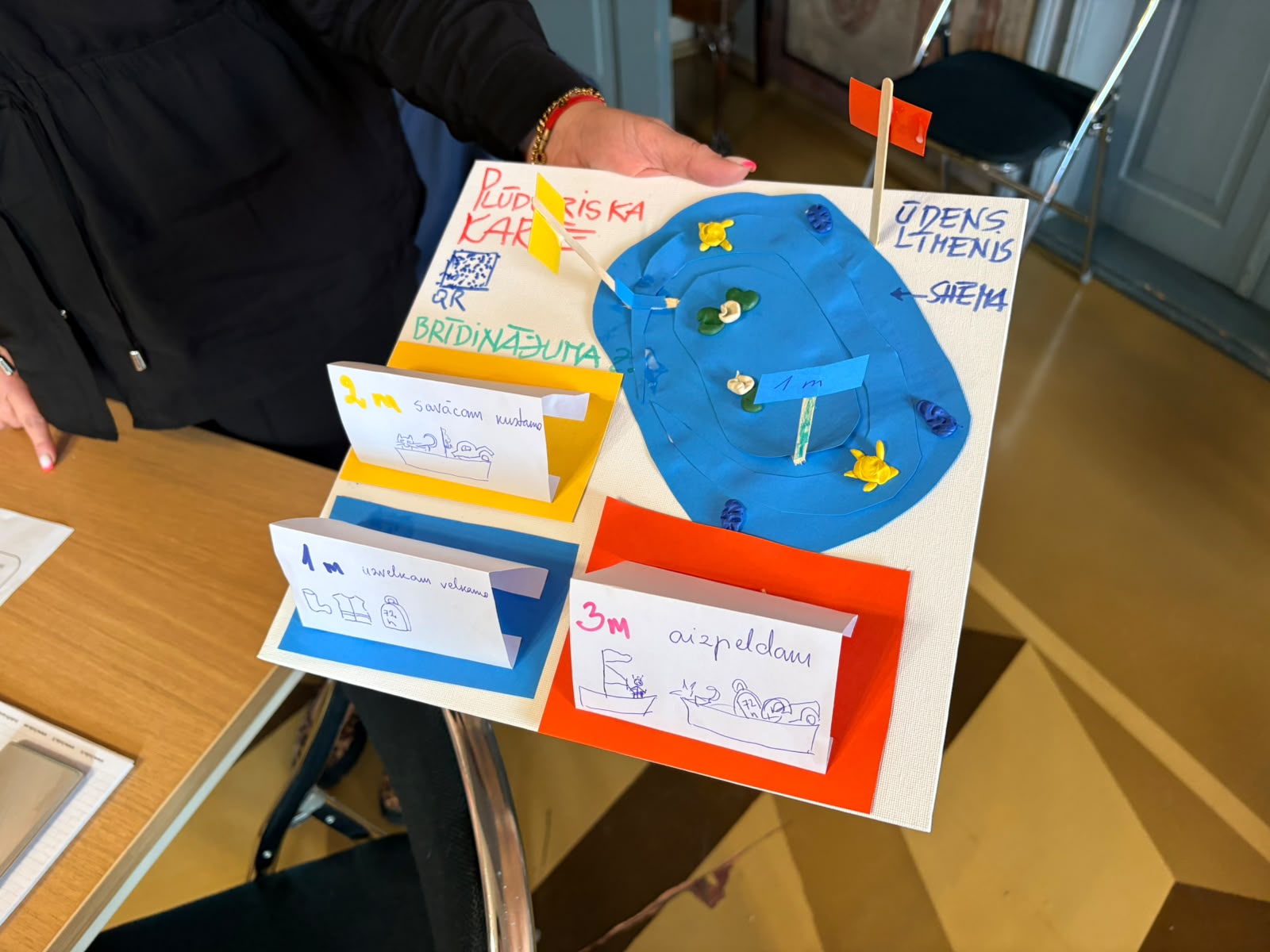
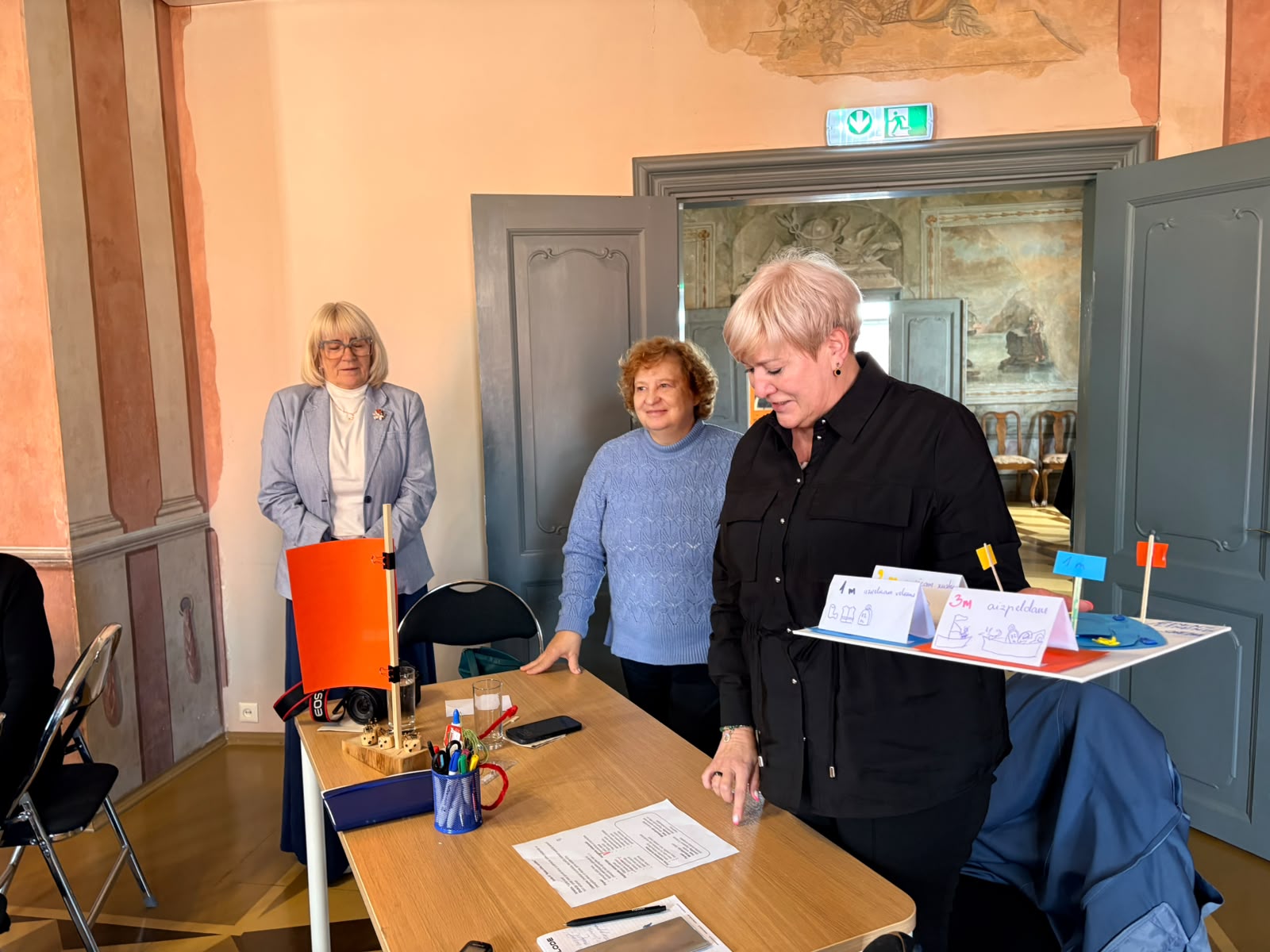
For flood risk communication, participants proposed using a visual map linking different water levels to specific actions, ranging from preparing essential supplies to moving belongings, vehicles and pets to safety or evacuating the area.
The examples shared during the meeting demonstrated that strengthening community resilience requires more than simply providing information. Information must be clear, reliable and linked to specific actions, while preparedness needs to become an everyday habit both within municipalities and in individual households.
As emphasised during the discussion, today’s problems are often the consequences of yesterday’s decisions. Identifying risks in good time, testing preparedness through practical exercises and encouraging residents to take shared responsibility make it possible to act before problems become difficult to manage.
The project “Improving EU regions’ environmental and socioeconomic resilience to climate change” (CLIMATE) is implemented within the framework of the Interreg Europe programme.
This publication has been produced with the financial support of the European Union. Its contents are the sole responsibility of Vidzeme Planning Region and do not necessarily reflect the views of the European Union.