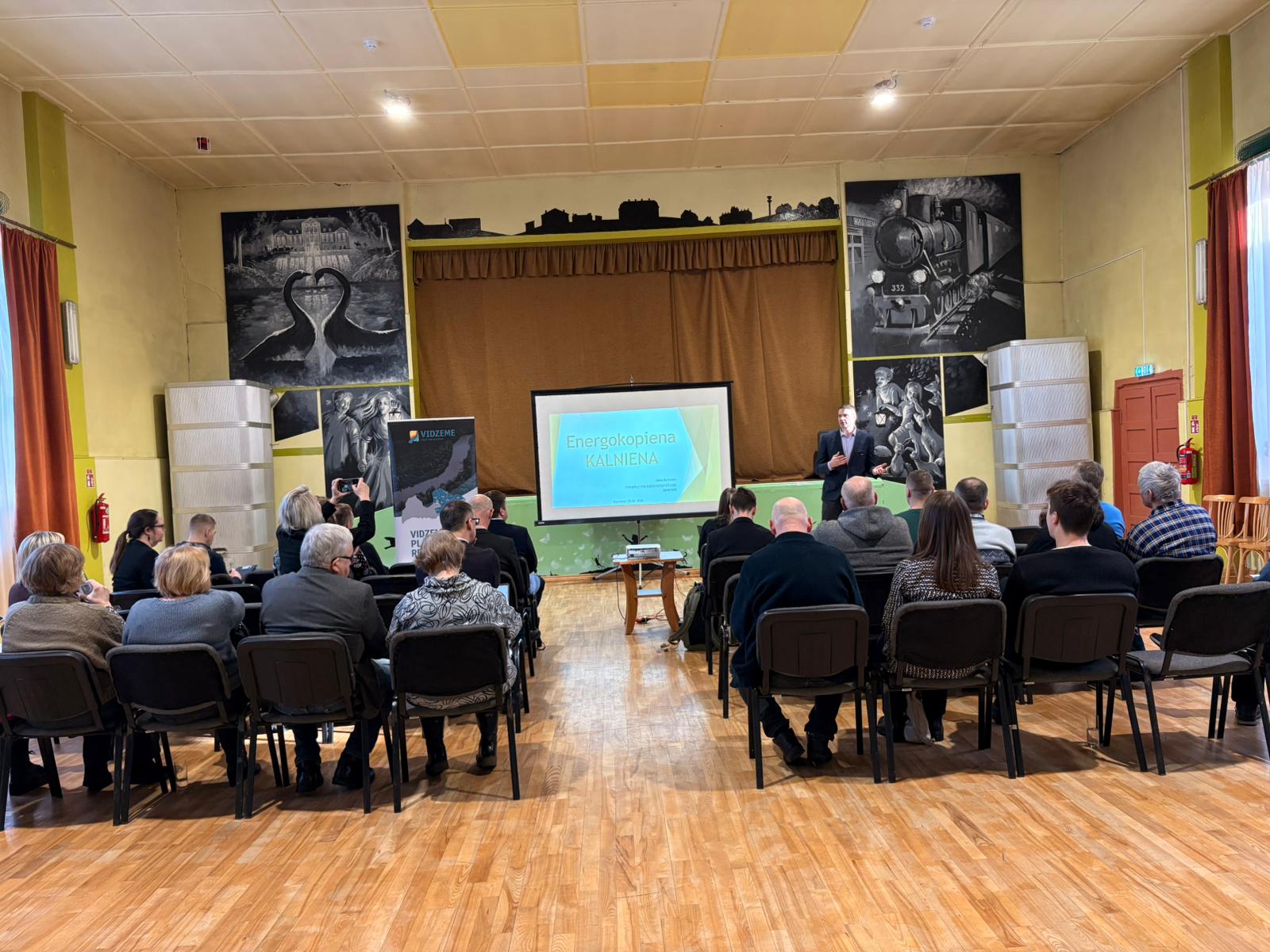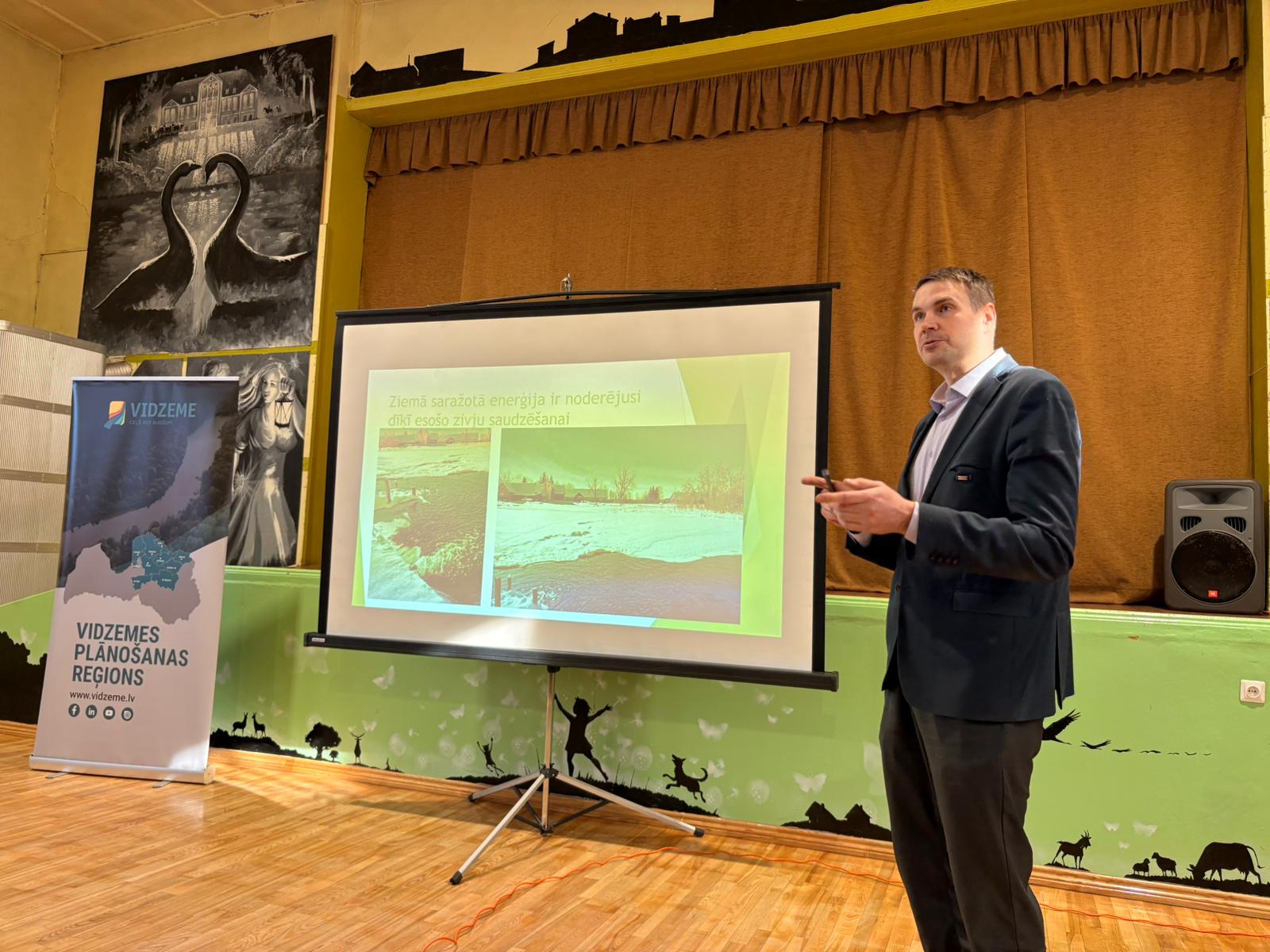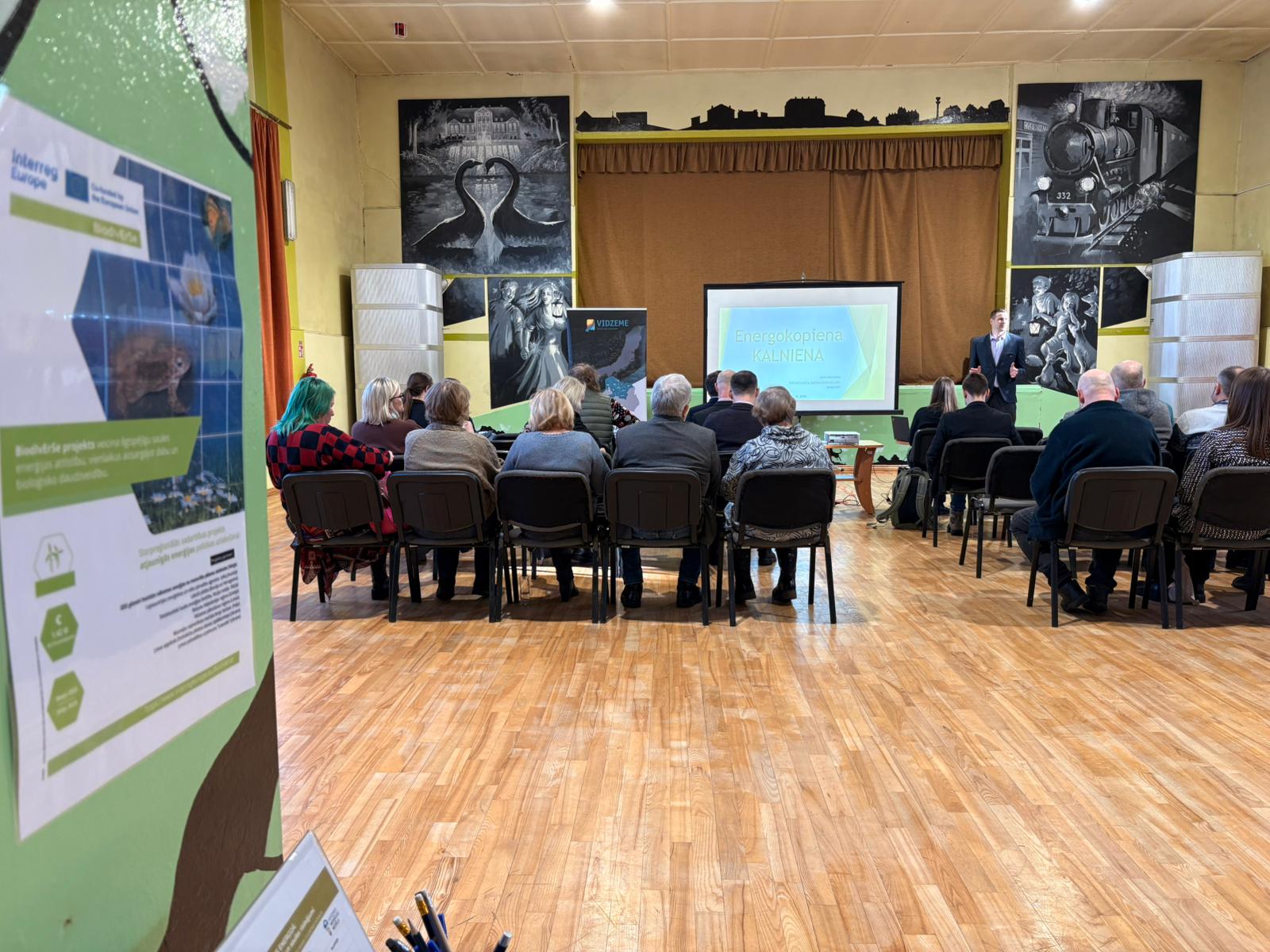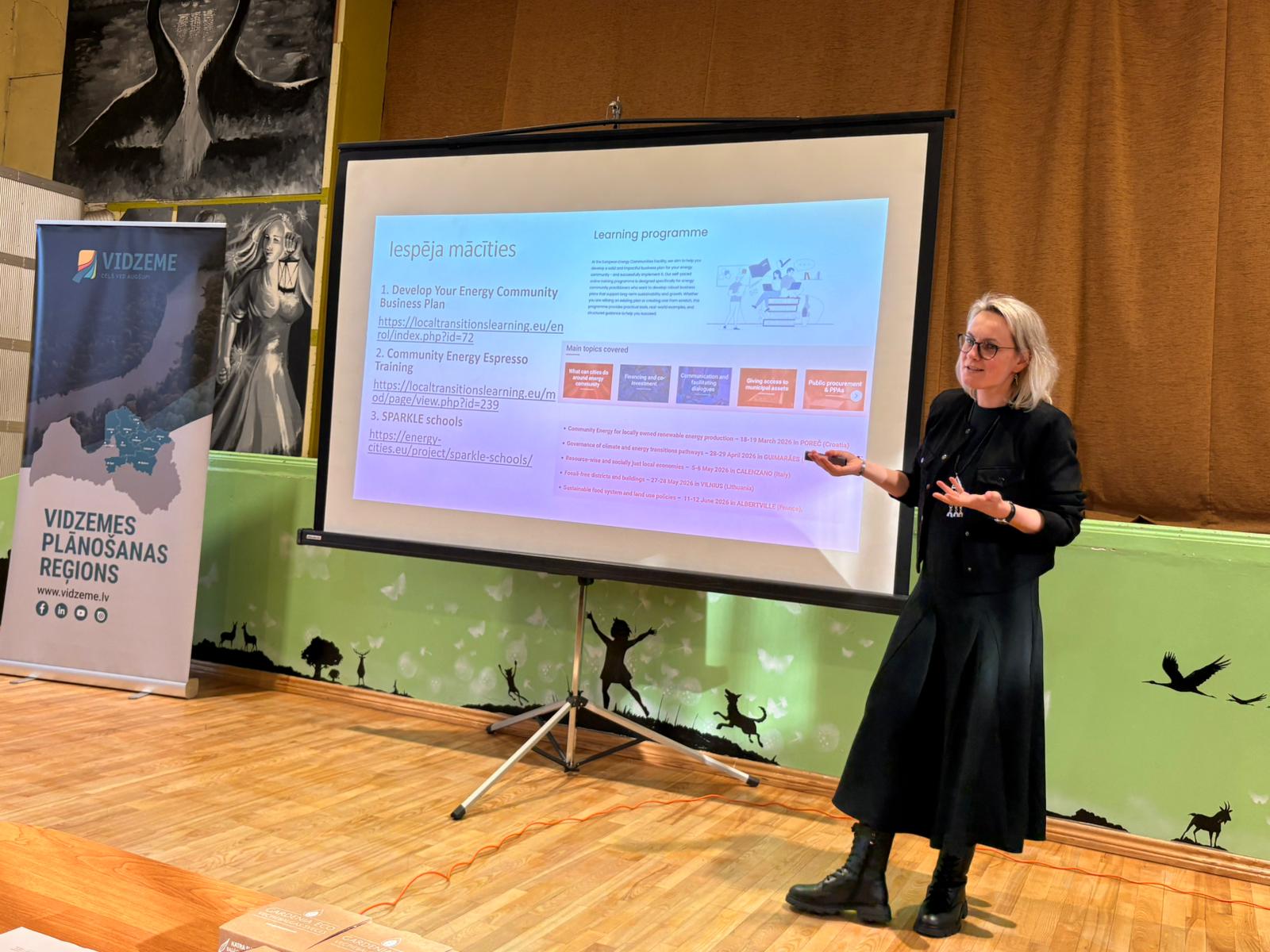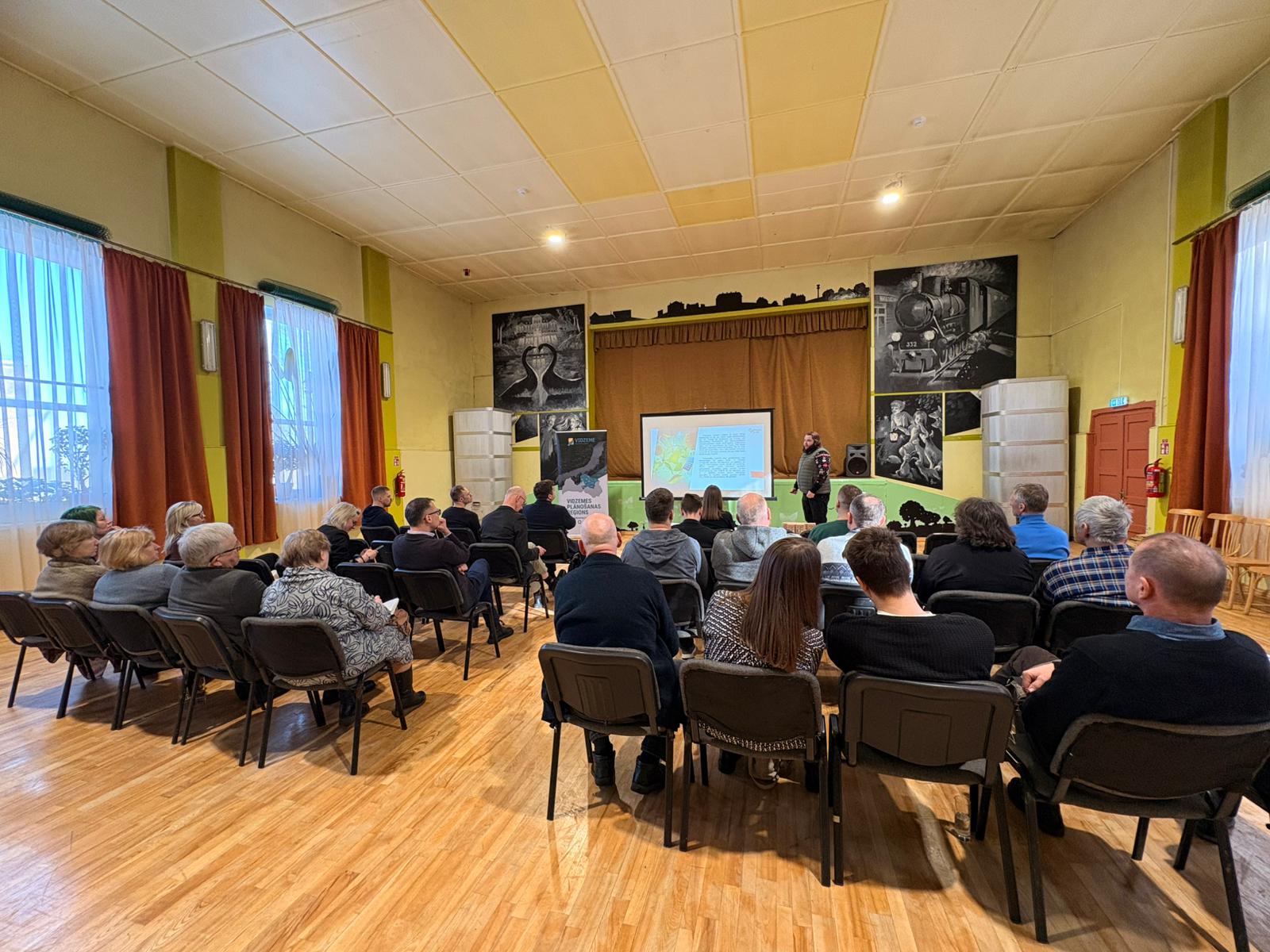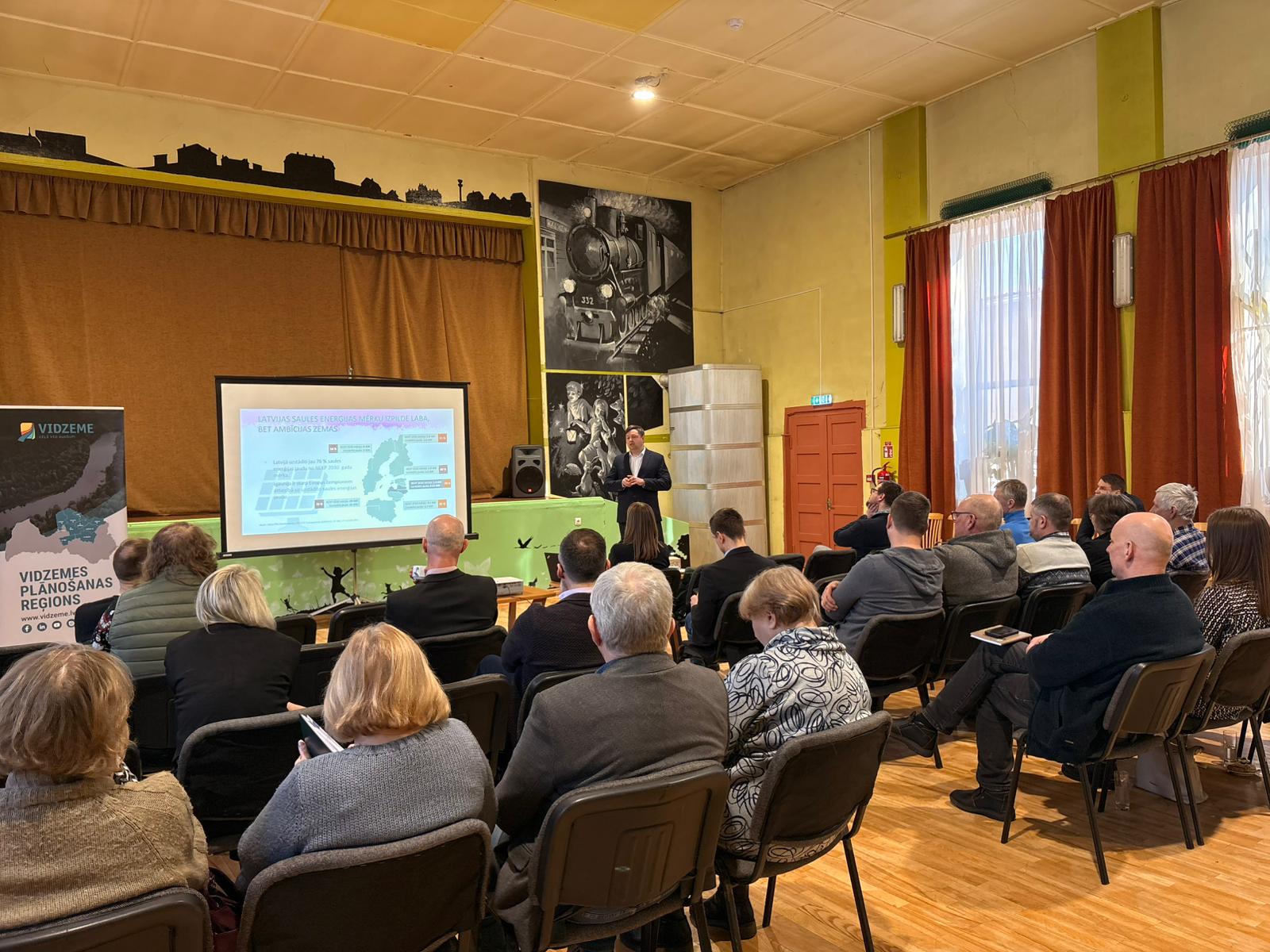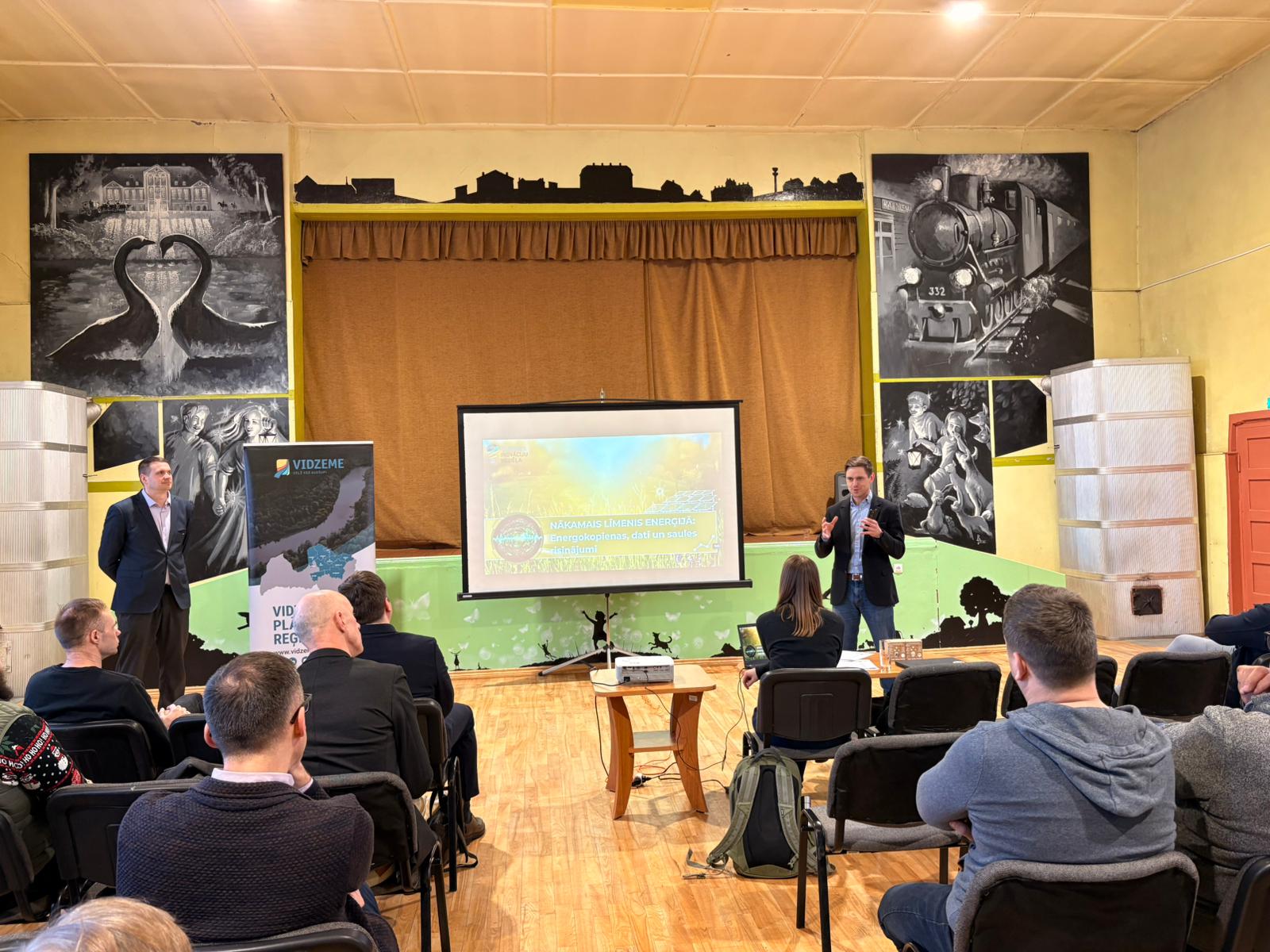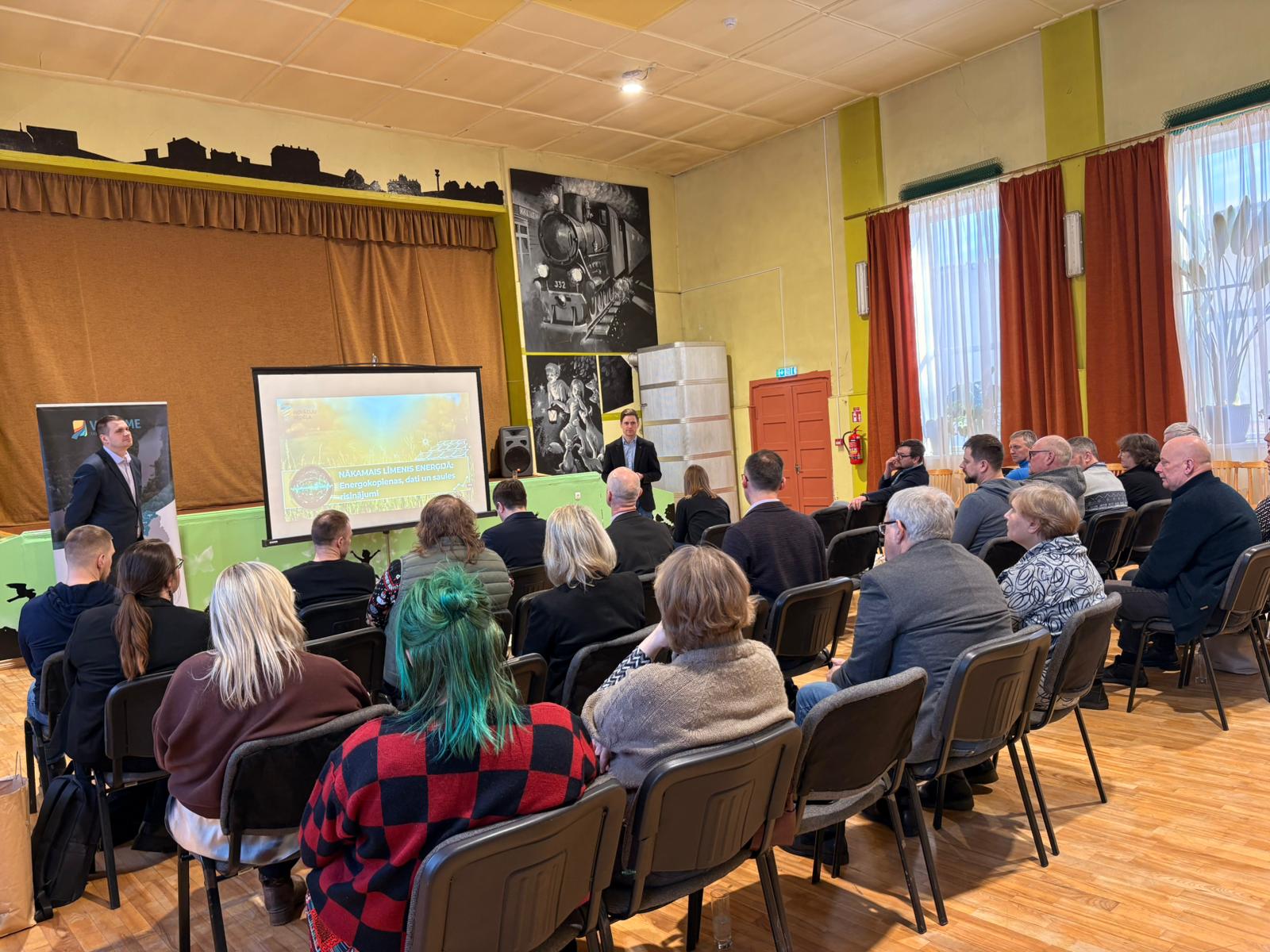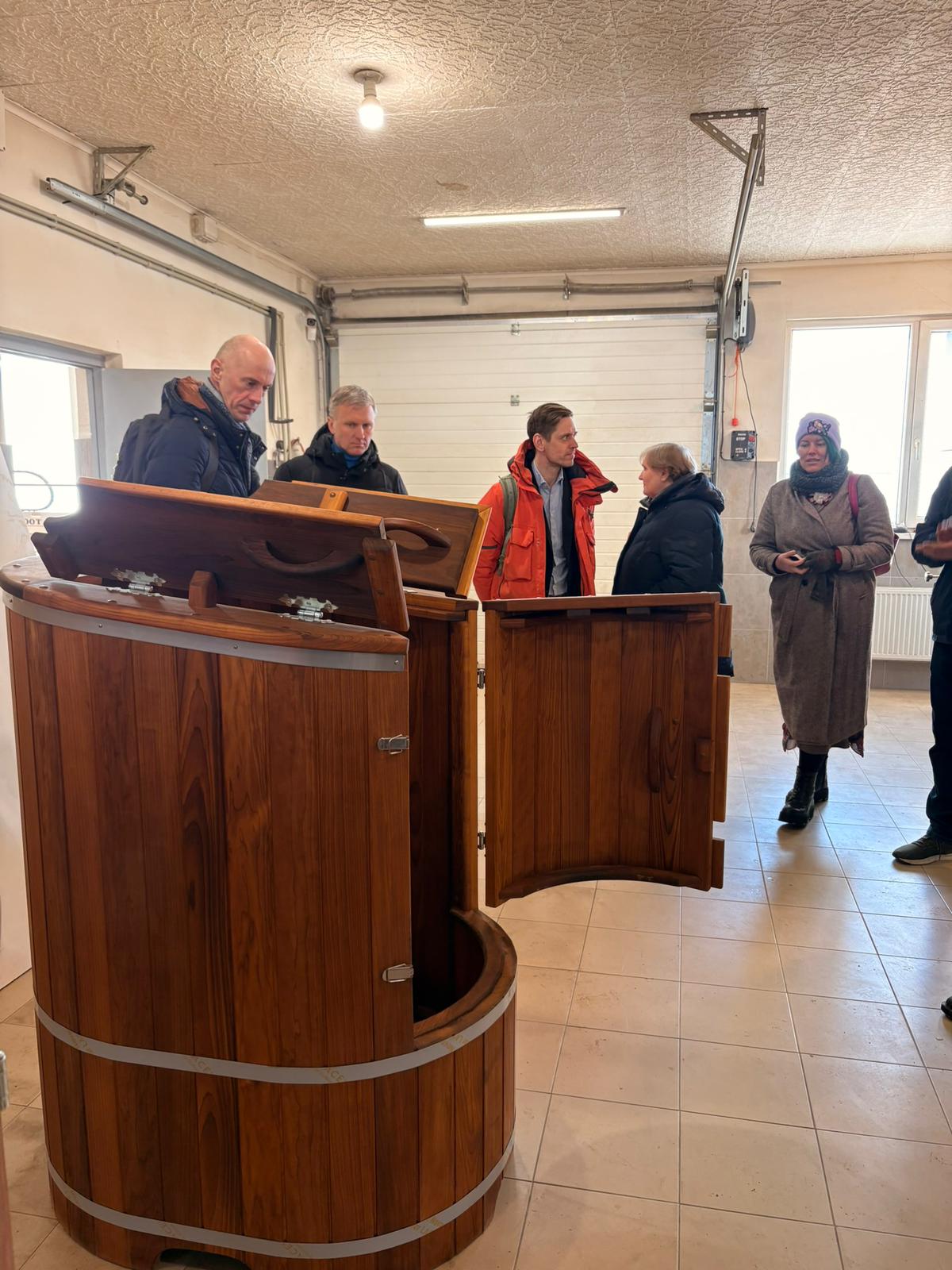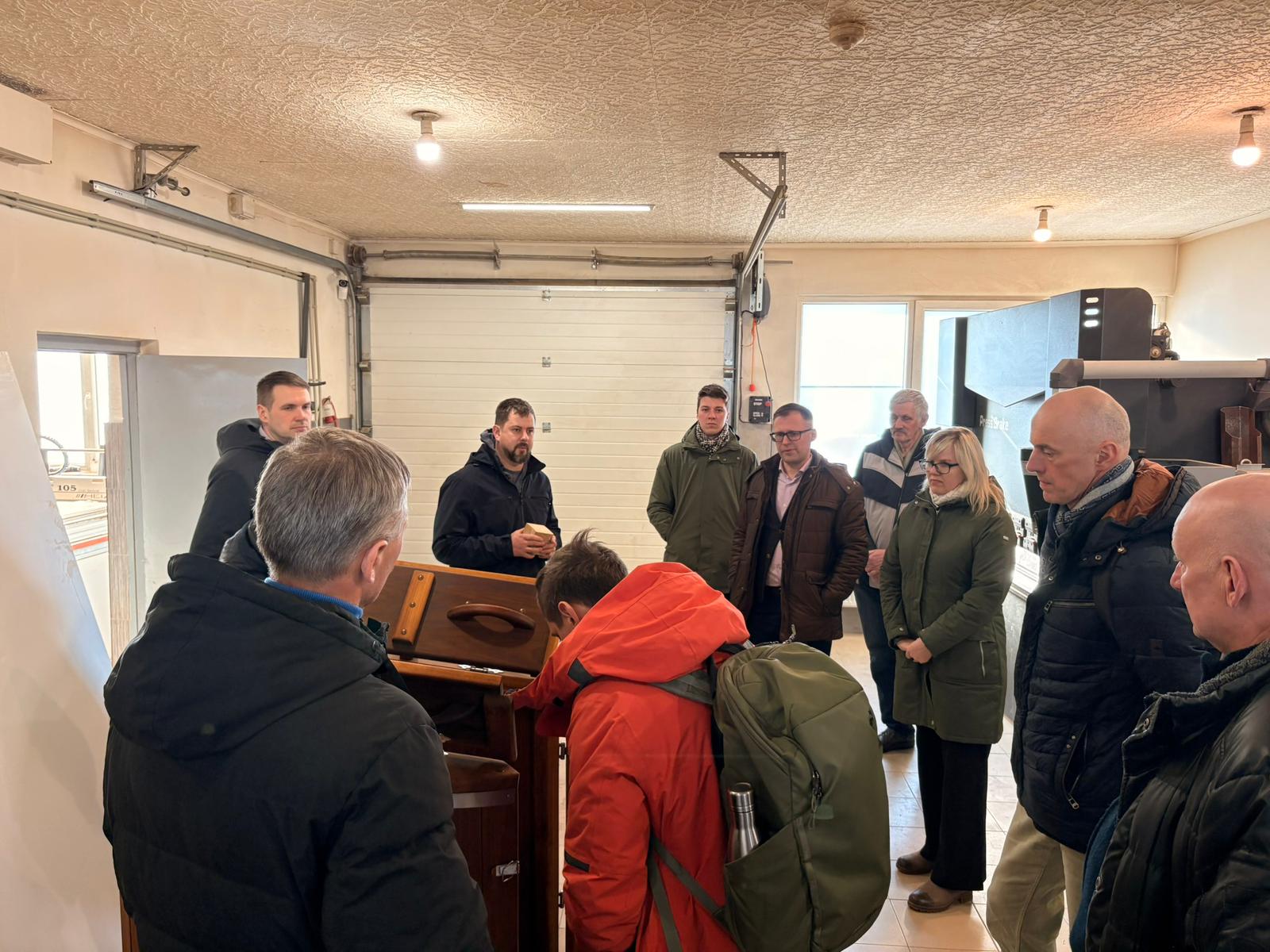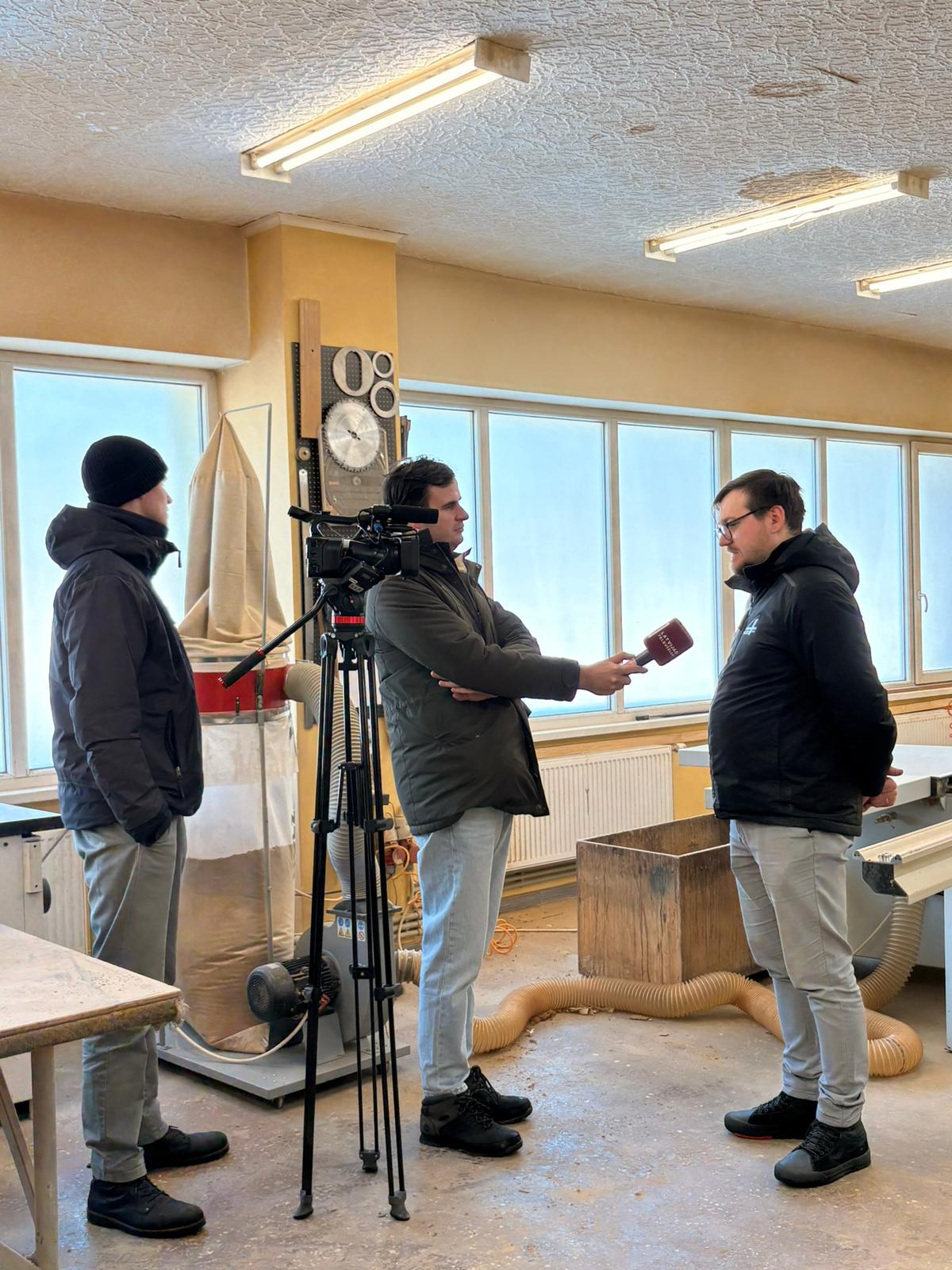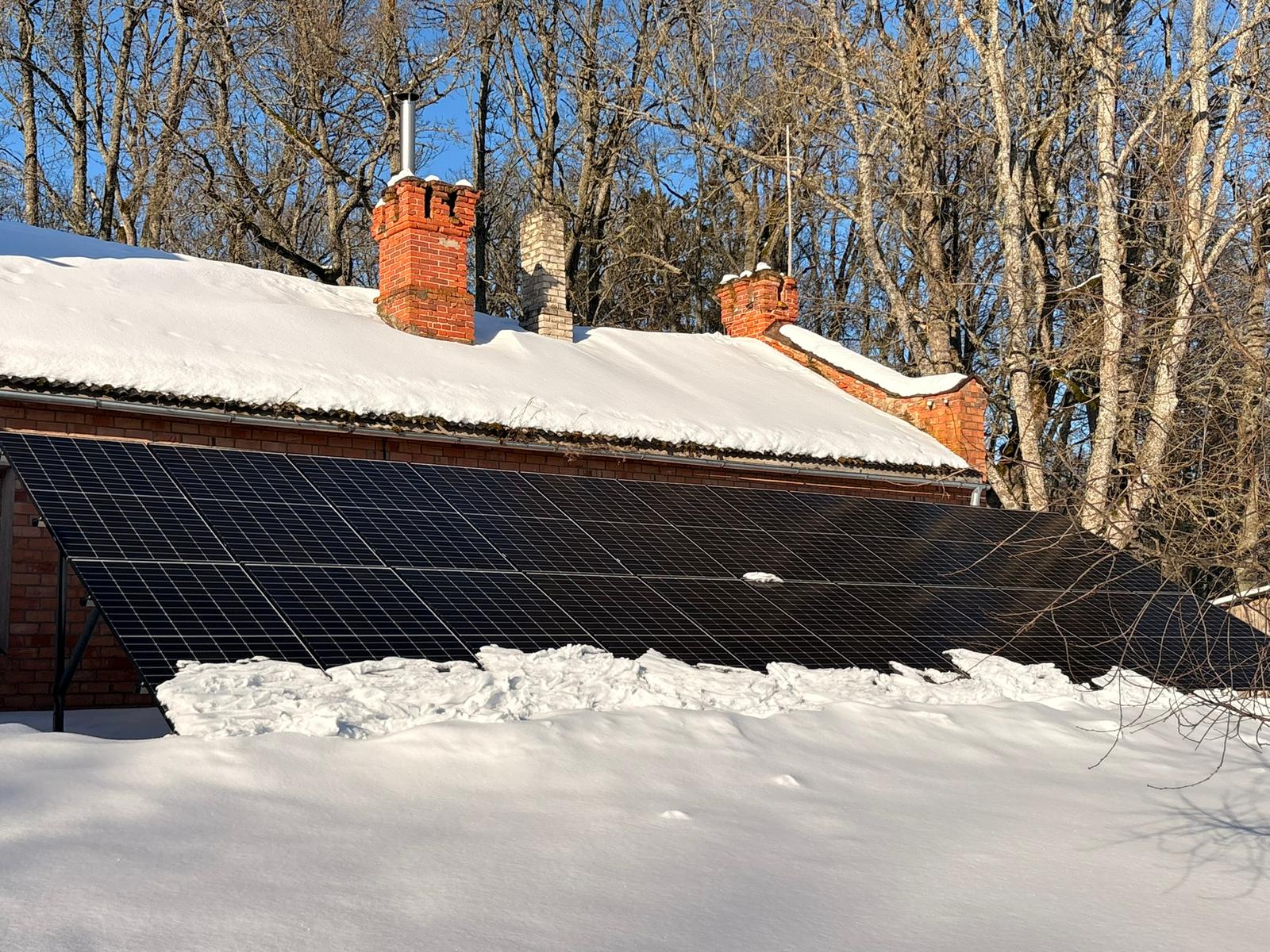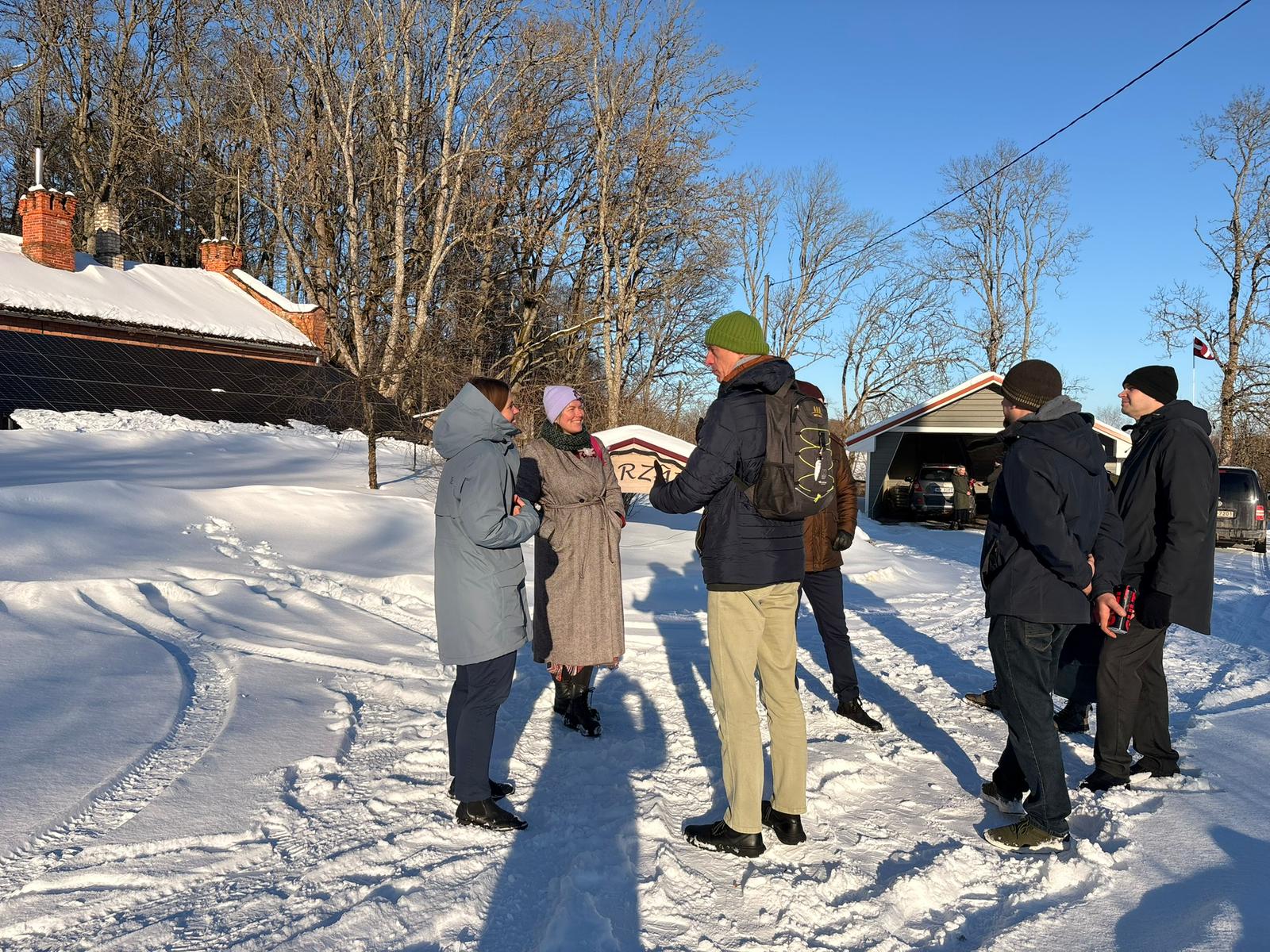
On 25 February 2026, stakeholders gathered in Kalniena, Gulbene Municipality, for a meeting organised within the Interreg Europe project BiodIvErSe. The meeting focused on one of the key challenges of the energy transition – how to expand solar energy while safeguarding biodiversity and natural ecosystems.
The stakeholder discussion brought together representatives of municipalities, experts and local actors to explore how solar energy solutions can be implemented responsibly and integrated into the landscape without harming natural habitats.
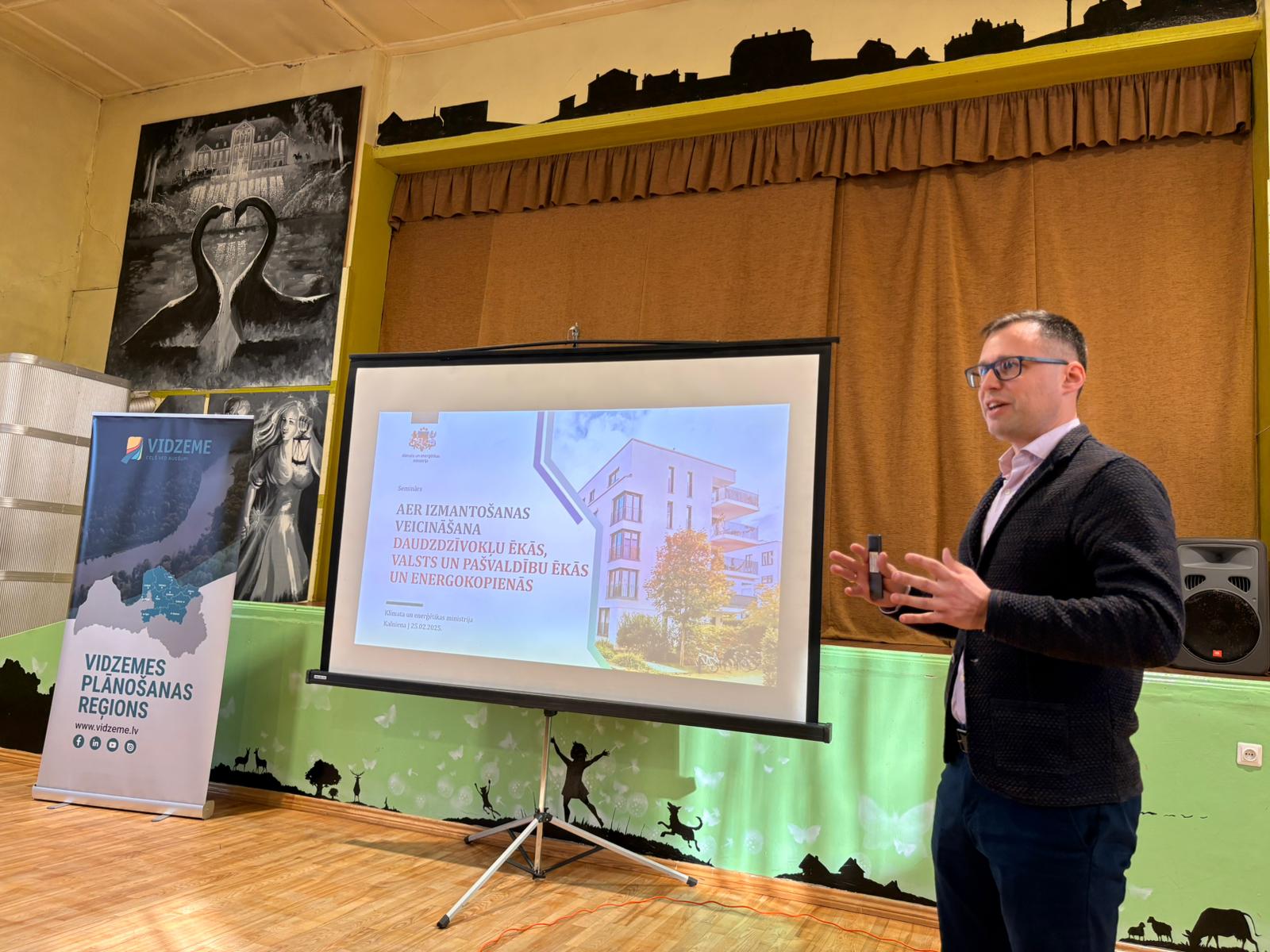
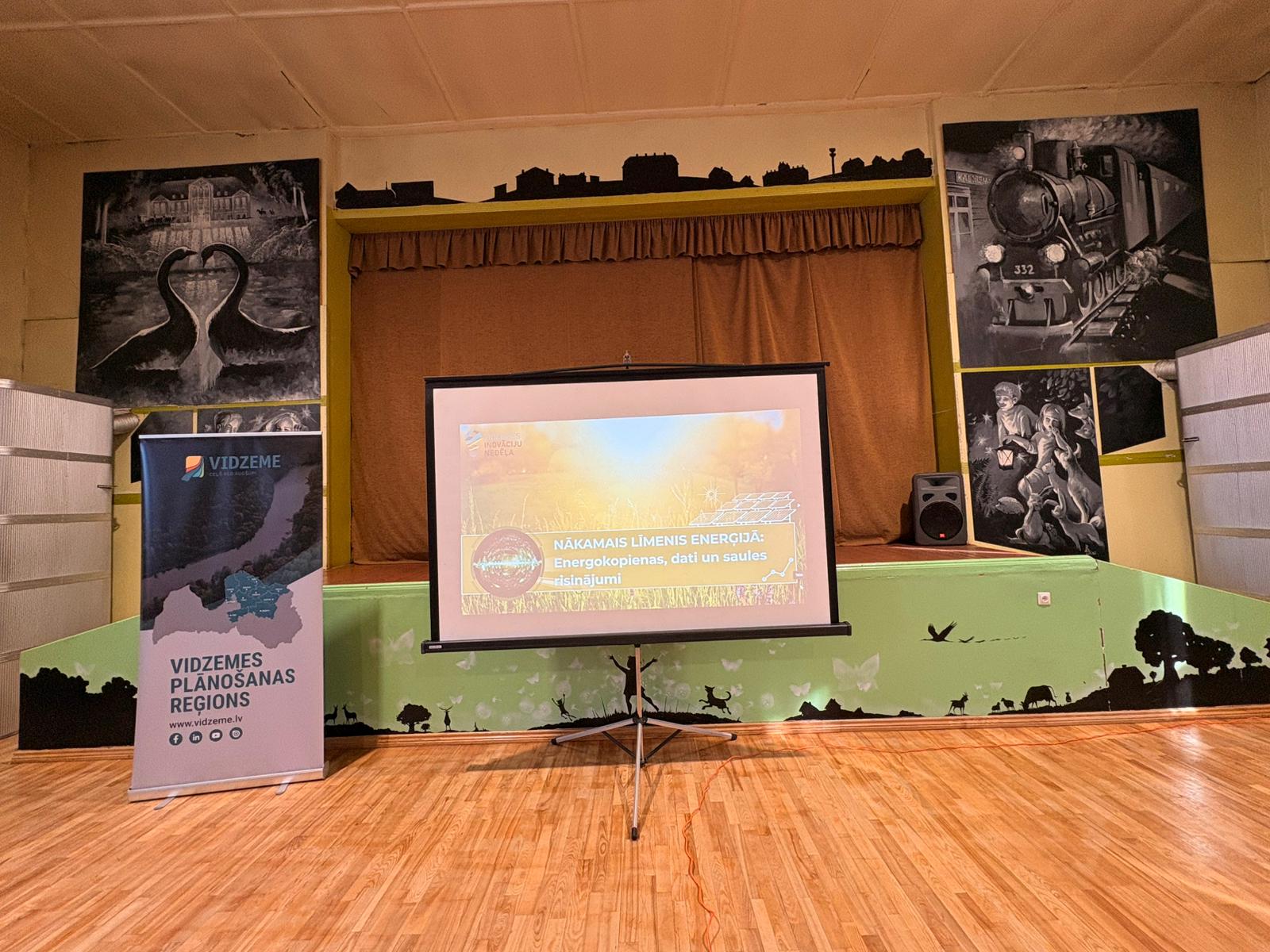
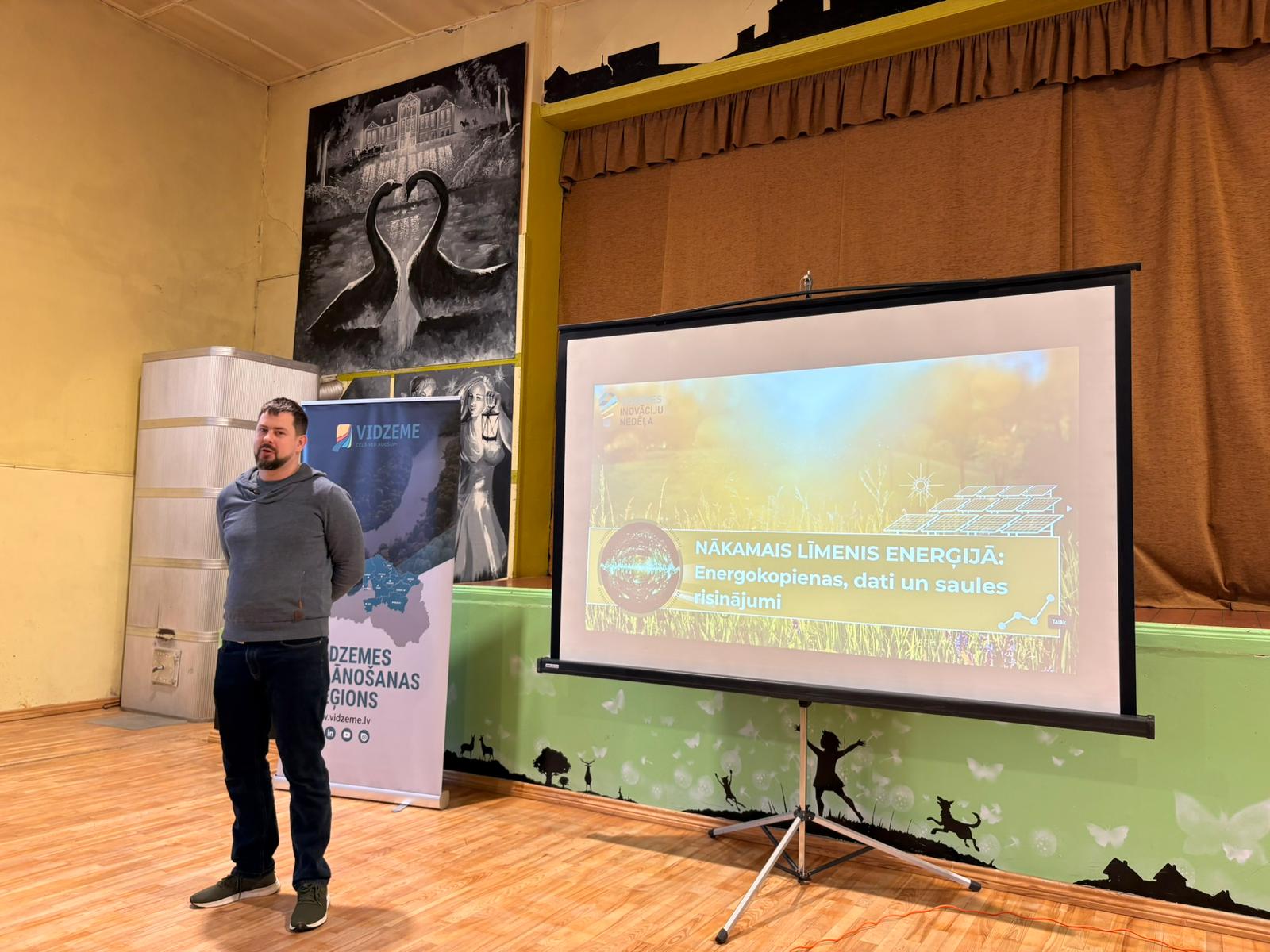
The meeting also formed part of the Vidzeme Innovation Week seminar “Next Level Energy: Energy Communities, Data and Solar Solutions,” which addressed broader topics related to renewable energy development and community involvement in the energy transition.
Solar energy development in Latvia: growth with responsibility
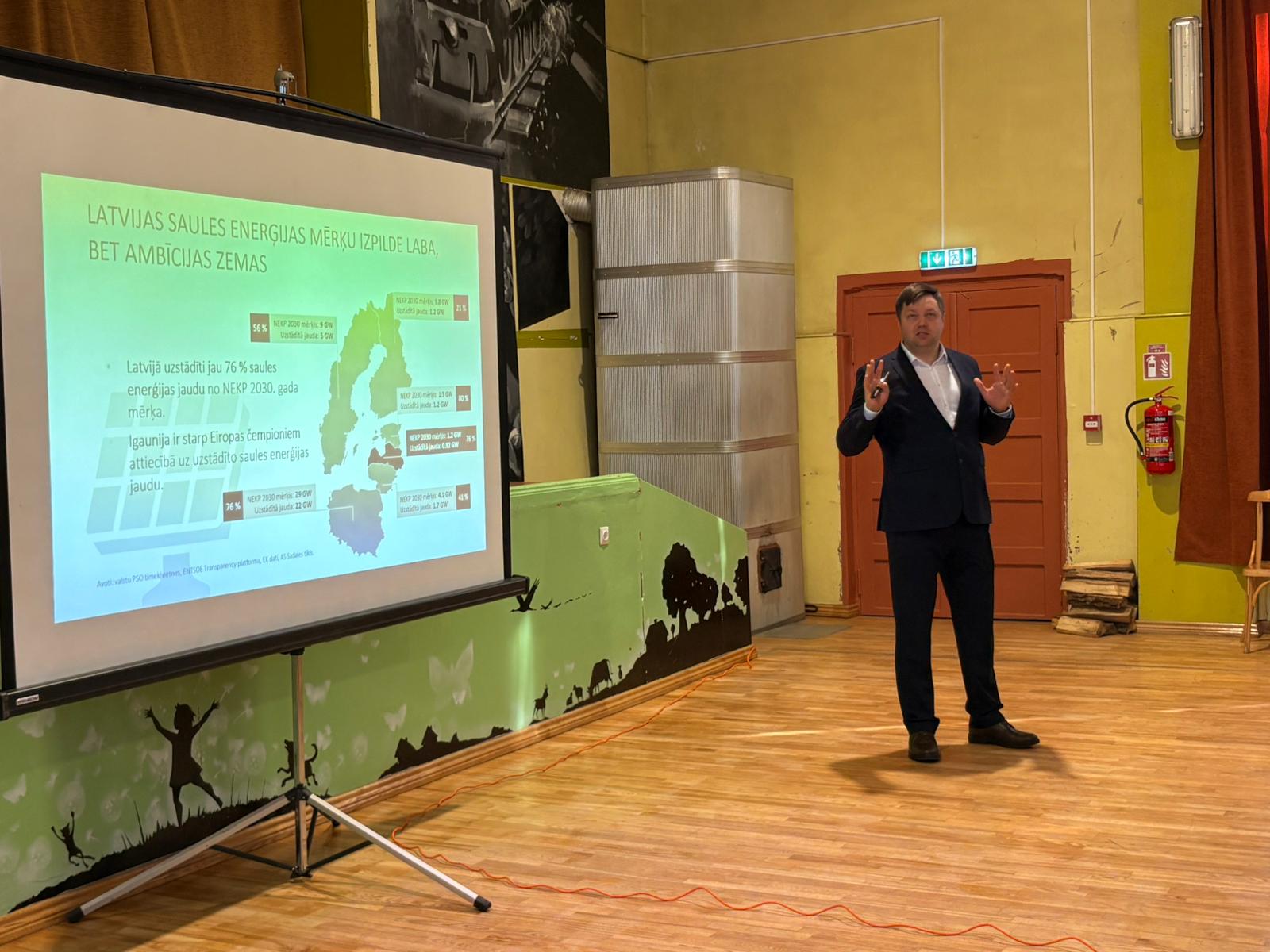
Solar energy is currently the fastest-growing renewable energy source in Latvia, and it is increasingly linked to the development of energy communities.
During the seminar, Gatis Macans, Executive Director of the Latvian Renewable Energy Alliance, presented an overview of the current situation in the sector. He emphasised that while solar energy development in Latvia is progressing rapidly, the overall pace of renewable energy deployment in the Baltic States remains uneven.
At the same time, Latvia has significant potential to strengthen its energy independence by combining different renewable energy sources with energy storage solutions. A balanced mix of solar and wind energy, supported by storage technologies, could help ensure a stable and resilient energy system.
Existing microgeneration systems, the widespread use of smart meters and technological progress — including artificial intelligence solutions — are also creating favourable conditions for the development of energy communities, where residents and organisations jointly produce and manage renewable energy.
Local energy community initiative in Kalniena
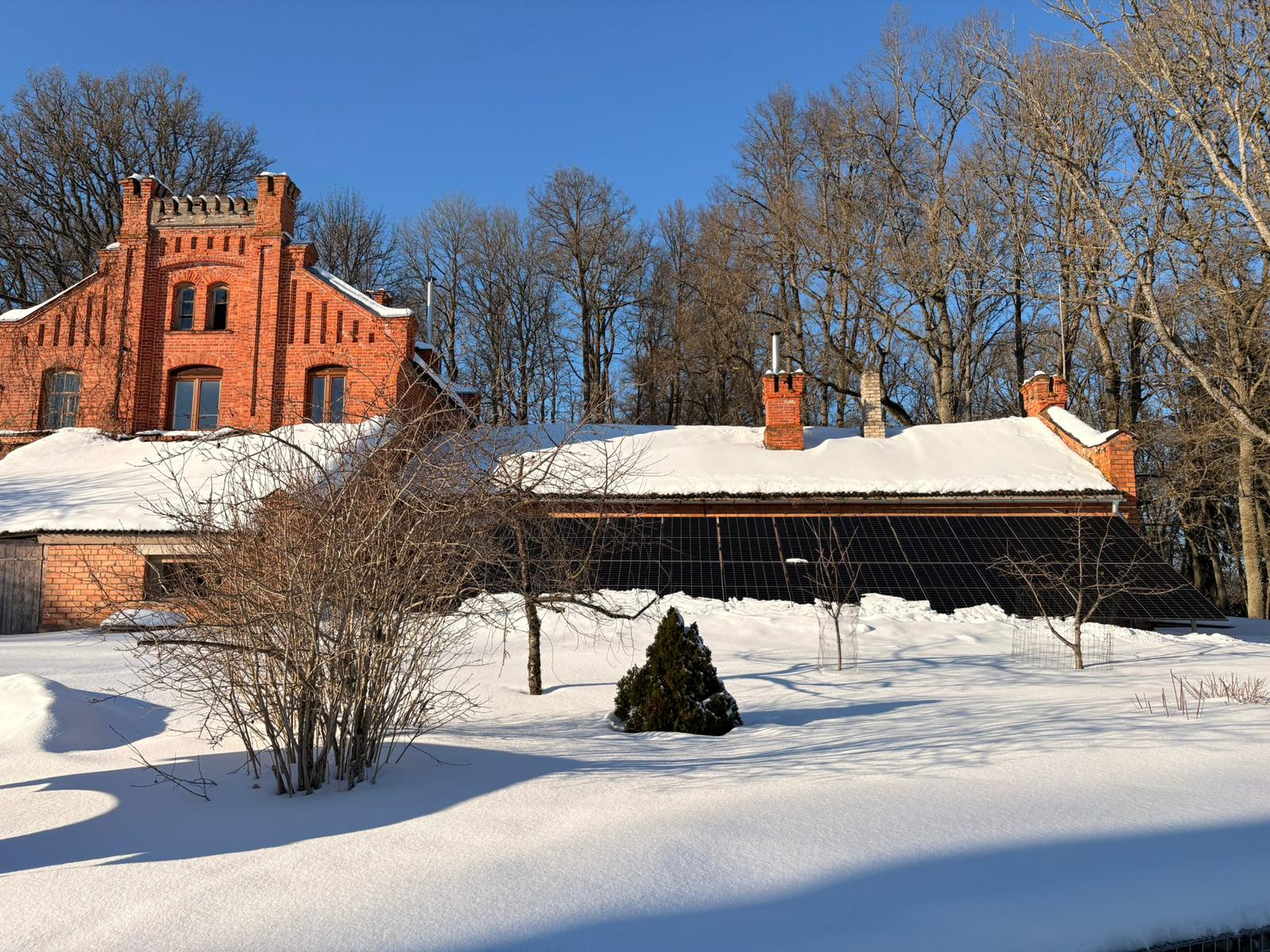
Kalniena was chosen as the meeting location because the area has recently become an example of growing local interest in renewable energy solutions.
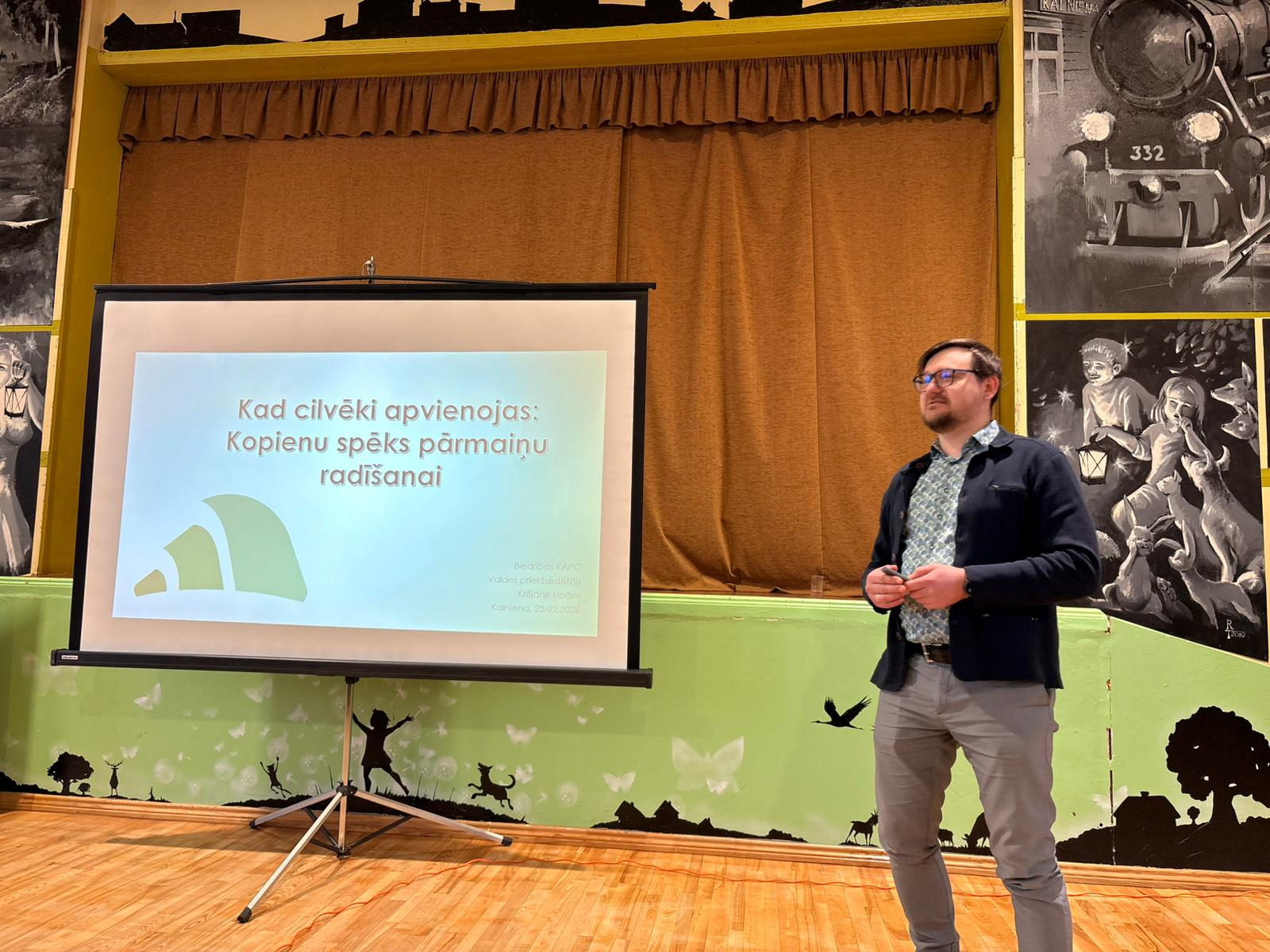
A local energy community initiative is emerging in the area, where residents are exploring opportunities to jointly produce and manage renewable energy. This local engagement has also increased interest in solar energy projects and their potential environmental impacts.
The stakeholder meeting therefore provided a timely opportunity to discuss how solar technologies can be implemented in ways that are both environmentally responsible and beneficial for local communities.
BiodIvErSe solutions: combining solar energy and biodiversity
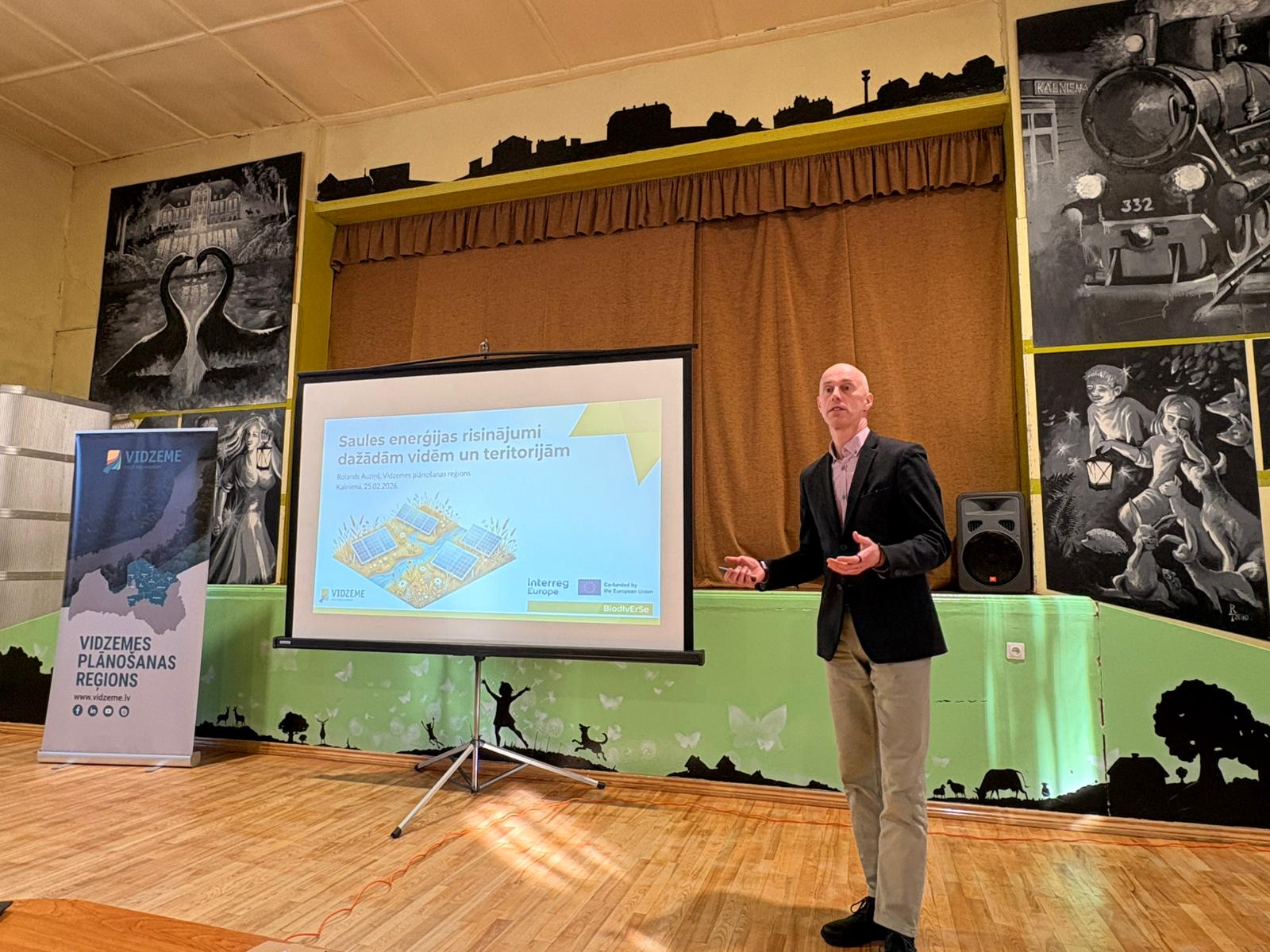
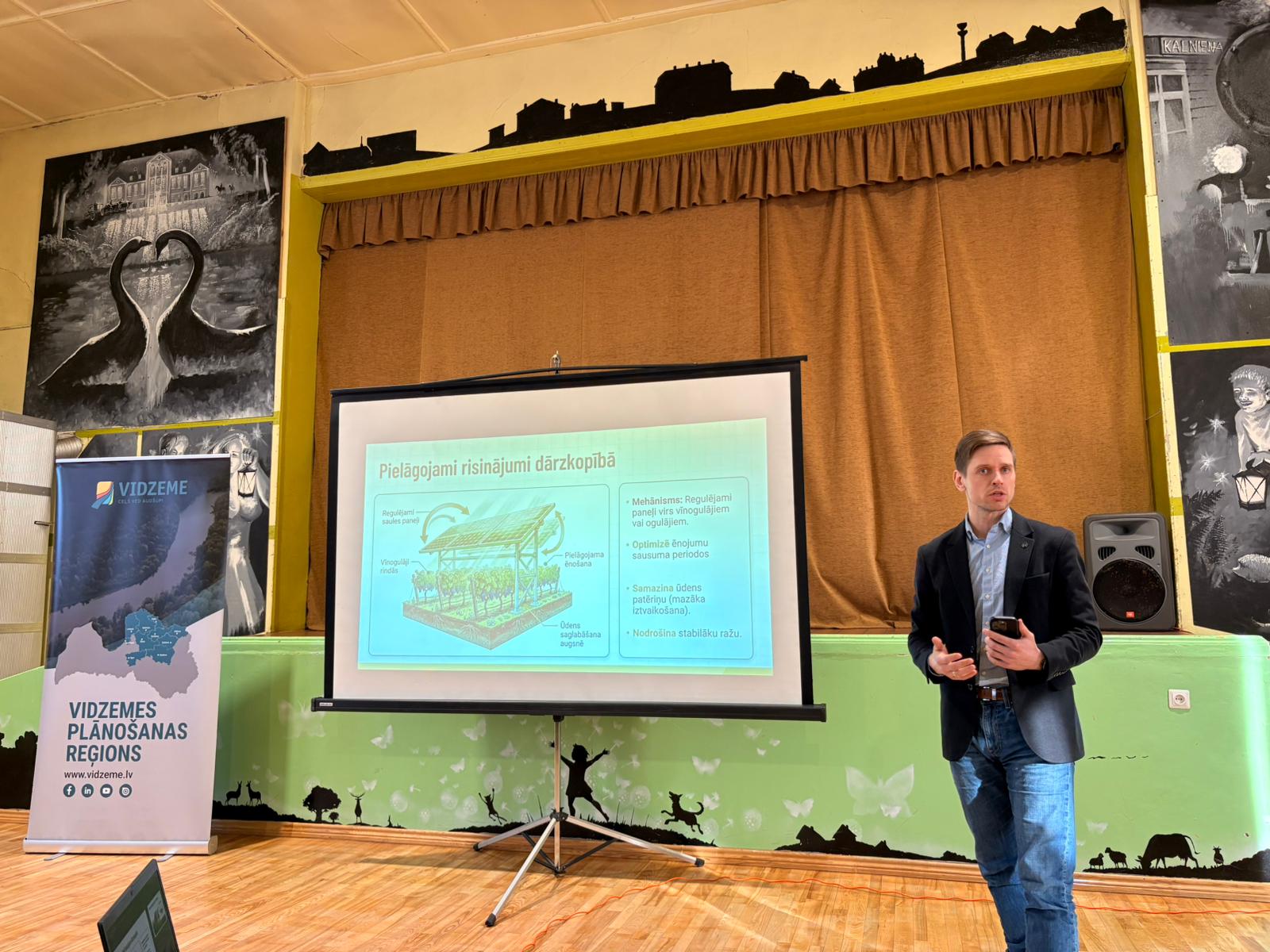
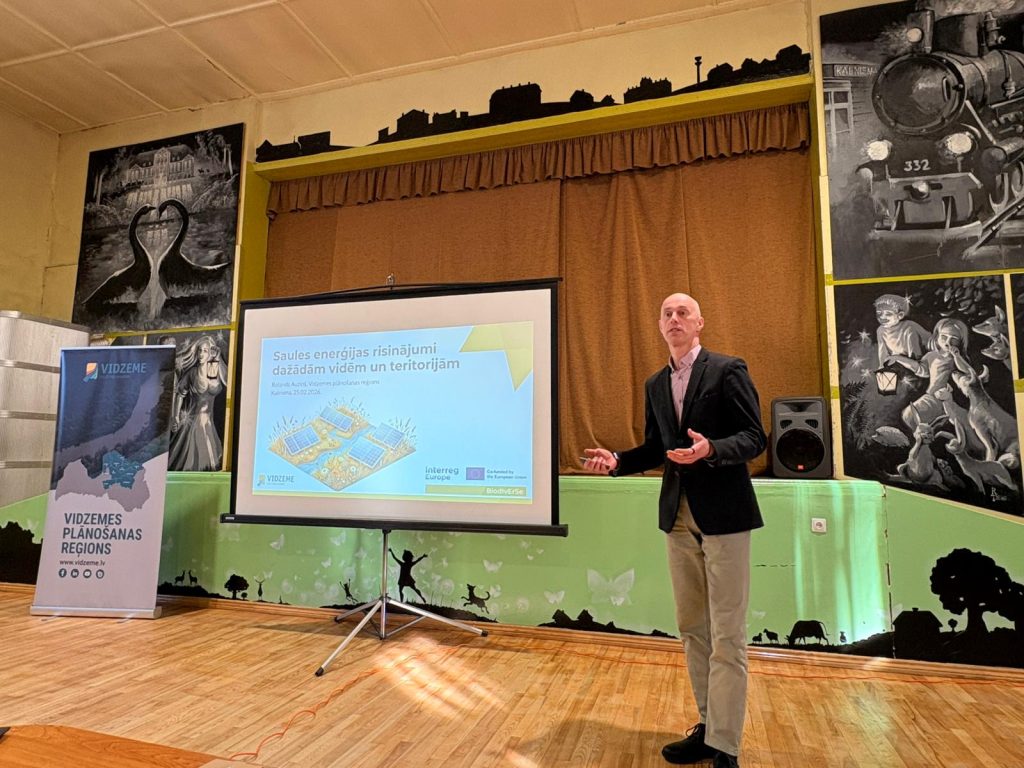
During the meeting, experts from the Vidzeme Planning Region – Rolands Auzins and Edgars Augustins – presented examples of innovative solar solutions that allow renewable energy production to coexist with biodiversity protection.
Participants emphasised that renewable energy projects are not automatically beneficial for nature. Without proper planning, solar parks may lead to habitat loss, ecosystem fragmentation and reduced feeding or nesting areas for wildlife. However, with thoughtful planning and management, solar energy projects can also contribute to ecosystem restoration and multifunctional land use.
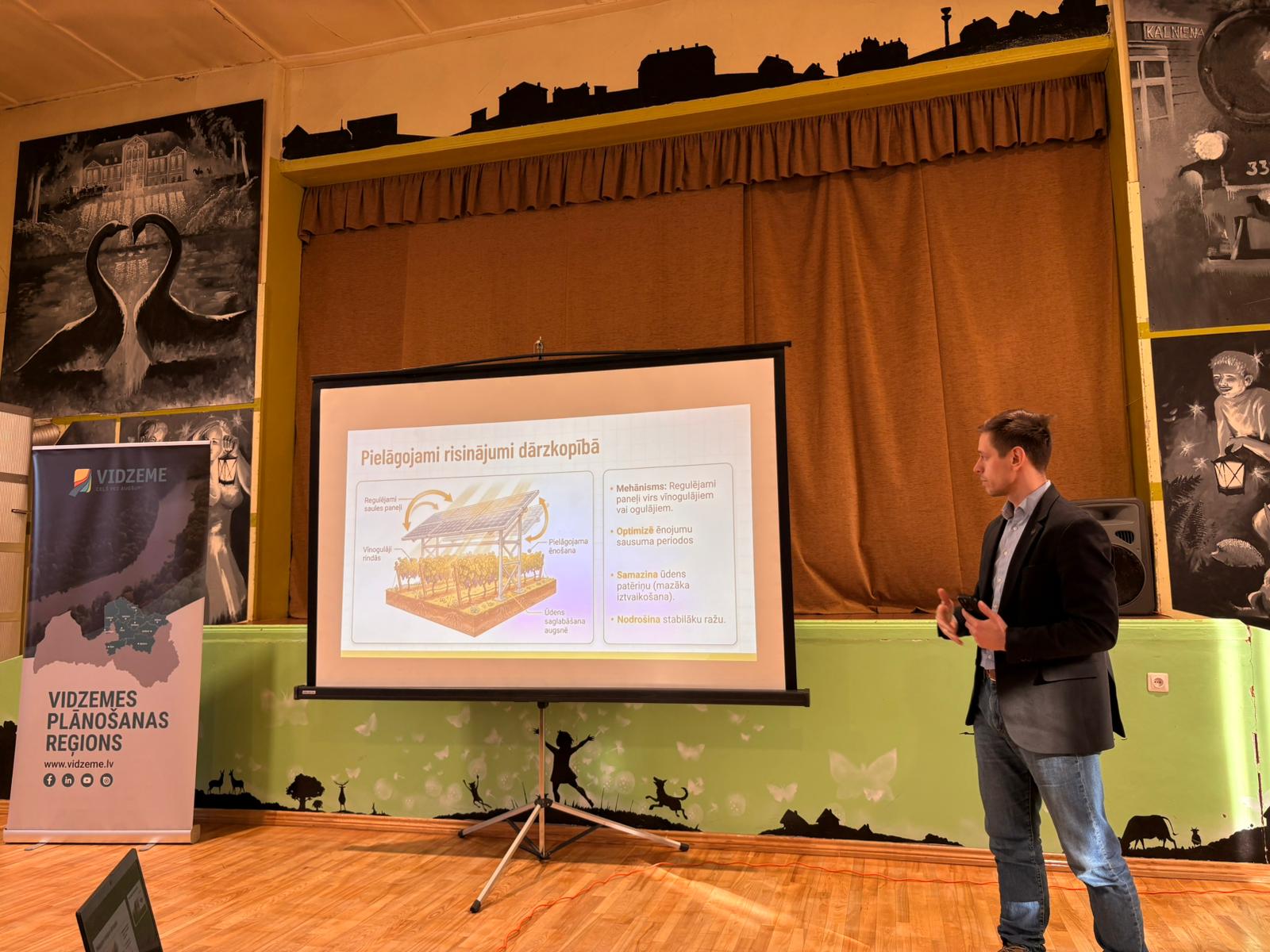
Among the solutions presented were vertical solar panels in agricultural landscapes, which allow grazing or crop cultivation between panel rows, as well as adjustable solar installations in horticulture that help regulate shading and reduce water evaporation.
Other approaches include environmentally friendly floating solar systems in water bodies and the integration of solar energy production into degraded areas such as peatlands undergoing ecosystem restoration. These examples demonstrate that solar energy infrastructure can be designed not only to produce electricity but also to support biodiversity when integrated into broader landscape planning.
“Renewable energy development and biodiversity protection should not be seen as opposing goals. With thoughtful planning and appropriate solutions, it is possible to produce clean energy while also supporting natural ecosystems,” said Rolands Auzins, expert at the Vidzeme Planning Region.
Dialogue and planning are key
Participants concluded that the environmental impact of solar energy projects depends largely on-site selection, project design and management practices.
Achieving positive outcomes therefore requires careful spatial planning, research and continuous dialogue between policymakers, experts, local communities and energy developers.
The stakeholder meeting organised within the BiodIvErSe project highlighted the importance of such discussions in identifying solutions that support both renewable energy development and biodiversity protection.