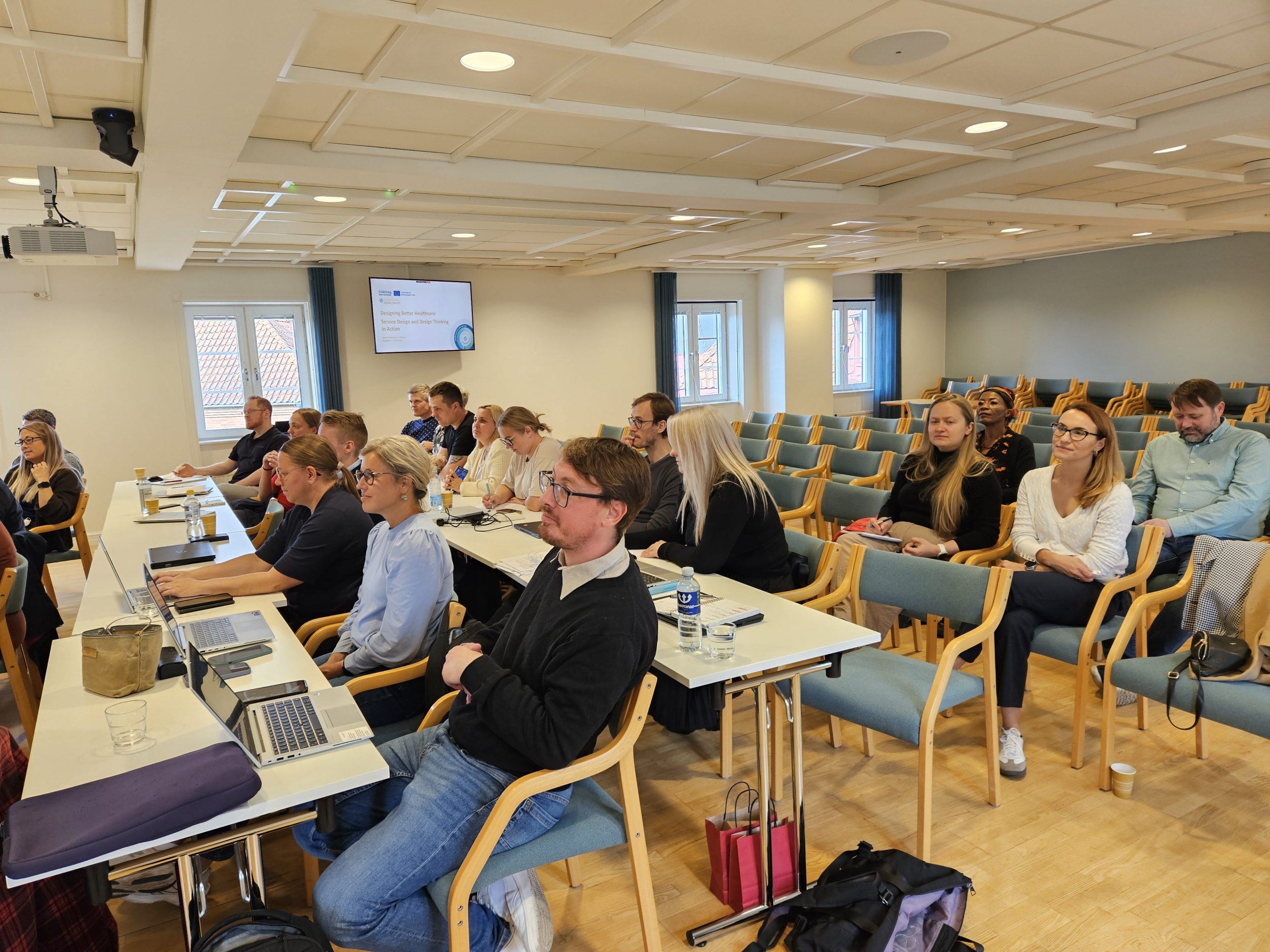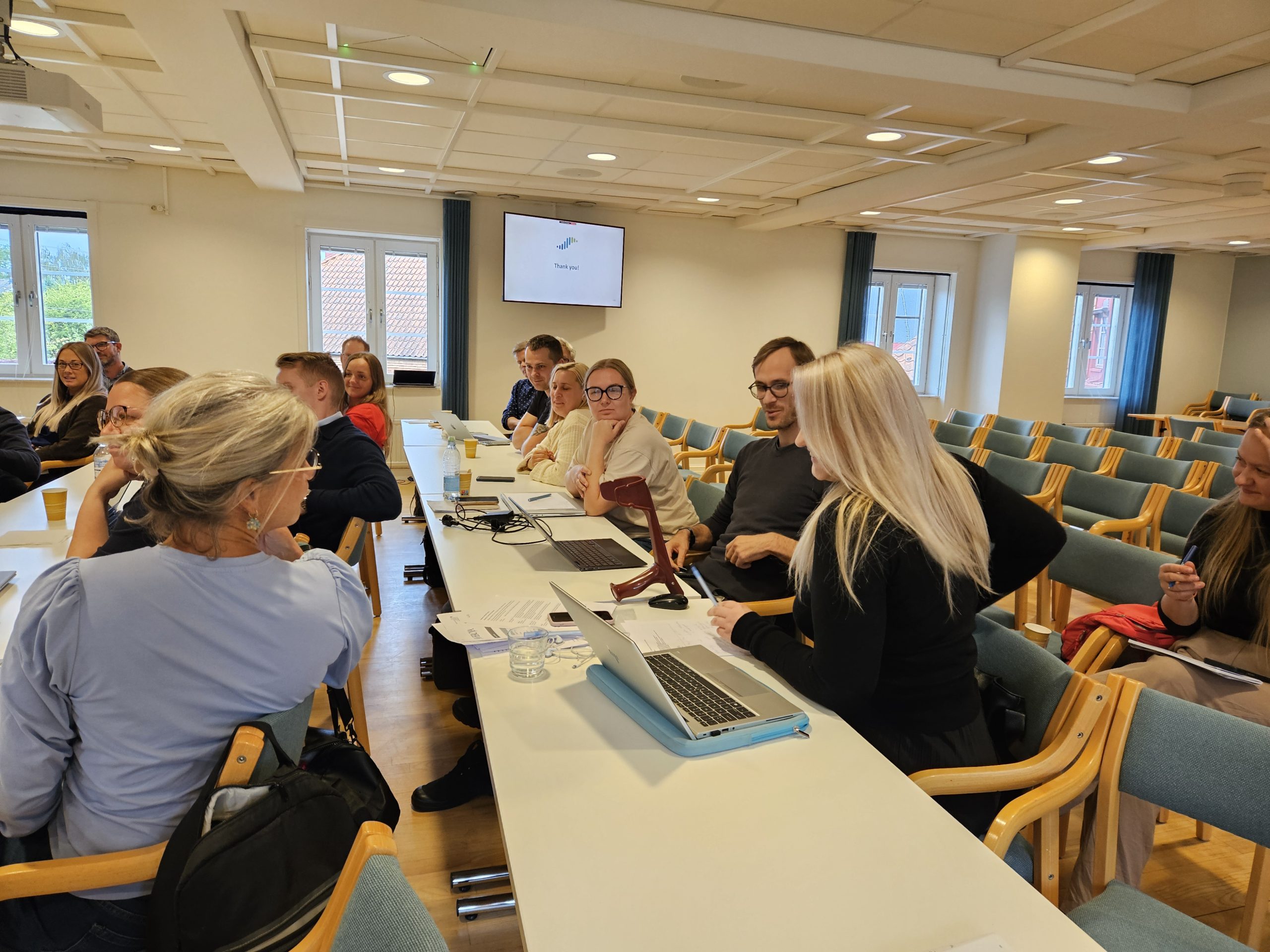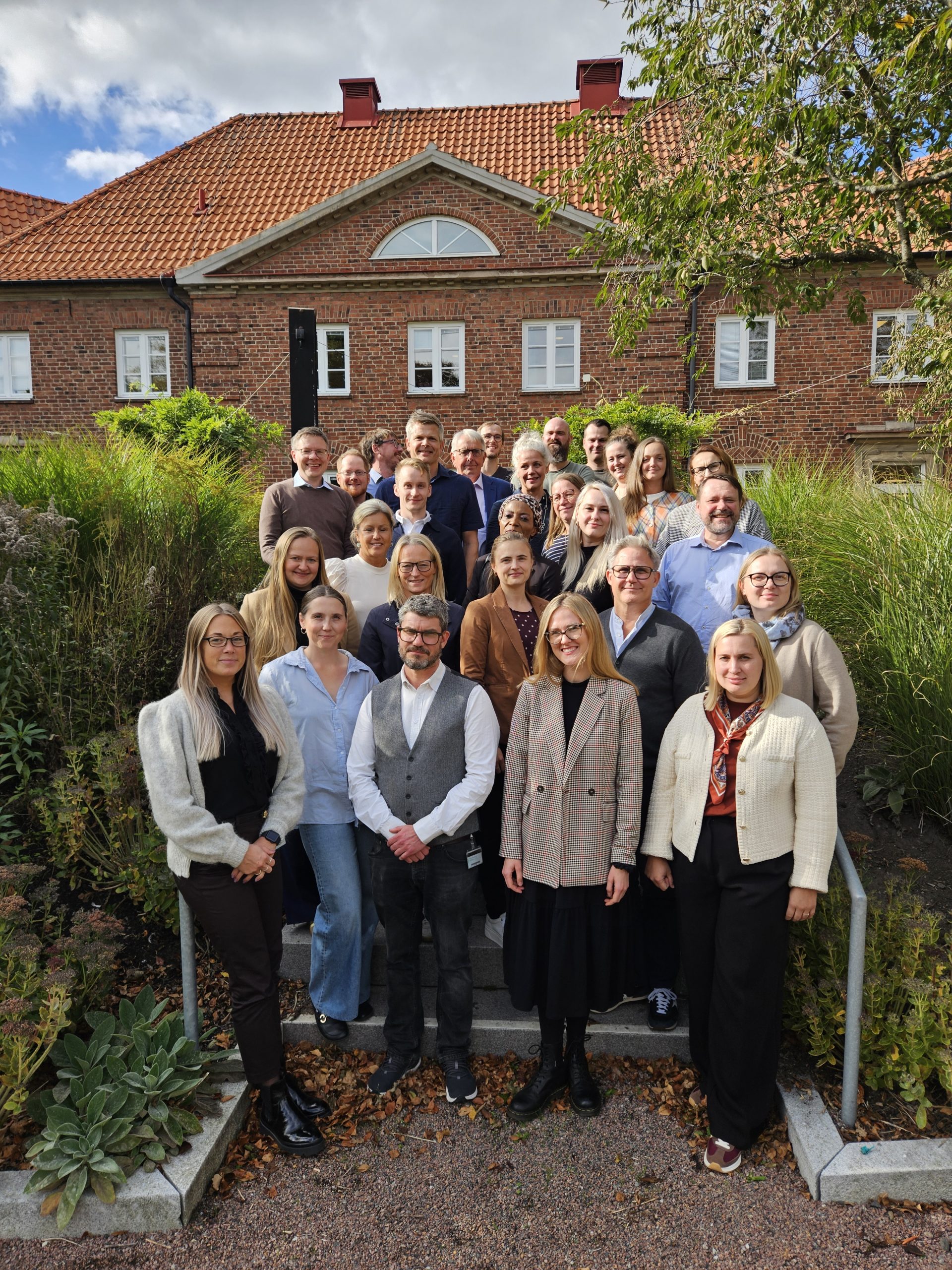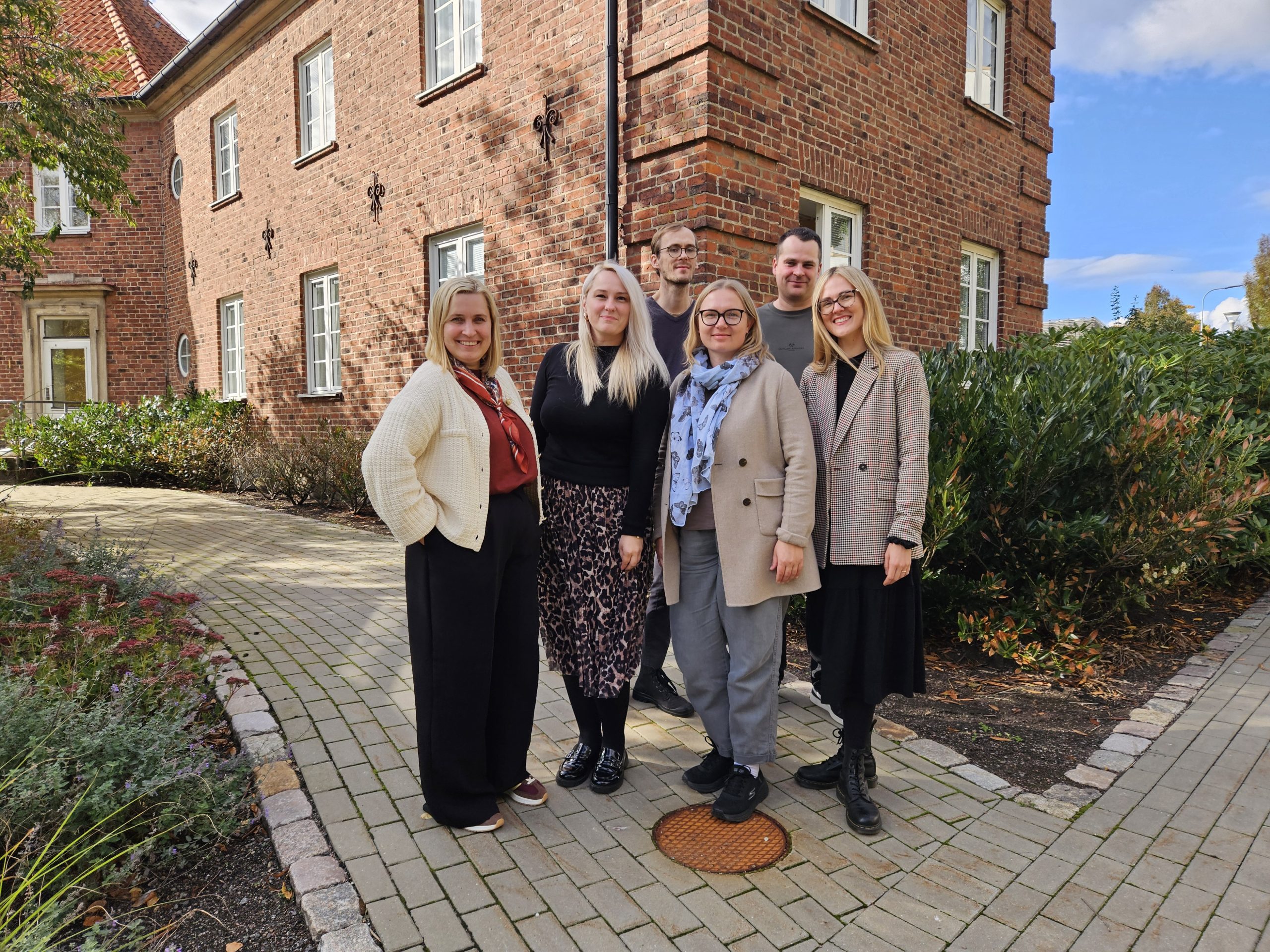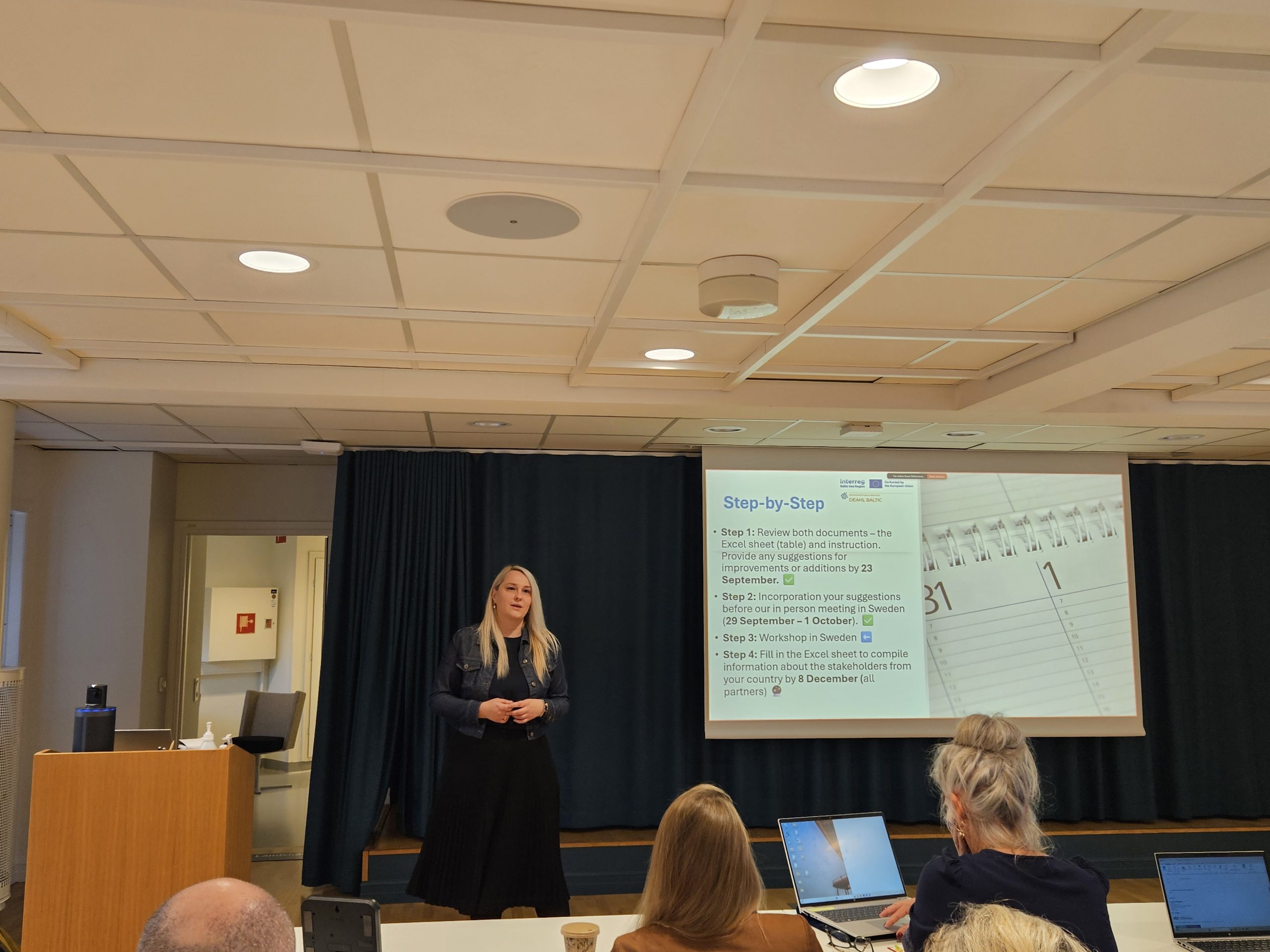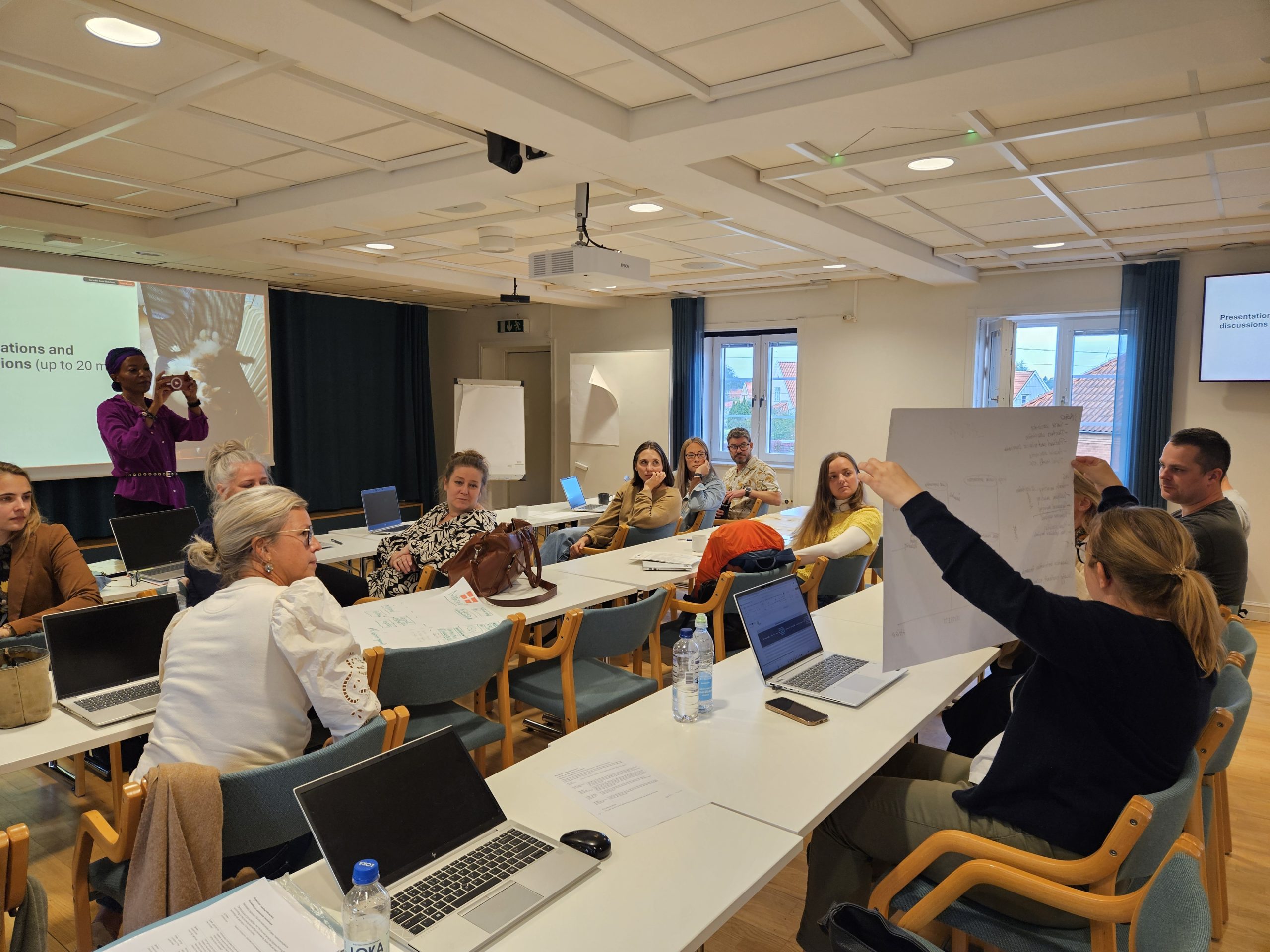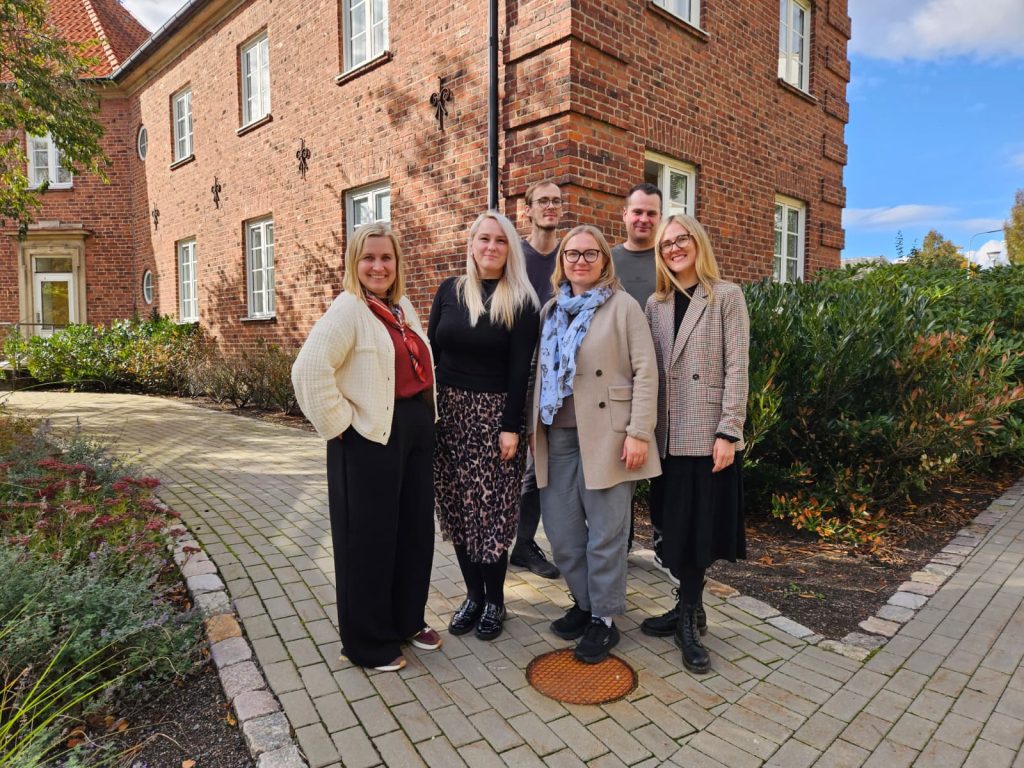
From September 29 to October 1, the team of the Vidzeme Planning Region, together with Strenči Psychoneurological Hospital and other partners of the DEAHL Baltic project, visited Ängelholm, Sweden, to jointly work on strengthening digital health literacy in the Baltic Sea region. During three days of intensive working sessions, knowledge, experience, and perspectives from different countries were brought together to address the challenges and opportunities of the future of healthcare.
At the beginning of the meeting, participants were introduced to the “Design Thinking for Health” approach, with special emphasis on patient experience and healthcare processes. The example of IVF care illustrated how existing problems and assumptions can be mapped out step by step to arrive at practical prototypes – new information materials, improved forms, and clearer communication tools for patients. The key takeaway was the continuous involvement of stakeholders. Focus groups, idea generation, testing, and feedback form the basis for high-quality solutions that are rooted in real needs. Partners shared their experience on how to successfully create focus groups that bring together healthcare professionals, patients, and citizens to jointly seek the most effective digital solutions.
The discussions also focused on the organizational model for Digital Health Literacy (DHL) and the development of a sustainable e-learning platform for healthcare professionals. Four key areas emerged: leadership and governance, patient engagement and accessibility, healthcare professionals’ competencies, as well as safety and risk management. Participants emphasized the need to build trust in digital solutions, develop patient support mechanisms, strengthen a culture of safety, and reduce skepticism towards innovation. The ideal e-learning platform was described as a user-friendly, simple, and motivating environment that combines theoretical content, practical guidelines, and experiences from different countries. Sustainability, interoperability, and adaptability to diverse healthcare systems in the Baltic region were also highlighted as essential features of the platform.
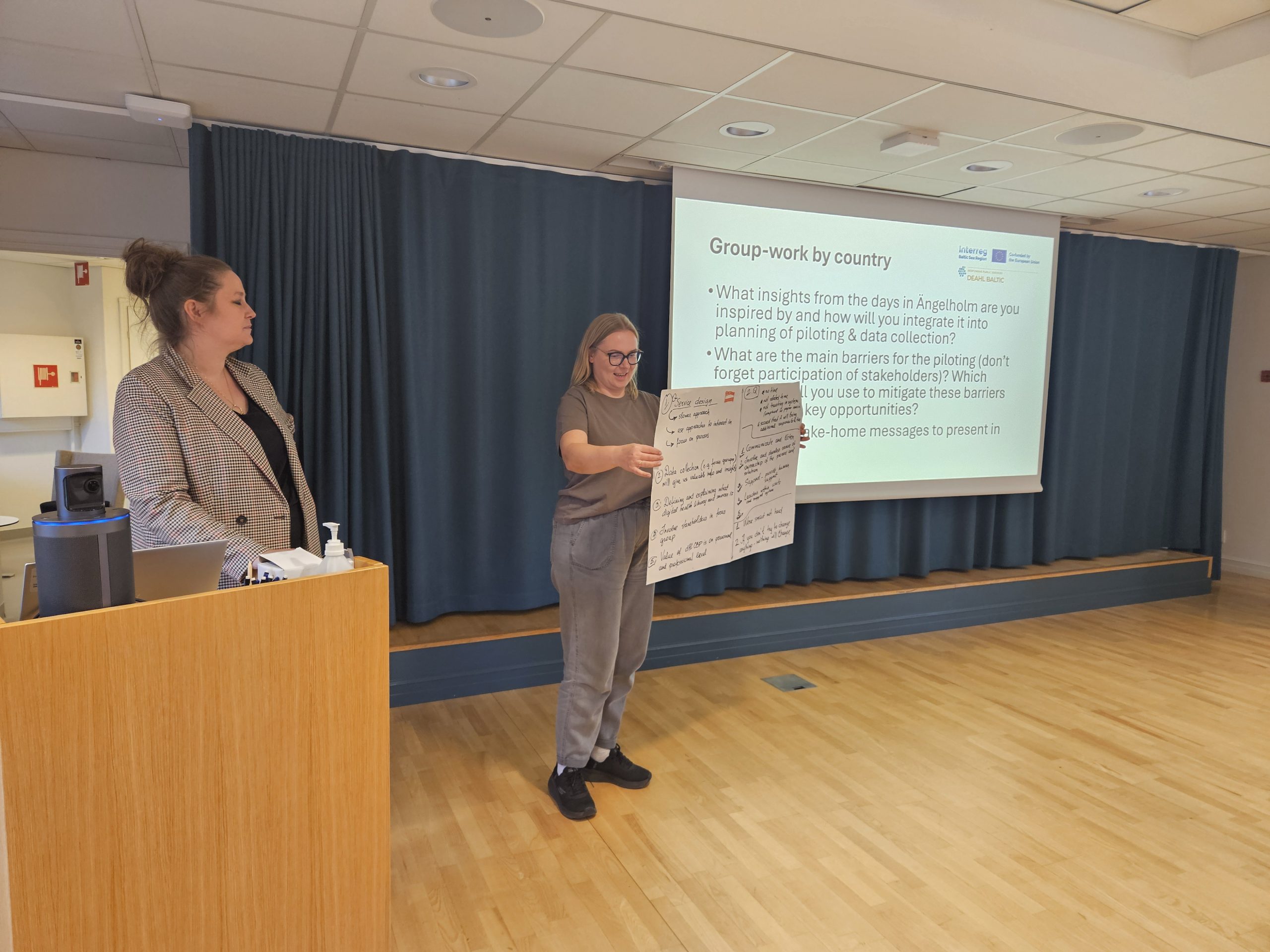
The discussions also highlighted experiences from different countries – Germany shared the challenges faced in midwifery, while Denmark and Finland emphasized their practices in the field of digital health. The Latvian team presented potential obstacles to the implementation of the pilot project, such as lack of time, low trust in systems, and the habit of maintaining paper-based formats. Proposed solutions included active communication, support, and stakeholder involvement, which foster a sense of shared responsibility and motivate the use of new tools.
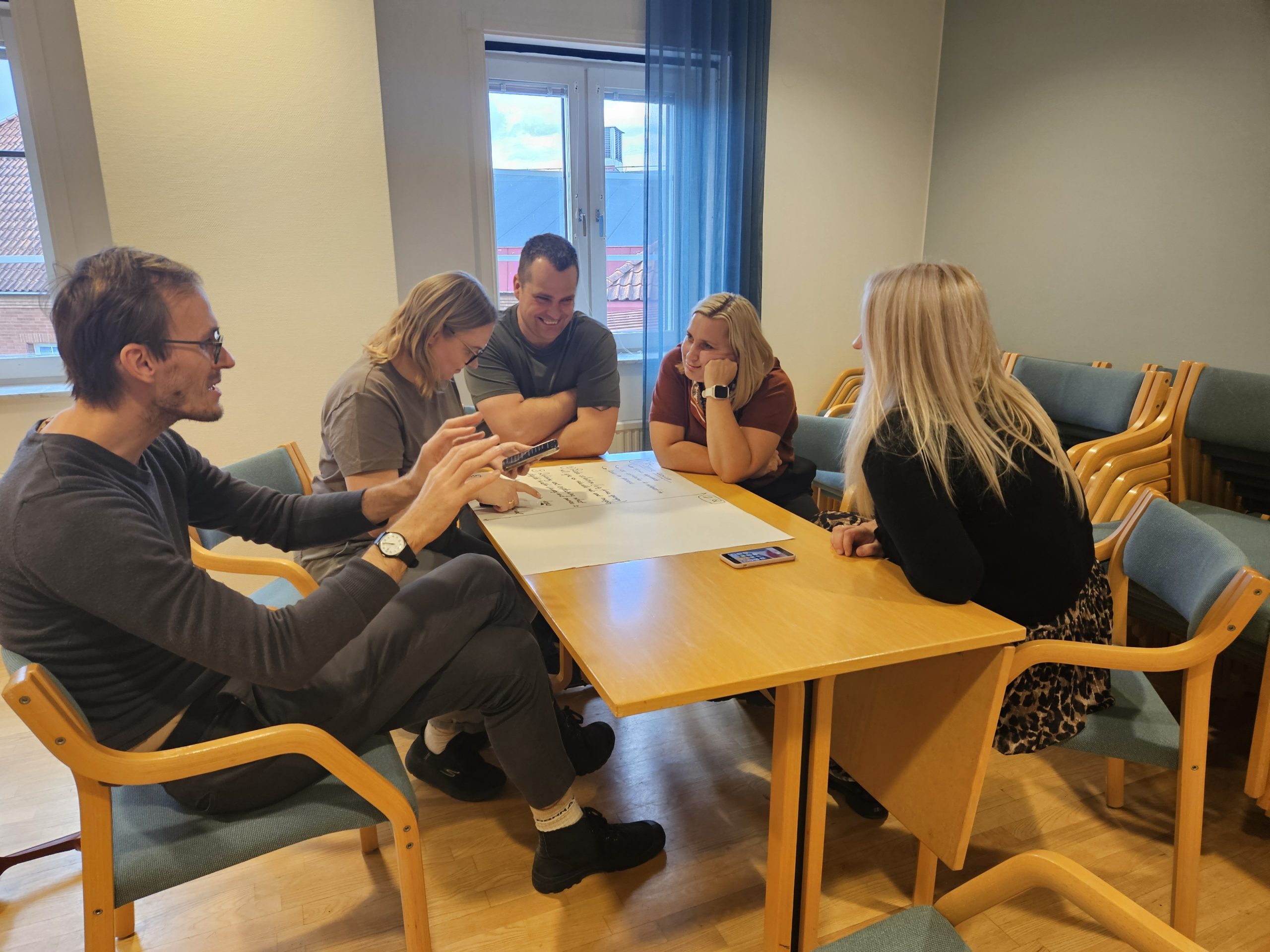
On the final day, the Vidzeme Planning Region team led a working group that analyzed stakeholder engagement approaches in different countries. The discussions highlighted that healthcare system actors – patients, medical professionals, state institutions, and technology developers – collaborate in different ways in each country, yet the exchange of experiences opens up new opportunities to strengthen cooperation in Latvia. Within the working group, visual models and “spider diagrams” were developed to compile and compare the structures of various national healthcare systems. As a result, concrete ideas emerged on how to promote collaboration between patients and professionals in Latvia in order to create solutions that genuinely meet people’s needs.
Project Manager L. Ābele emphasized: “The most important insights were about how to foster closer collaboration between patients and healthcare professionals in the Baltic Sea region in order to find solutions that truly meet people’s needs. Within the project, we will continue to engage various stakeholders and strengthen their cooperation, with particular attention to the opportunities that digitalization offers for the development of healthcare.”
The meeting in Ängelholm confirmed that the development of digital health literacy is not just a matter of technology – it is a process that requires engagement, collaboration, and trust. By bringing together the experiences and approaches of different countries, the DEAHL Baltic project partners are one step closer to their goal – creating sustainable, people-centered, and digitally supported solutions for healthcare in the Baltic region.
About the project
This event was organized within the framework of the INTERREG EUROPE Programme 2021–2027 project DEAHL Baltic. The aim of DEAHL Baltic is to reduce social disparities, improve access to healthcare, and promote more equitable digital healthcare across the region by strengthening digital health literacy among healthcare professionals and organizations.