From 2–4 June, the third interregional exchange visit of the Interreg Europe 2021–2027 project Agro Building Carbon/ABC: quantifying carbon removal farm-sourced building materials took place in Bucharest and several regions of Romania. Representatives of the Latvian partners – Vidzeme Planning Region and Vidzeme University of Applied Sciences – participated alongside regional experts involved in the project: Chairman of the Board of the Latvian Organic Agriculture Association and owner of the “Gaiķēni” farm, Mārtiņš Gaiķēns, and Vidzeme University of Applied Sciences expert Uldis Grīnfelds. The visit focused on agricultural and bioeconomy solutions that promote carbon sequestration, the use of bio-based materials and the implementation of circular economy principles.
During the visit, project partners explored various examples of how agricultural biomass and organic resources can become valuable raw materials to produce bio-based products and construction materials. The programme combined expert discussions with study visits to companies and farms demonstrating sustainable farming practices in action.
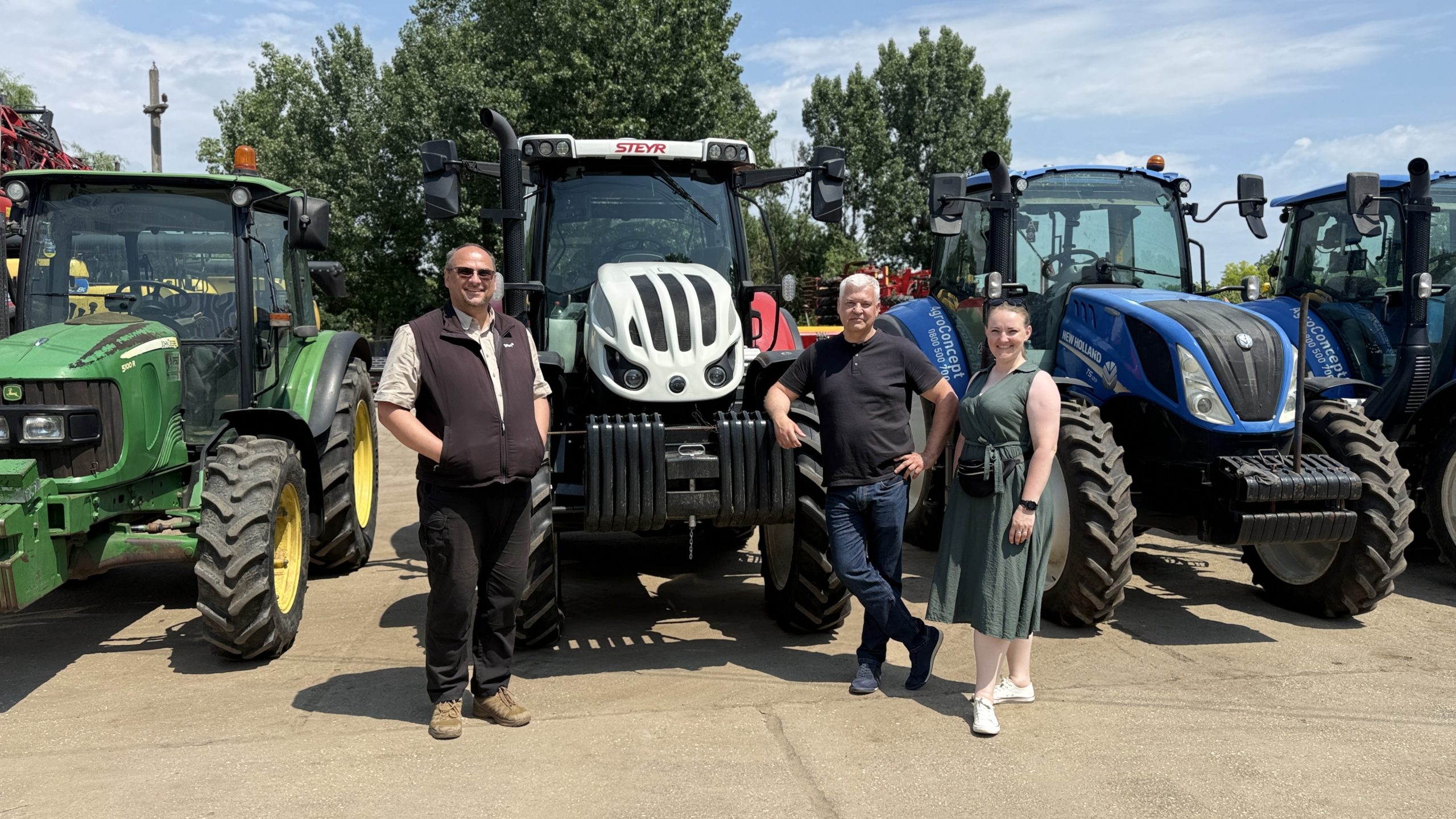
In discussions with Romanian farmers, economic challenges facing the sector were a recurring topic. Farmers highlighted the significant increase in the costs of fuel, fertilisers, plant protection products and other agricultural inputs in recent years. Under these conditions, the introduction of new regulations and additional requirements often places further pressure on farmers. As a result, sustainability measures and climate objectives must not only be environmentally beneficial but also economically viable and practical for everyday farm operations.
Partners from Slovenia noted that change is often driven not only by economic benefits but also by farmers’ personal responsibility towards their land and their desire to preserve it for future generations. This motivation frequently becomes the foundation for new initiatives and policy changes, even when the financial return is not immediate or substantial.
In Latvia, the use of bio-based construction materials is gradually gaining popularity, particularly in private housing. However, development in this field is currently driven more by individual initiatives and market demand than by targeted public policy. According to Inguna Kucina, Project Manager at Vidzeme Planning Region, one of the key challenges is demonstrating the added value created by bio-based materials throughout the entire value chain.
“We are increasingly discussing the use of hemp, straw and other bio-based materials in construction. However, to develop effective policies, it is important to better understand the links between agricultural crops, the construction sector, carbon sequestration and the circular economy,” emphasises I. Kucina.
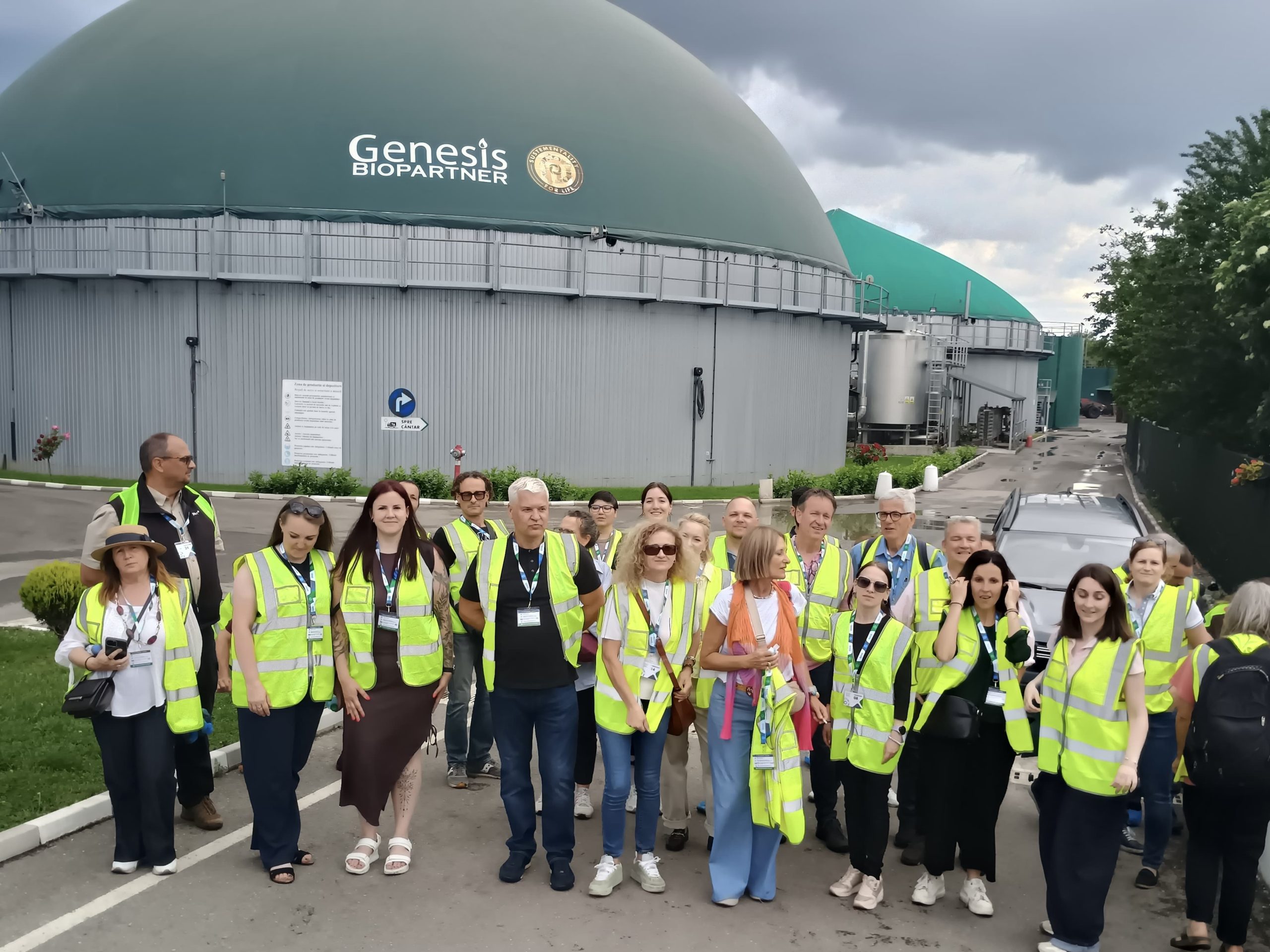
During the good practice visits, partners explored several examples of how agricultural biomass and organic resources can contribute to circular economy solutions and carbon sequestration. At Genesis Biopartner, participants learned about technologies that convert agricultural biomass and organic waste into renewable energy. At Agri Sol and the farm of Tudor Marian, they were introduced to regenerative agriculture practices that improve soil health, increase carbon storage and make more efficient use of available farm resources.
Project partners also met with representatives of the Romanian Farmers’ Club, who outlined key challenges facing the agricultural sector in Romania. They noted that 44.3% of Romanian farmers are over 65 years old, while only 12% are under 45. Romania also ranks last in the European Union in terms of digital service integration. Attention was given to knowledge transfer and entrepreneurial skills development. Partners learned about the Entrepreneur in Agriculture 4.0 programme, which helps farmers strengthen their skills in business management, digital solutions and risk management. More than 110 farmers have graduated from the programme to date, supporting the introduction of new knowledge and innovation across the sector.
At Roman Nurseries (Cherry Paradise), the focus shifted to sustainable fruit production. The farm combines modern orchard management practices with the reuse of plant residues and rural tourism activities. Participants learned how fruit-growing biomass can be used responsibly while improving soil quality, reducing organic waste and creating economic benefits for local communities.
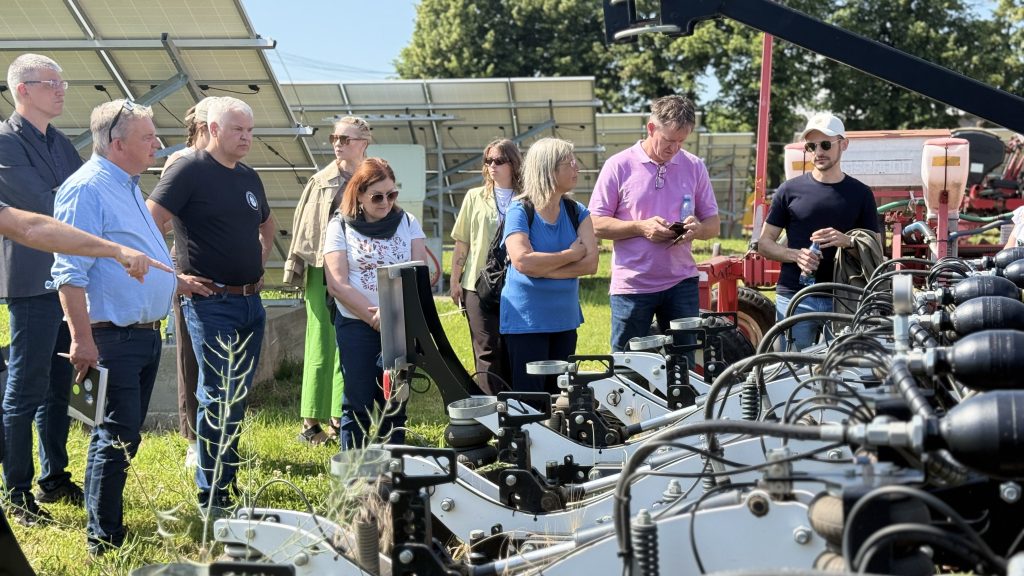
On the final day, partners visited farmers in Giurgiu County, where minimum tillage technologies used in large-scale grain production were demonstrated. The farm serves as an example of how productive agriculture can be combined with soil restoration, biomass utilisation and climate mitigation measures. This approach helps reduce carbon emissions and supports the transition towards a more sustainable agricultural system. Participants also discussed how conditions for establishing agricultural businesses and obtaining the necessary certifications still differ significantly across EU Member States, creating unequal competitive conditions for farmers.
The experience gained during the visit confirmed that the transition towards more sustainable and climate-friendly agriculture is only possible when it also delivers tangible benefits to farmers. As production costs continue to rise and economic uncertainty persists, it is increasingly important to identify solutions that help maintain soil fertility, make better use of local resources, reduce emissions and create new business opportunities. This is precisely the objective of the ABC project – to strengthen cooperation between the agriculture, construction and bioeconomy sectors so that agricultural biomass and bio-based materials can become important resources for sustainable regional development and climate action across Europe.
About the project
This visit was organized within the framework of the INTERREG EUROPE Programme 2021–2027 project Agro Building Carbon/ABC. The project aims to improve regional policy instruments to create economic opportunities for the production of bio-based building materials and the associated value chain. This goal is to be achieved by adopting good practice examples regarding these materials and related support policies, particularly carbon sequestration certification.