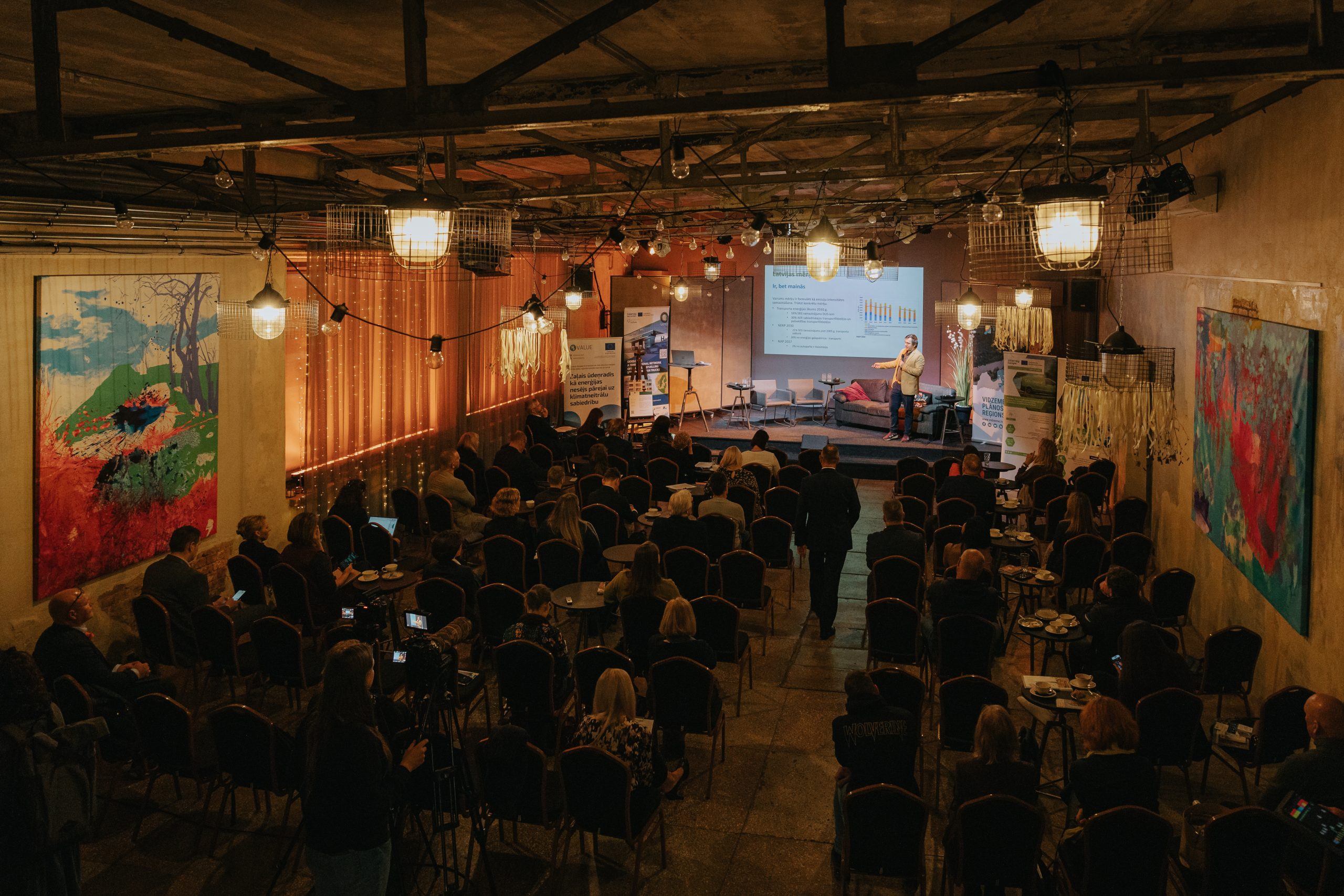
On October 17, the conference “EnergoDialogs 2025”, organized by the Vidzeme Planning Region, took place in Līgatne at the creative quarter “Zeit”. The event brought together 79 participants – representatives of national and local government institutions, municipalities, businesses, and industry organizations, as well as stakeholders of the RESONANCE project, to discuss two of the most important themes for achieving climate neutrality: building energy efficiency and sustainable transport in regions.
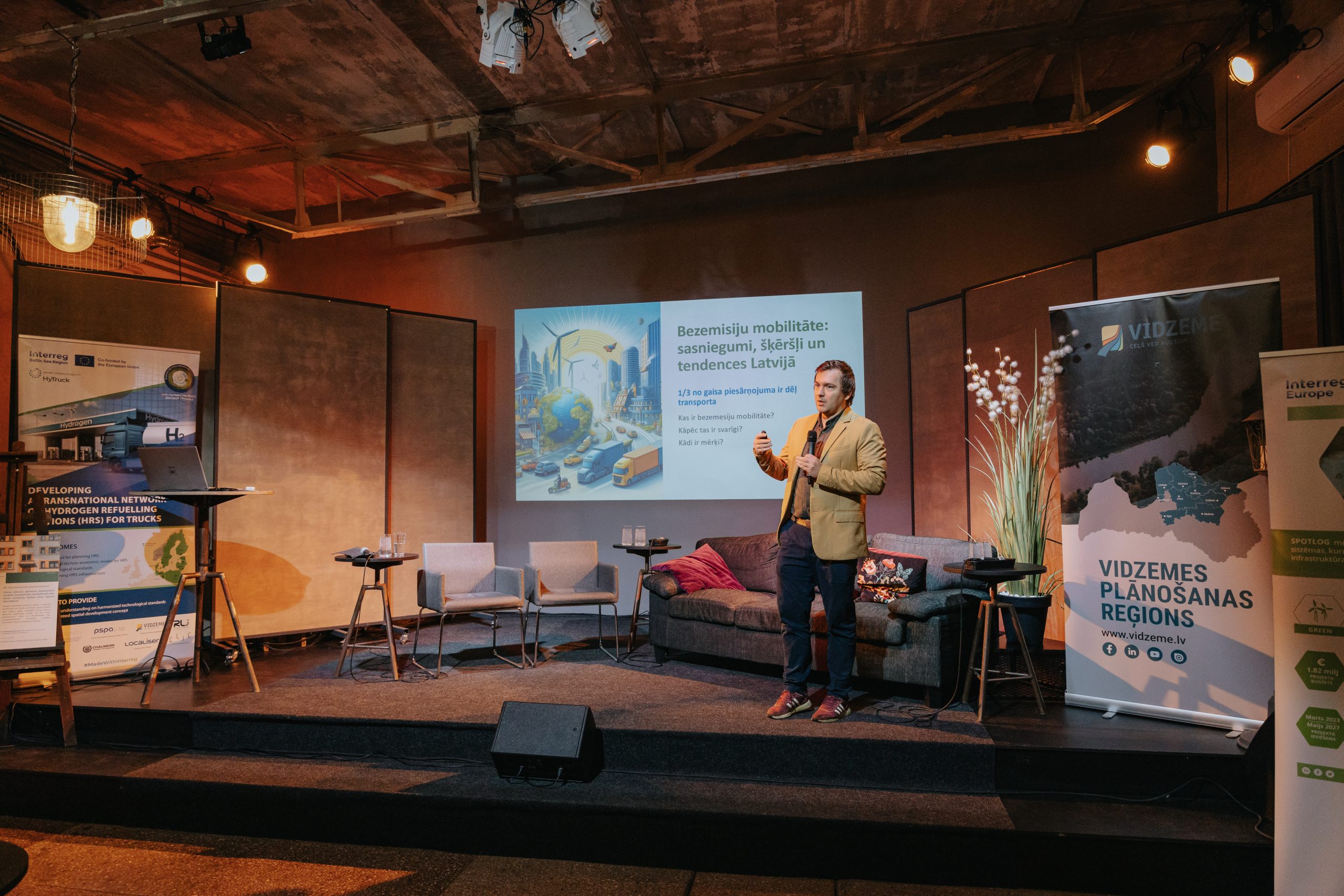
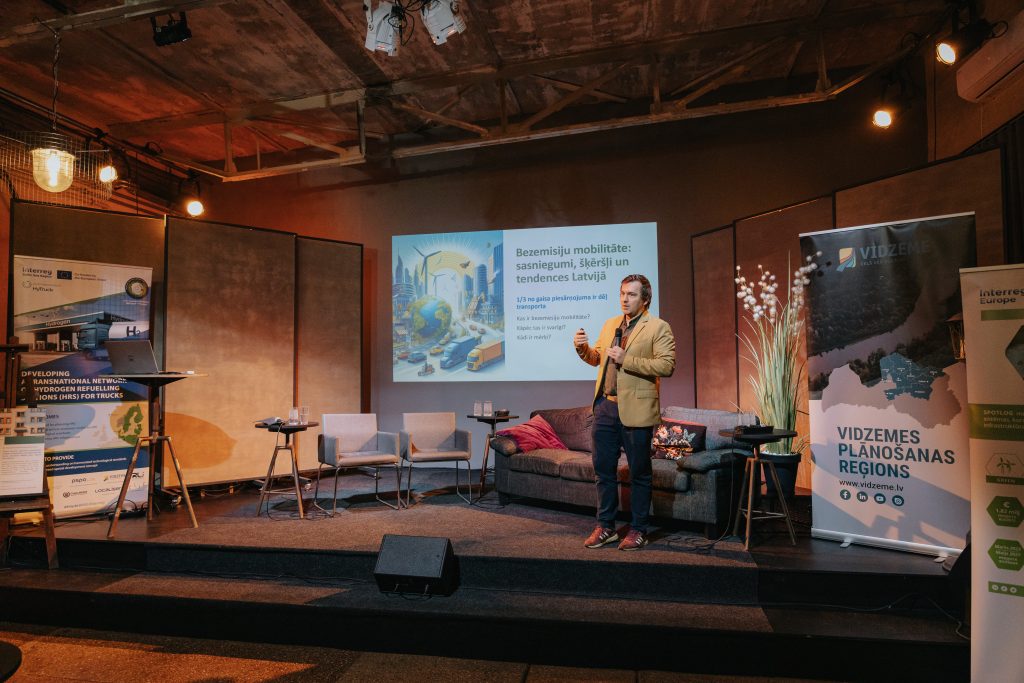
According to data from the Central Statistical Bureau of Latvia, the energy sector, including transport, accounts for around 65% of total greenhouse gas emissions in the country. This was also highlighted by Kārlis Mendziņš, representative of the Latvian Electric Vehicle Association, who emphasized: “In Latvia, where transport remains the most challenging sector in terms of greenhouse gas emissions, technological solutions already exist, yet the faster development of electrification is hindered by a lack of political will and clear targets.”
He noted that transport and mobility should become an integral part of the energy sector – not only consuming energy but also providing feedback, for example through vehicles capable of supplying electricity back to the grid, or through smart lighting solutions that help reduce consumption and improve traffic safety.
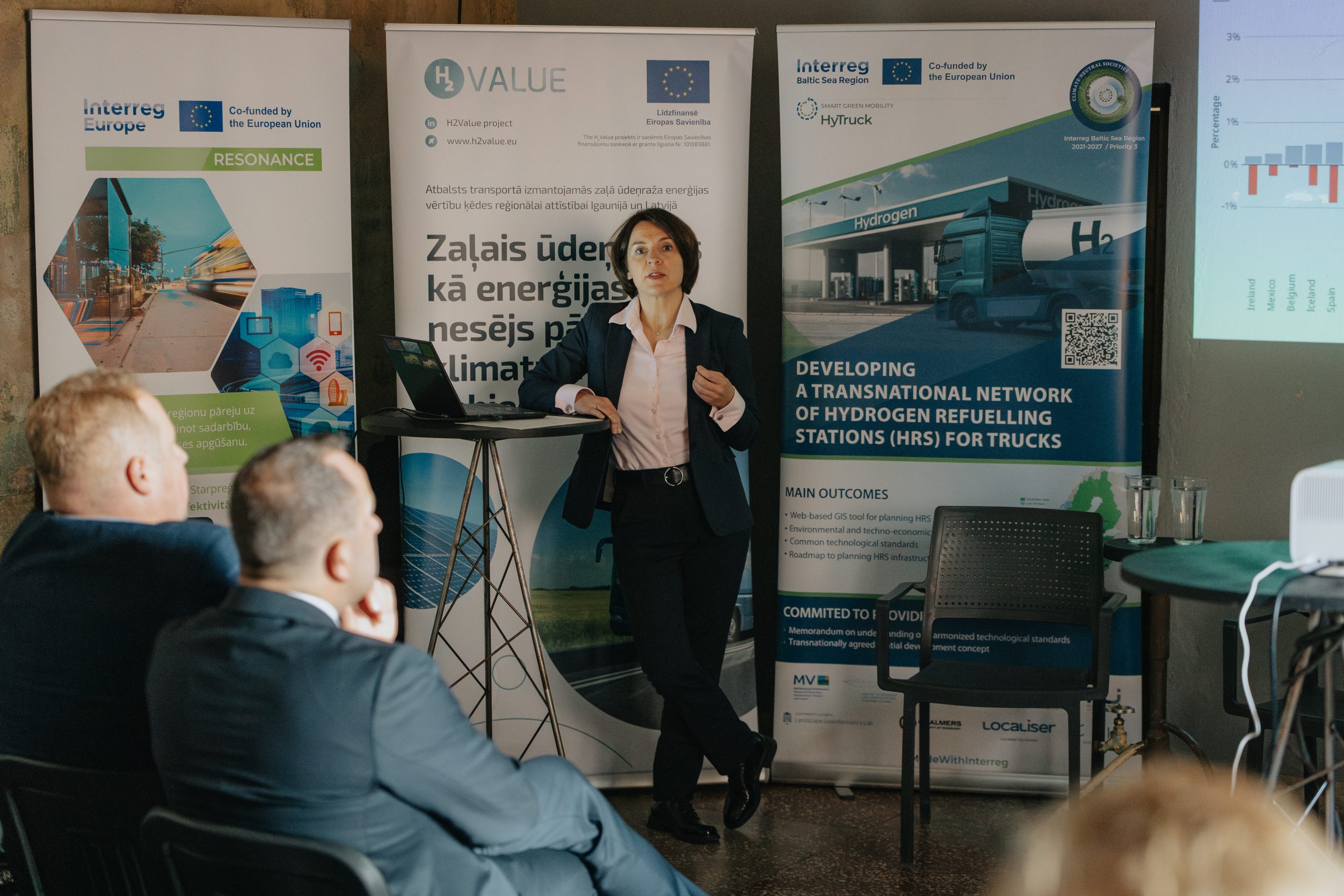
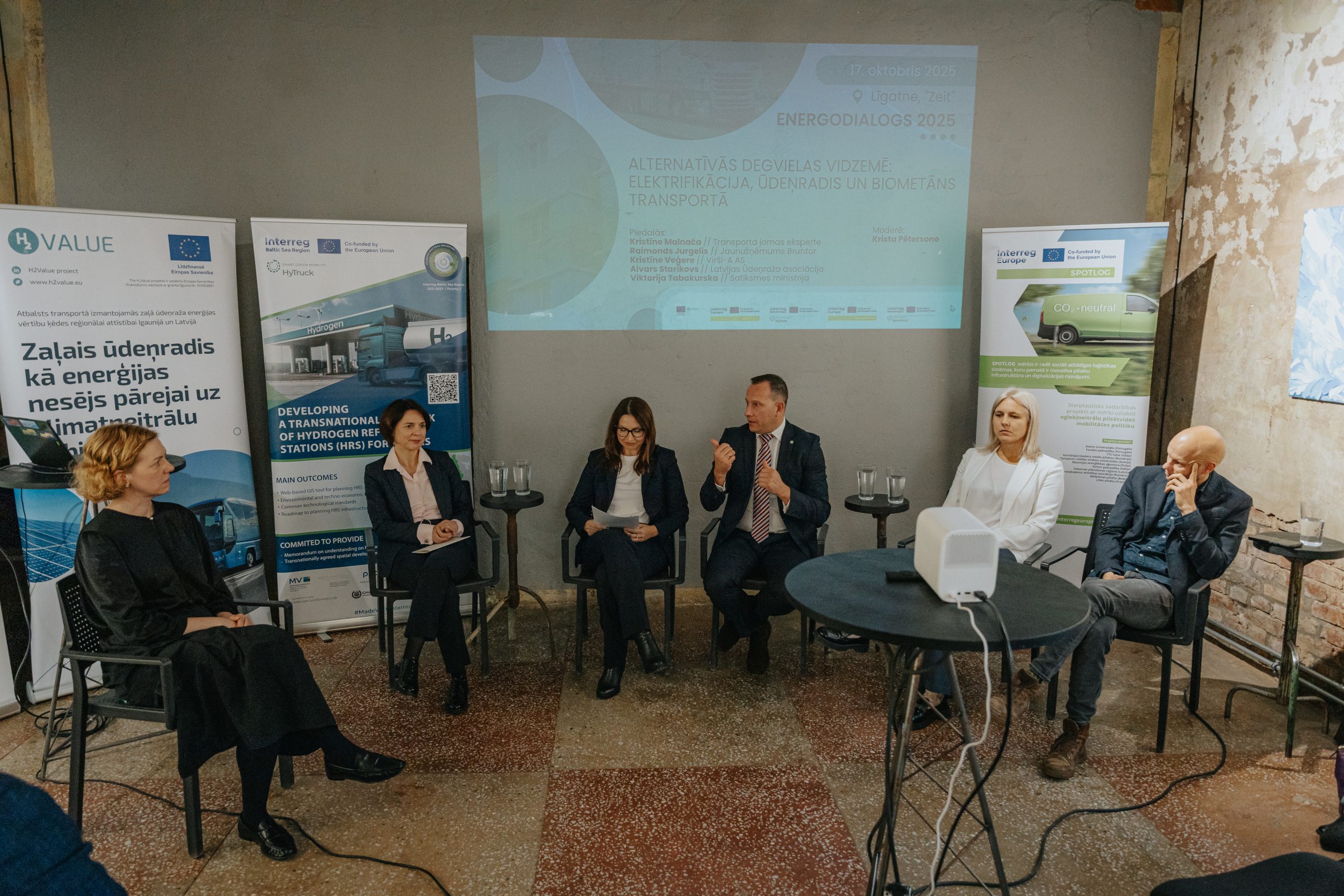
Special attention in the conference programme was devoted to the transport session “Alternative Fuels in Vidzeme: Electrification, Hydrogen, and Biomethane in Transport”, where experts from companies and industry organizations analysed regional mobility development and investment opportunities, as well as evaluated pilot project experiences and regulatory challenges.
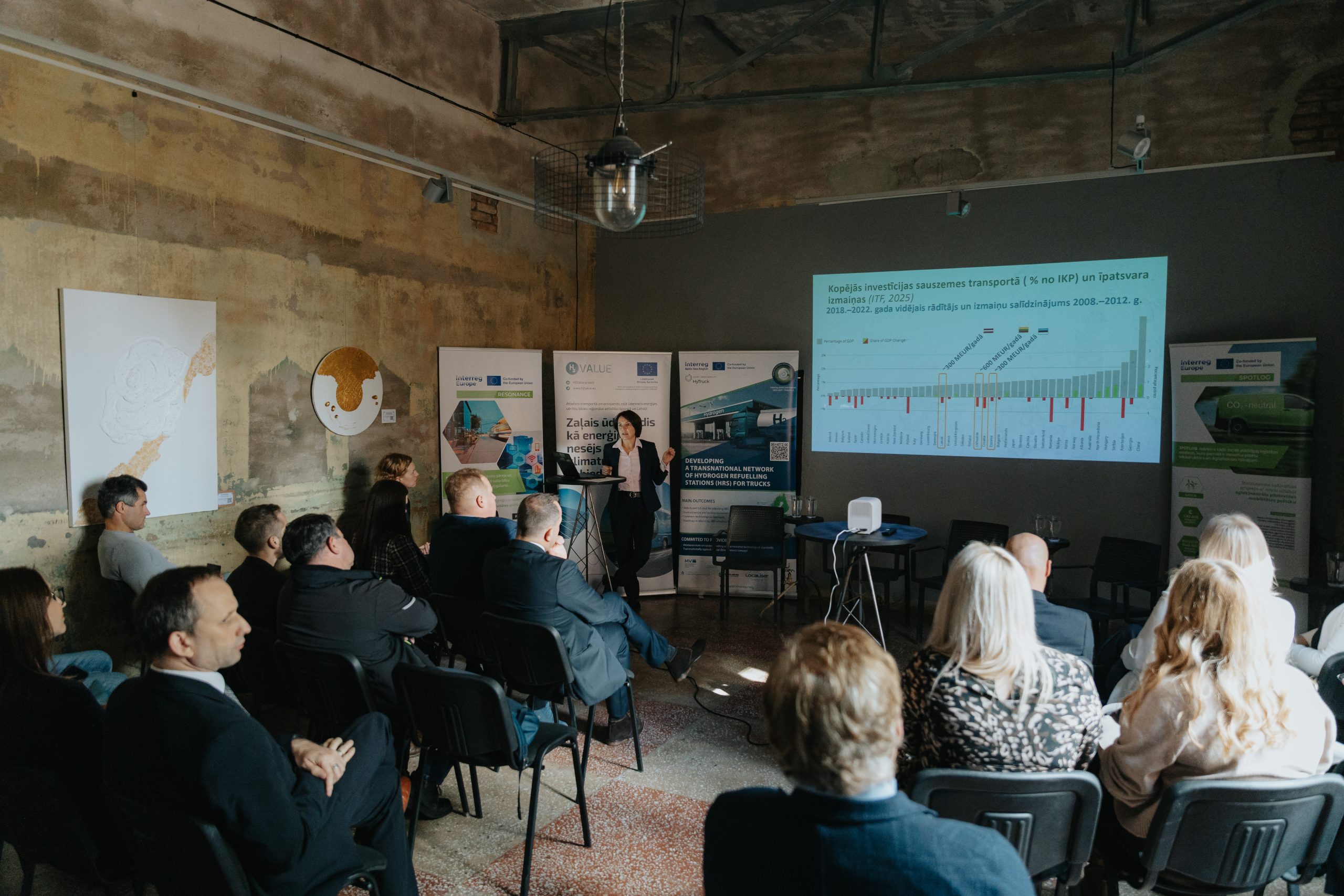
During the session, Krista Pētersone, representative of the Vidzeme Planning Region, introduced participants to the objectives of the RESONANCE project, emphasizing the importance of energy efficiency and its benefits for infrastructure improvement. She also mentioned municipalities that are actively working in this area and encouraged participants to share experiences and best practices.
Participants expressed interest in taking part in project activities, visiting good practice examples, and sharing knowledge, to jointly strengthen the capacity of regions to implement climate-neutral solutions.
Speakers stressed that the development of sustainable mobility is not only a technological matter – it also requires political will, a stable regulatory framework, and investment security. Experts agreed that a one-size-fits-all approach does not work, and that locally adapted models are essential to ensure effective and lasting change.
As part of the conference, a panel discussion on energy efficiency policy was also held, featuring Tālivaldis Vectirāns, representative of the Ministry of Transport, alongside sector experts and municipal representatives. The discussion highlighted the importance of policy coherence and the need to reduce bureaucratic barriers, enabling innovation and smart technologies to be implemented more widely. Participants agreed that the use of smart solutions, data, and technology can significantly reduce energy consumption and emissions, while also improving quality of life in cities and regions.
In conclusion, participants agreed that the development of sustainable mobility and energy efficiency in Latvia requires close cooperation between the state, municipalities, businesses, and society. Only through well-considered, locally adapted approaches and efficient use of existing resources can long-term results be achieved that meet both people’s needs and environmental objectives. Participants emphasized the importance of active exchange of experience and joint regional projects to test new technologies in practice and accelerate their implementation. The discussion also pointed out the need to improve the public procurement system, as the lowest-price principle often hinders the introduction of innovative and sustainable solutions.
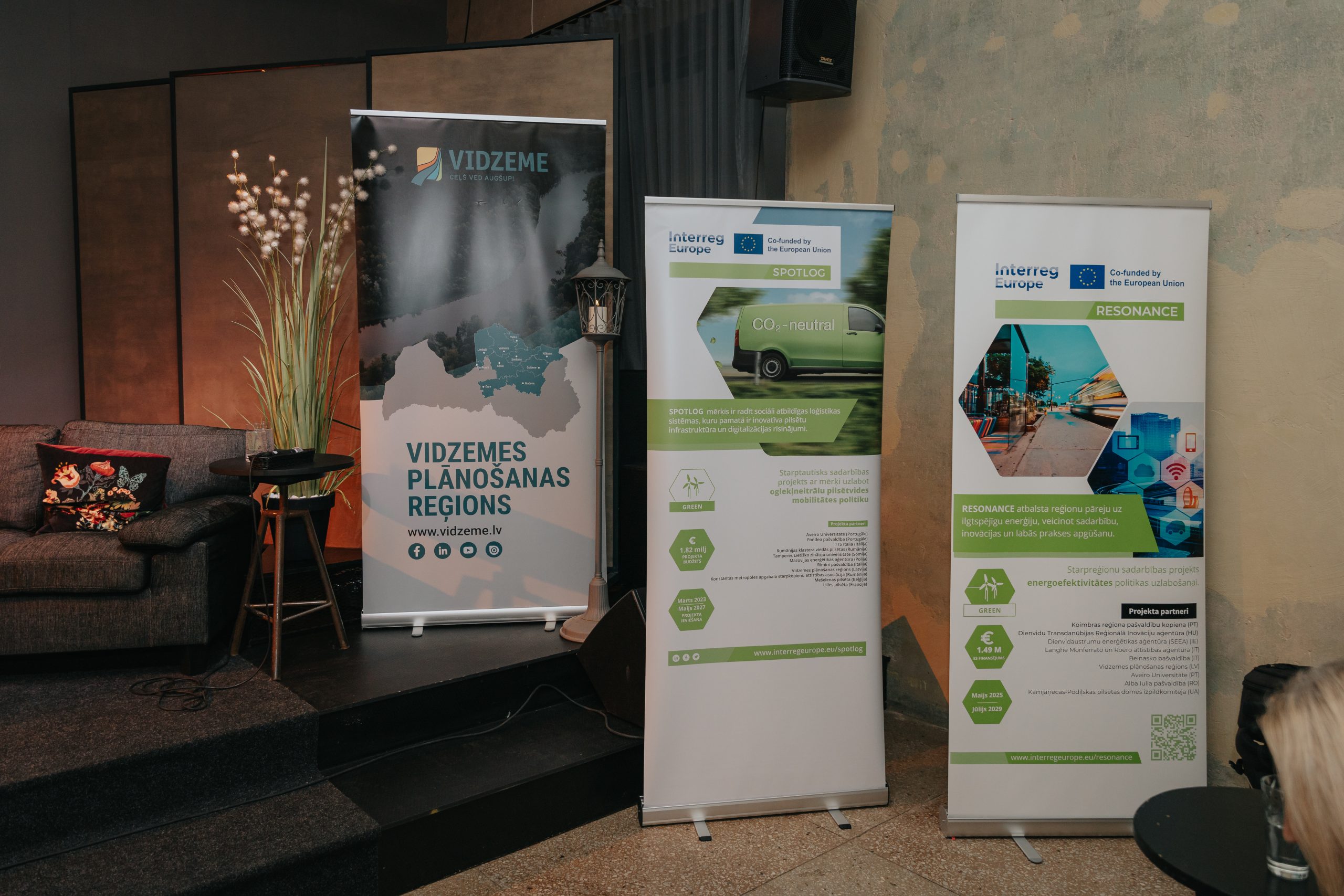
The conference was organized by the Vidzeme Planning Region within the framework of the Interreg Baltic Sea Region Programme projects RenoWave and HyTruck, the Interreg Europe Programme projects RESONANCE and SPOTLOG, as well as the European Regional Development Fund’s Interregional Innovation Investments (I3) Instrument project H2Value.