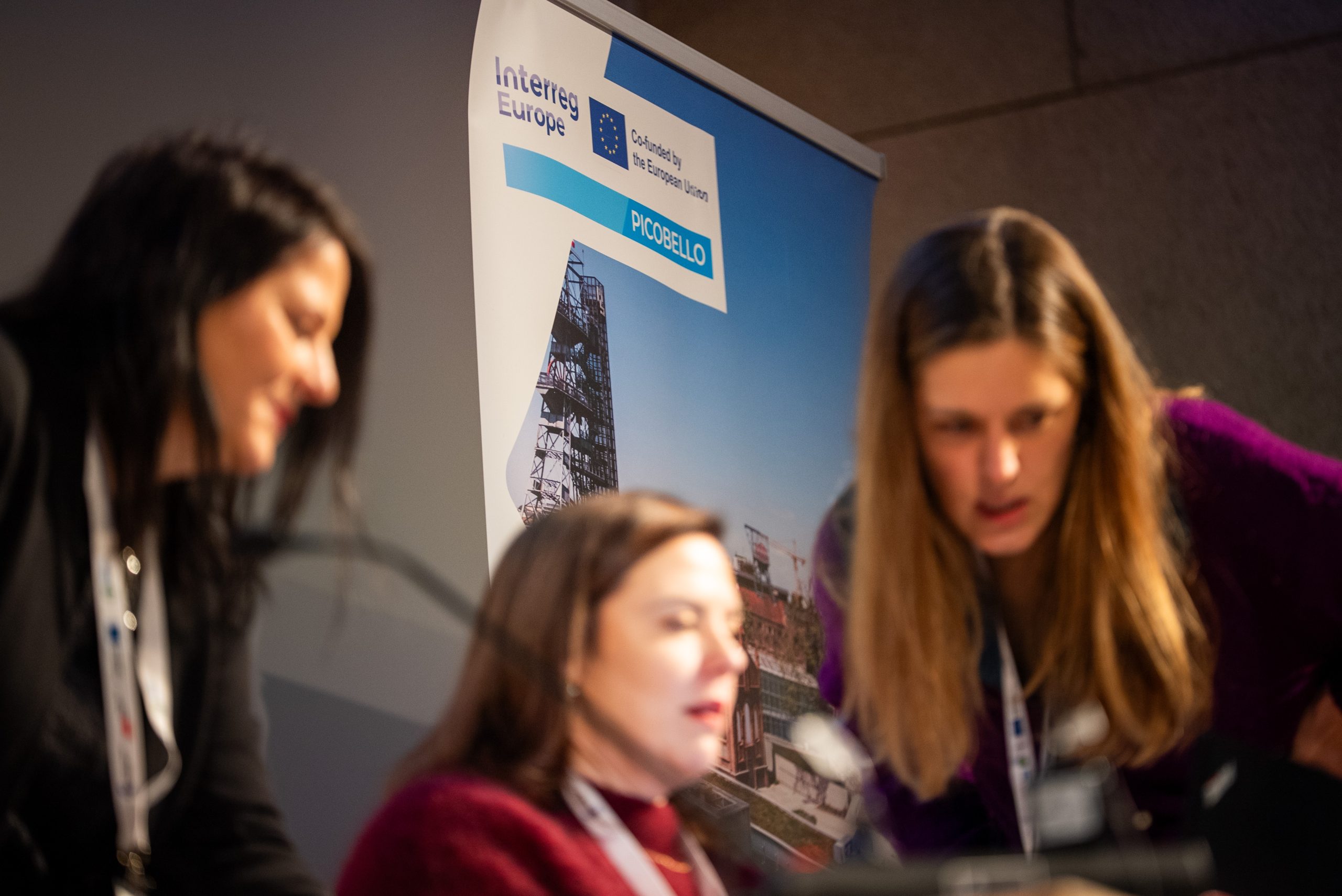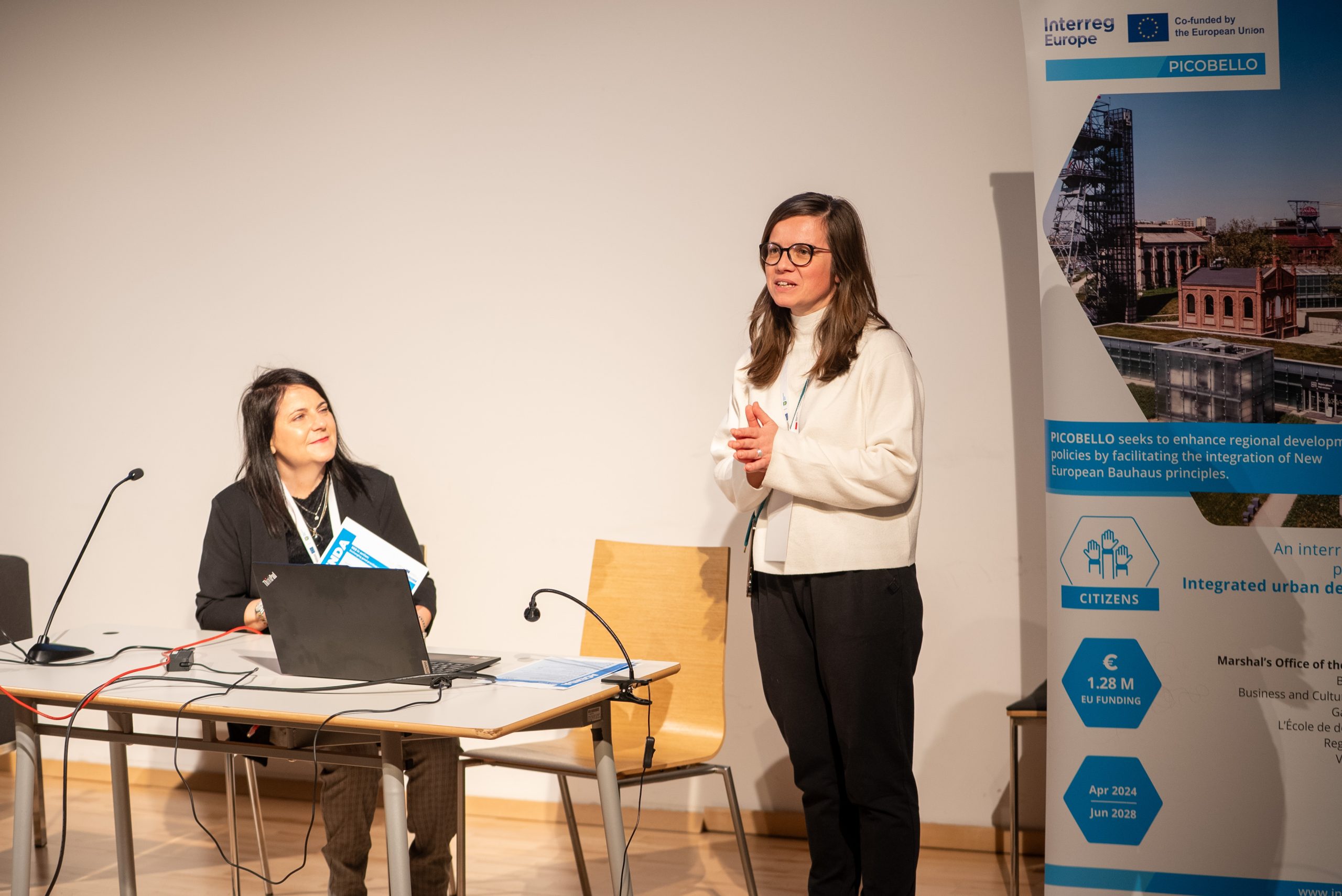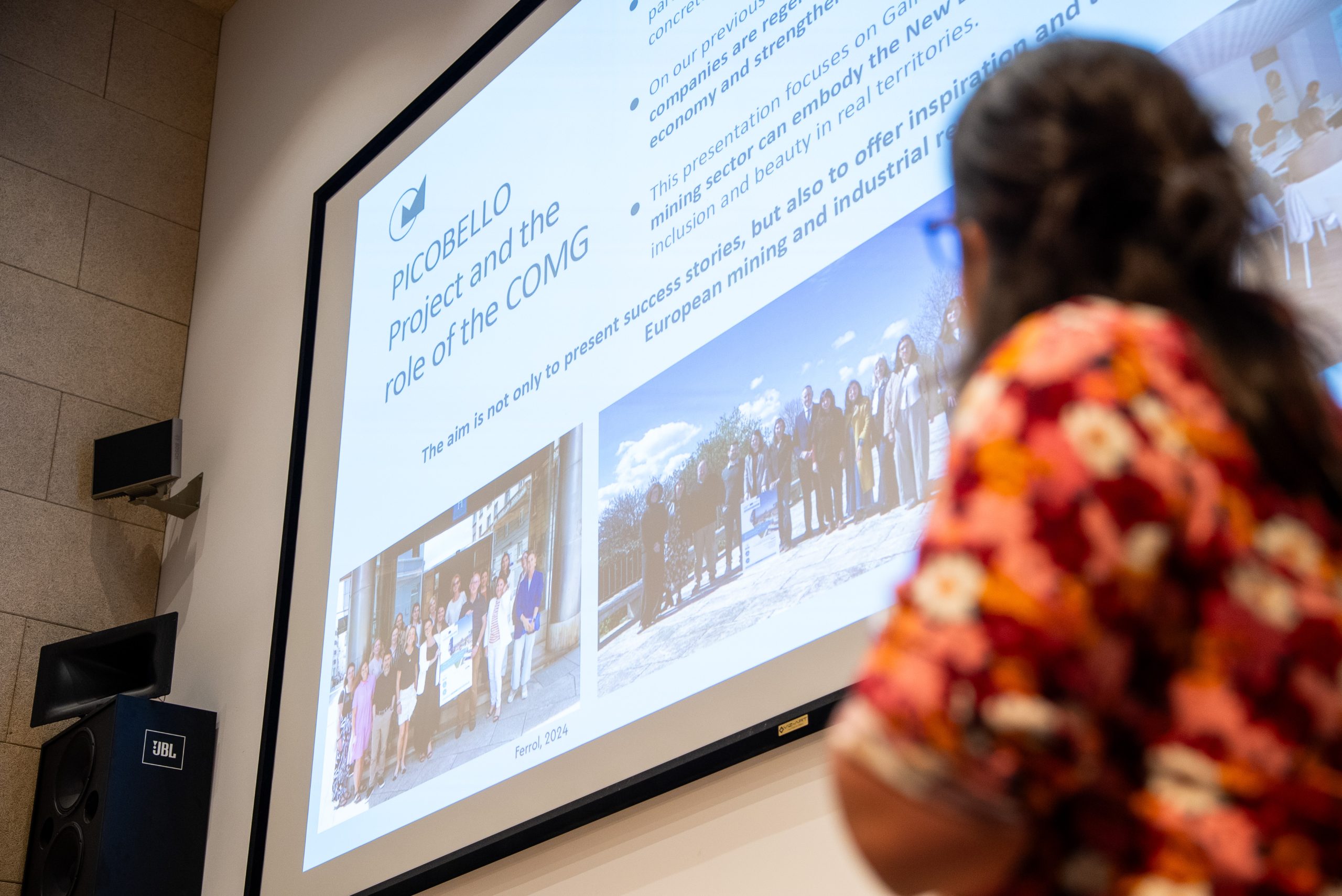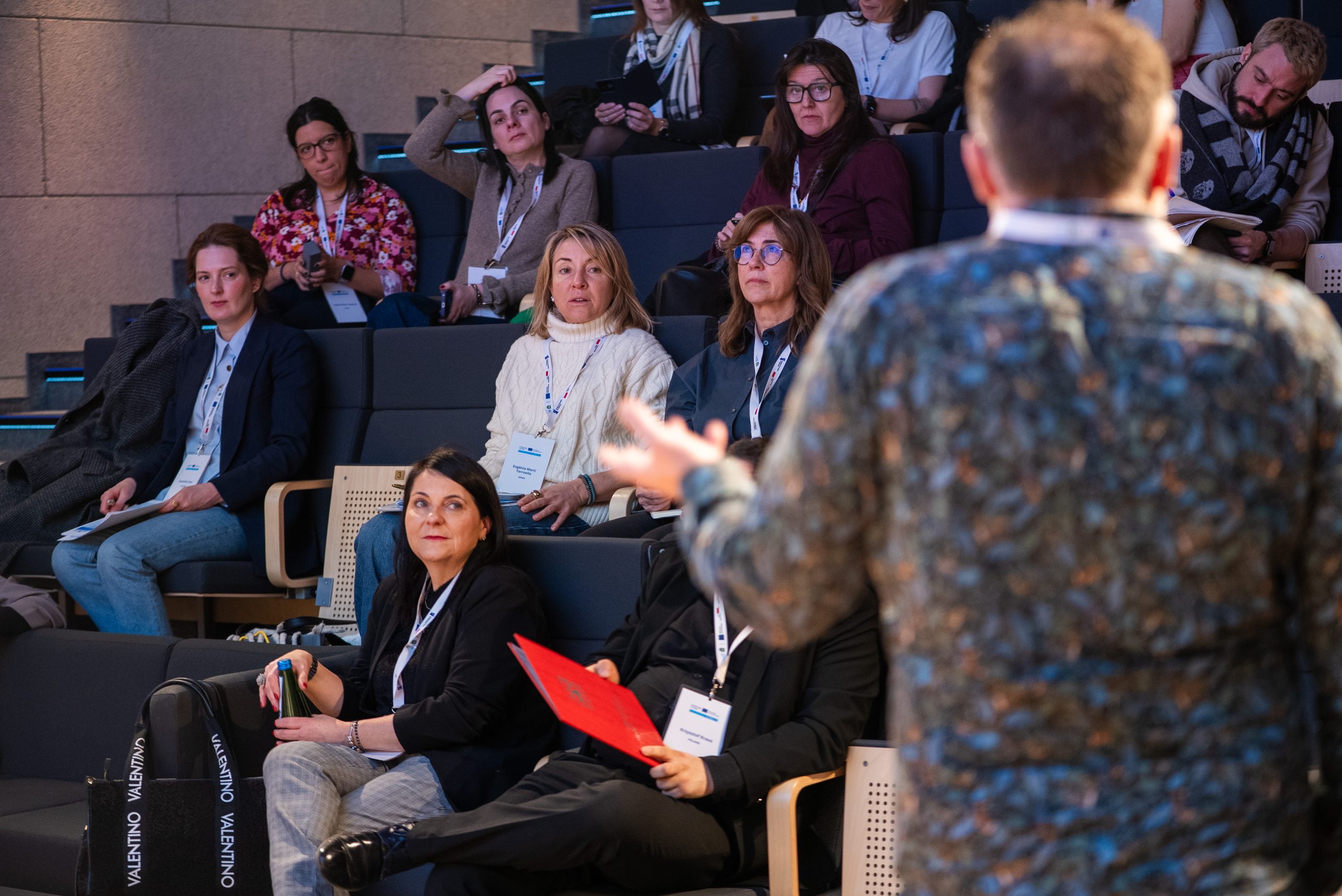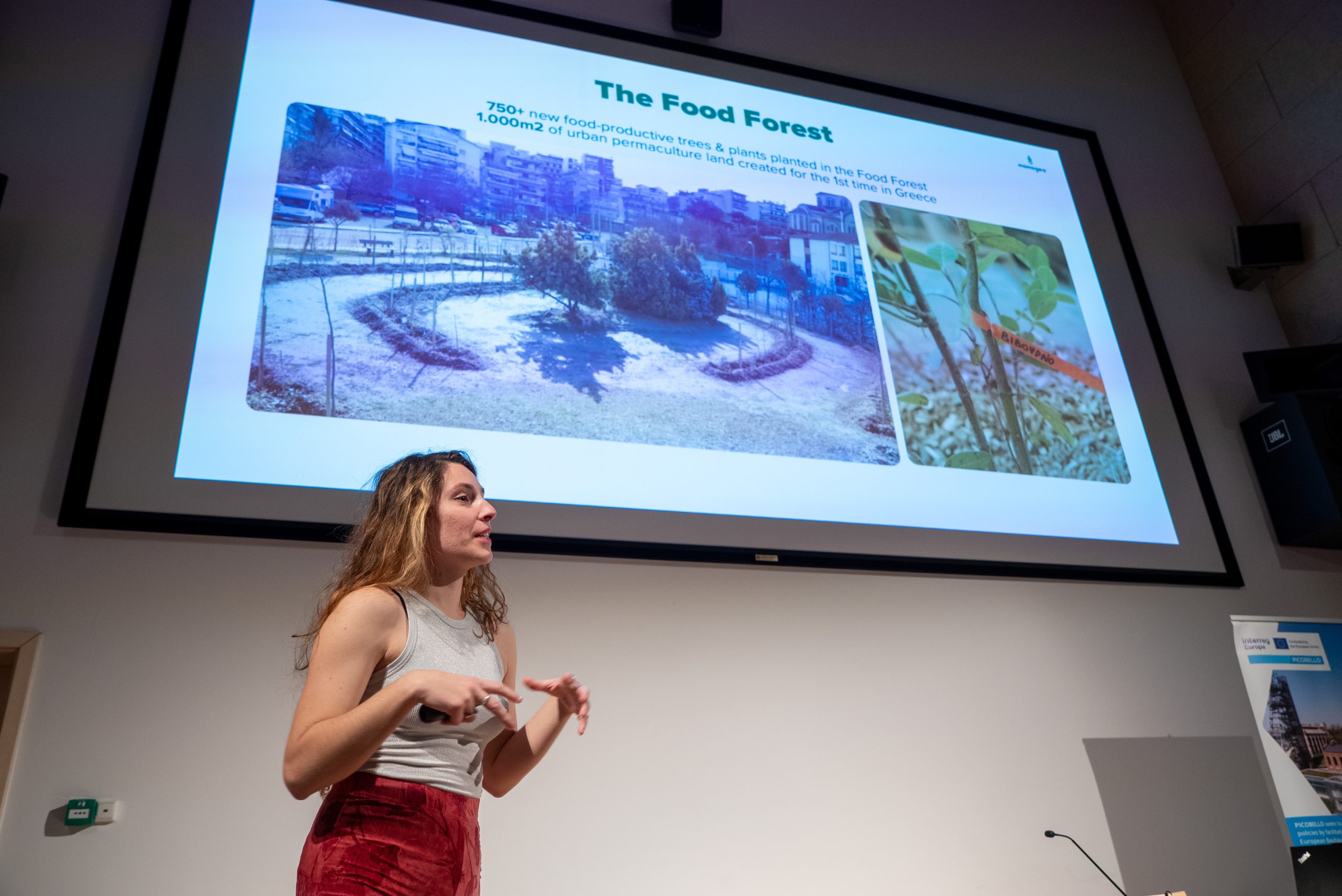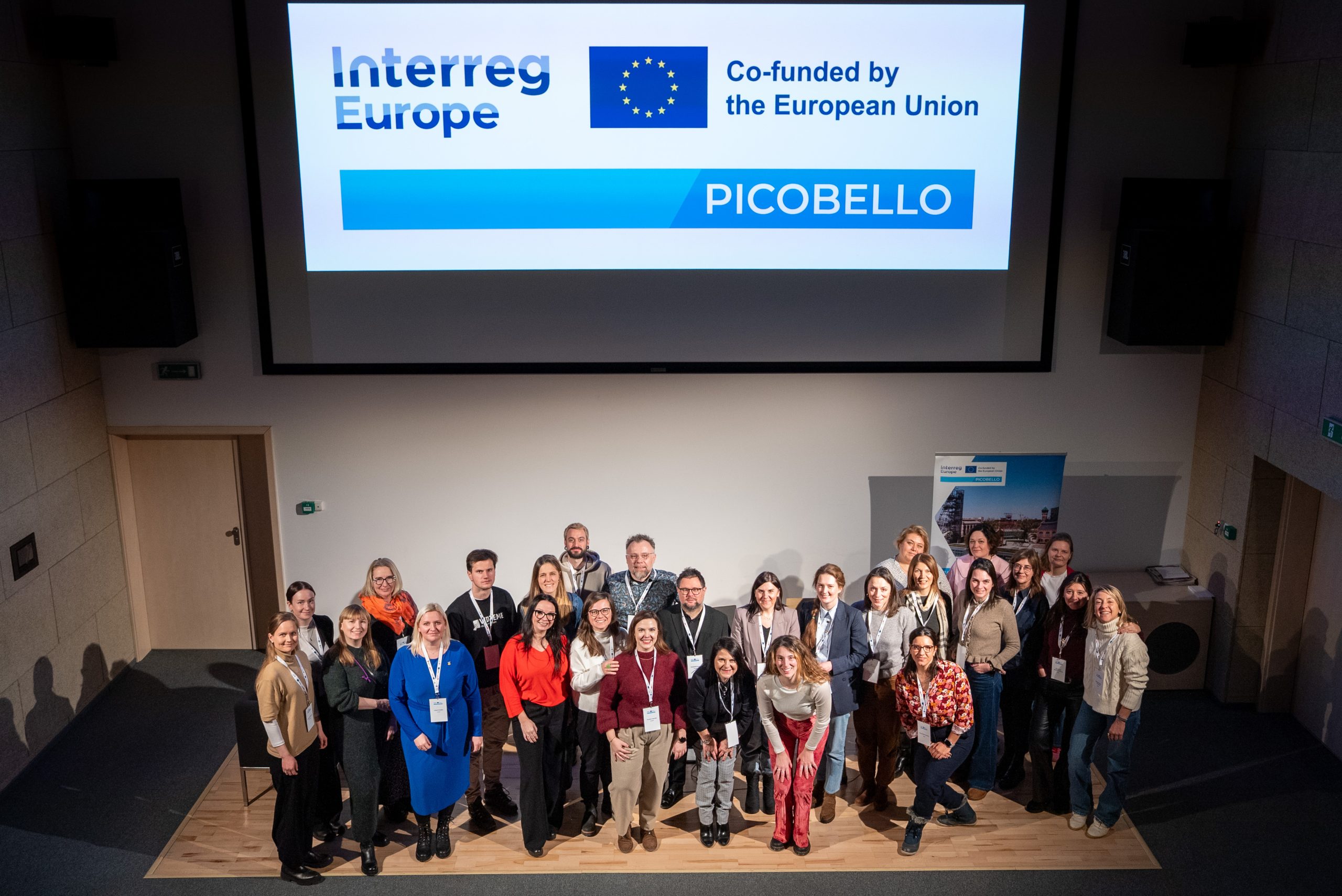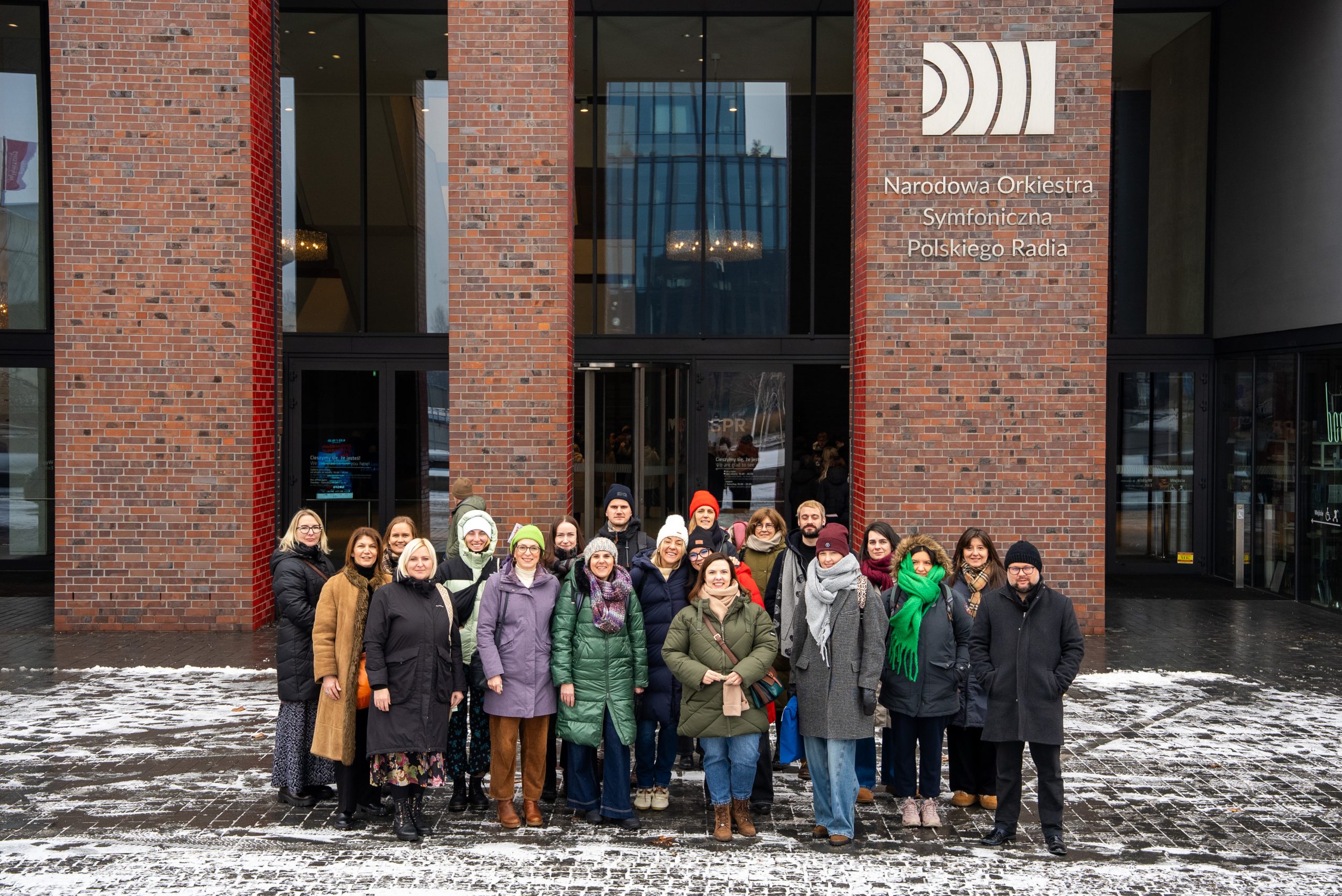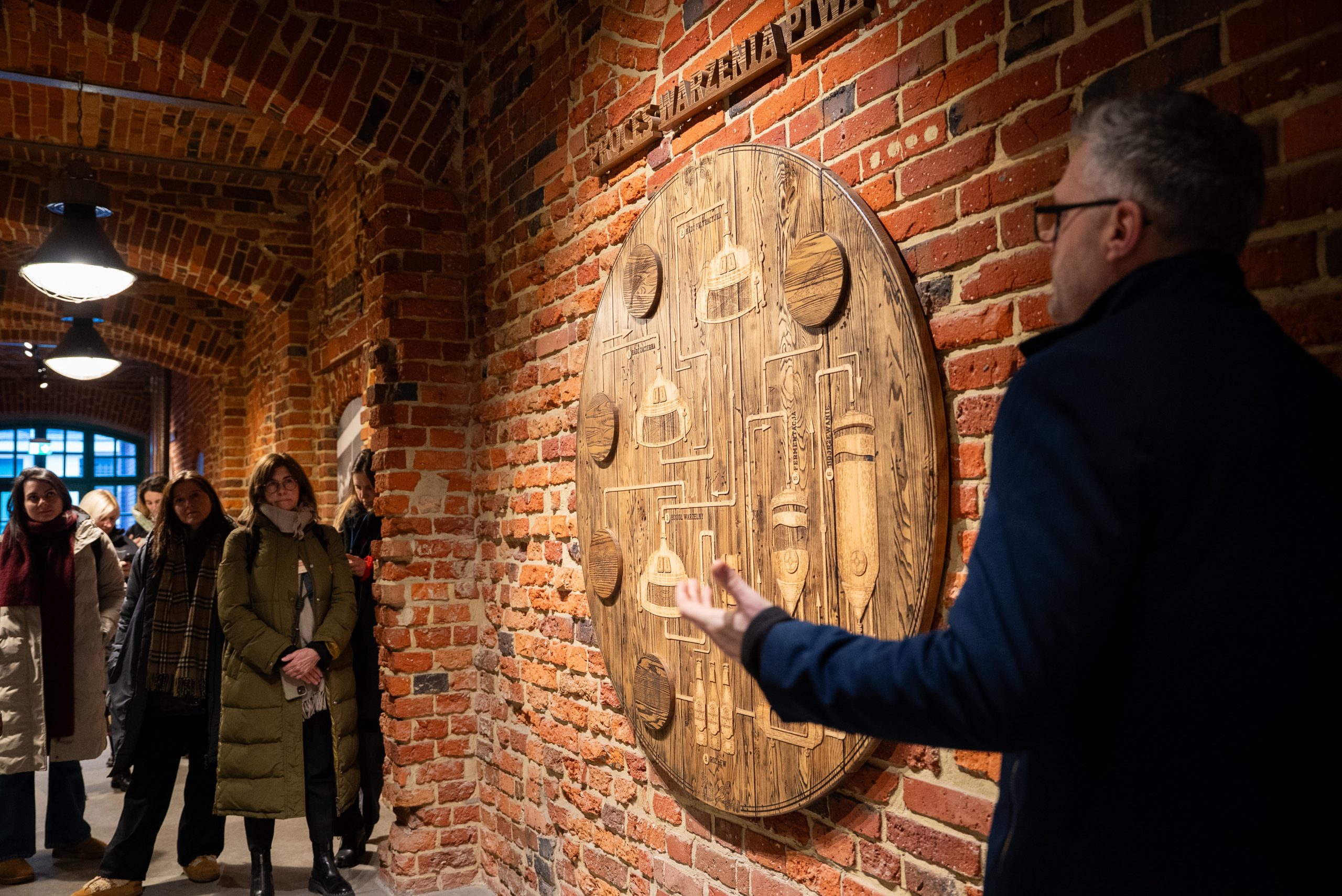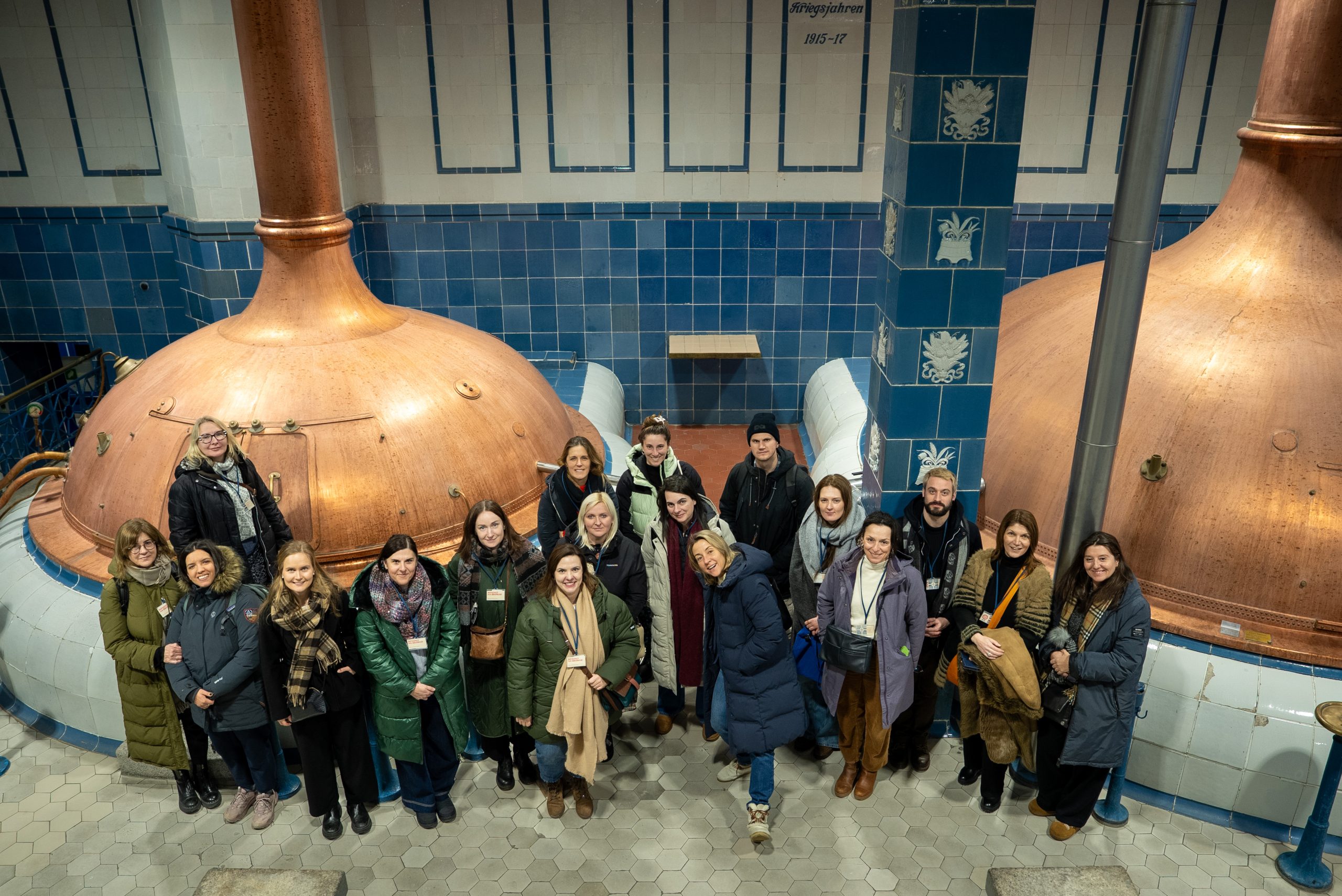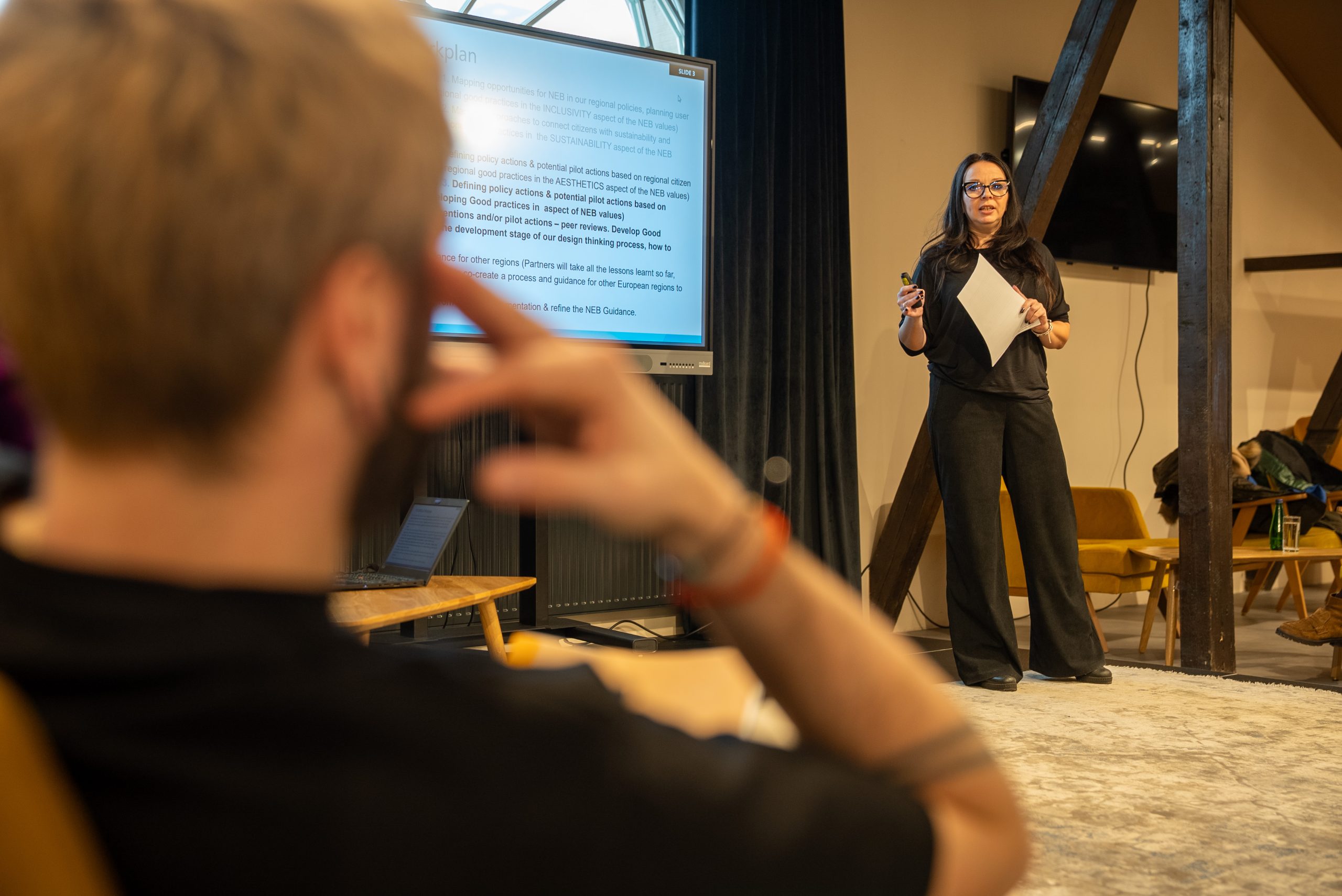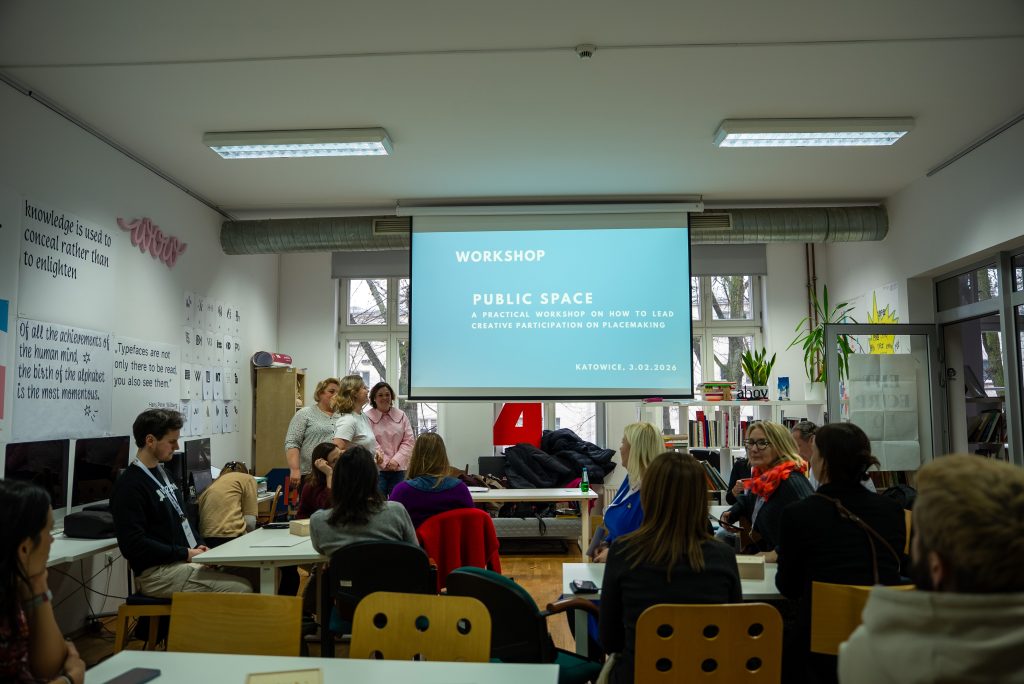
From 2 – 5 February, the fourth partner meeting of the Interreg Europe project “PIloting COllaborative ways to BEtter Living LOcally” (PICOBELLO) took place in Katowice, Poland. The meeting focused on the exchange of good practices, with particular emphasis on designing spaces for specific user groups, placemaking, and the revitalisation and reuse of cultural and historical areas.
The visit was organised by the project’s lead partner, the Marshal Office of the Silesian Voivodeship in Poland. Particular attention was given to the transformation of the Silesian region and the city of Katowice, which have shifted from a heavy industry and coal mining economy towards the development of culture and creative industries as one of the region’s strategic priorities.
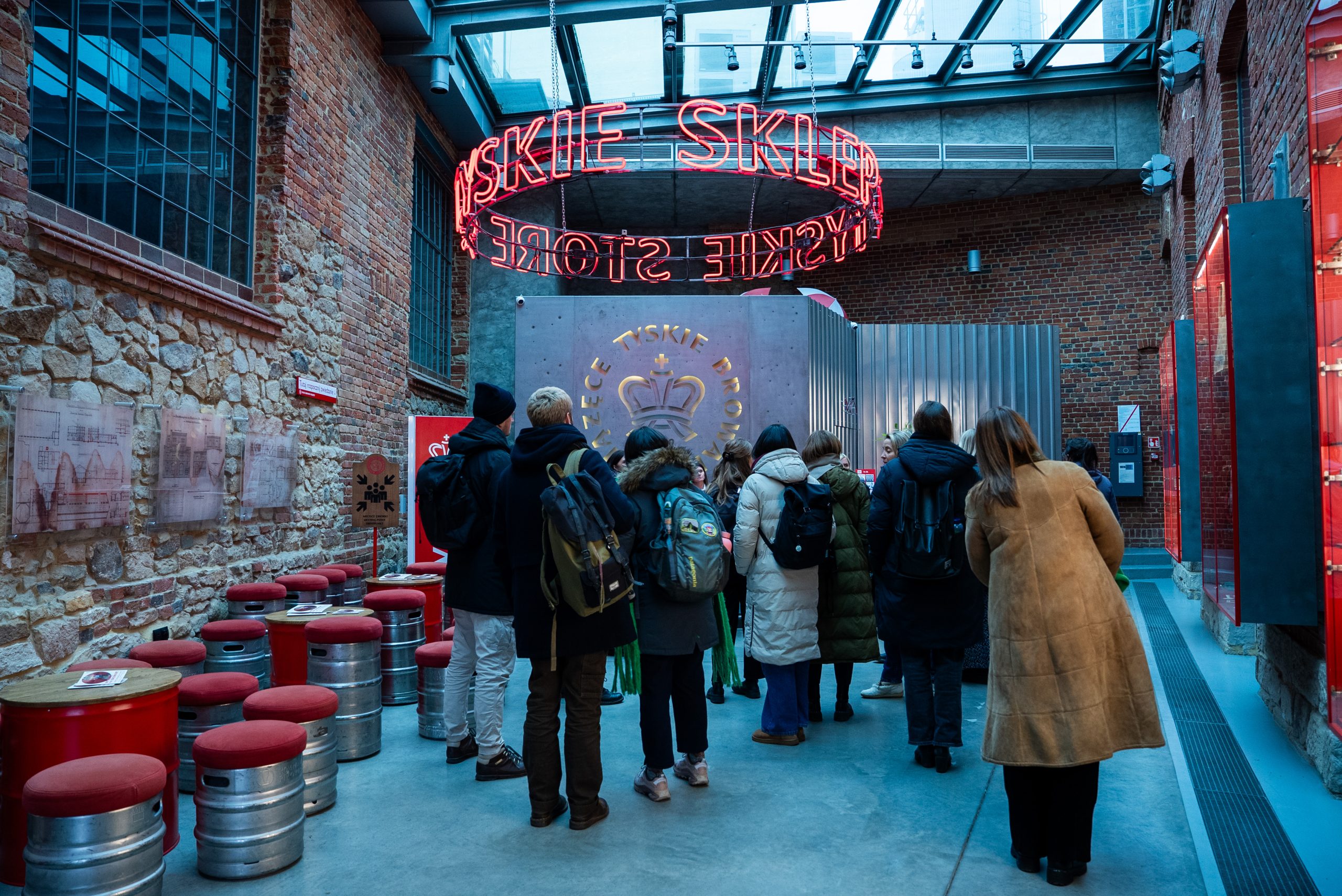
Project partners explored examples of former industrial sites that have been successfully revitalised and repurposed, seeking sustainable solutions for their future use. Discussions highlighted that industrial heritage should not be viewed solely as a legacy of the past, but also as a valuable resource for the future that can contribute to local economic growth and community development.
The Municipality of Katowice has introduced a support programme that offers underutilised municipal premises to creative-sector initiatives at reduced rental rates. This approach encourages the development of new cultural, artistic, and community-led activities while fostering the growth of creative industries.
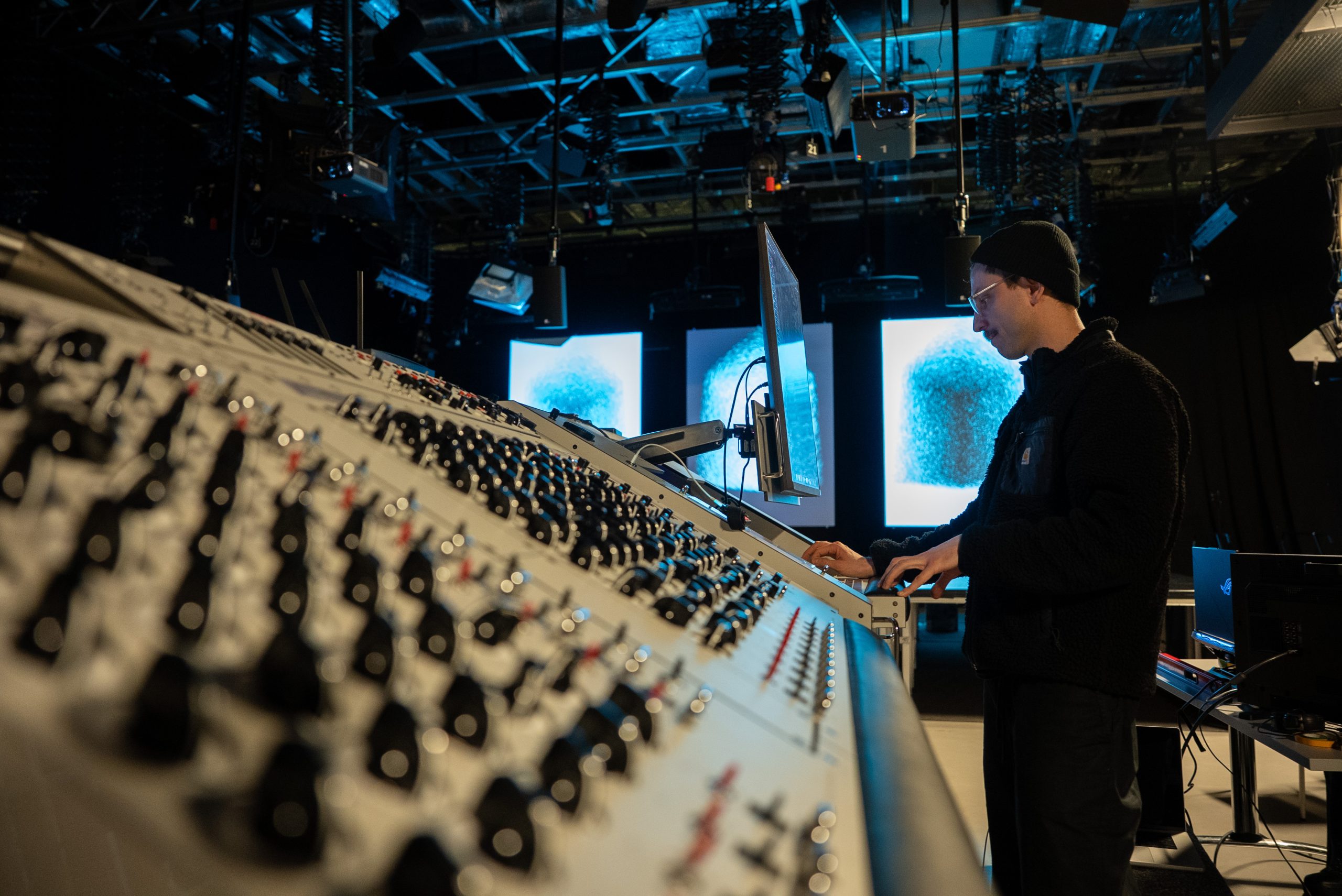
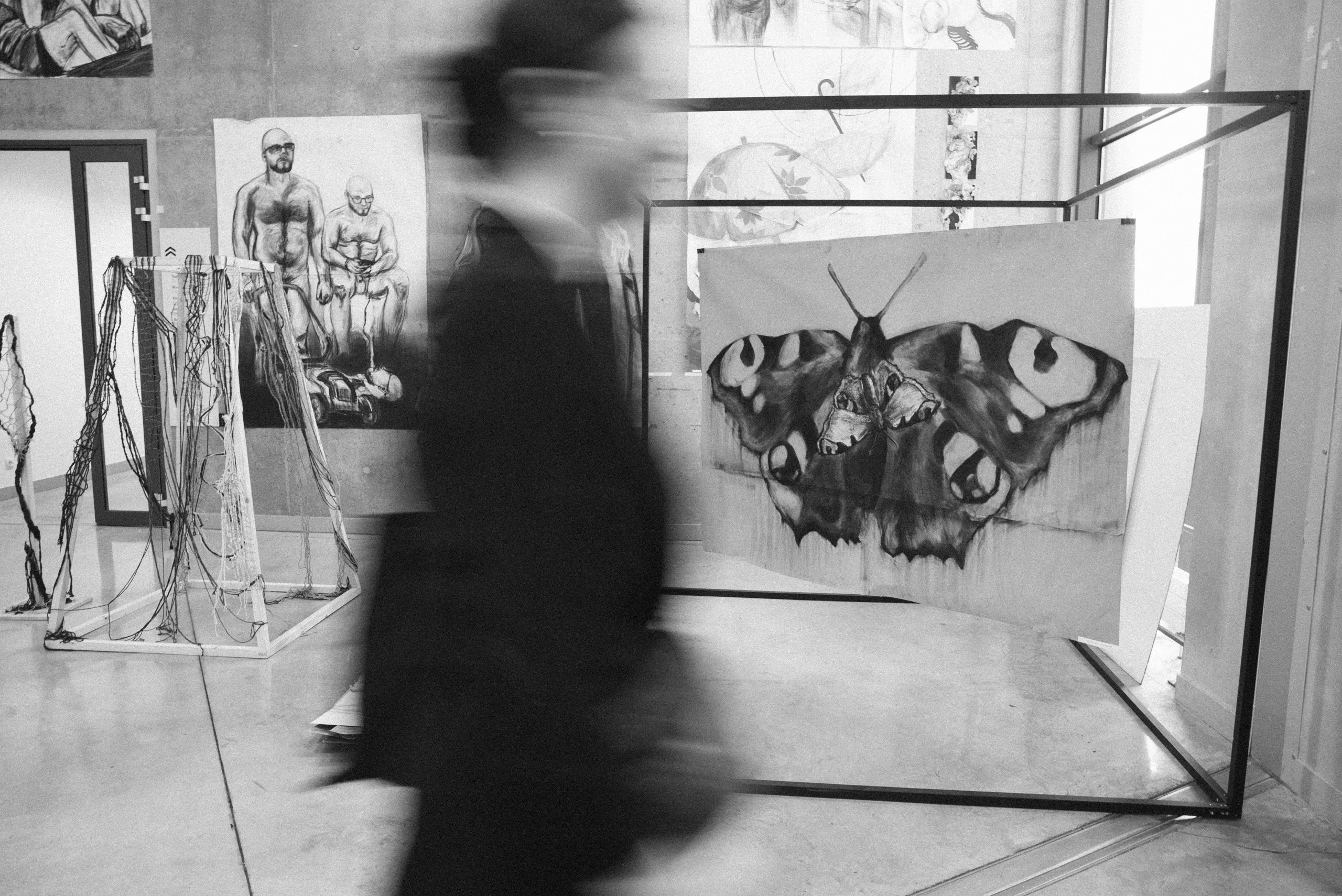
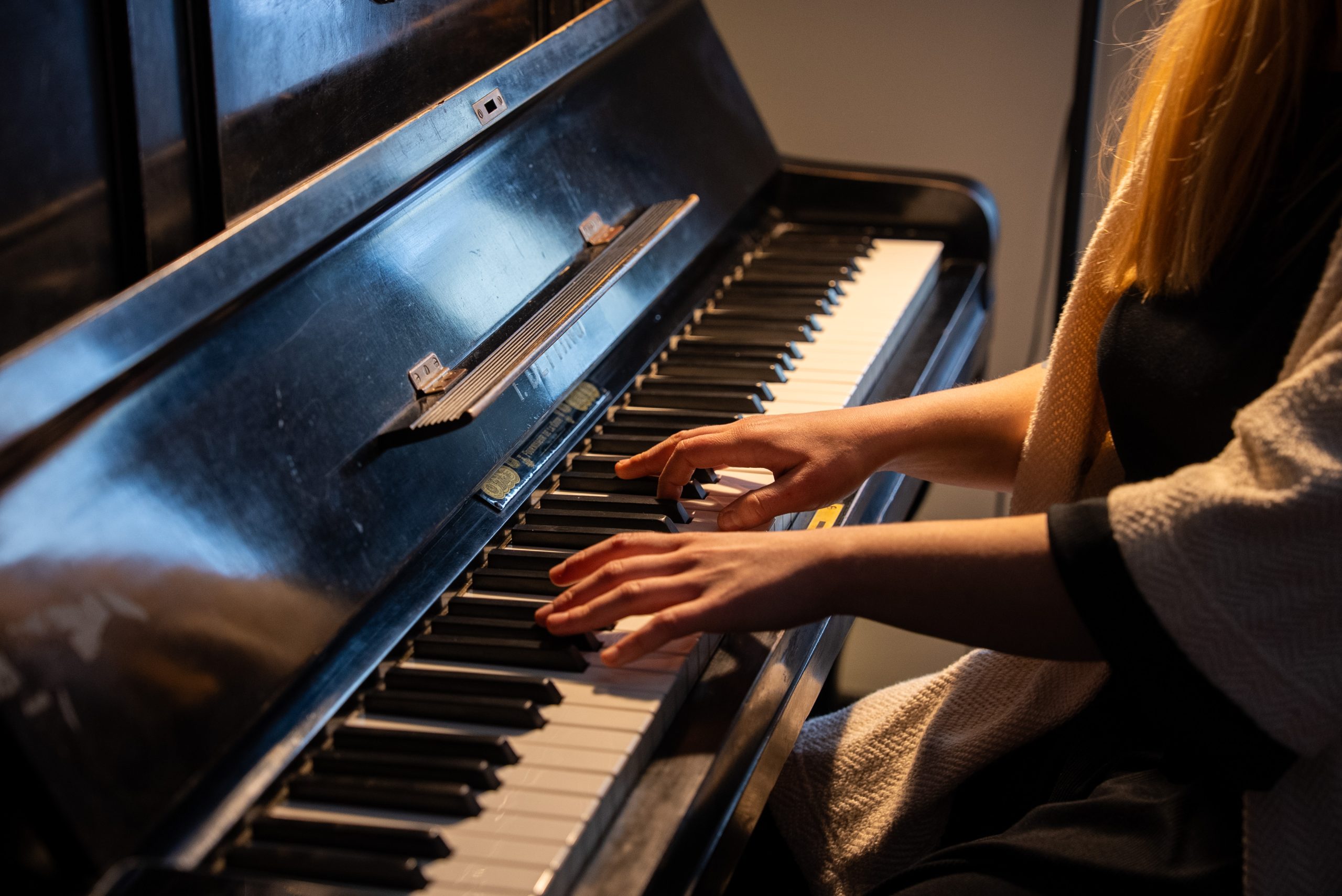
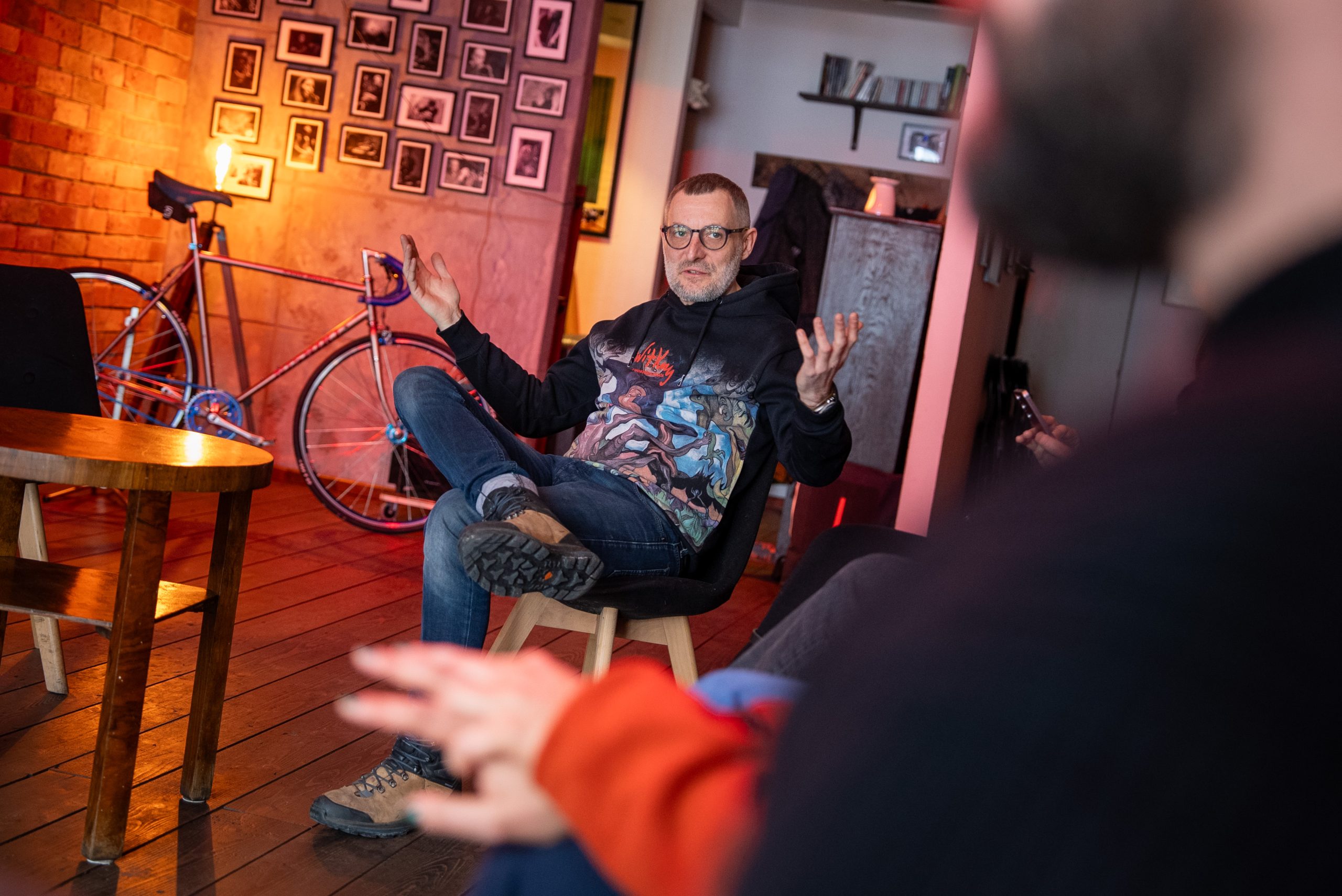
During the visit, participants toured several such initiatives, including a ceramics workshop, a music studio, an art and wine gallery, and a community space dedicated to local neighbourhood events. These examples demonstrated that such venues can be viable and successful in the long term, provided they are supported by sustainable policies rather than relying solely on individual enthusiasm. This underlines the importance of local and national authorities establishing supportive policy frameworks and embedding relevant principles into planning documents. Katowice has already taken this step by identifying culture as a priority sector for development.
The meeting also showcased a human-centred approach to territorial planning, emphasising adaptive reuse, placemaking, and community-oriented planning. Discussions stressed that urban development should place people and their needs at its core, rather than focusing exclusively on physical infrastructure. The importance of collaboration was also highlighted, as many interests and objectives overlap, creating opportunities for mutual benefit through the development of shared networks and partnerships.
The meeting provided an opportunity to initiate discussions with international partners regarding future cooperation and experience exchange. Representatives from the municipalities of Smiltene and Gulbene, invited to participate in the event, gained valuable insights and established new professional contacts. Inese Priedīte, Head of the Smiltene Cultural Centre, also presented the achievements of Smiltene residents through their involvement in the BSR Cultural Pearls project.
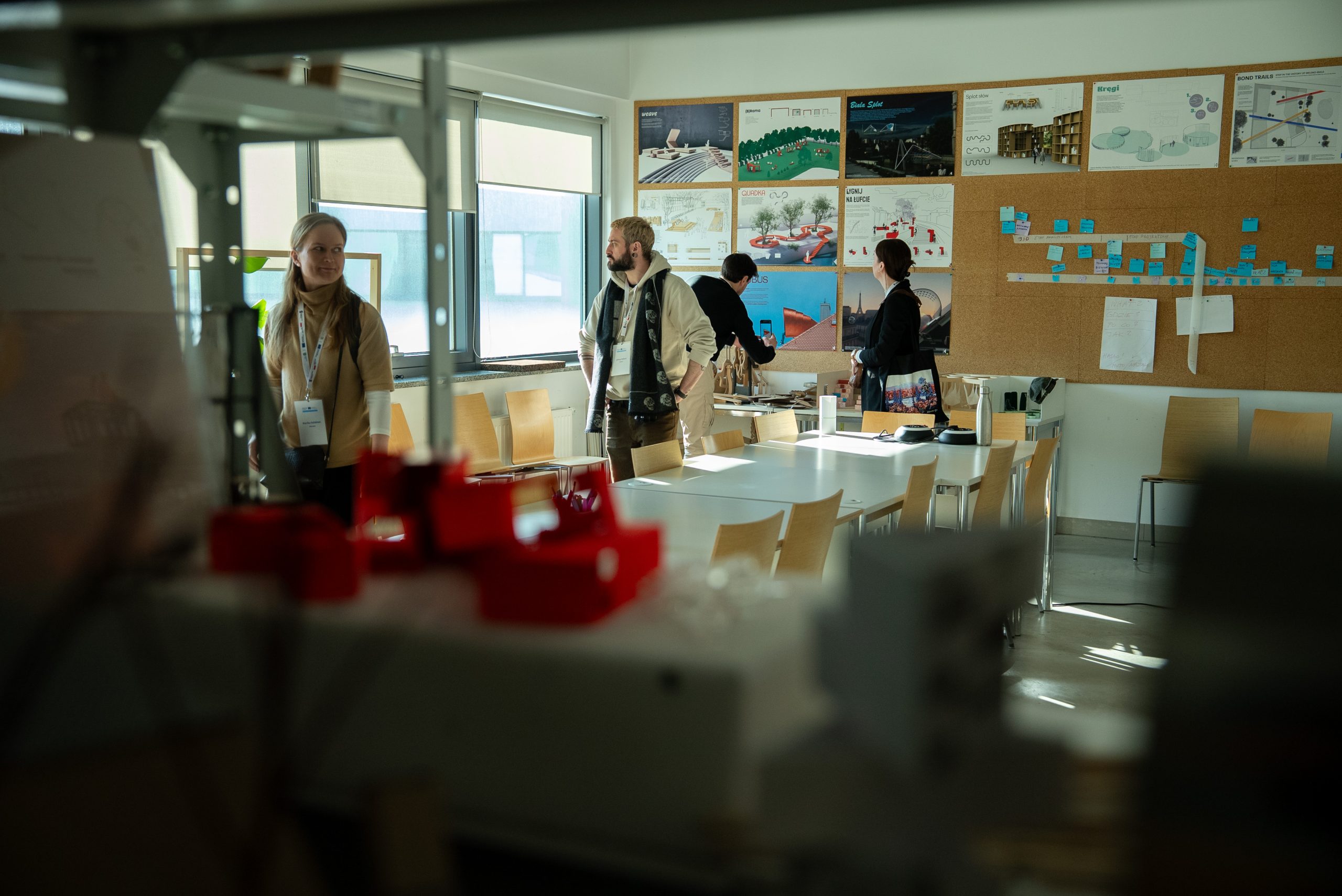
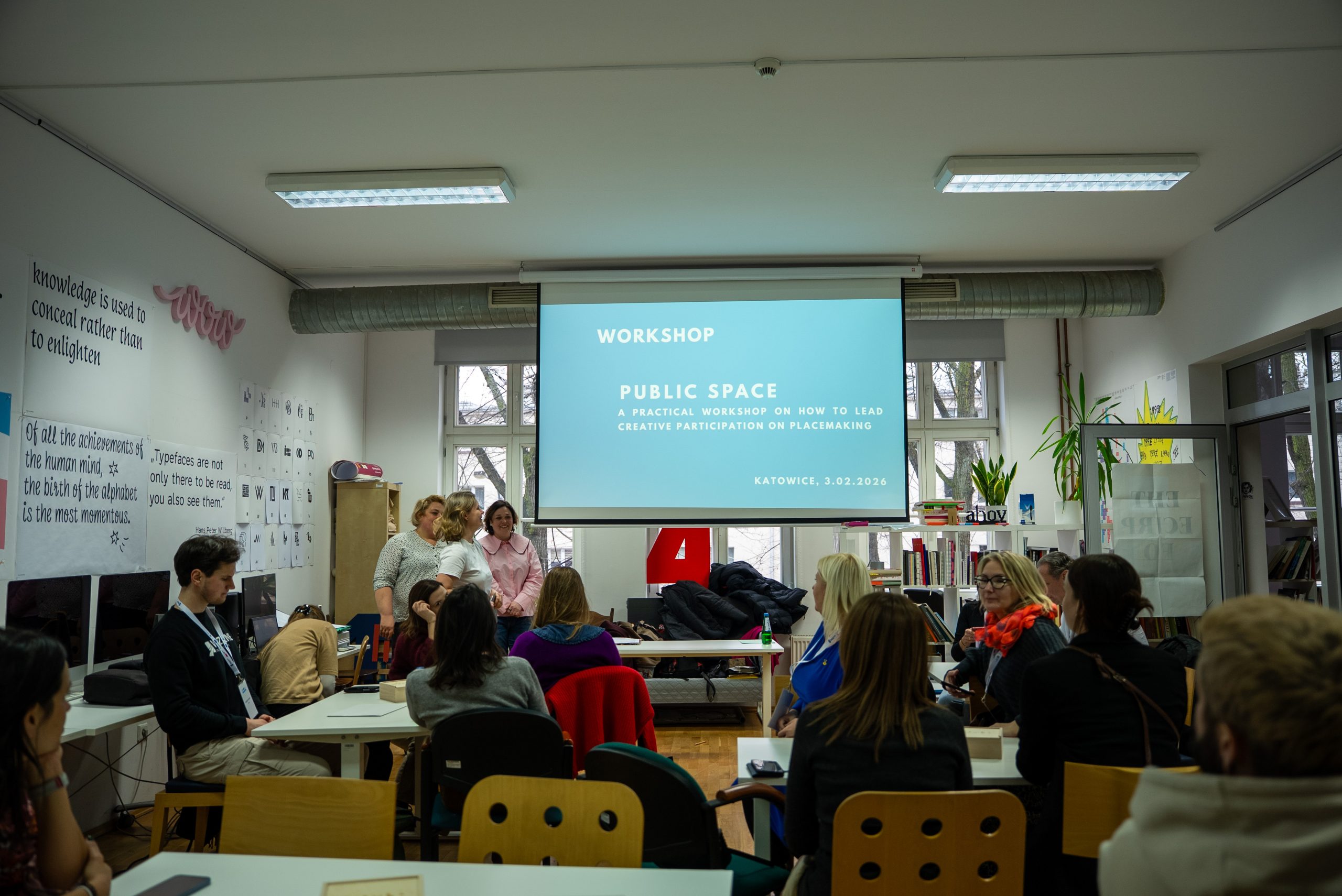
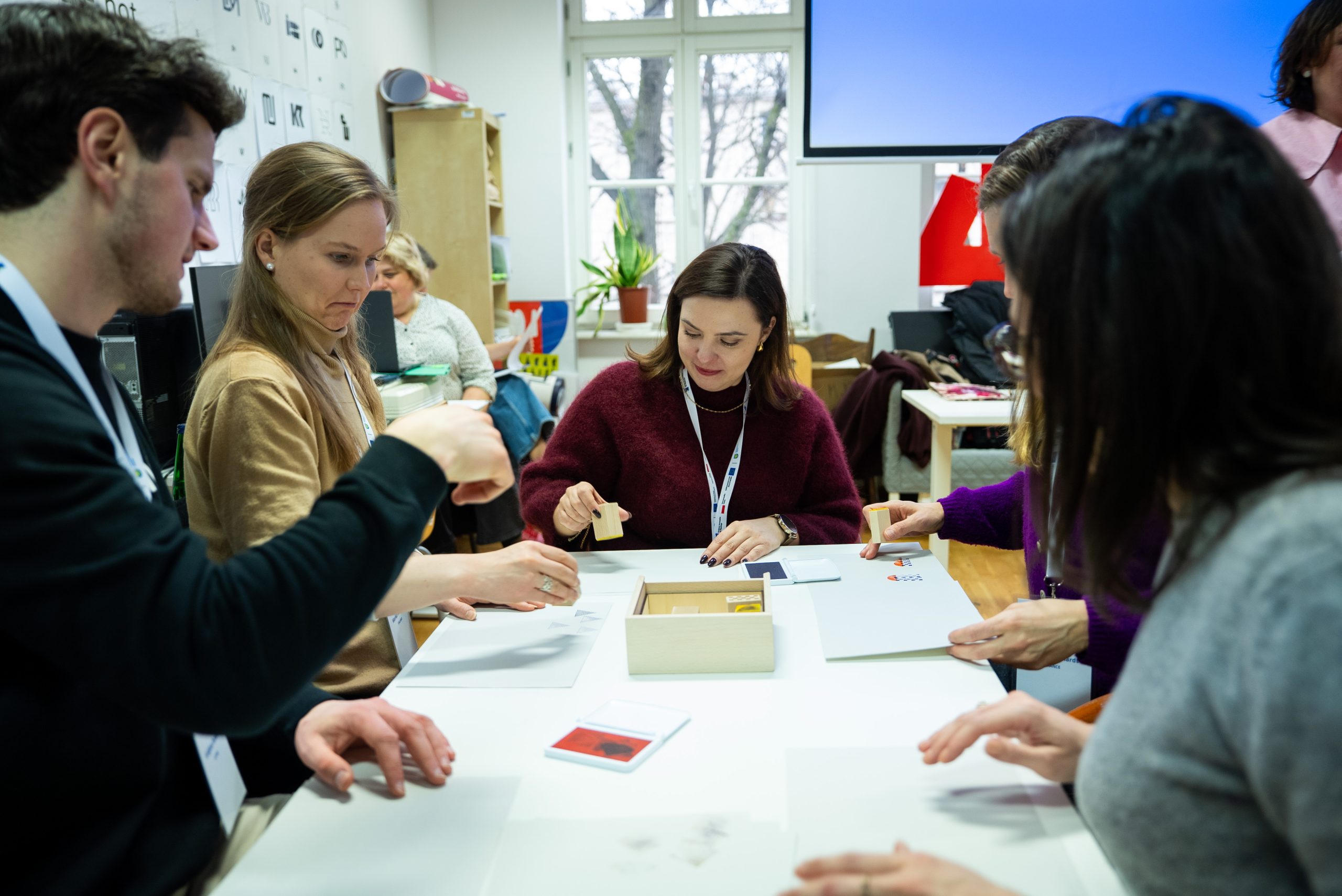
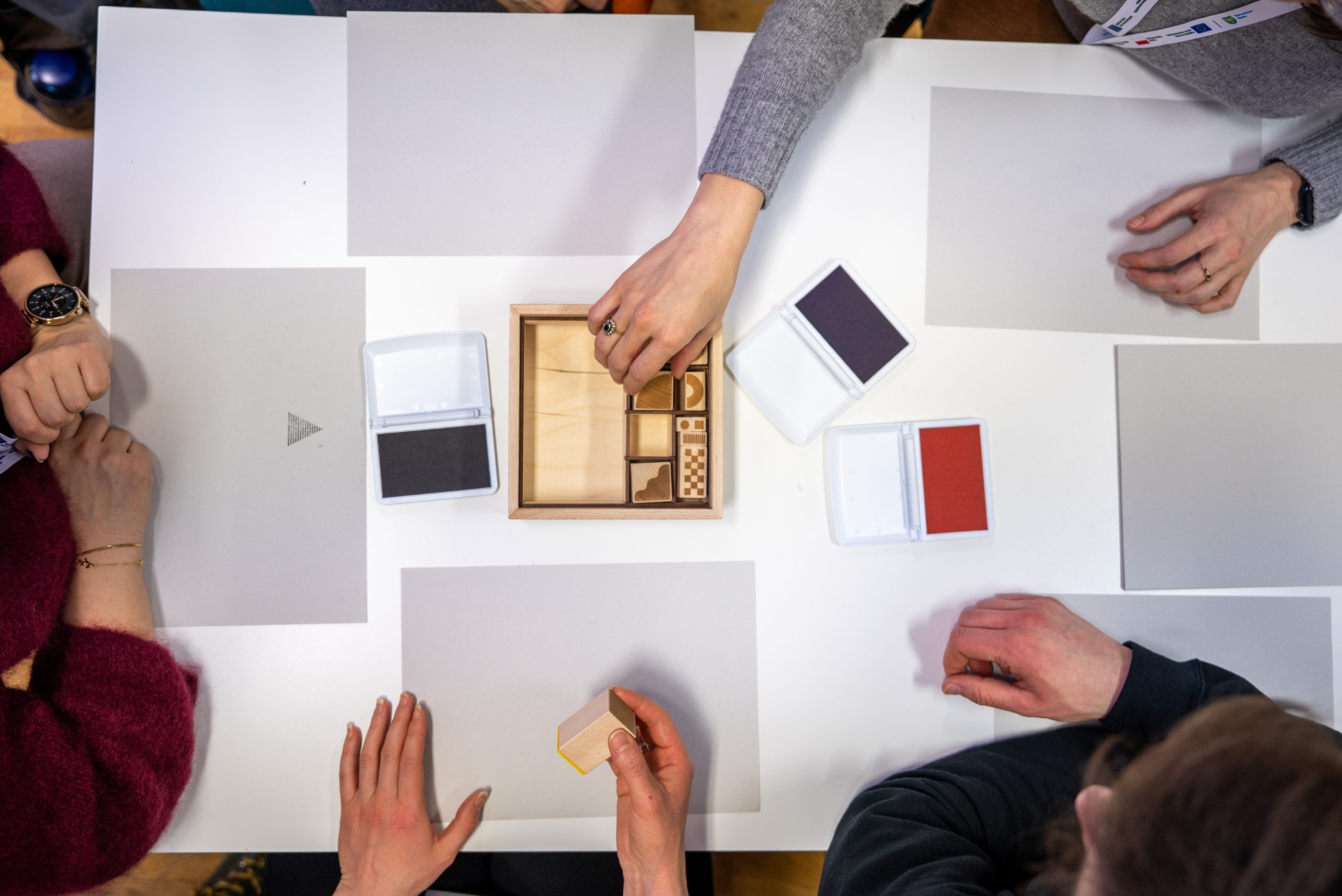
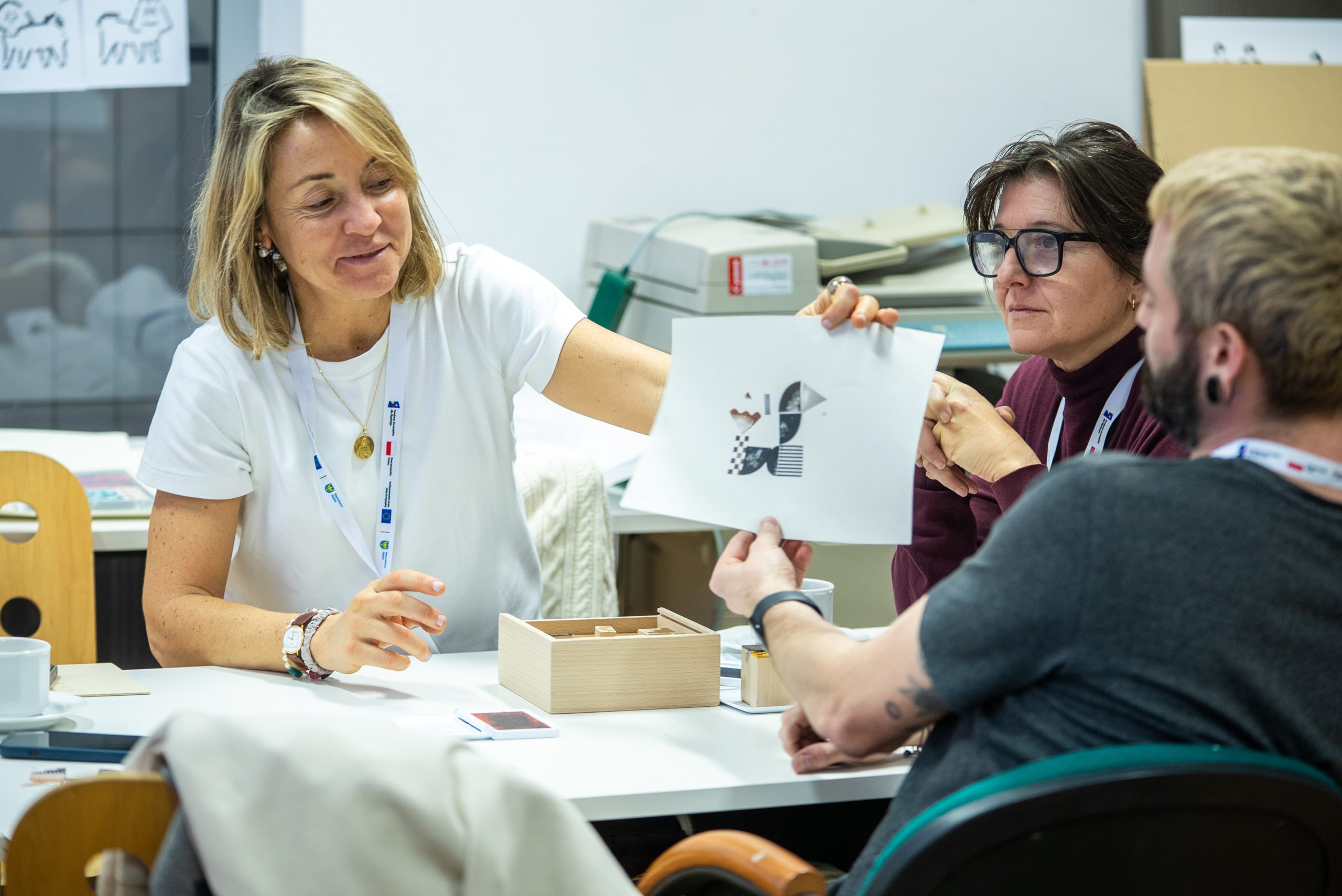
As part of the programme, participants took part in an urban planning workshop using the town of Cieszyn, located on the Polish–Czech border, as a pilot area. Working in groups, participants developed concepts for the future use of two buildings and their surrounding area based on the needs of specific user profiles. This exercise deepened participants’ understanding of target-group needs and demonstrated the importance of human-centred planning approaches. The methodology can also be applied at the local level, particularly in response to the growing demand for inclusive design and innovative ways of involving residents in decision-making processes.
The experience exchange highlighted that human-centred design and placemaking approaches have so far been applied only to a limited extent in the Vidzeme region, including in policy development. At the same time, the visit generated new ideas and established valuable contacts for future cooperation. These outcomes will contribute to the development of policy recommendations within the PICOBELLO project, aimed at promoting people-centred territorial development.
The policy recommendations developed through the project will support the integration of these principles into the Vidzeme Planning Region Development Programme, ensuring that human-centred design and the creation of attractive, people-friendly environments become integral elements of future territorial development policies, objectives, and actions.
About the project
The project “PIloting COllaborative ways to BEtter Living LOcally” (PICOBELLO) is being implemented within the Interreg Europe 2021–2027 interregional cooperation programme. Its objective is to improve regional development policy instruments in the partner regions through a co-creative knowledge exchange process, exploring how European regions integrate the three core values of the New European Bauhaus into their development strategies: sustainability, aesthetics, and inclusion.
More information about the project: https://ej.uz/86jm
This publication has been produced with the financial support of the European Union. Its contents are the sole responsibility of the Vidzeme Planning Region and do not necessarily reflect the views of the European Union.