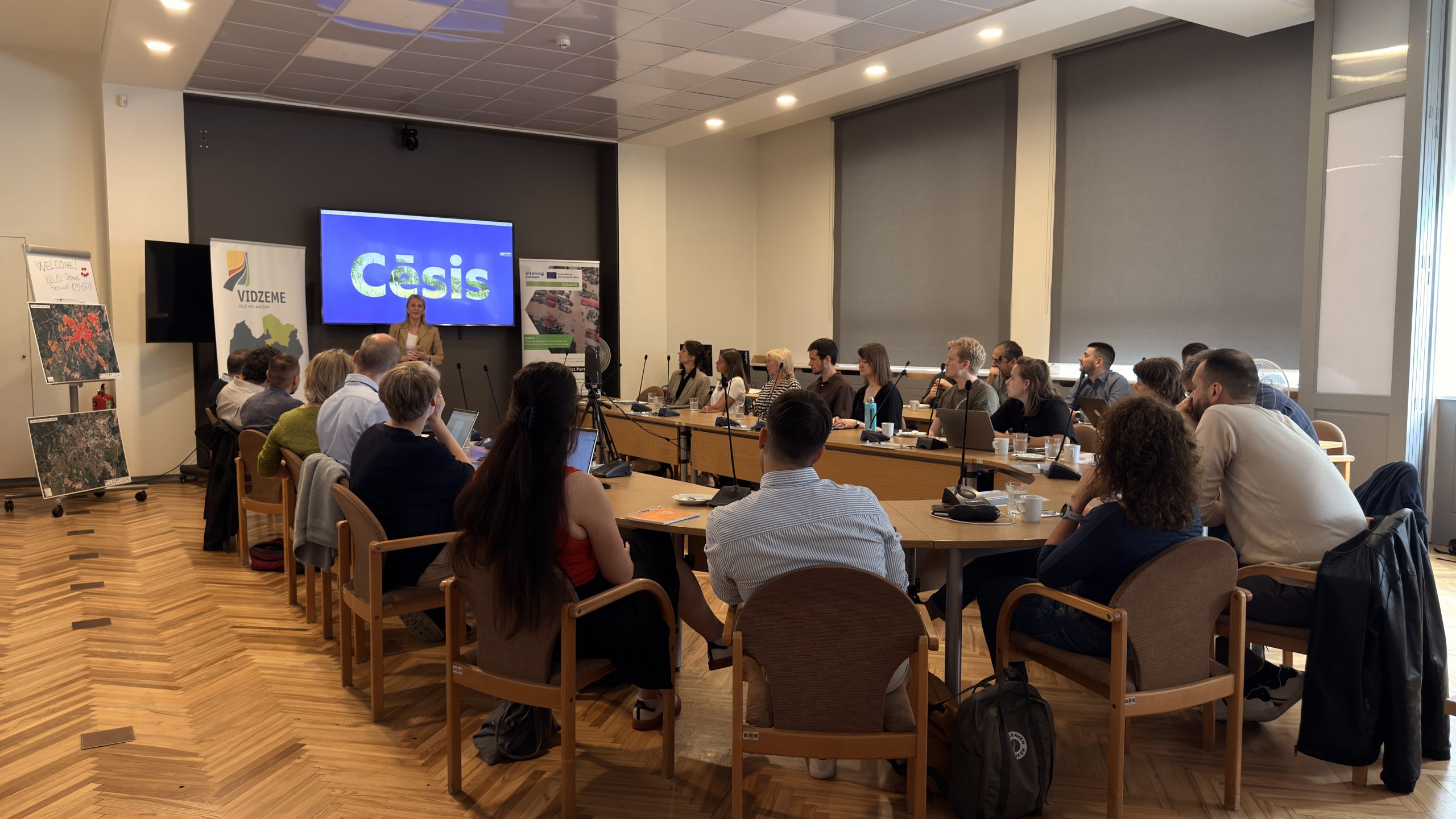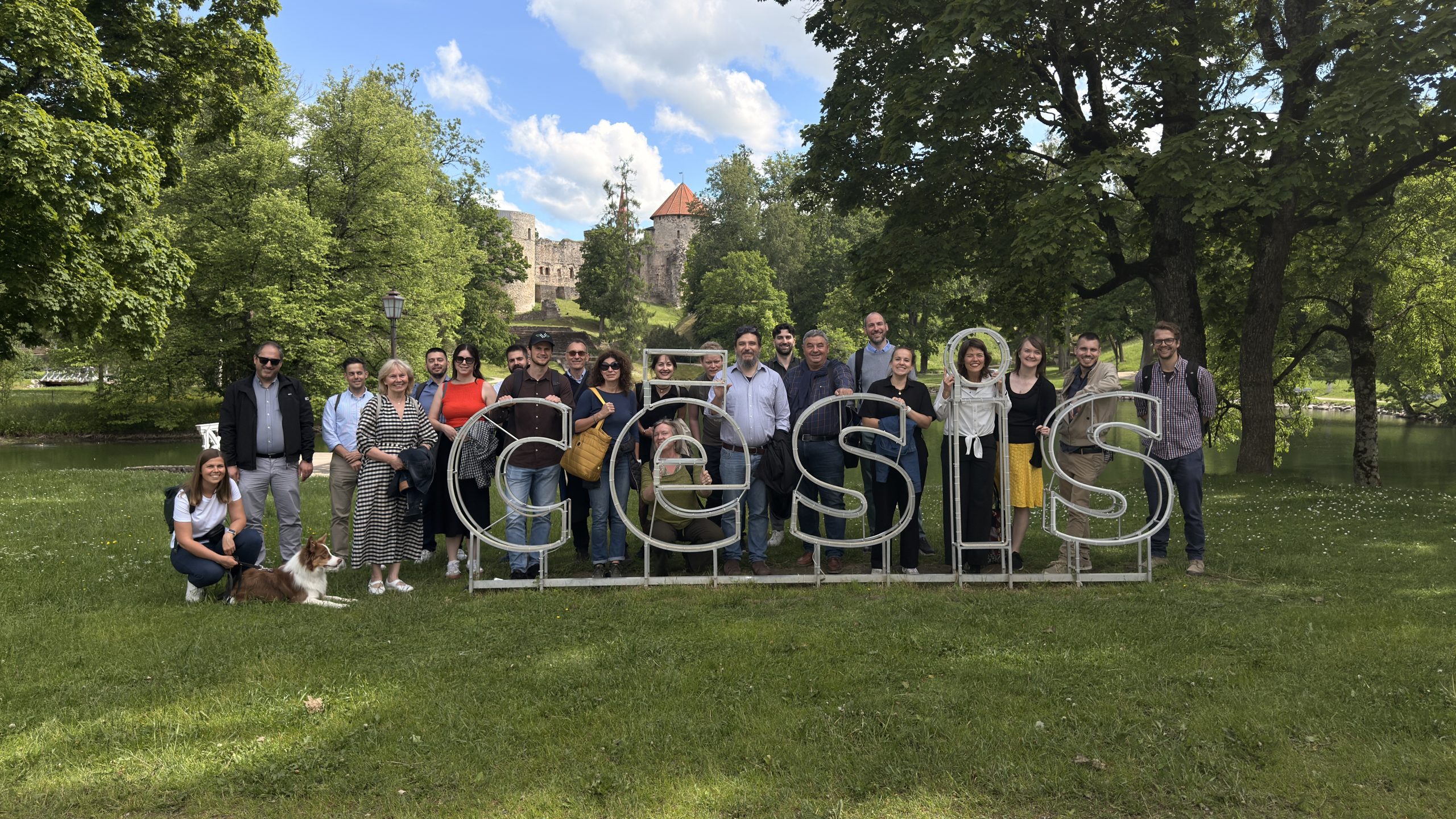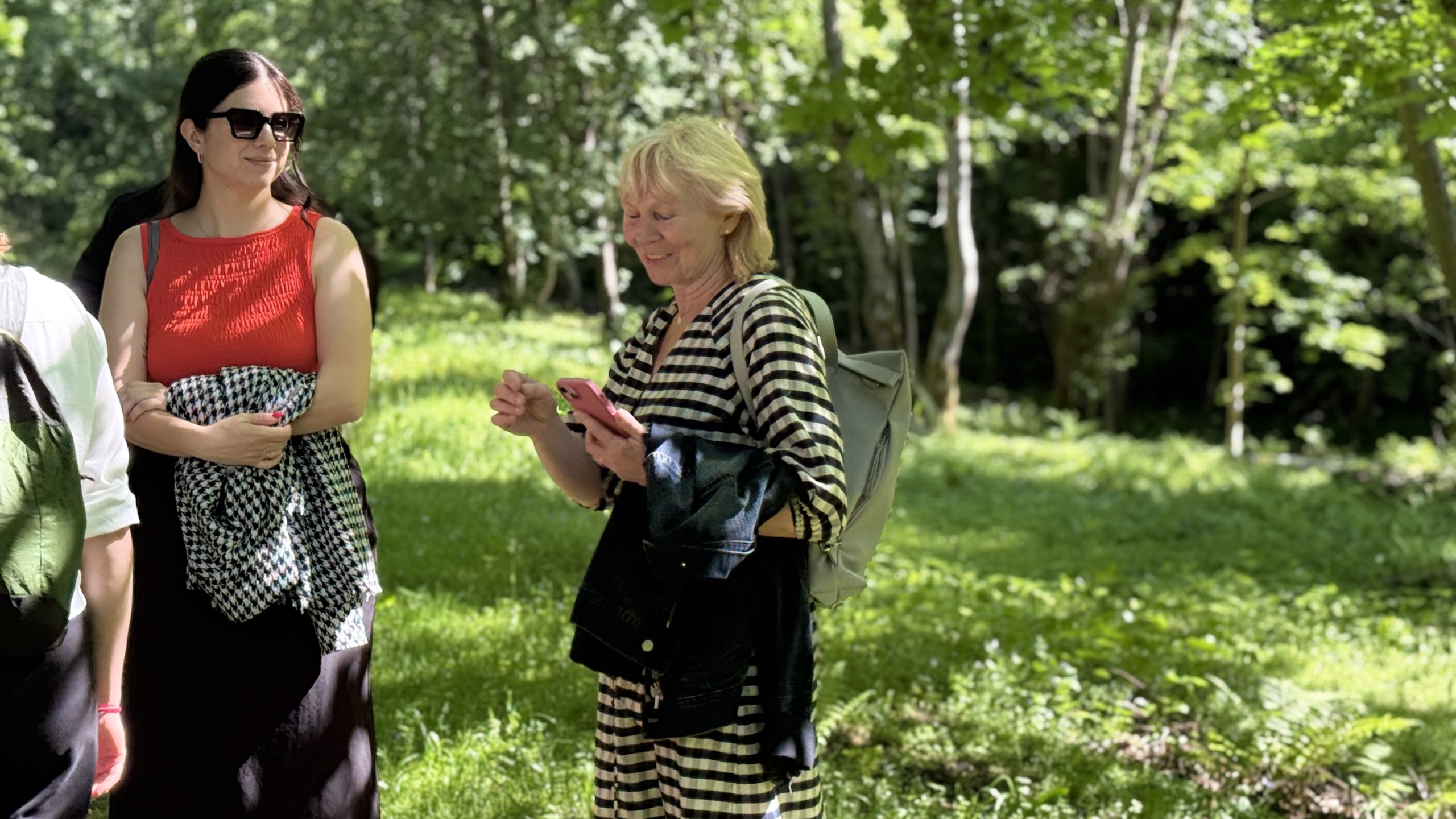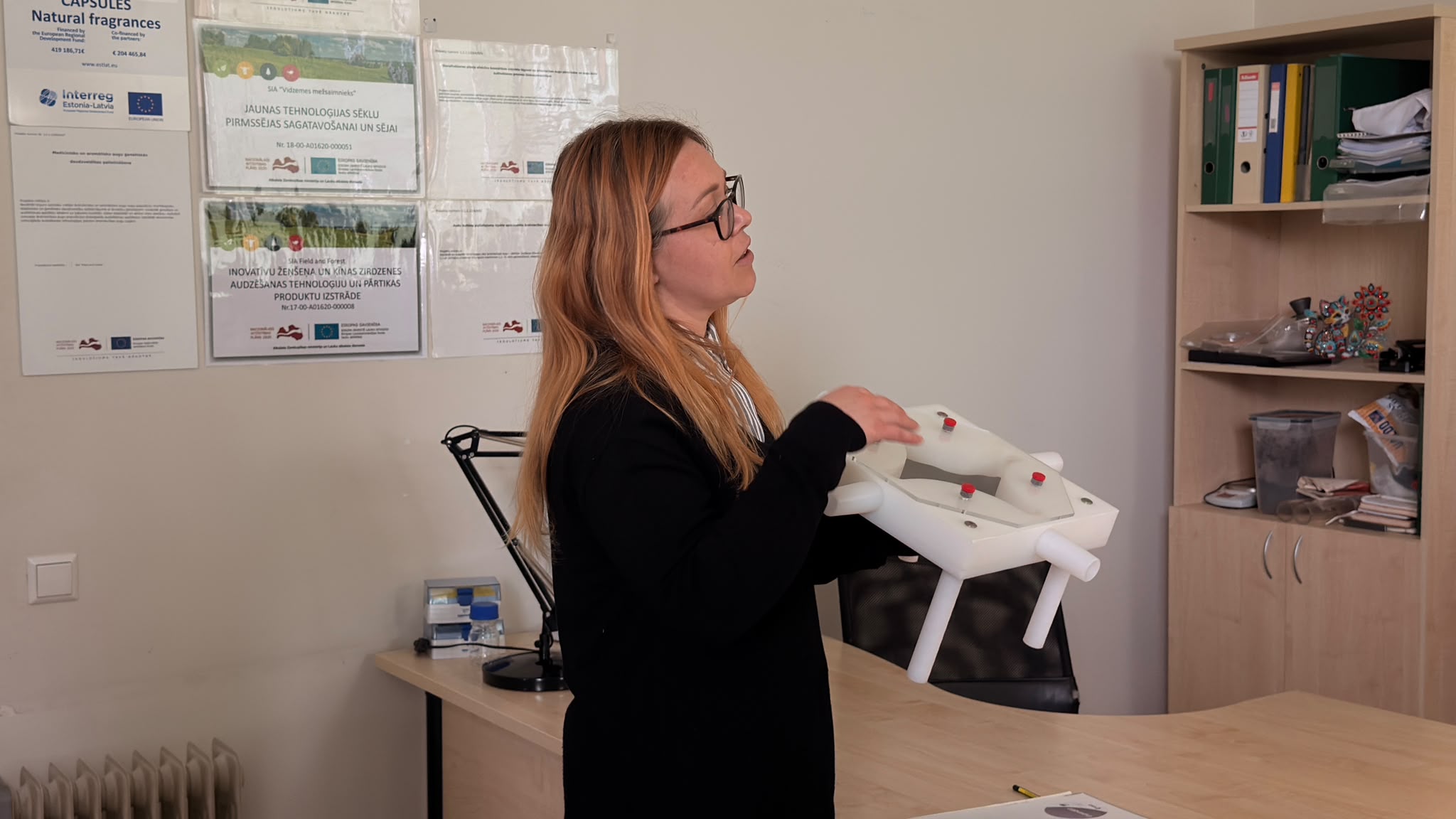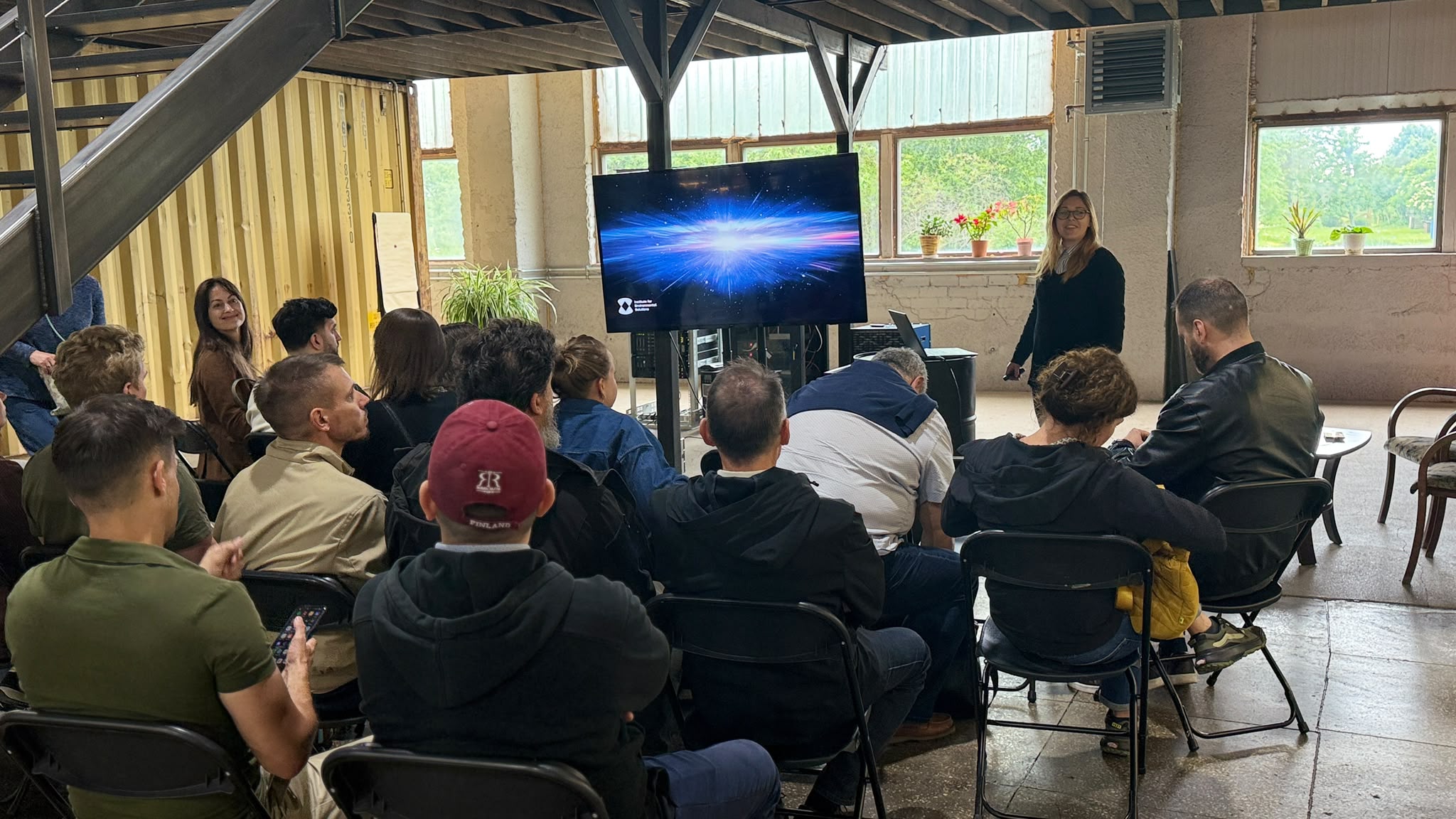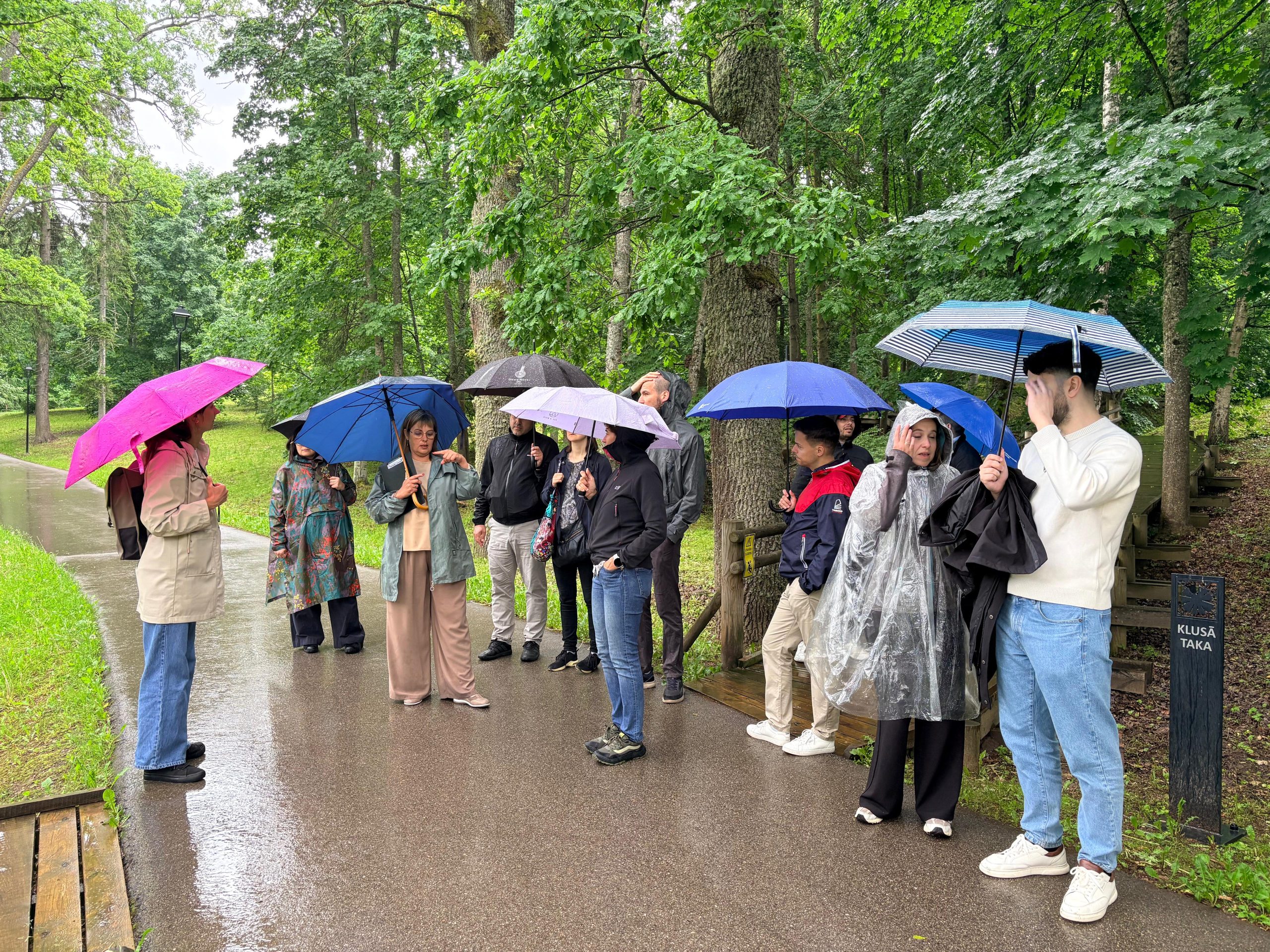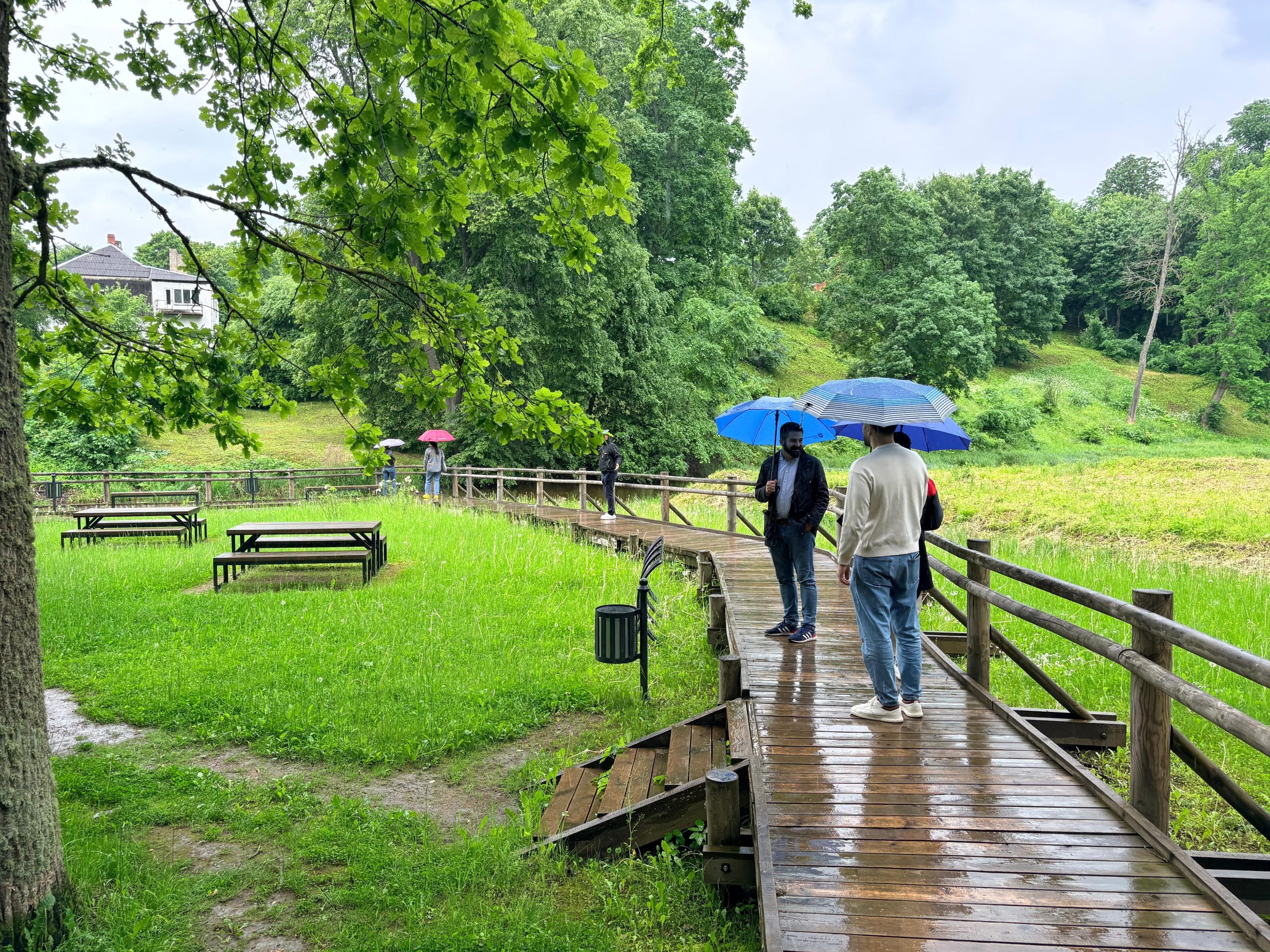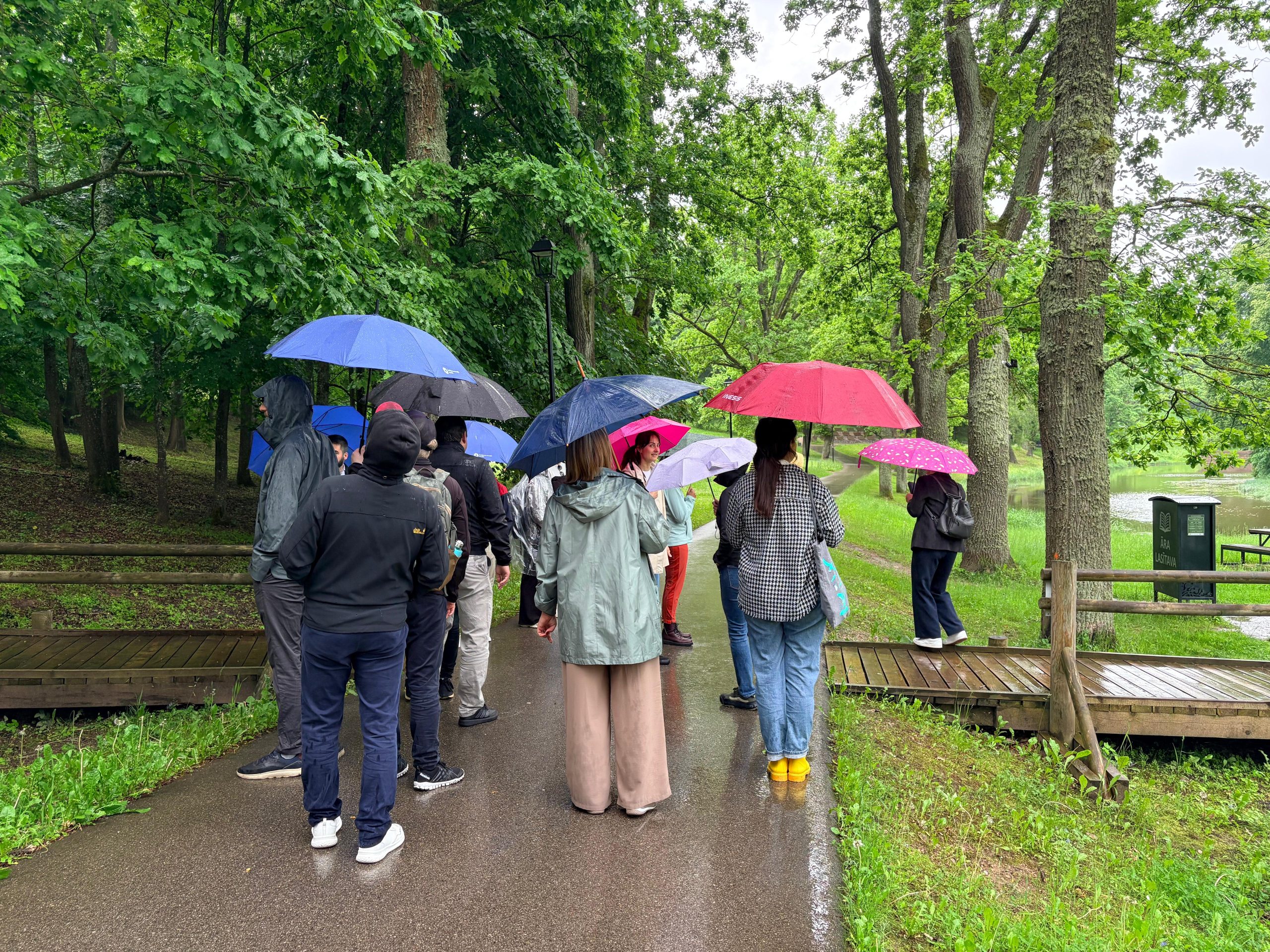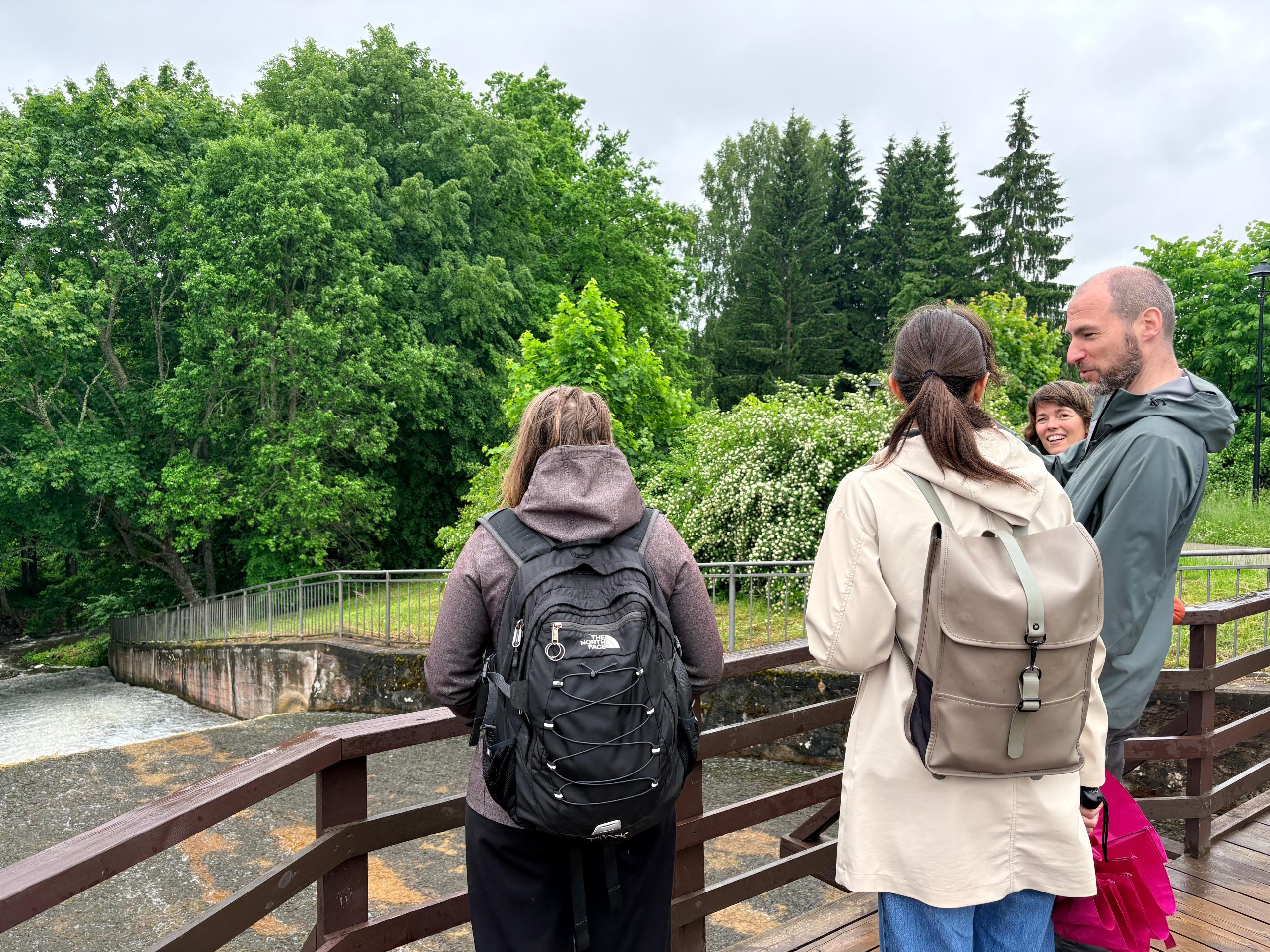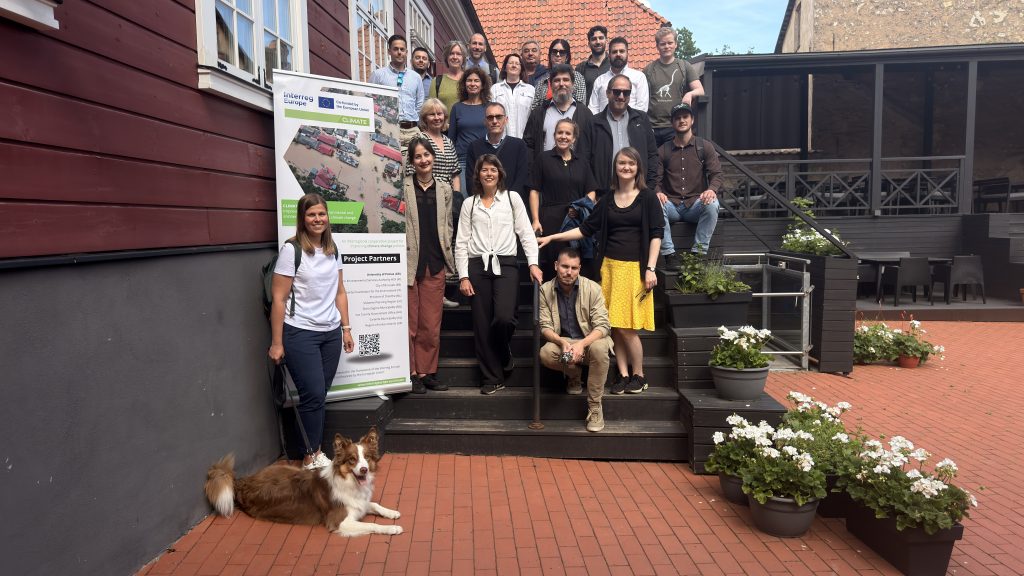
On 10–11 June 2026, the Interreg Europe project CLIMATE partner meeting took place in Cēsis, Latvia, where the Vidzeme Planning Region welcomed project partners and experts from Greece, Finland, Belgium, Italy, the Netherlands, Bulgaria and Hungary. Over the course of two days, participants discussed the impacts of climate change on regions, explored Vidzeme’s experience in strengthening climate resilience, and sought solutions to help municipalities and communities better adapt to increasingly frequent climate-related risks.
Opening the meeting, Dr. Inese Suija-Markova, Deputy Mayor of Cēsis Municipality and Chairwoman of the Development Board of the Vidzeme Planning Region, presented Vidzeme’s approach to sustainable development and climate resilience. She emphasized that the region’s greatest asset is its rich natural capital, with more than half of its territory covered by forests that provide essential ecosystem services and enhance resilience to climate change impacts. She also highlighted Vidzeme’s high share of organically managed agricultural land, which exceeds both Latvian and European Union averages.
Inta Ādamsone, Head of the Environment and Climate Neutrality Division of the Development Department at Cēsis Municipality, introduced the municipality’s environmental and climate neutrality policy framework. She stressed that climate change mitigation and adaptation measures are implemented in close connection with sustainable natural resource management, biodiversity conservation and public engagement. Ādamsone noted that one of the priorities of the Cēsis Municipality Development Programme is “Nature and Environment – the Green Course”, which promotes biodiversity conservation based on scientific research, as well as the expansion of green spaces, pedestrian streets and cycling infrastructure to improve environmental quality and residents’ well-being. To achieve these objectives, the municipality actively participates in several international environmental and climate projects, including LIFE LATESTadapt, through which nature-based solutions are being developed to strengthen urban resilience in Cēsis.
Meanwhile, Līga Bieziņa, Development Planner at the Development Department of Valmiera Municipality, presented Valmiera’s approach to strengthening climate resilience. She explained that climate-related risks are systematically integrated into municipal planning documents and infrastructure development projects. Particular attention is paid to flood risk reduction, stormwater management and the development of green infrastructure. The Green Infrastructure Development Plan for the city of Valmiera envisages the creation of an integrated green infrastructure network, reduction of flooding risks caused by heavy rainfall, mitigation of the urban heat island effect and enhancement of biodiversity.
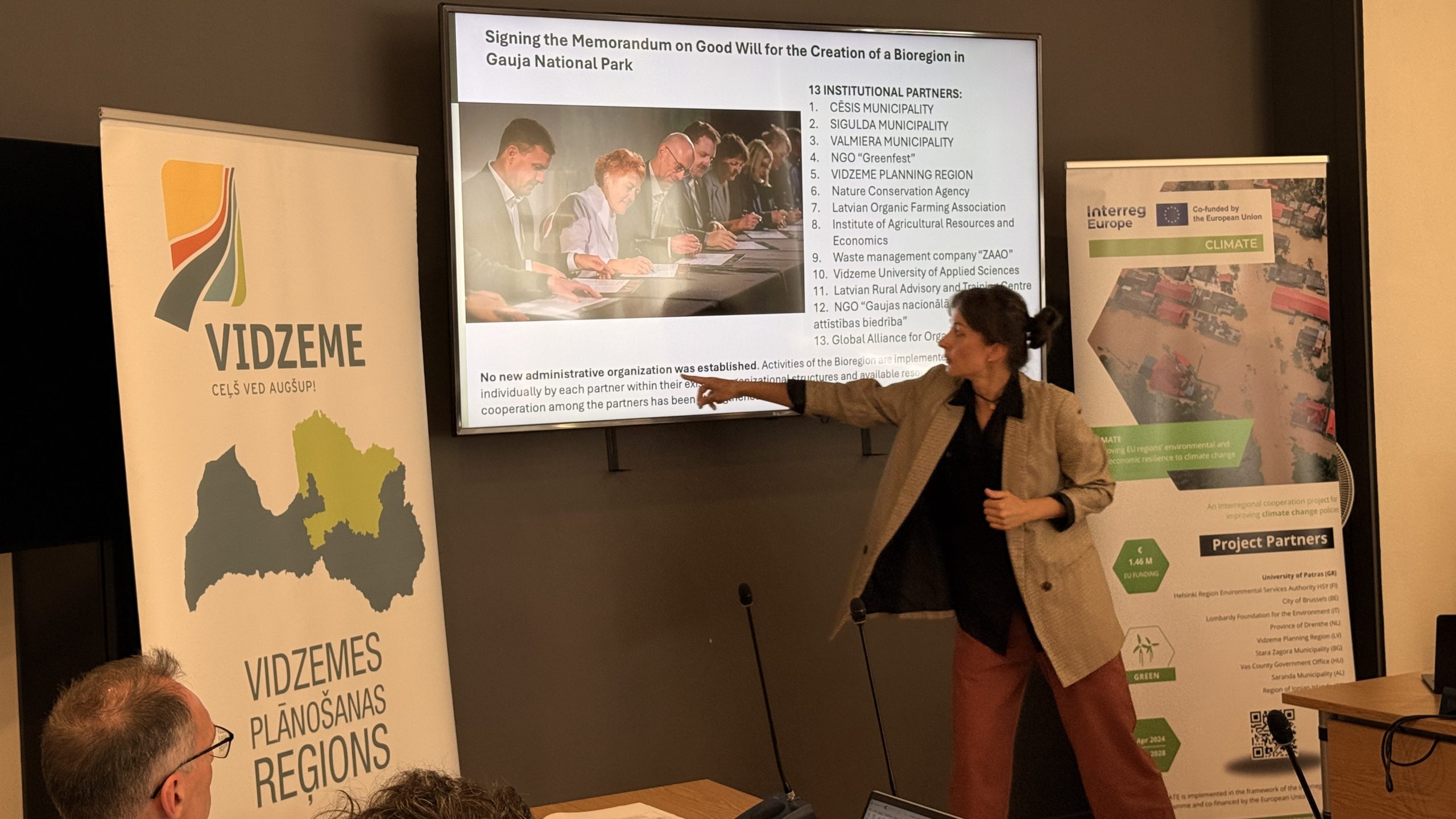
Anda Briede, Expert at the Vidzeme Planning Region, presented the Gauja National Park Bioregion Initiative – the first bioregion in the Baltic States. She introduced the process of establishing the bioregion and the collaborative governance model involving municipalities, research institutions, non-governmental organisations and businesses, promoting sustainable natural resource management, circular economy principles and community engagement. Concluding her presentation, Briede stressed that building climate resilience requires the ability to look ahead and create a shared vision for the future:
“We cannot change the world with today’s mindset – we must be able to imagine the future, think ambitiously and consistently move towards our chosen goals.”
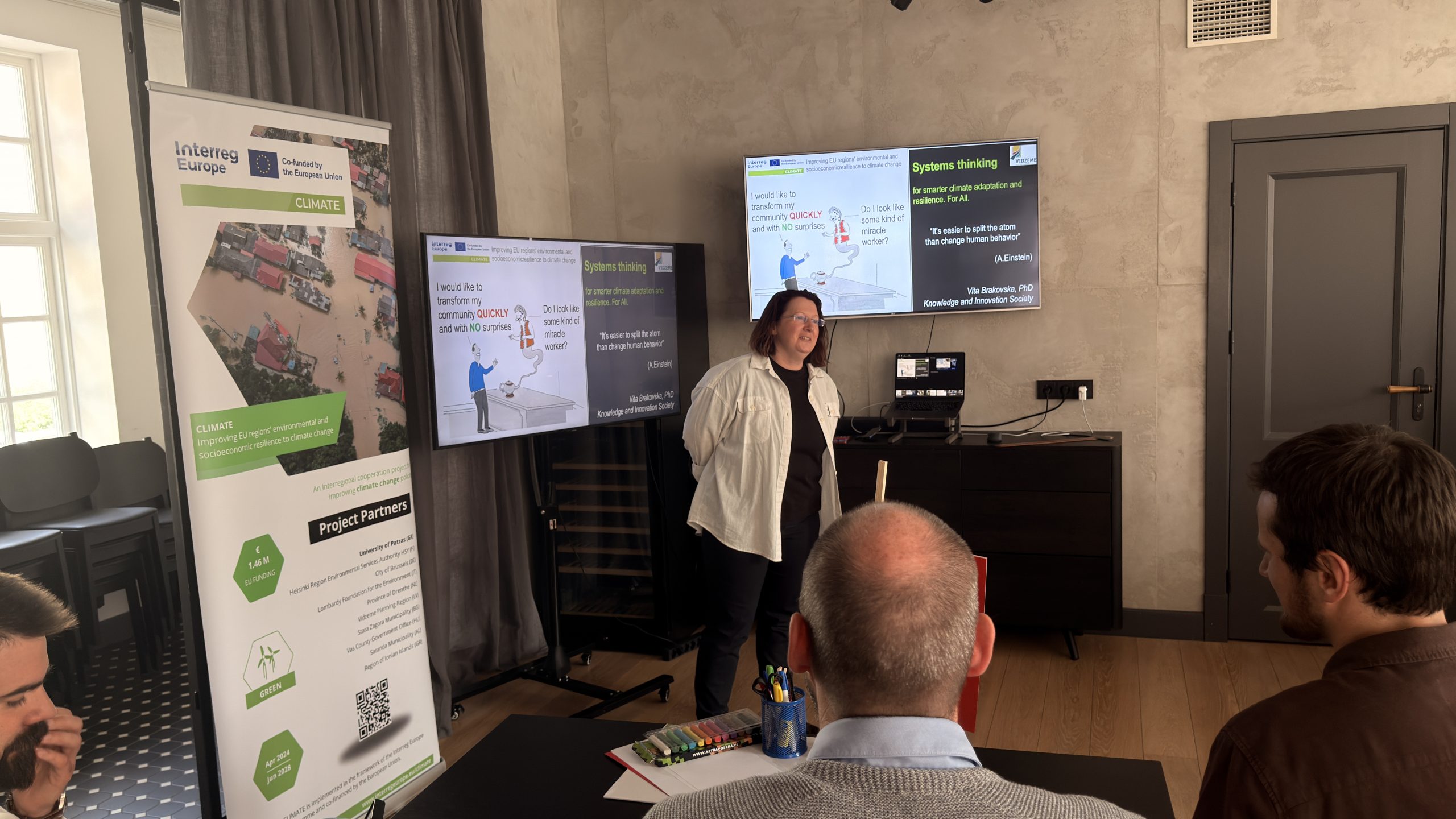
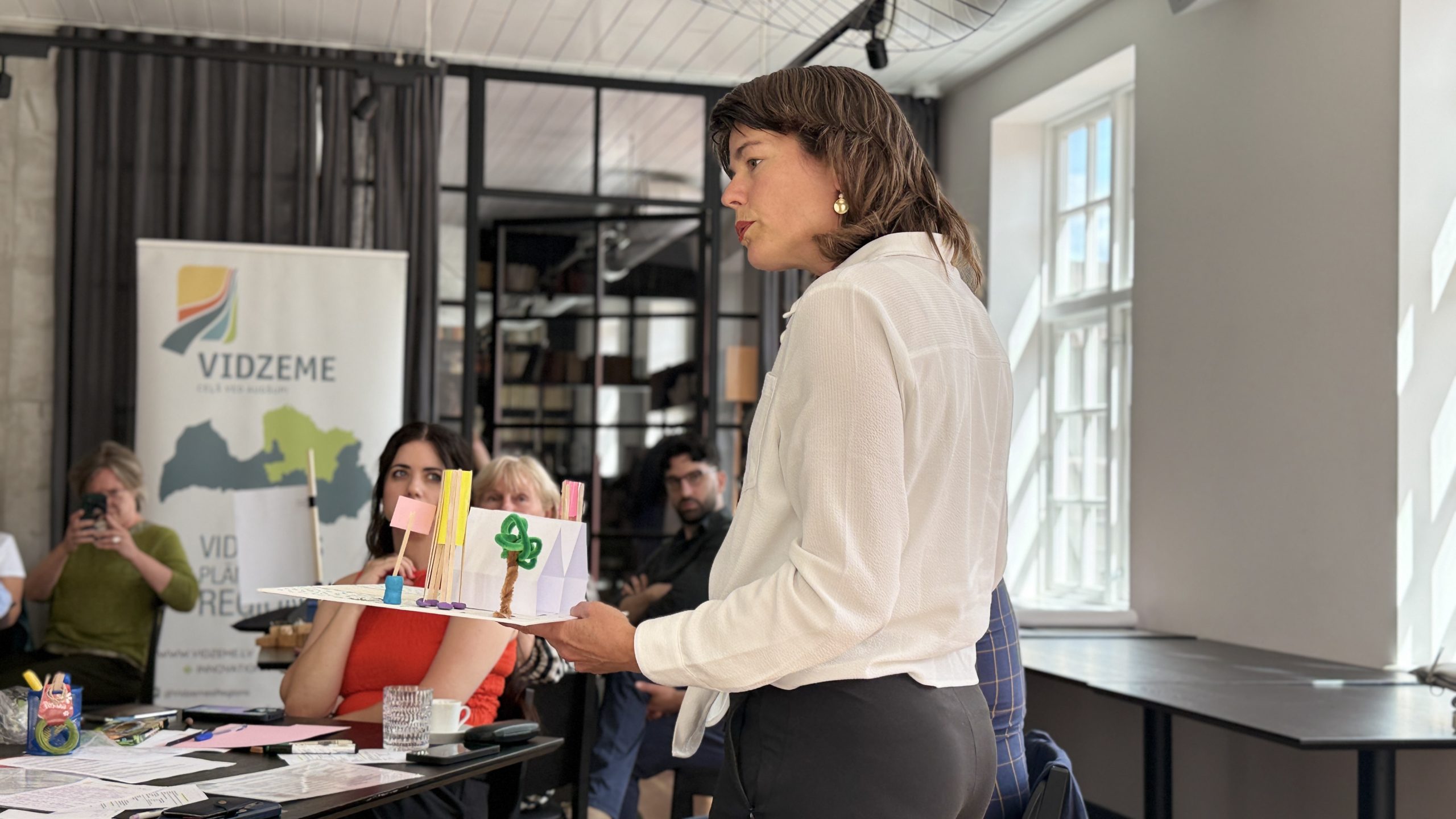
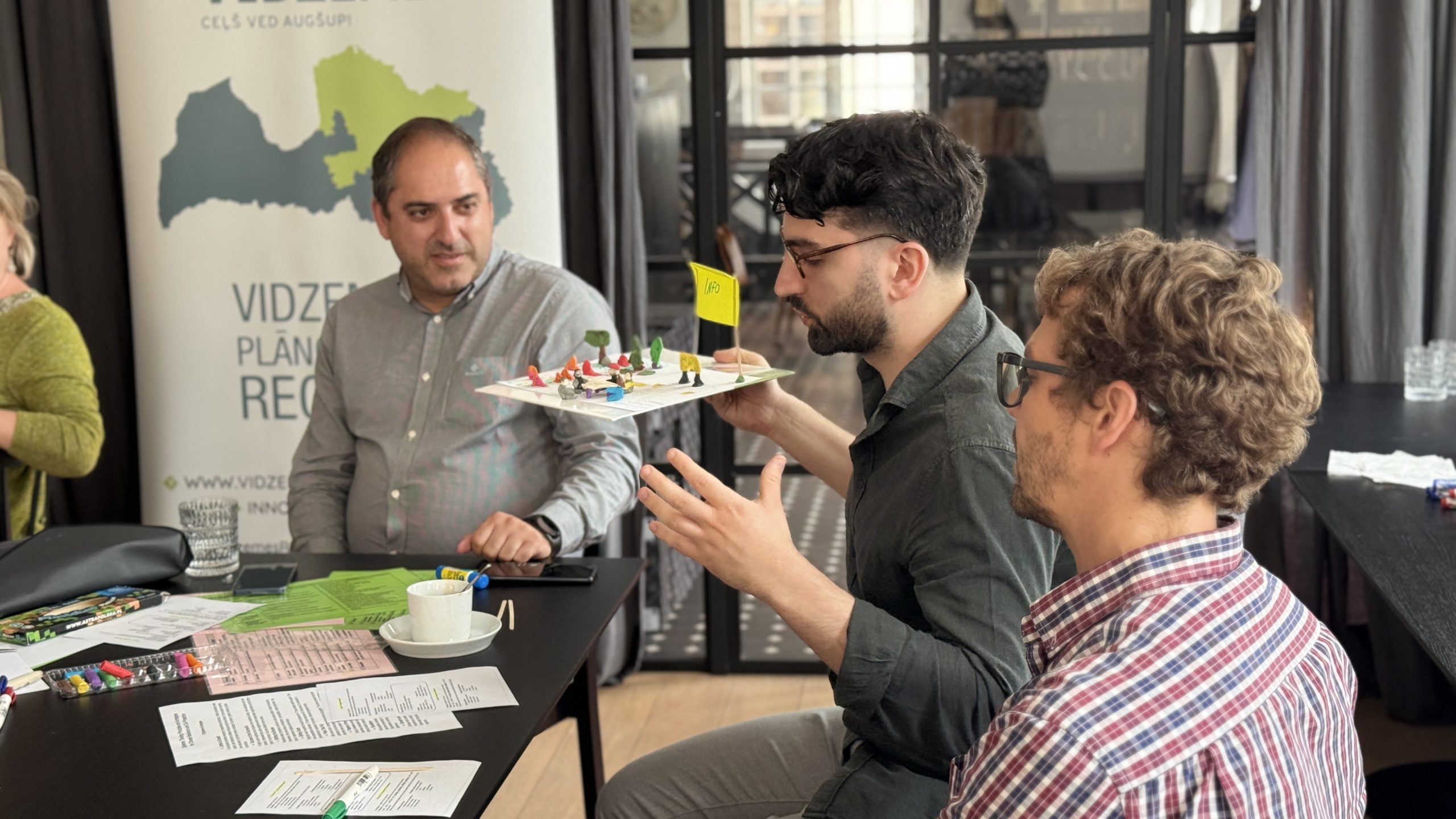
In the afternoon, Dr. Vita Brakovska, Chairperson of the Association ZINIS, led a workshop on systems thinking and the role of societal behaviour in fostering climate resilience. She emphasized that effective solutions are only possible when the connections between individual habits, community actions and climate-related challenges are fully understood.
“A key prerequisite for building a resilient society is shared responsibility and regular preparedness for potential crises, rather than relying solely on theoretical knowledge,” Brakovska noted. She highlighted that lasting behavioural change can only be achieved when at least 25% of a community becomes actively involved. Participants were encouraged to identify so-called leverage points – small but strategic actions capable of generating significant changes in public behaviour and engagement.
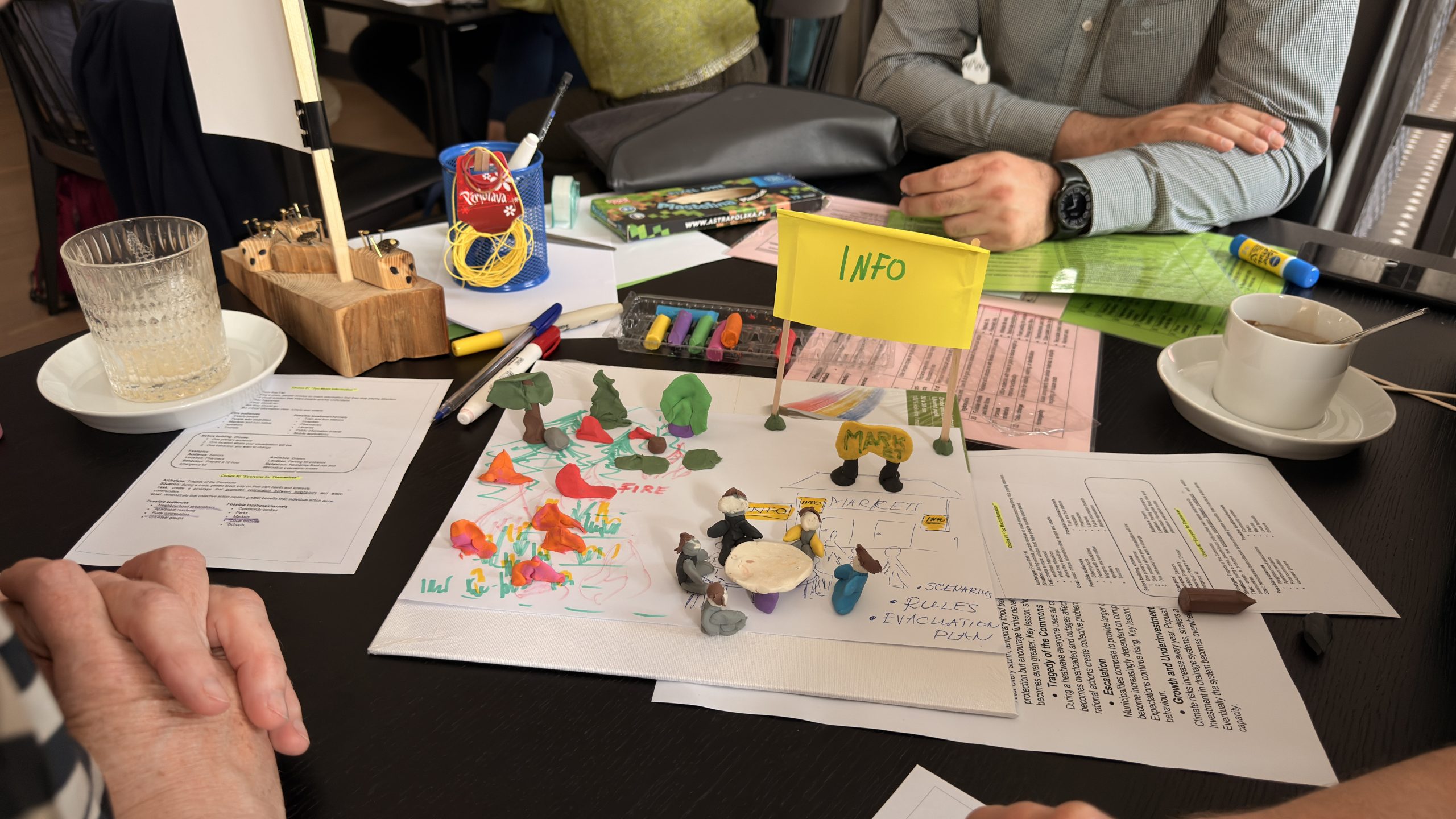
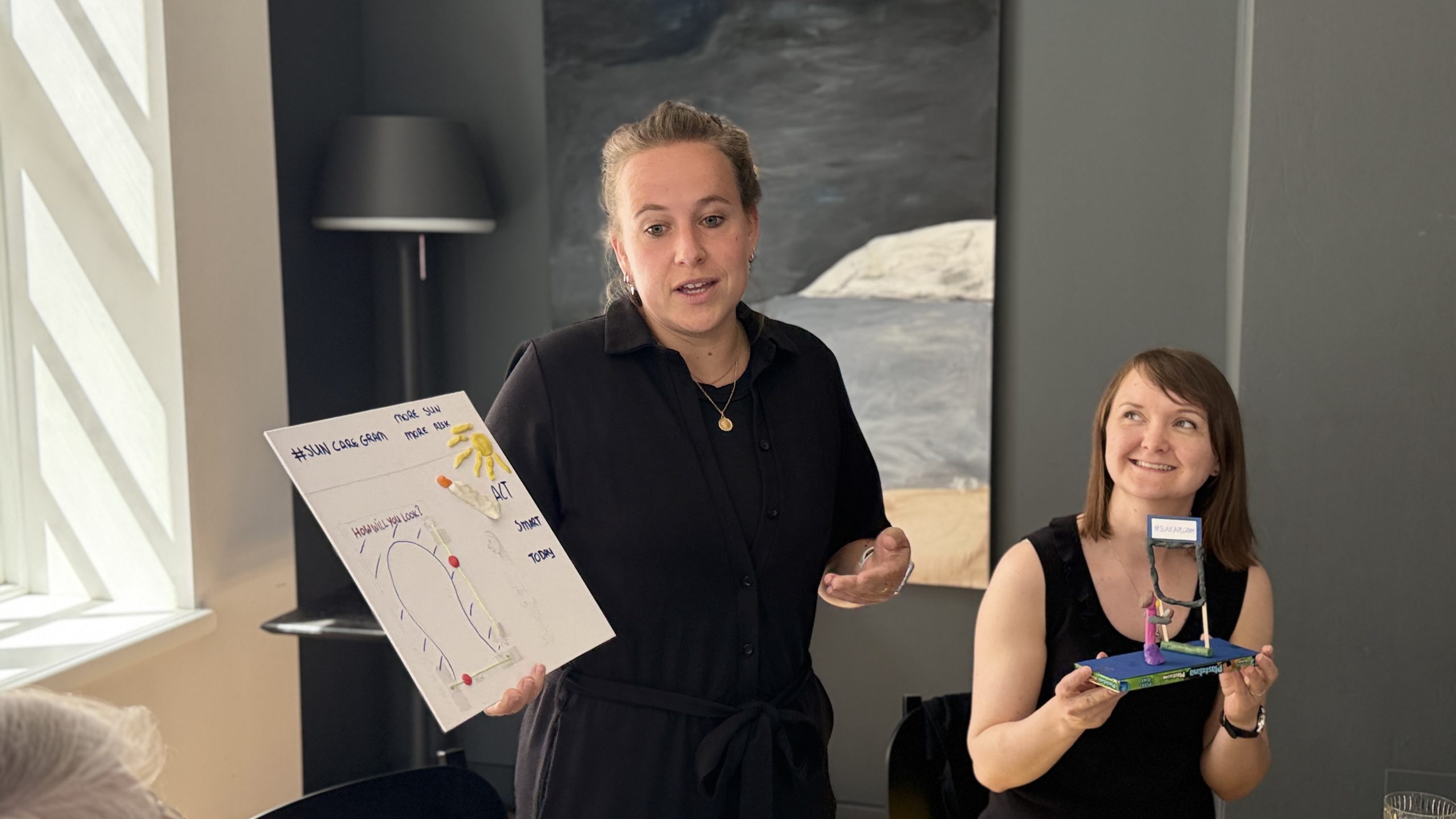
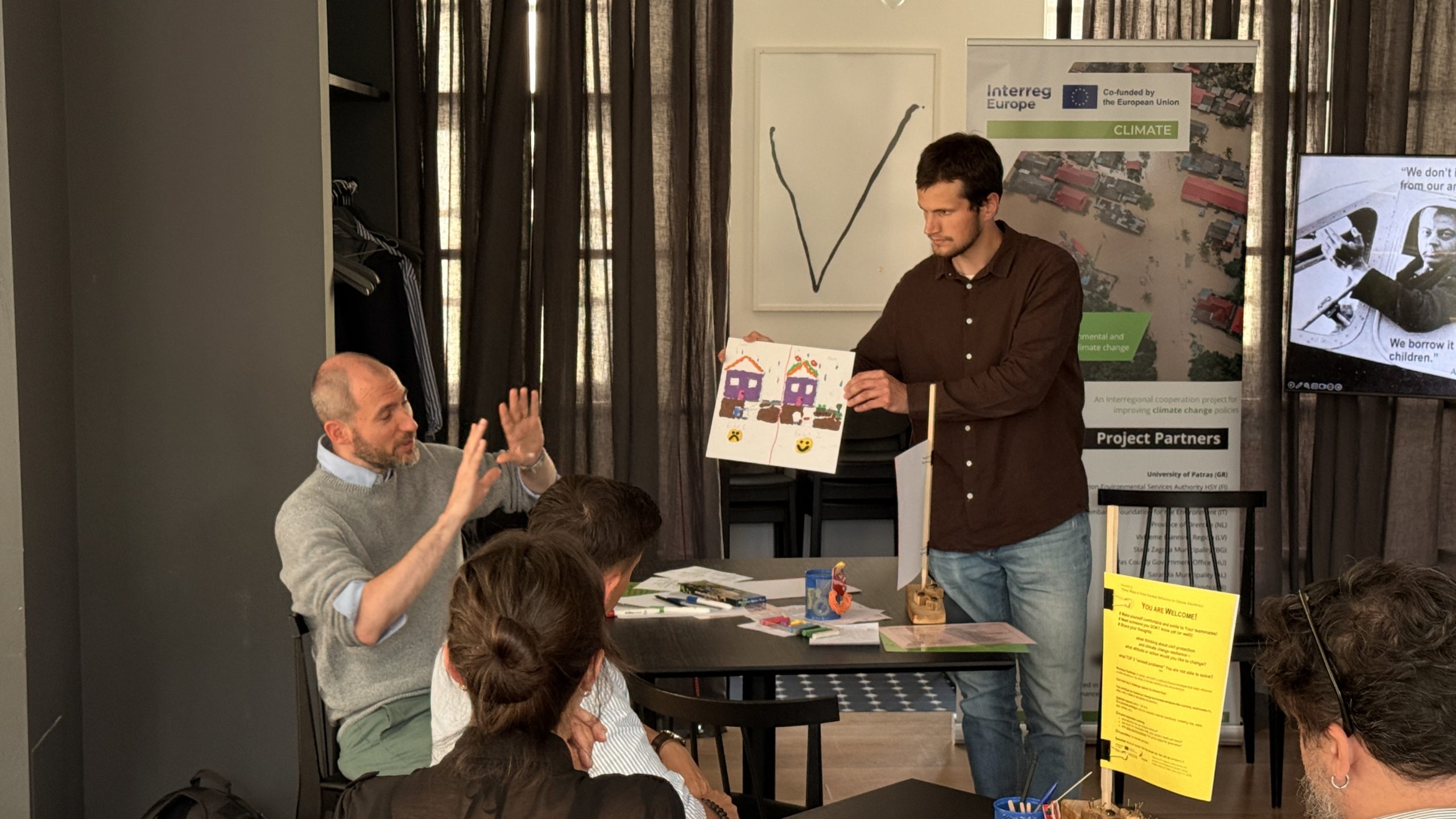
At the end of the workshop, international working groups presented ideas for increasing public engagement in climate resilience issues. Working with different target audiences – young people, climate sceptics and the wider public – participants explored ways to make climate challenges more understandable and personally relevant. The discussions demonstrated that effective communication requires more than facts and data; it must connect climate resilience to people’s everyday experiences, values and practical benefits. Participants also highlighted the importance of creative, interactive and visually engaging approaches that help build understanding and motivate action.
On the second day, project partners visited the Institute for Environmental Solutions in Priekuļi, where Jevgenijs Filipovs, Data Analyst, presented recent developments in mapping urban green areas and heat islands using freely available satellite data. Participants gained insight into technologies that enable municipalities to identify climate risks more accurately and plan adaptation measures more effectively.
The study visit concluded in Smiltene Municipality, where participants learned about local projects implementing nature-based solutions for water management and climate adaptation. These examples demonstrated how municipalities can use natural processes to improve stormwater management, reduce flood risks and enhance environmental quality at the same time.
During the meeting, project partners also discussed the future direction of the project and reviewed progress achieved so far. Particular attention was paid to how successful practices from different European regions can be adapted to local needs and used to strengthen climate resilience in the long term.
The CLIMATE project aims to strengthen the capacity of European regions to adapt to climate change by promoting the exchange of experience and improving policy instruments for climate risk management. Project partners analyse and transfer good practices in areas such as climate monitoring, nature-based solutions, public engagement and the development of civil protection systems.
About the Project
This publication has been prepared with the financial support of the European Union. The content of this publication is the sole responsibility of the Vidzeme Planning Region and does not necessarily reflect the views of the European Union.
The project “Improving EU regions’ environmental and socioeconomic resilience to climate change” (CLIMATE) is being implemented under the Interreg Europe cross-border cooperation programme from 2021 to 2027. It aims to support participating regions in strengthening their ability to adapt to the impacts of climate change by improving disaster risk prevention, enhancing civil protection capacities, and fostering inclusive, cross-sectoral cooperation.