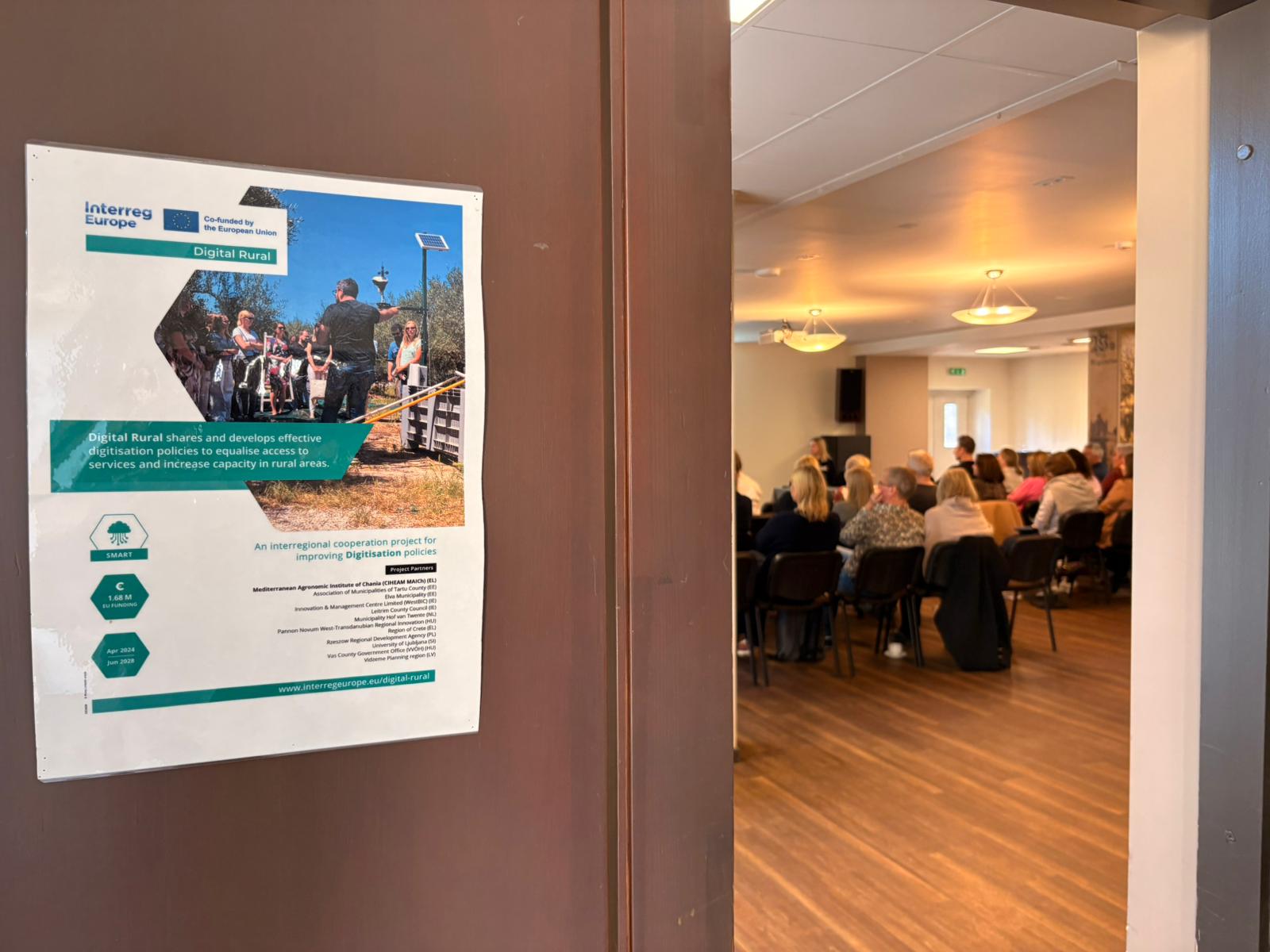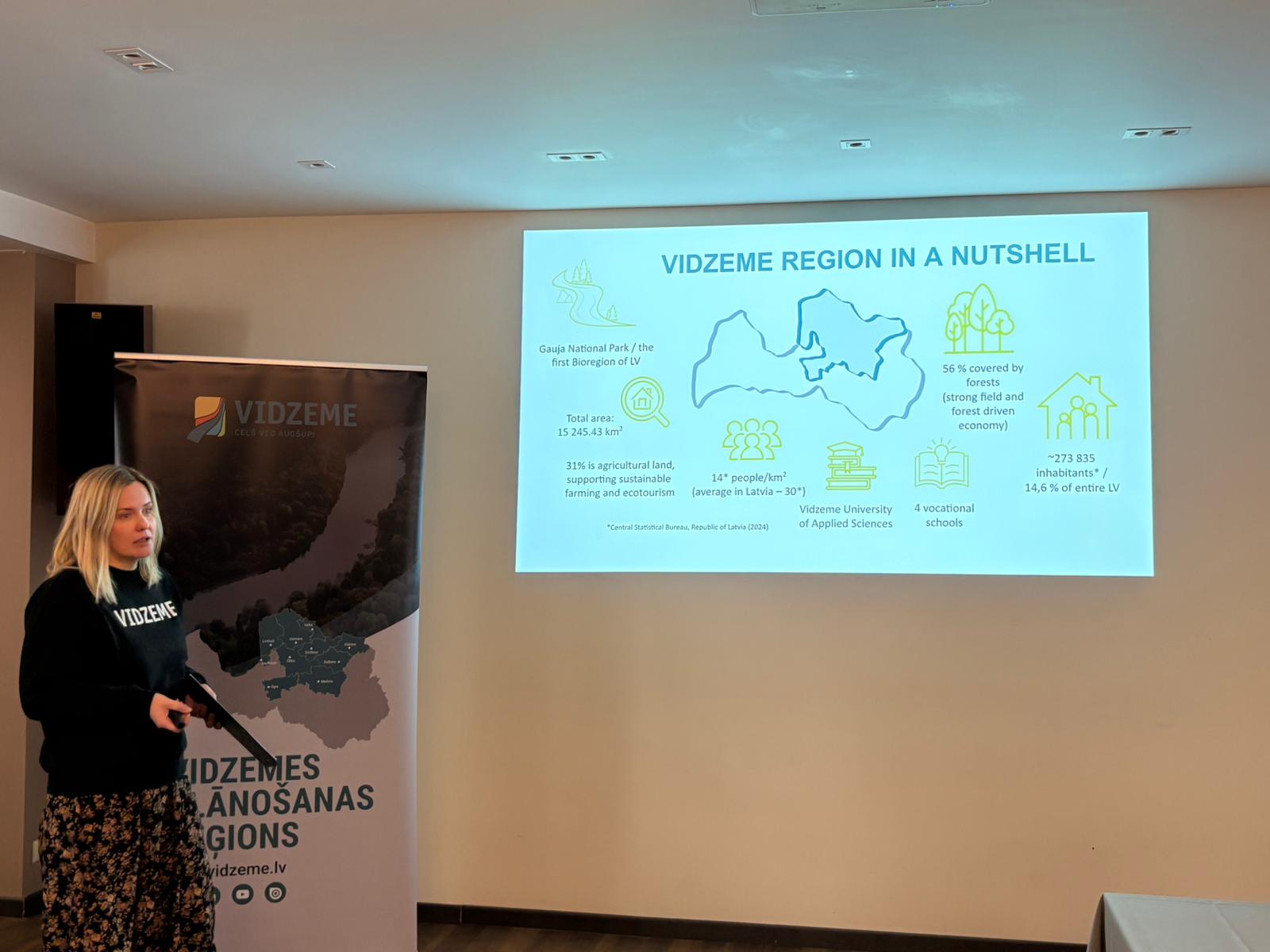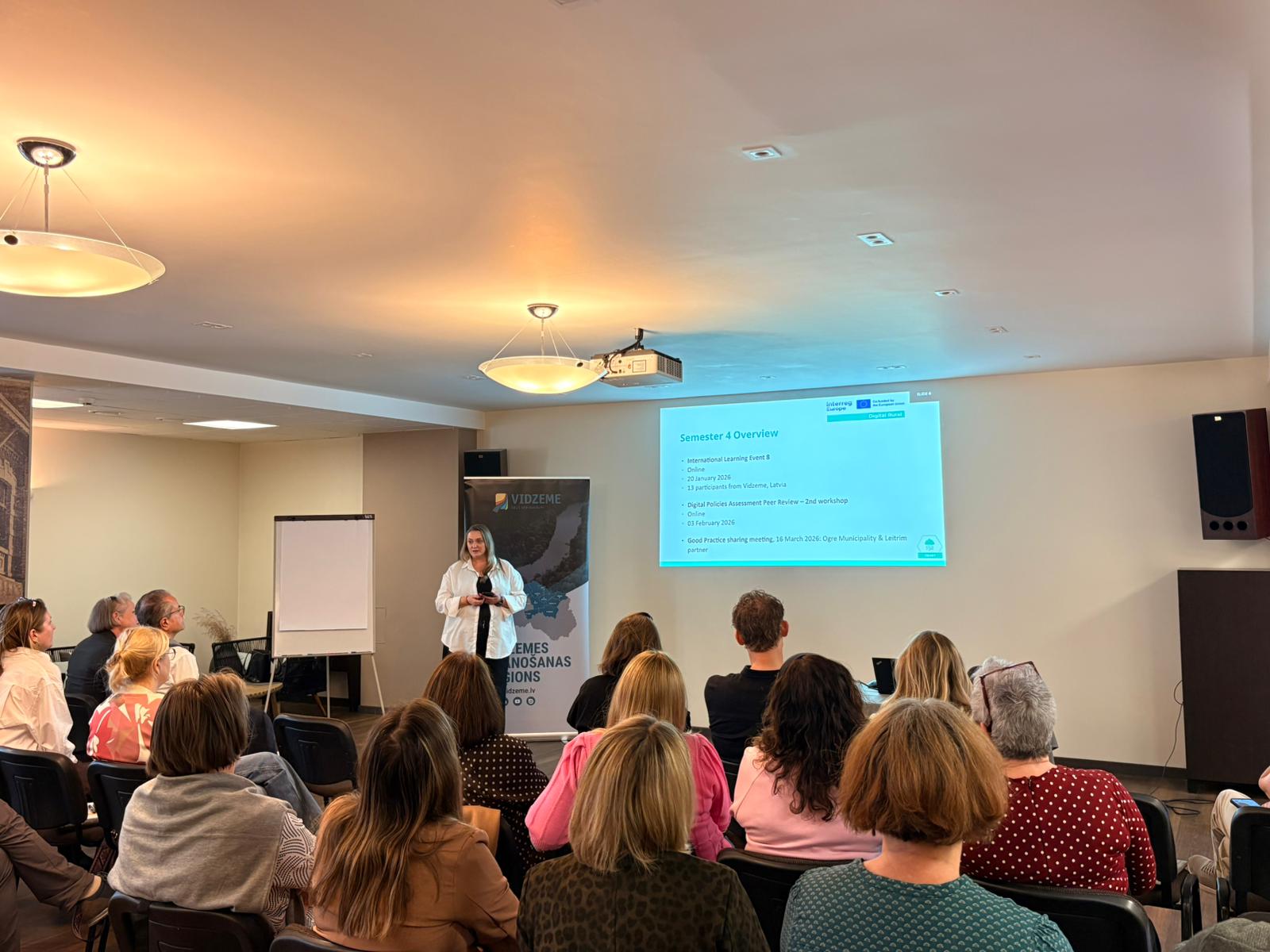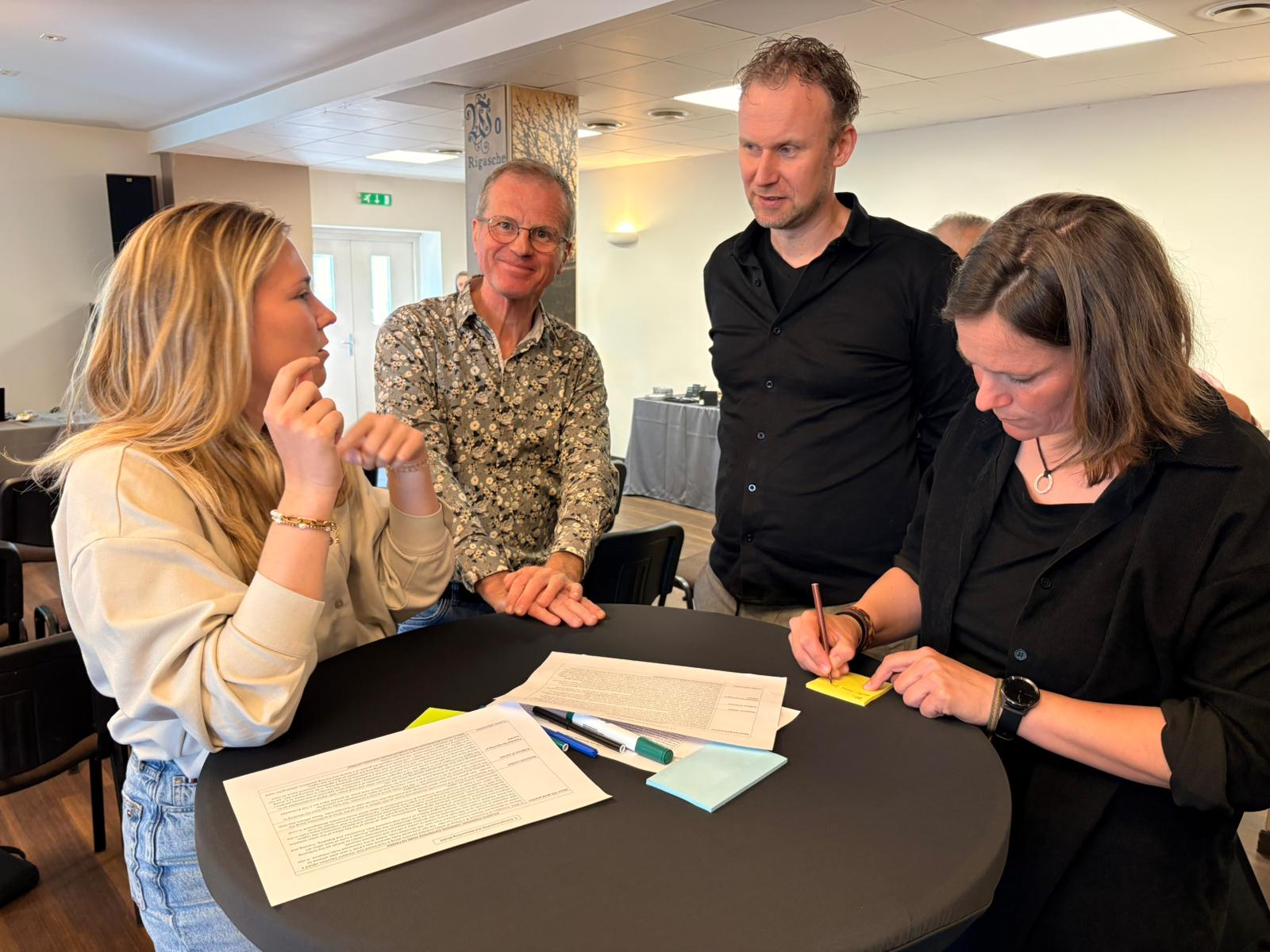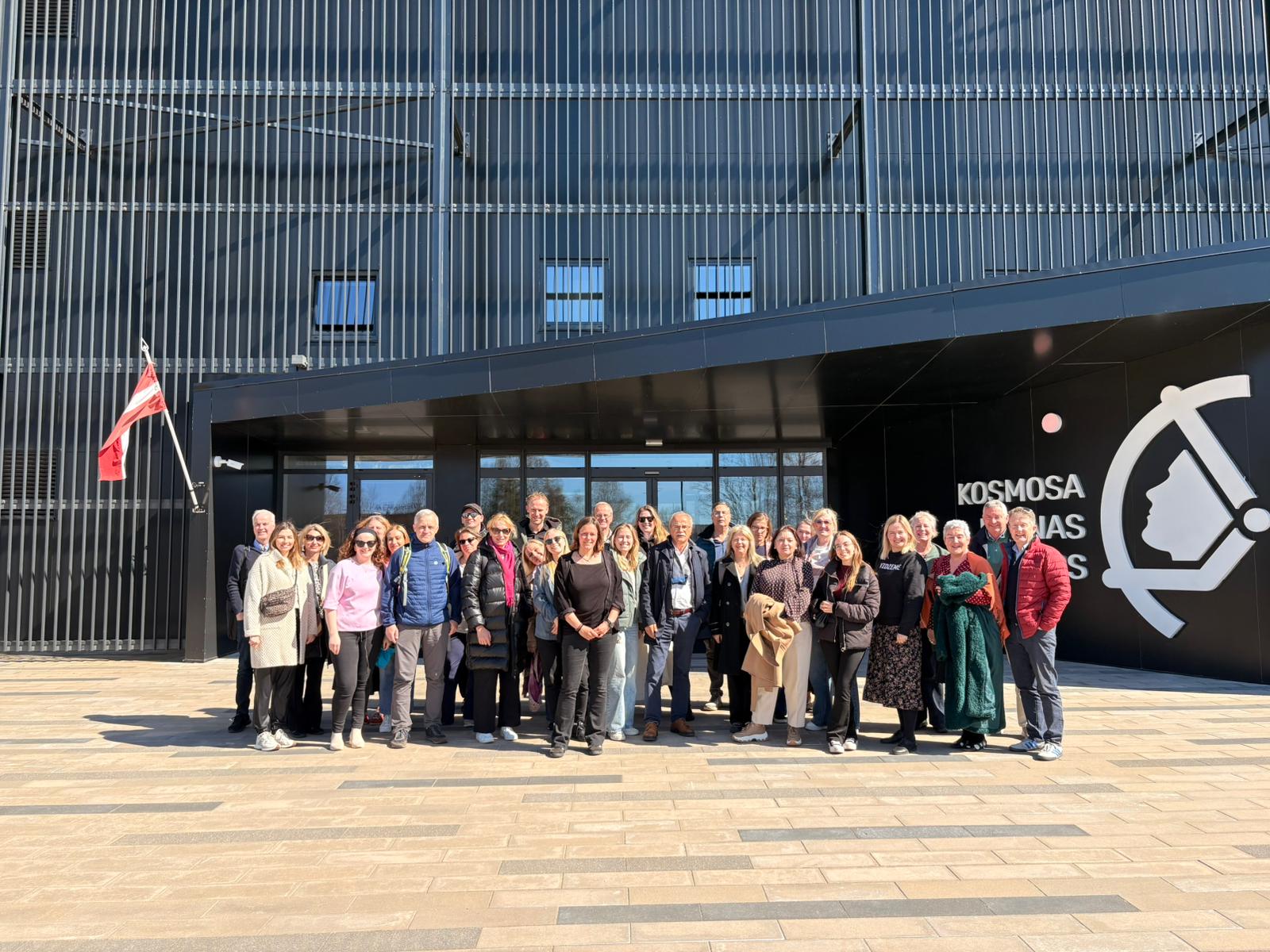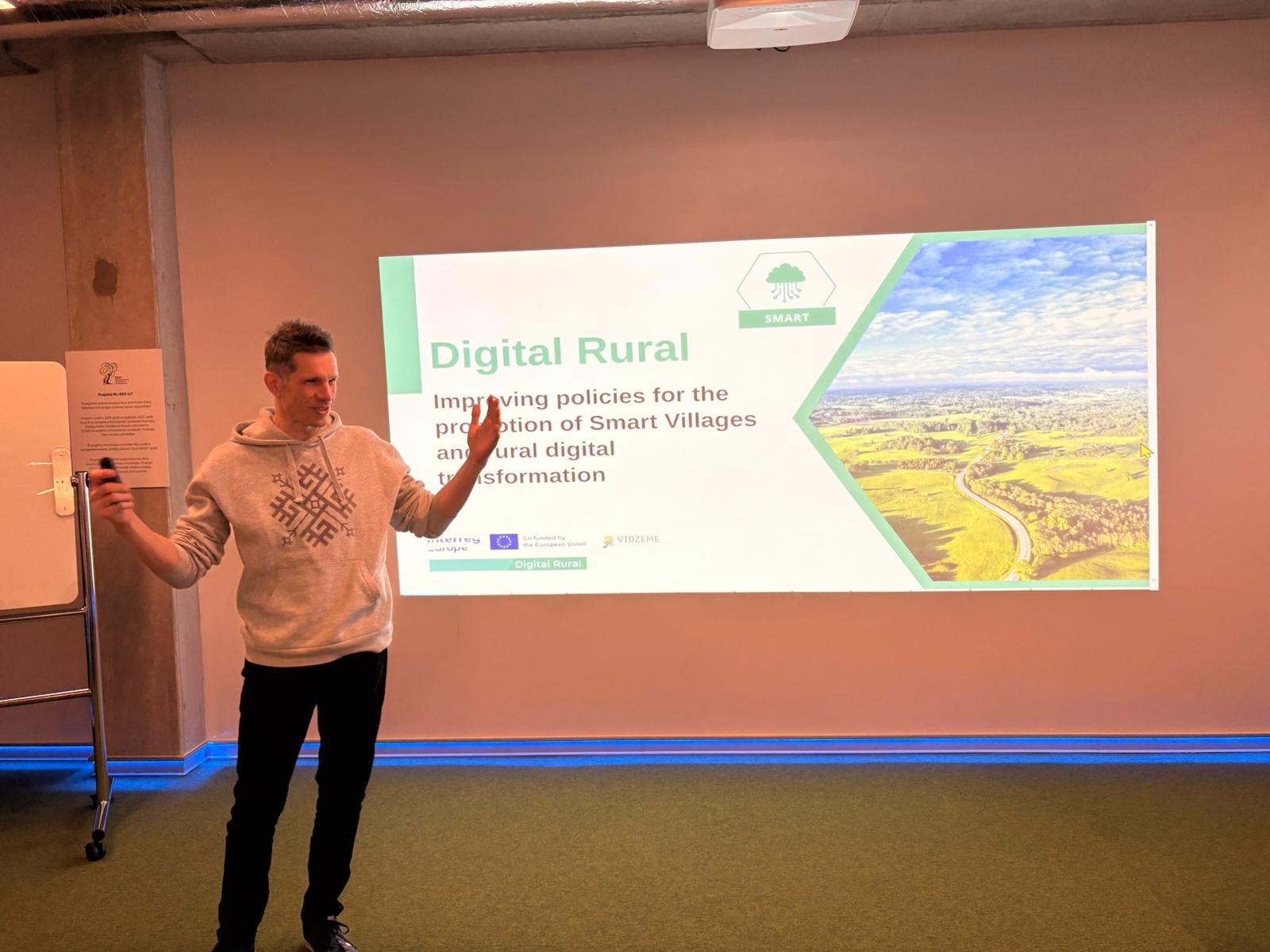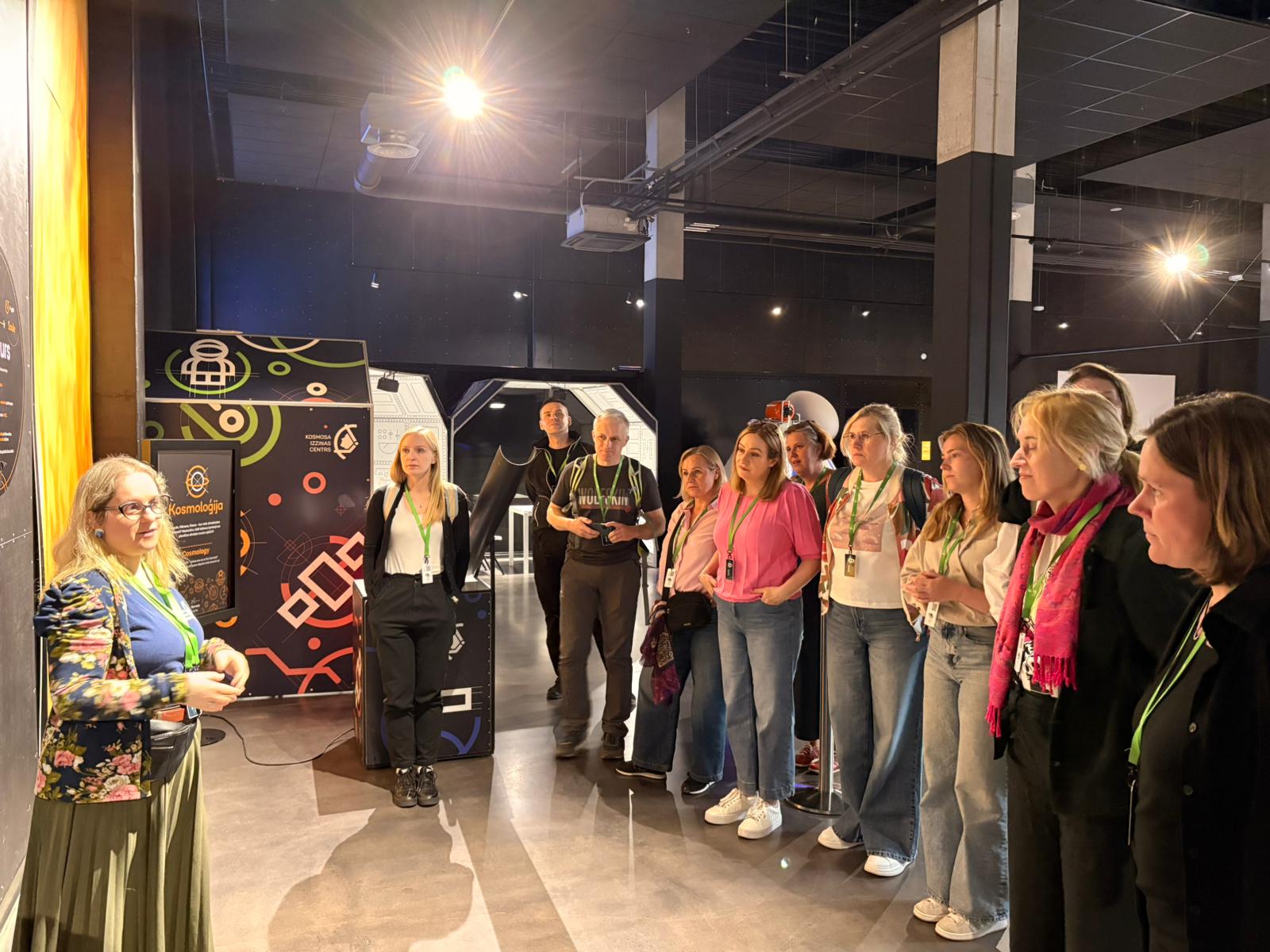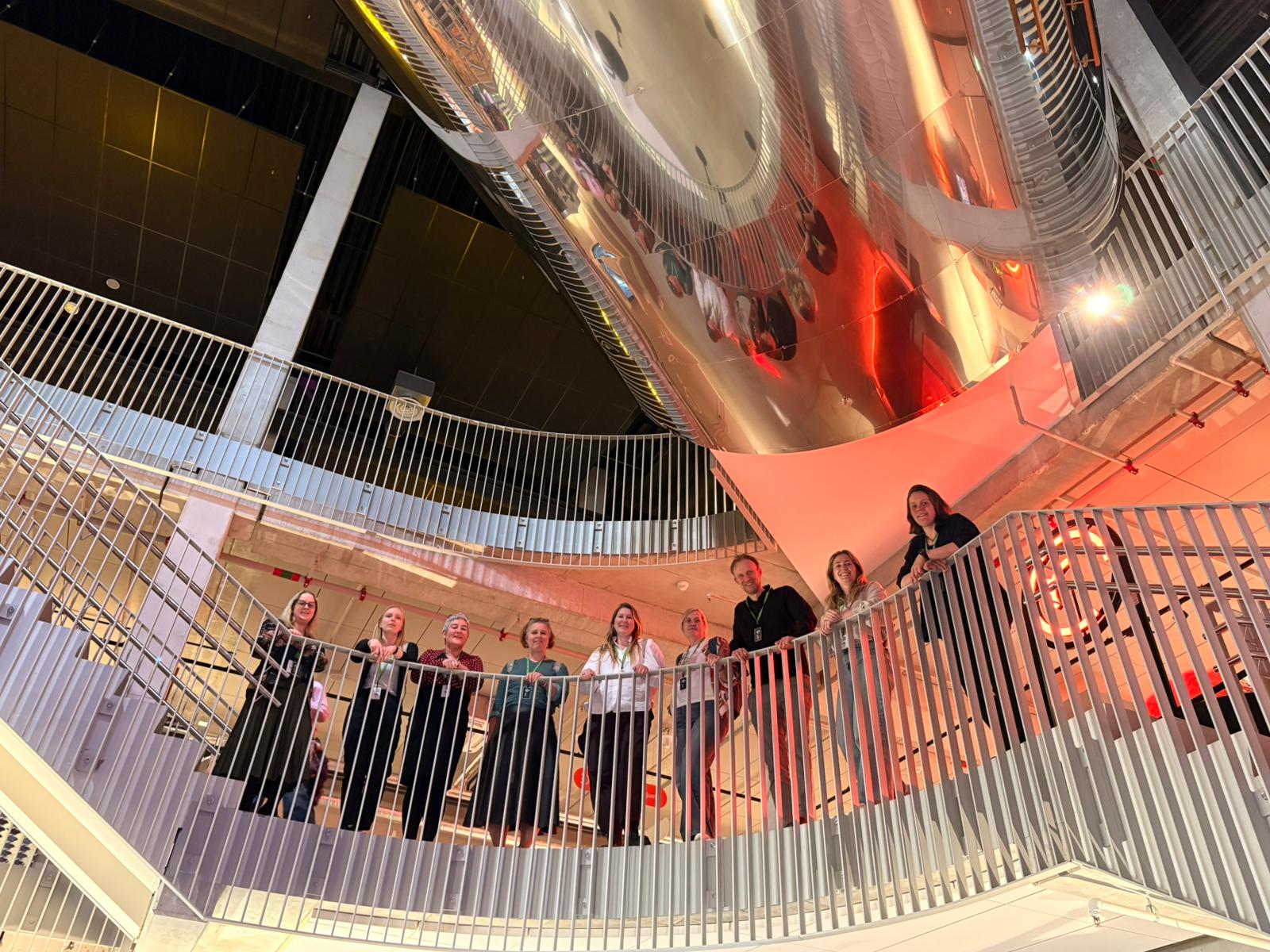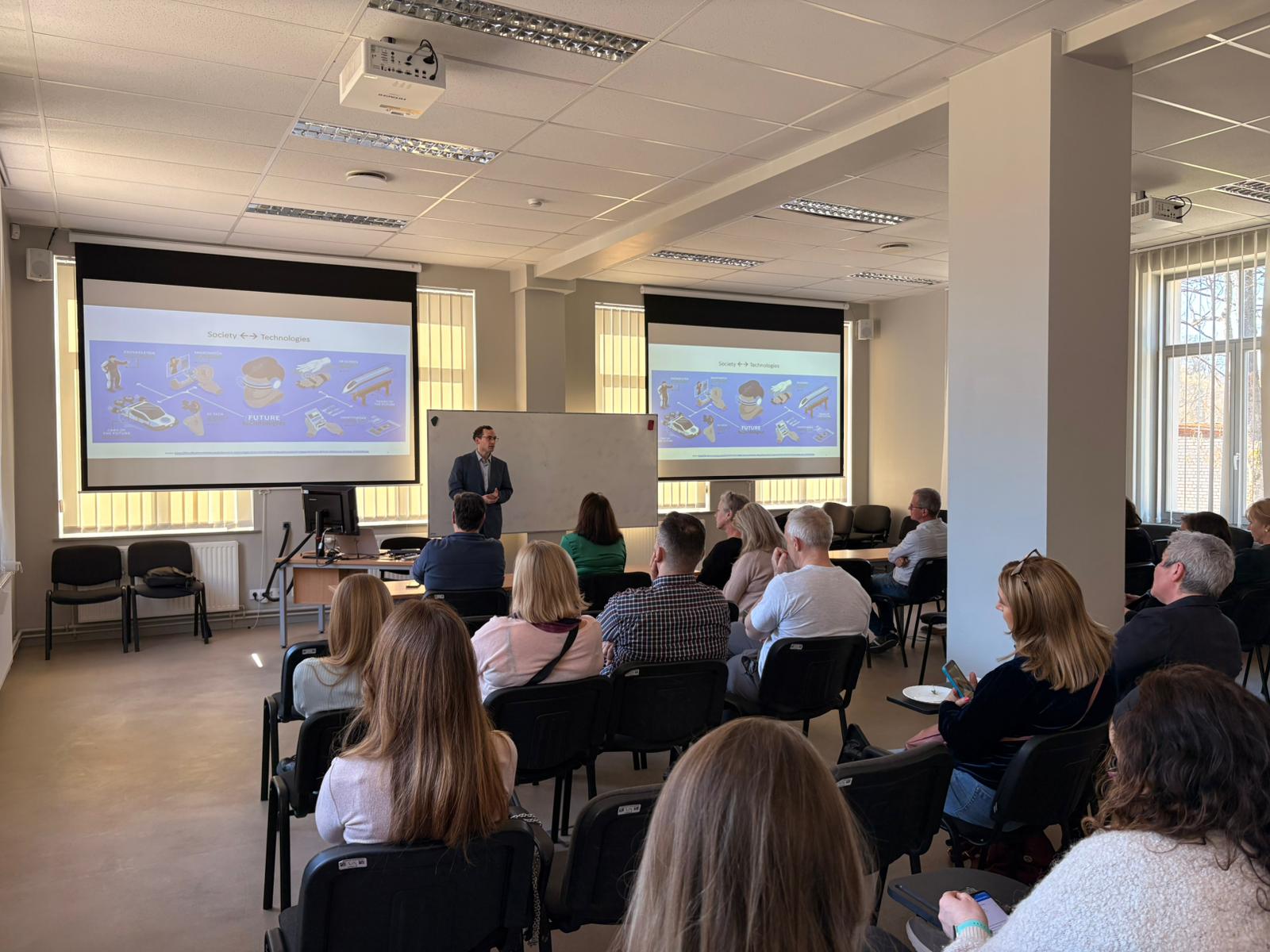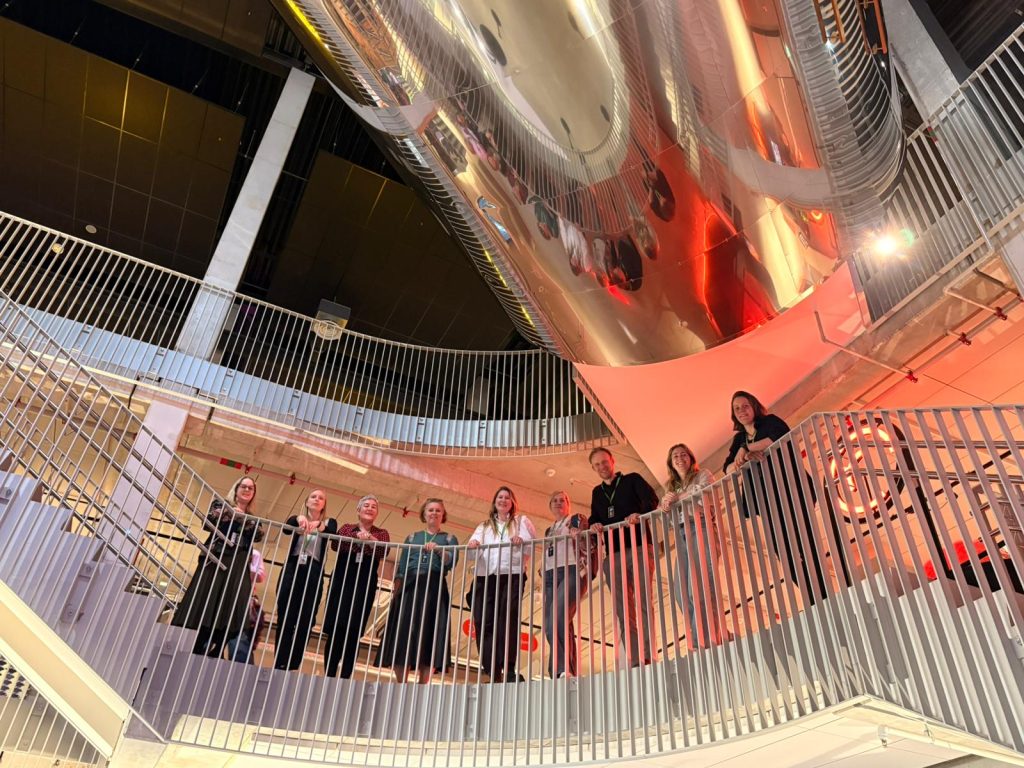
Digitalisation is often associated with large cities and metropolitan areas. However, at the end of April, Valmiera and Cesis became a meeting place for European regions seeking practical digital solutions for rural territories. On 21–22 April, the Digital Rural project partner meeting took place in Vidzeme, bringing together representatives from seven European countries to experience Latvia’s approach first-hand and to share their own practices on how digital solutions can improve public administration, entrepreneurship and everyday life in regional areas.
The Digital Rural project focuses not on technology for its own sake, but on its practical value for regional development. During the meeting, participants explored how digital solutions can help municipalities work more efficiently, provide new opportunities for local businesses and ensure more accessible and convenient services for residents. In regions with lower population density and very specific local needs, digitalisation can become a key development driver rather than an abstract vision of the future.
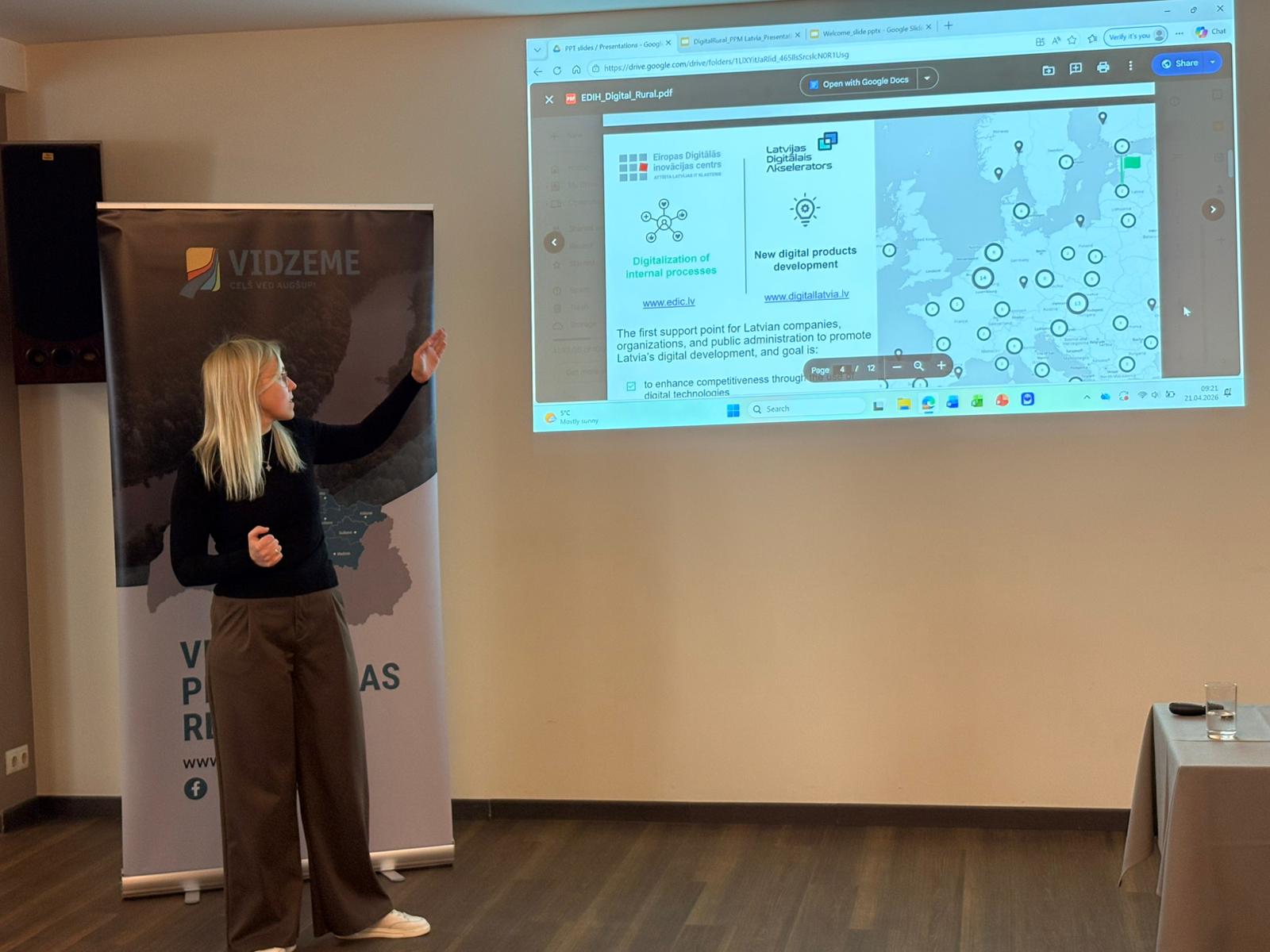
An important role in Vidzeme’s digital development ecosystem is played by the EDIH: Vidzeme regional hub, which provides hands-on support to businesses and the public sector in developing and advancing digital transformation. Discussions highlighted that digitalisation in regions often starts with small but targeted steps – digital maturity assessments, consultations and tailored training. This gradual and needs-based approach helps strengthen business competitiveness and improve the efficiency of municipal work.
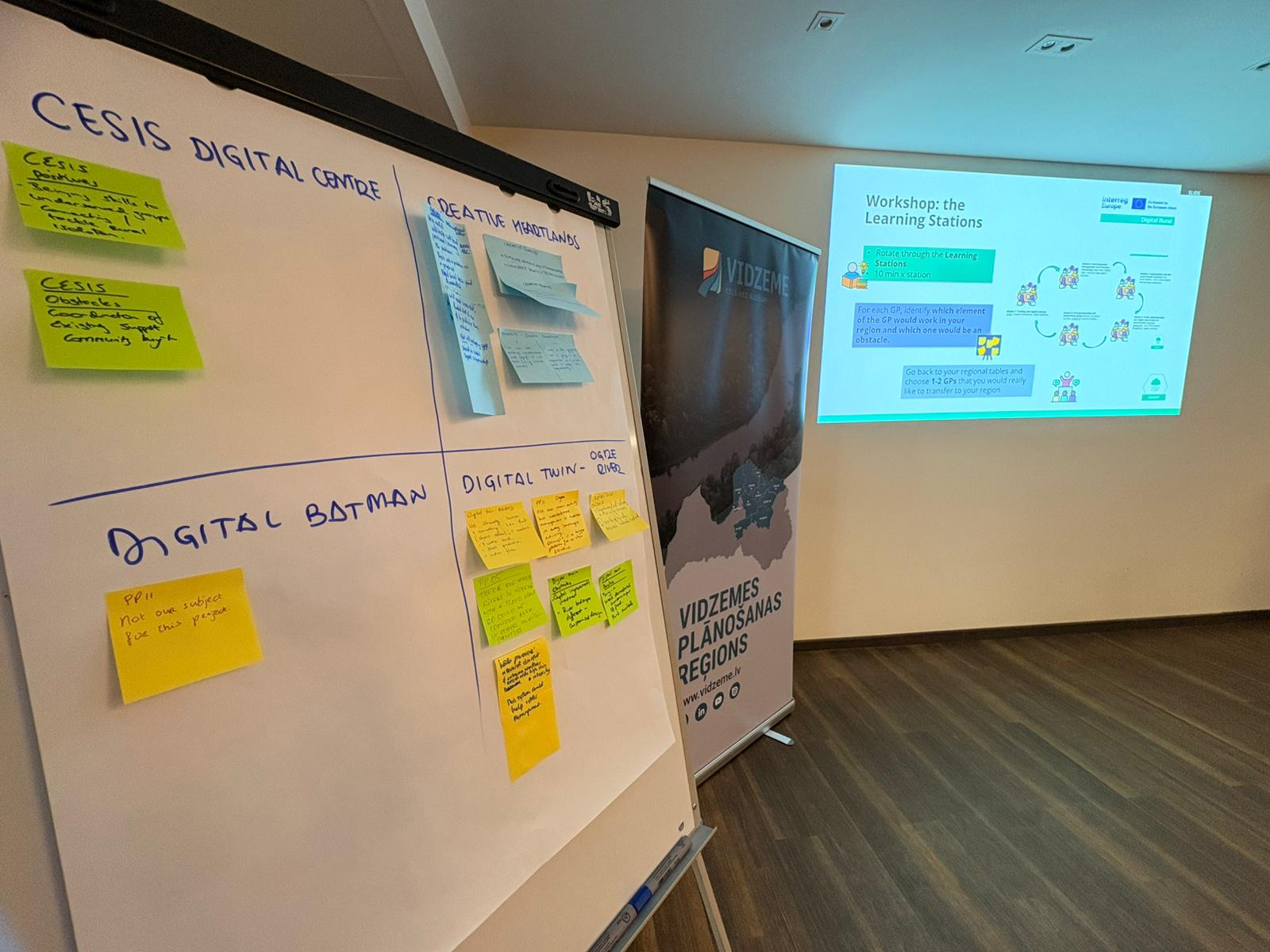
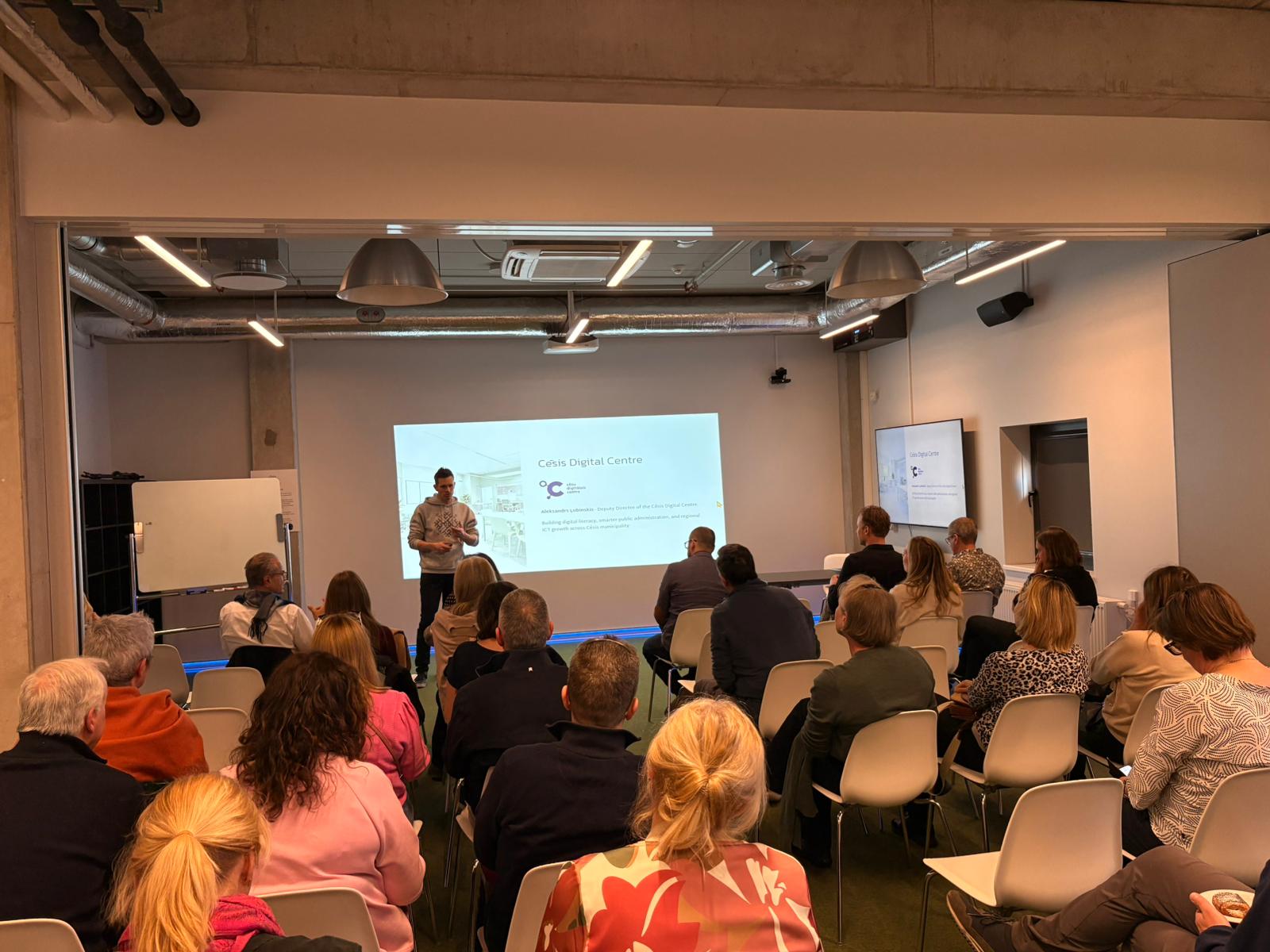
One of the key conclusions of the meeting was that without digital skills, even the most advanced technologies remain unused. For this reason, international partners showed particular interest in the experience of the Cesis Digital Centre, where digital skills are actively developed among residents, entrepreneurs and municipal employees. This approach not only builds new competencies, but also creates trust in digital solutions and reduces concerns about change.
Similar approaches to digital literacy can be found across Europe. For example, the Creative Heartlands initiative in Ireland supports creative entrepreneurs in rural regions by helping them adopt modern digital manufacturing technologies – from 3D printing to virtual reality. This experience demonstrates that digital skills can become a foundation for new business models even in regions traditionally dominated by conventional industries.
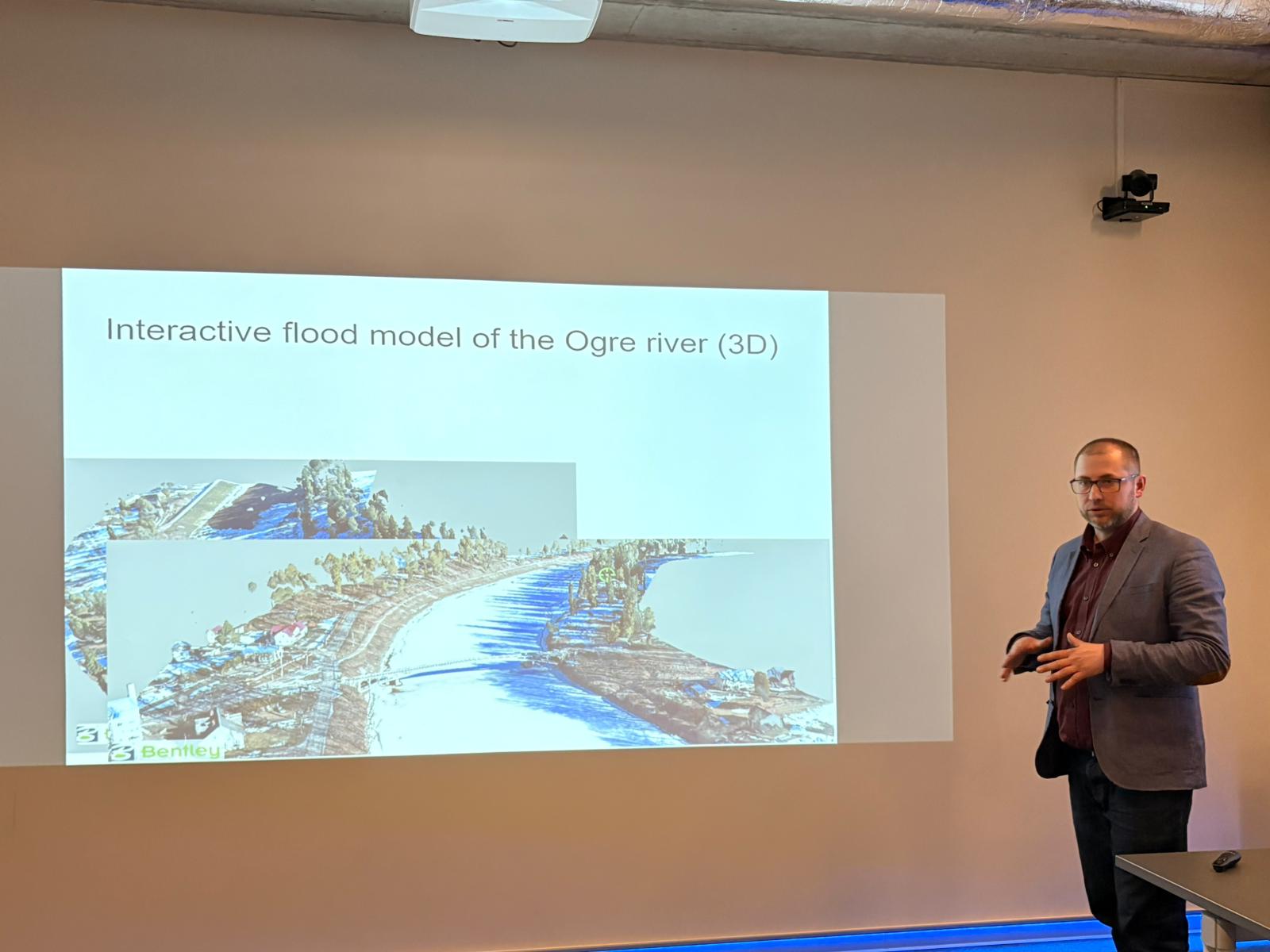
During the meeting in Cesis, participants were also introduced to the digital twin of the Ogre River, developed to predict flood risks and provide early warnings to responsible authorities and residents. The solution attracted strong interest as it clearly demonstrates how data analysis and digital modelling can support environmental management and civil protection, particularly in the context of climate change. Across Europe, digital solutions are becoming increasingly important in this field – for example, precision agriculture in Poland uses drones to analyse crop conditions and reduce resource consumption.
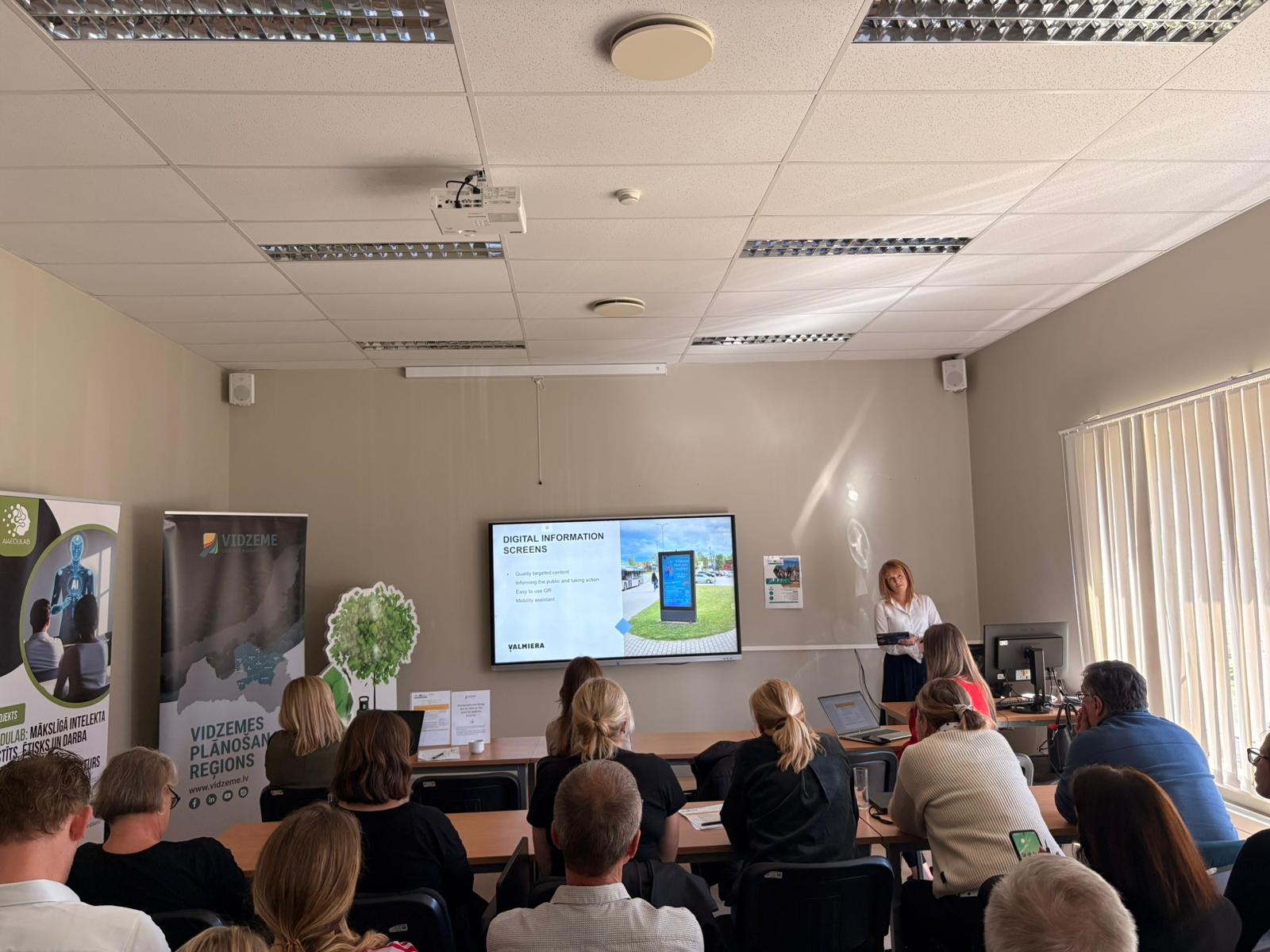
On the second day of the event in Valmiera, special attention was given to the role of municipalities in digital transformation. Valmiera’s experience showed that digitalisation is not a standalone project, but a long-term and systematic approach covering both internal processes and improved service accessibility for residents. From electronic document management and unified IT platforms to security solutions and data-driven decision-making, these examples confirmed that regional municipalities can also act as drivers of digital innovation.
In the international context, participants also discussed Estonia’s experience with participatory budgeting, where digital tools enable residents to take part in decisions on the use of public funds. This approach not only increases civic engagement, but also strengthens trust between local authorities and communities.
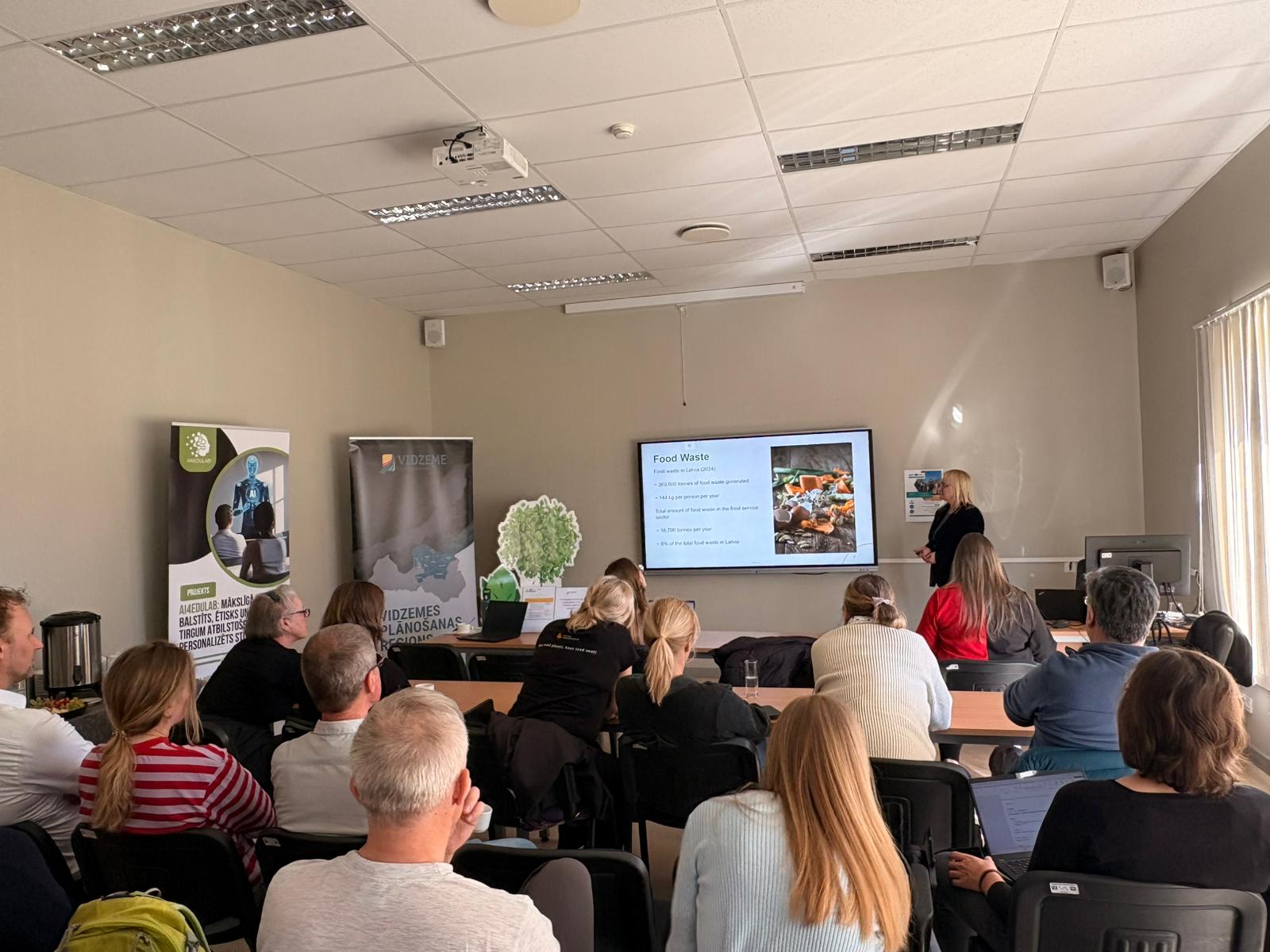
Digitalisation was also explored through the lens of sustainability and the circular economy. The Ce4Re project presented digital tools designed to reduce food waste in the catering sector – from food waste monitoring systems to circular menu planning tools. These solutions illustrated how digital technologies can help simultaneously reduce resource consumption and business costs.
International partners were also introduced to the Virtual Reality Laboratory of Vidzeme University of Applied Sciences (ViA VR Lab), which has more than ten years of experience in developing virtual and augmented reality solutions. The laboratory works across a wide range of fields – from education and safety training to medicine, tourism and digital twins – while contributing to applied research and the training of future specialists in the region.
The Digital Rural partner visit to Vidzeme once again confirmed that rural regions do not need to replicate solutions created for large cities. Instead, they can develop digital solutions tailored to local needs and capacities. Vidzeme’s experience shows that by combining digital skills, data and cross-sector cooperation, it is possible to create solutions that are both practical and sustainable, while preserving regional identity and strong ties to local communities.