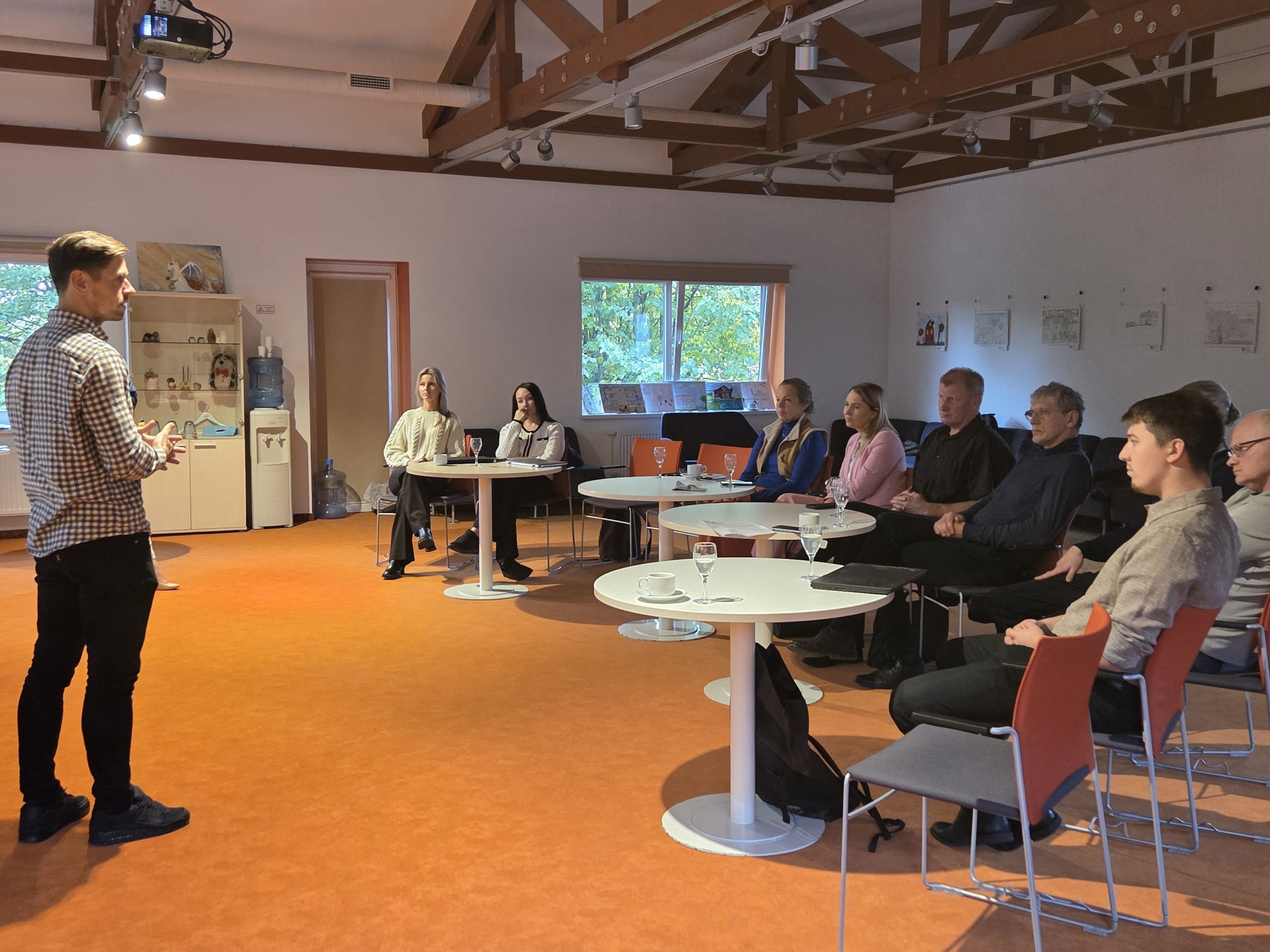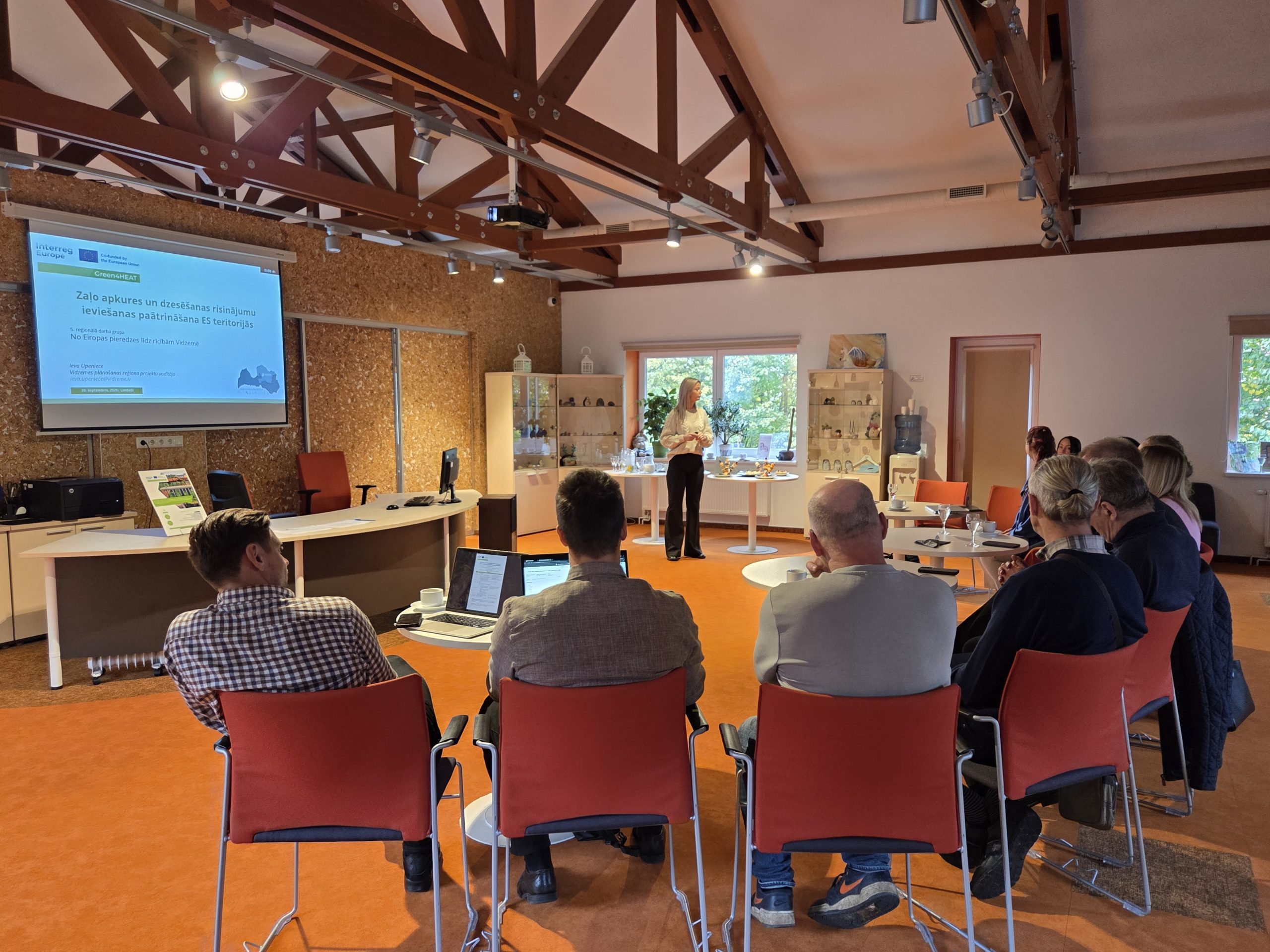
How can heating in Vidzeme become more efficient, reliable and sustainable? This question brought together heat producers, municipal specialists, energy managers and industry experts at the Limbaži Municipality Main Library on 30 September. Organised by the Vidzeme Planning Region, the meeting gave participants a chance to share practical experience and explore how to combine existing energy resources more effectively with new technologies.
Practical solutions for the development of heating systems
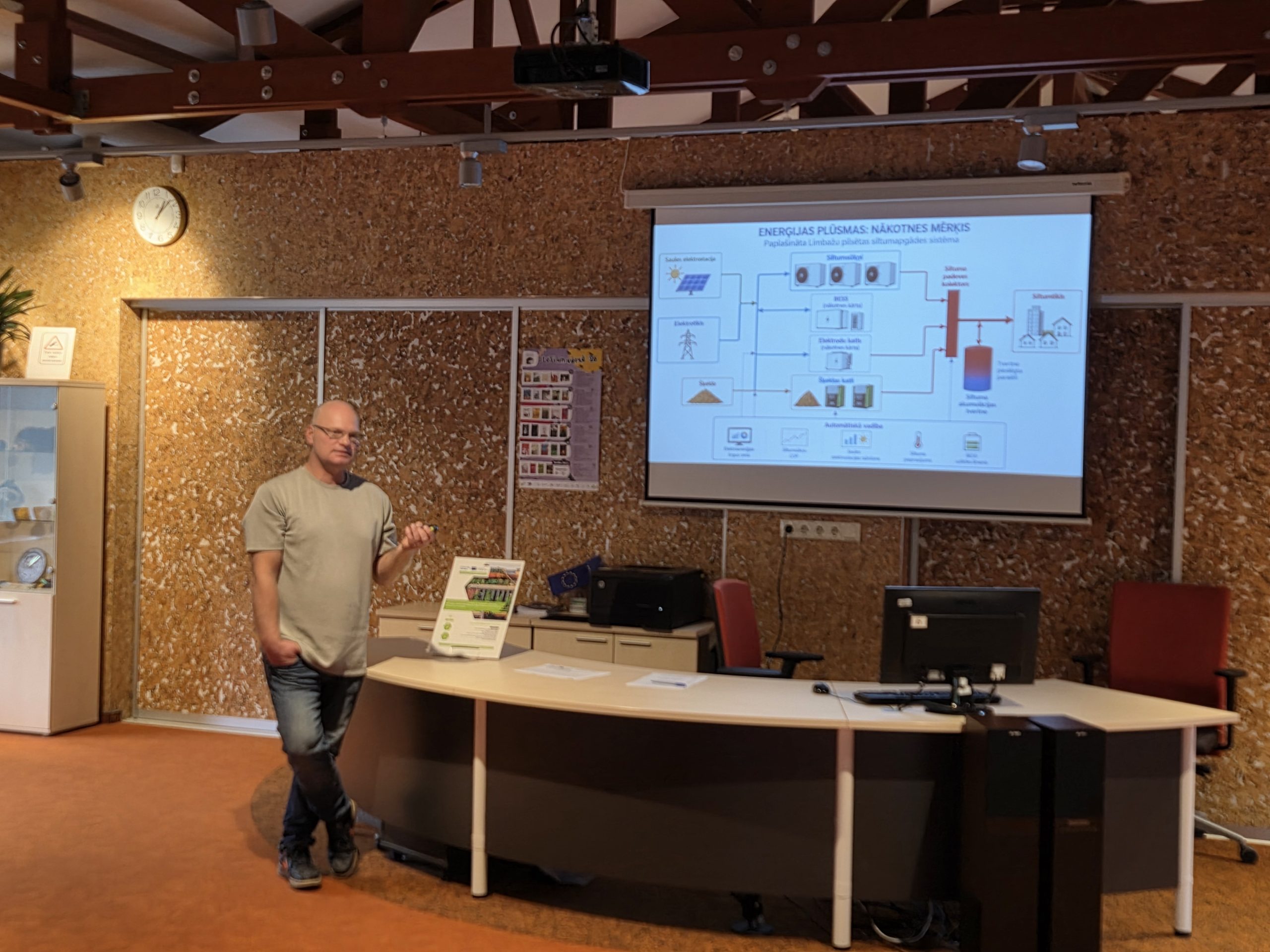
Ainārs Grīviņš, a representative of SIA “Limbažu siltums”, presented the company’s plans to develop a hybrid heating system. A design-and-build tender has been launched to upgrade the main boiler house, with plans to combine heat pumps, an electric boiler, solar energy and a battery energy storage system. Wood-chip boilers would continue to play an important role, particularly in winter. Combining different technologies would allow the company to select the most suitable heat production method more flexibly, depending on demand and energy prices.
The district heating company in Aizkraukle is also planning to introduce heat pumps with a capacity of up to approximately 100 kW in rural villages to reduce heat production and maintenance costs. Meanwhile, the experience of SIA “Vidzemes slimnīca” (Vidzeme Hospital) highlighted that investing in new technologies alone is not enough. Skilled professionals are needed to operate and maintain these systems. Equipment lifespan, operating costs and the possibilities for adapting existing buildings must also be considered. Cooling is also becoming an increasingly important issue.
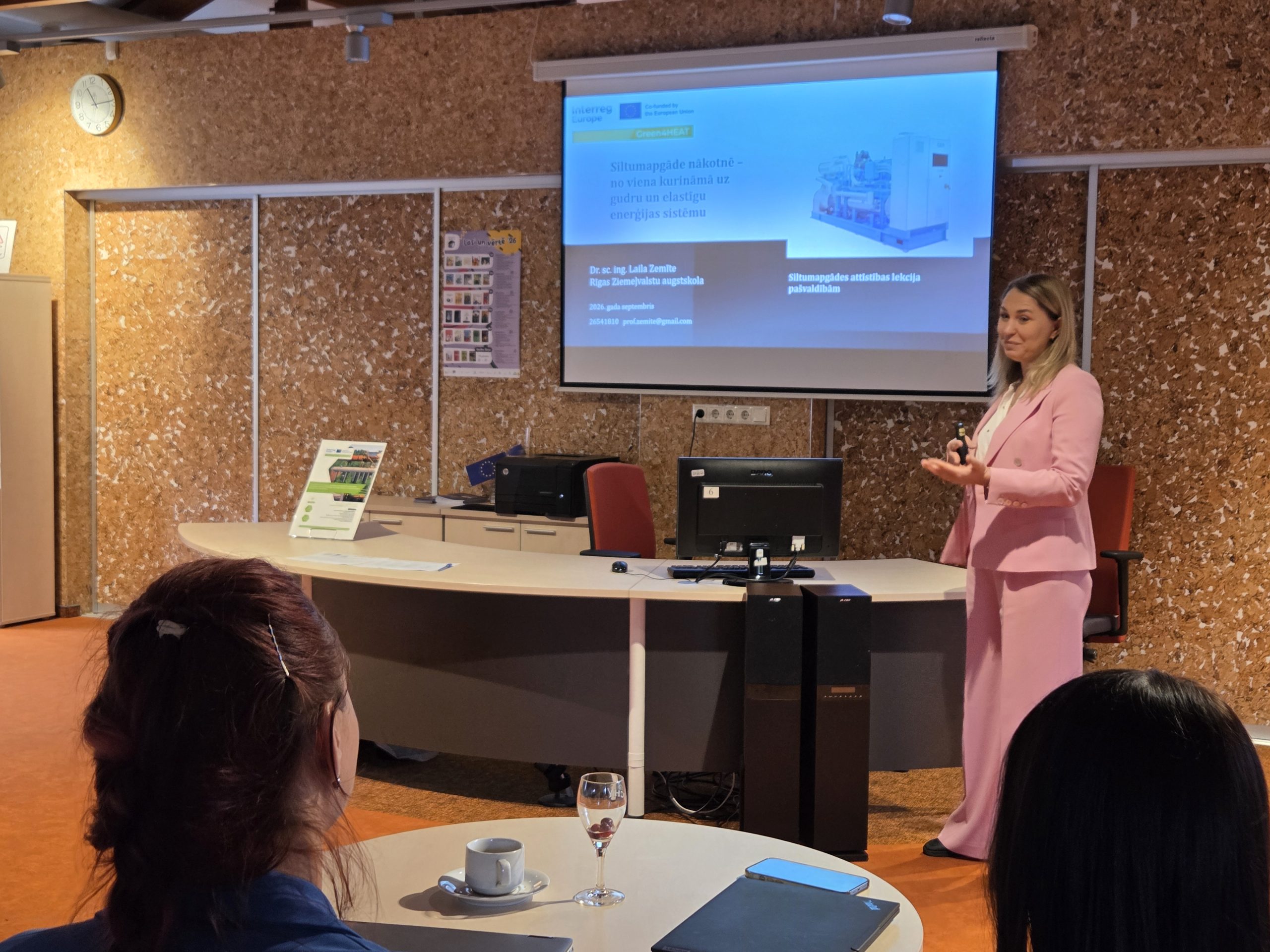
A broader perspective on the development of heating systems was provided by Dr. sc. ing. Laila Zemīte, Vice-Rector for Science at Rīgas Ziemeļvalstu Augstskola, who emphasised the importance of viewing buildings, heat sources and distribution networks as parts of an integrated system.
“The future of heating is not about finding one perfect technology. What matters more is understanding how best to combine different energy resources and solutions to meet the needs of a particular location and its people.”
Dr. sc. ing. Laila Zemīte, Vice-Rector for Science at Rīgas Ziemeļvalstu Augstskola
Heat pumps, wood-chip boilers, solar energy, thermal energy storage and waste heat can complement one another, increasing the flexibility and reliability of heating systems. It is also essential to plan buildings, heat sources and distribution networks as an integrated system.
Advantages of Latvia's energy systems and next steps
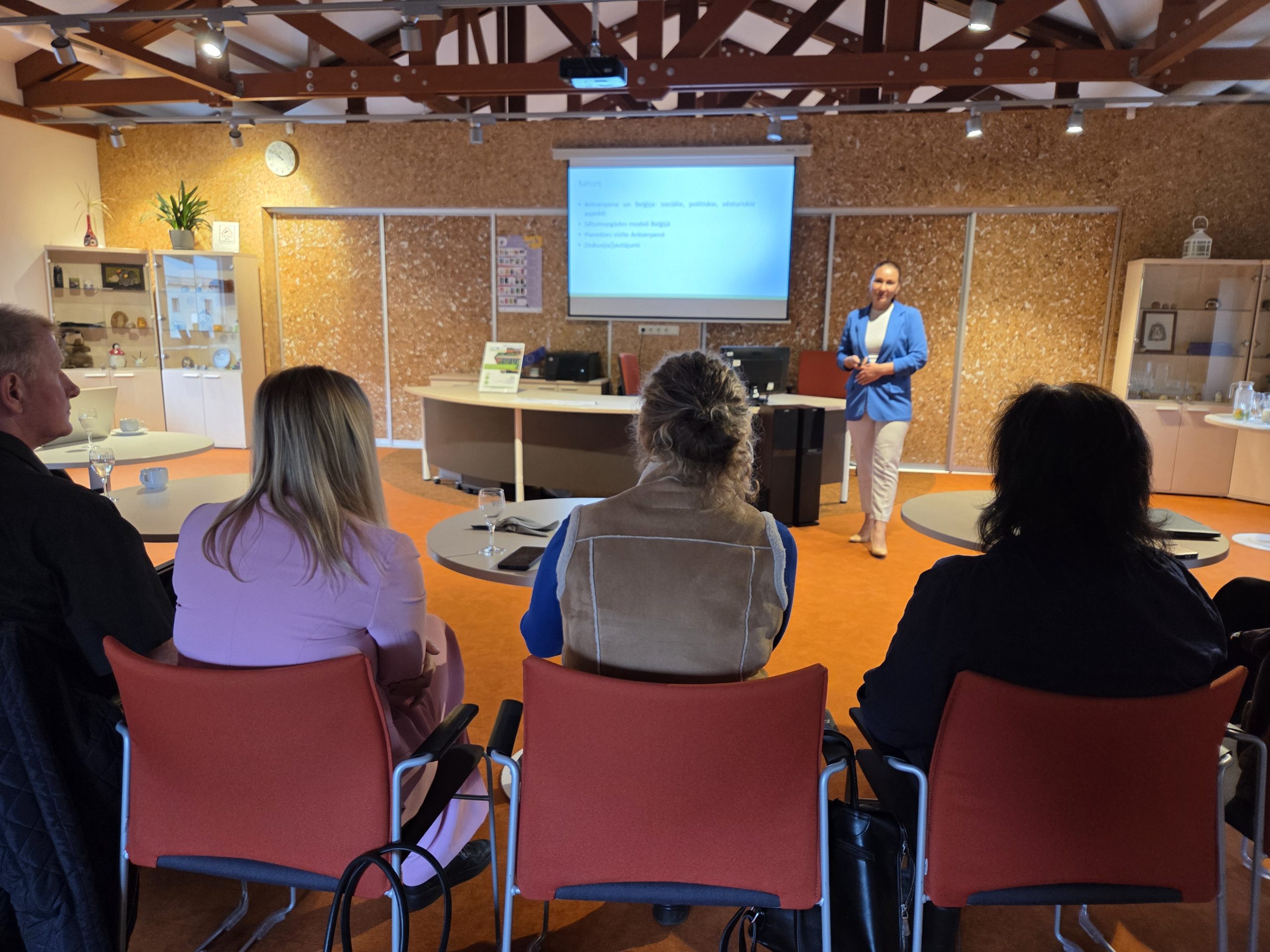
In September, Green4HEAT project partners took part in a study visit to Antwerp, Belgium. Laura Dzelzkalēja, an expert from the Vidzeme Planning Region, shared insights gained during the visit. She highlighted Latvia’s advantage of having established district heating networks, accumulated energy consumption data and experience in using this information. This allows Latvia to focus on modernising existing infrastructure, while Antwerp is still addressing challenges related to network construction and planning the required heating capacity. The international exchange also explored opportunities to recover waste heat from industrial facilities and integrate different heat sources into a single system.
During the practical session in Limbaži, participants discussed the measures included in the updated Vidzeme Planning Region Development Programme and how they will be implemented over the coming years. Particular attention was given to developing energy communities, accessing green financing, utilising waste heat and strengthening the skills of energy sector professionals.
The discussion particularly emphasised the need to inform and engage residents in establishing energy communities. A proposal was made for the Vidzeme Planning Region and other energy sector stakeholders to organise information events on the opportunities offered by energy communities, in cooperation with municipalities and local residents’ councils.
Participants also noted that improving heating efficiency requires action from both heat producers and building owners. Producers should reduce production costs and heat losses in distribution networks, while building owners should improve energy efficiency and ensure heating systems are properly adjusted.
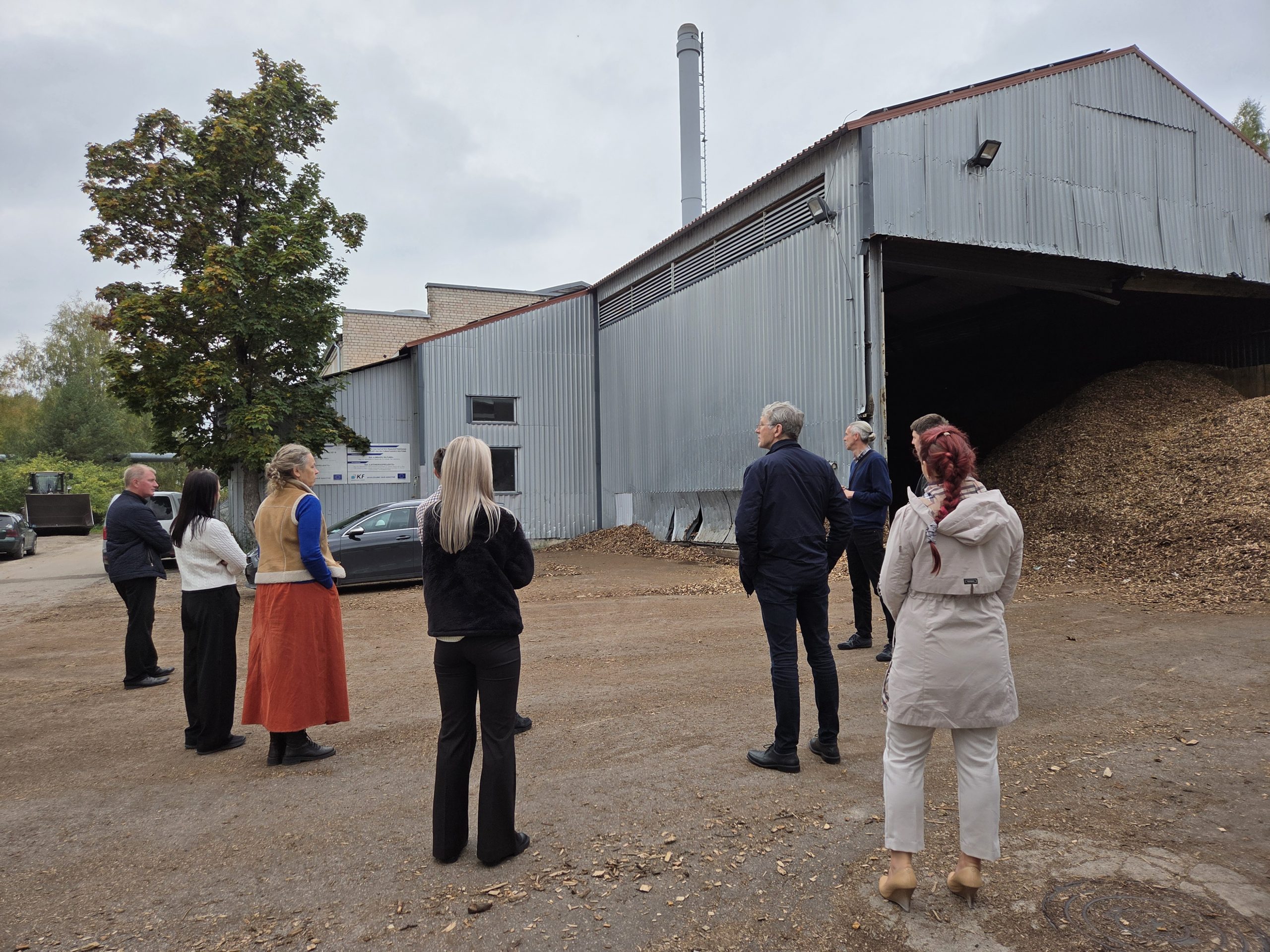
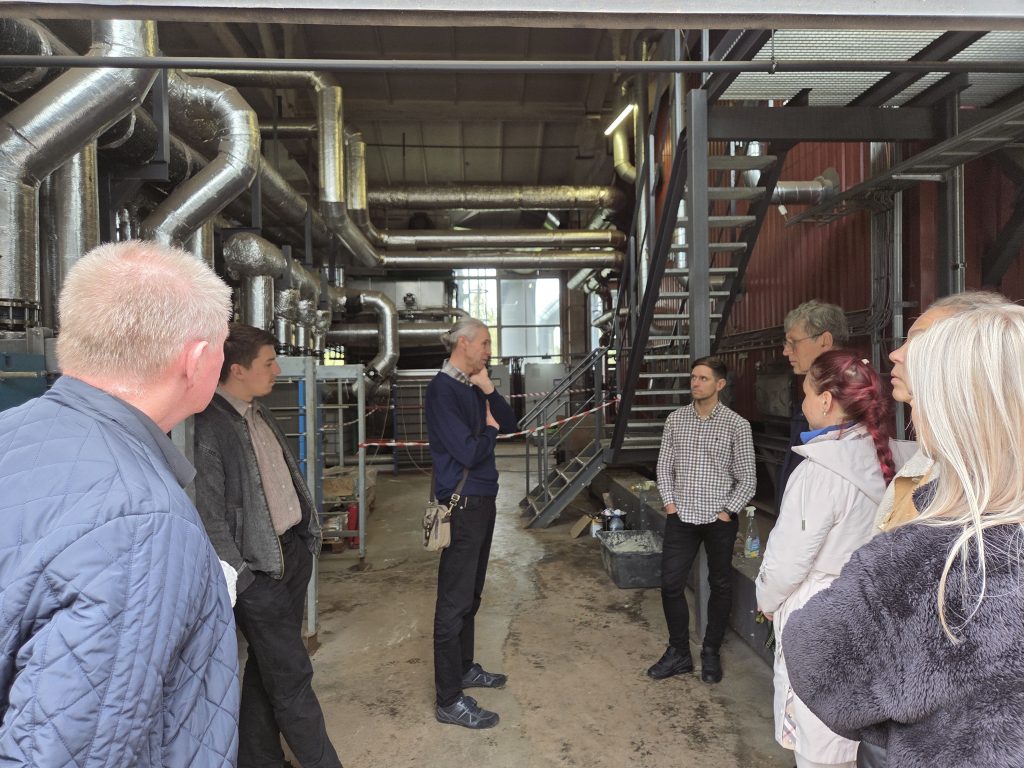
At the end of the meeting, participants visited the SIA “Limbažu siltums” boiler house, where they learned about the company’s operations and heating infrastructure.
The event was organised as part of the Interreg Europe project “Accelerating the Uptake of Green Heating and Cooling Solutions in EU Territories” (Green4HEAT) and marked the project’s fifth regional stakeholder working group meeting. Through these meetings, the Vidzeme Planning Region continues to promote knowledge exchange and cooperation to identify heating solutions suited to Vidzeme’s needs.