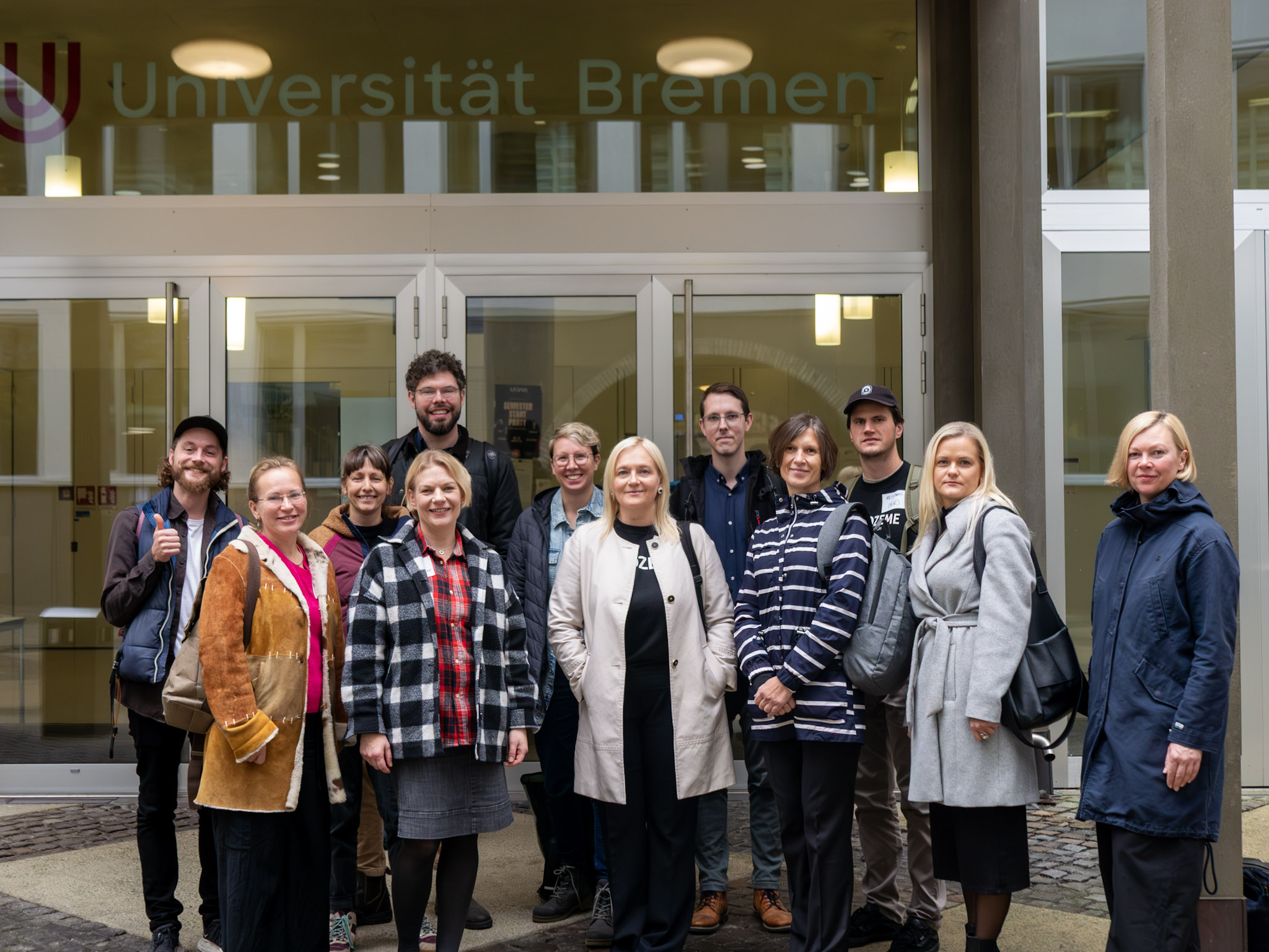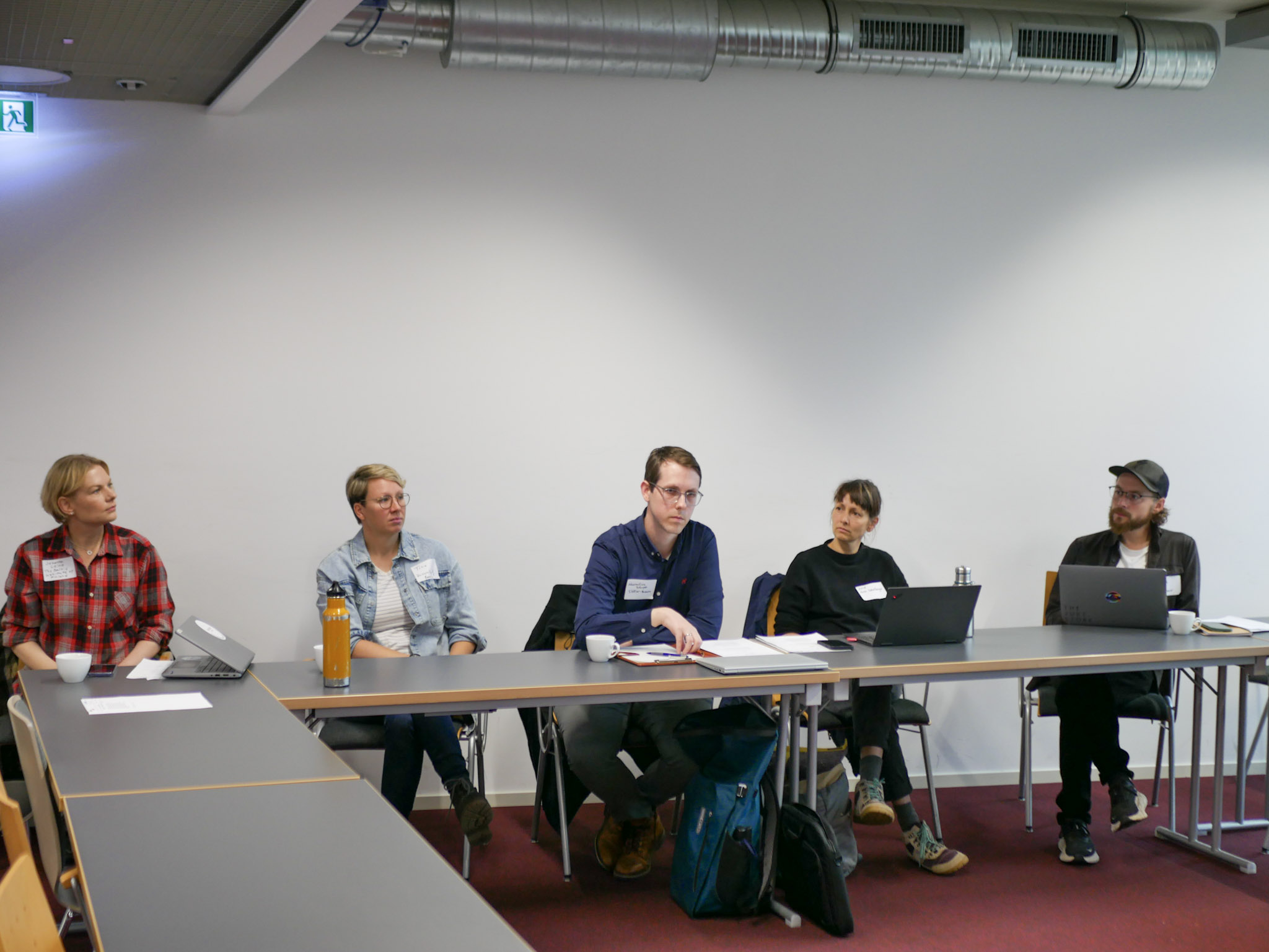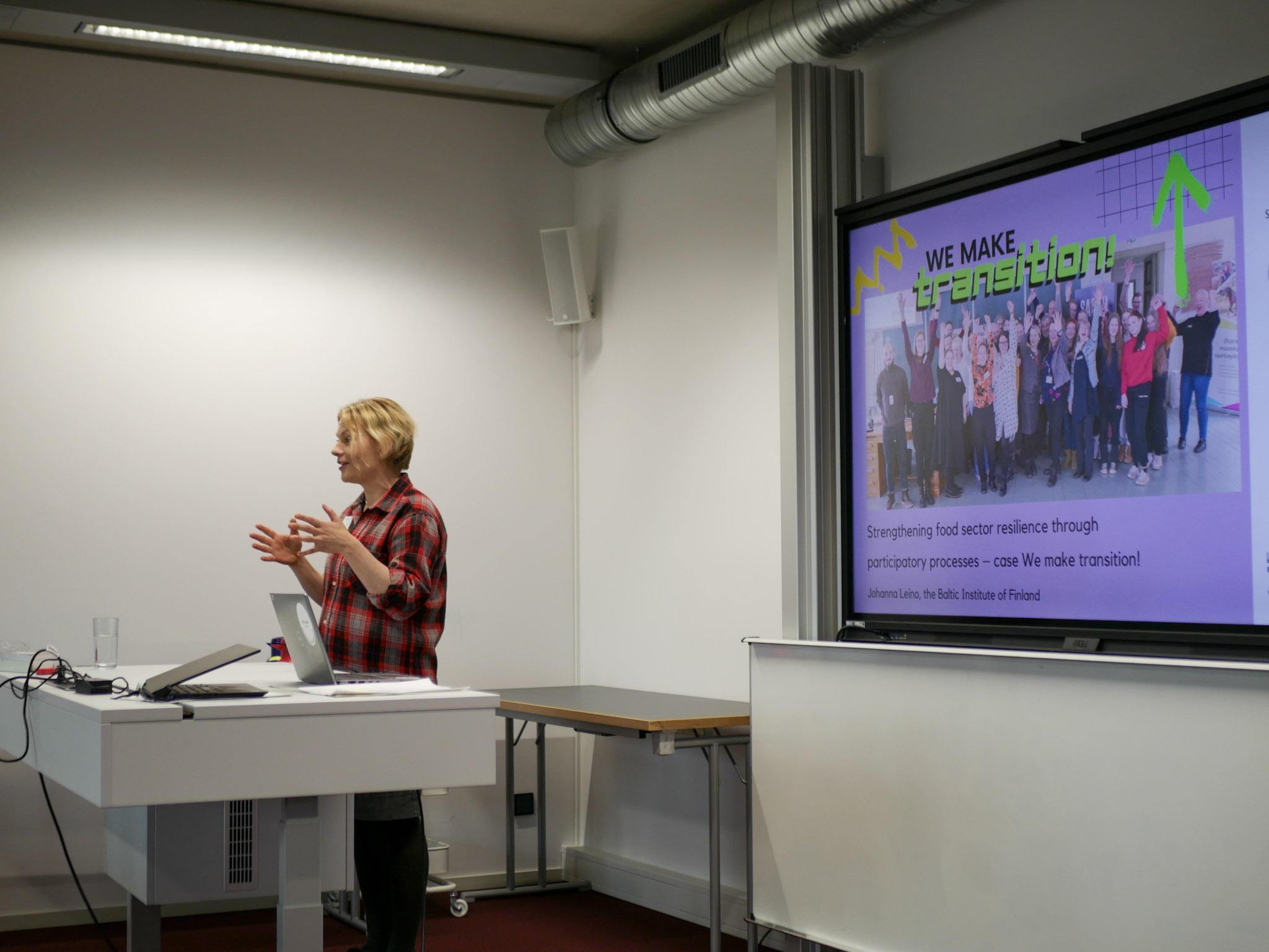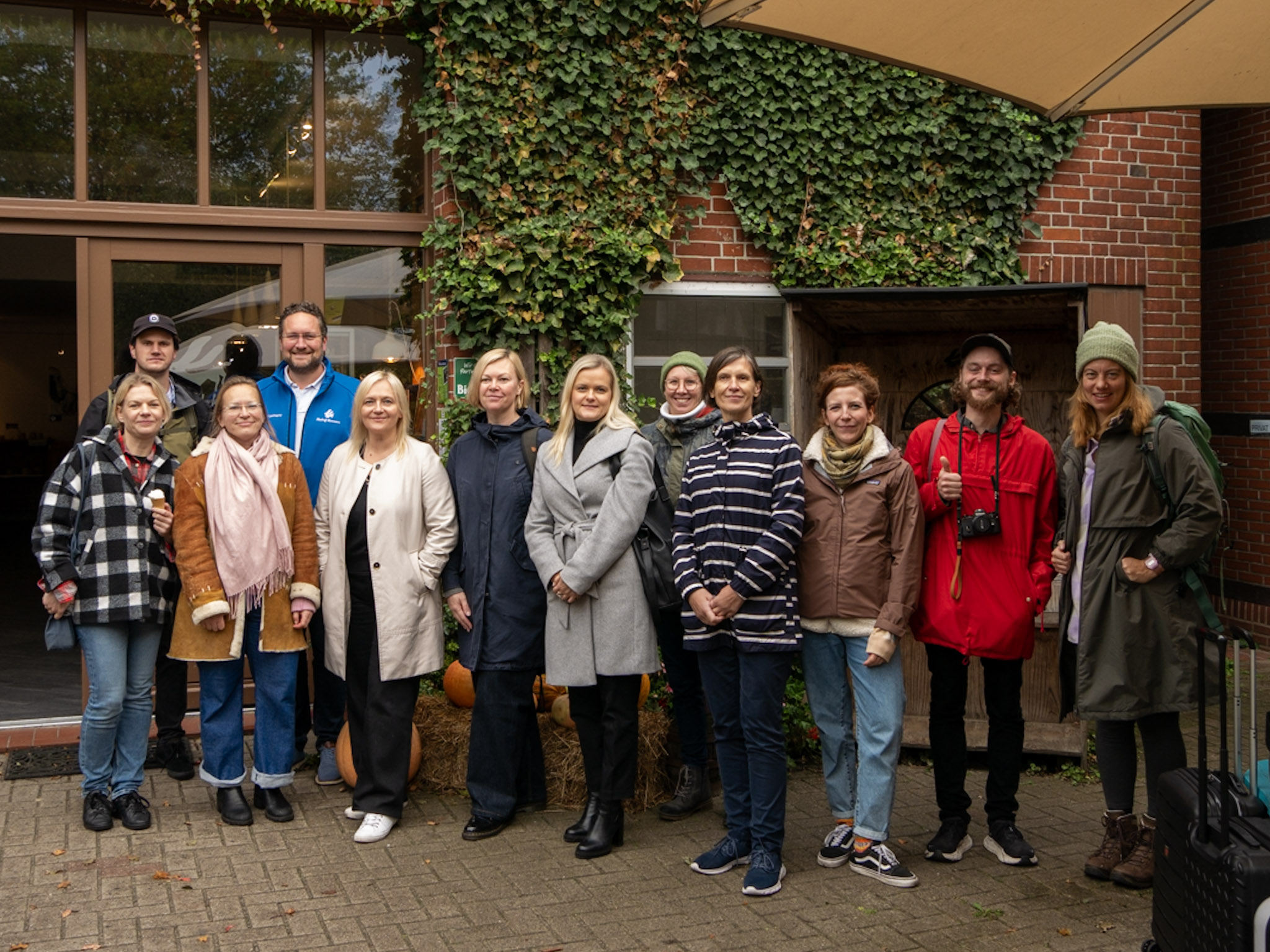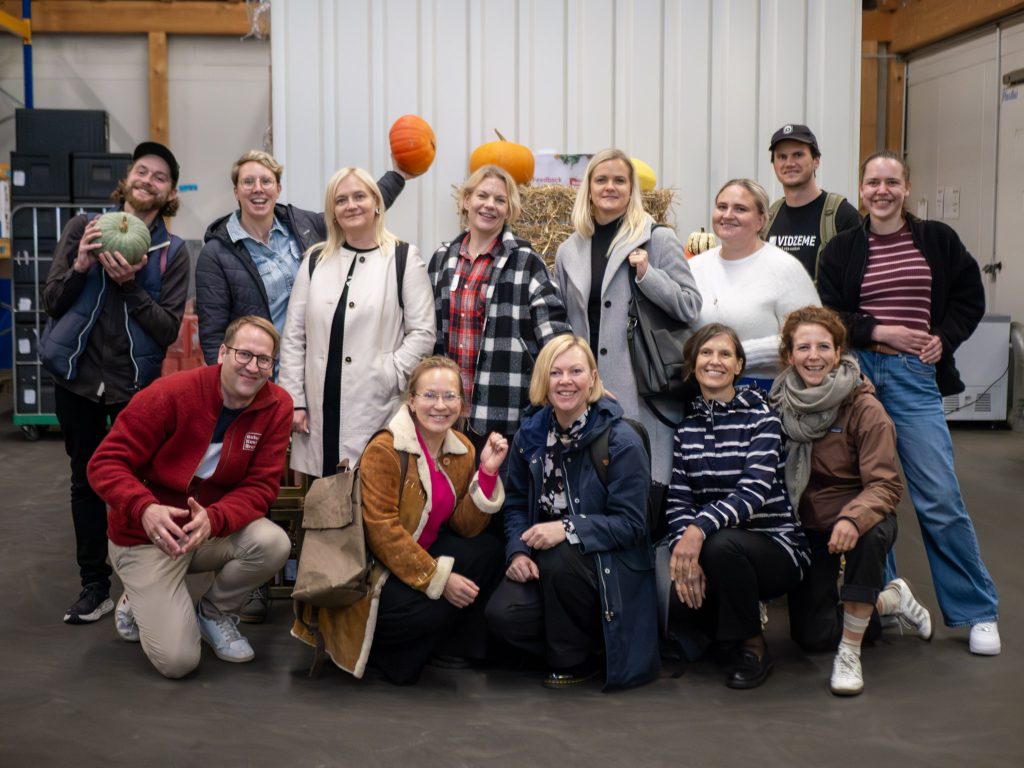
From 7–8 October, representatives of the Vidzeme Planning Region (VPR) and Cēsis Municipality took part in a study visit to Bremen, Germany, to learn from good practice examples in the field of sustainable school catering.
Since 2015, Bremen has been developing the BioStadt Bremen (“Organic City of Bremen”) concept, which aims to increase the share of organically produced food, particularly in educational institutions. The experience gained during the visit is also valuable for the Bioregion initiative supported by the VPR, which promotes the development of a sustainable food system in the region.
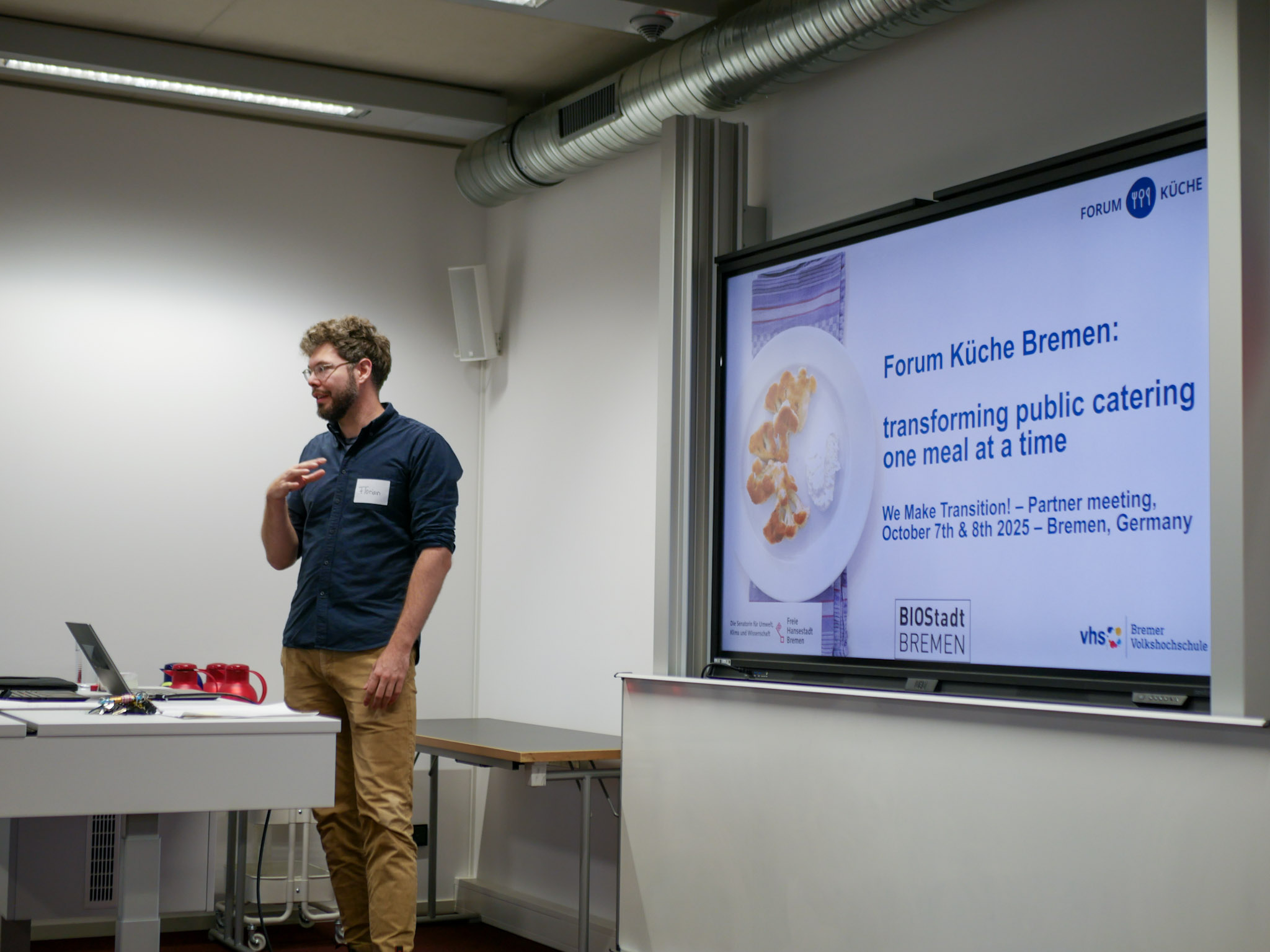
During the visit, participants, together with the partners from Norway and Finland involved in the Interreg Baltic Sea Region project “We Make Transition!”, visited the Institute for Labour and Economy (Institut Arbeit und Wirtschaft, IAW) at the University of Bremen, where they learned about the activities of BioStadt Bremen and Forum Küche (“Kitchen Forum”). They gained insight into how Bremen promotes the use of organic food in schools and across the city as a whole.
Bremen is implementing the Action Plan 2025 – Healthy Nutrition in Municipal Catering in the City of Bremen (Aktionsplan 2025 – Gesunde Ernährung in der Gemeinschaftsverpflegung der Stadtgemeinde Bremen), which sets out a gradual transition to 100% organic products in public catering. Non-governmental organisations play a key role in implementing this plan and promoting healthy eating. One example is Forum Küche, the competence centre for sustainable communal catering hosted by the Bremen Adult Education Centre (Volkshochschule Bremen, VHS Bremen). The centre trains kitchen staff from schools and kindergartens and organises workshops on menu planning and healthy eating principles to support positive change.
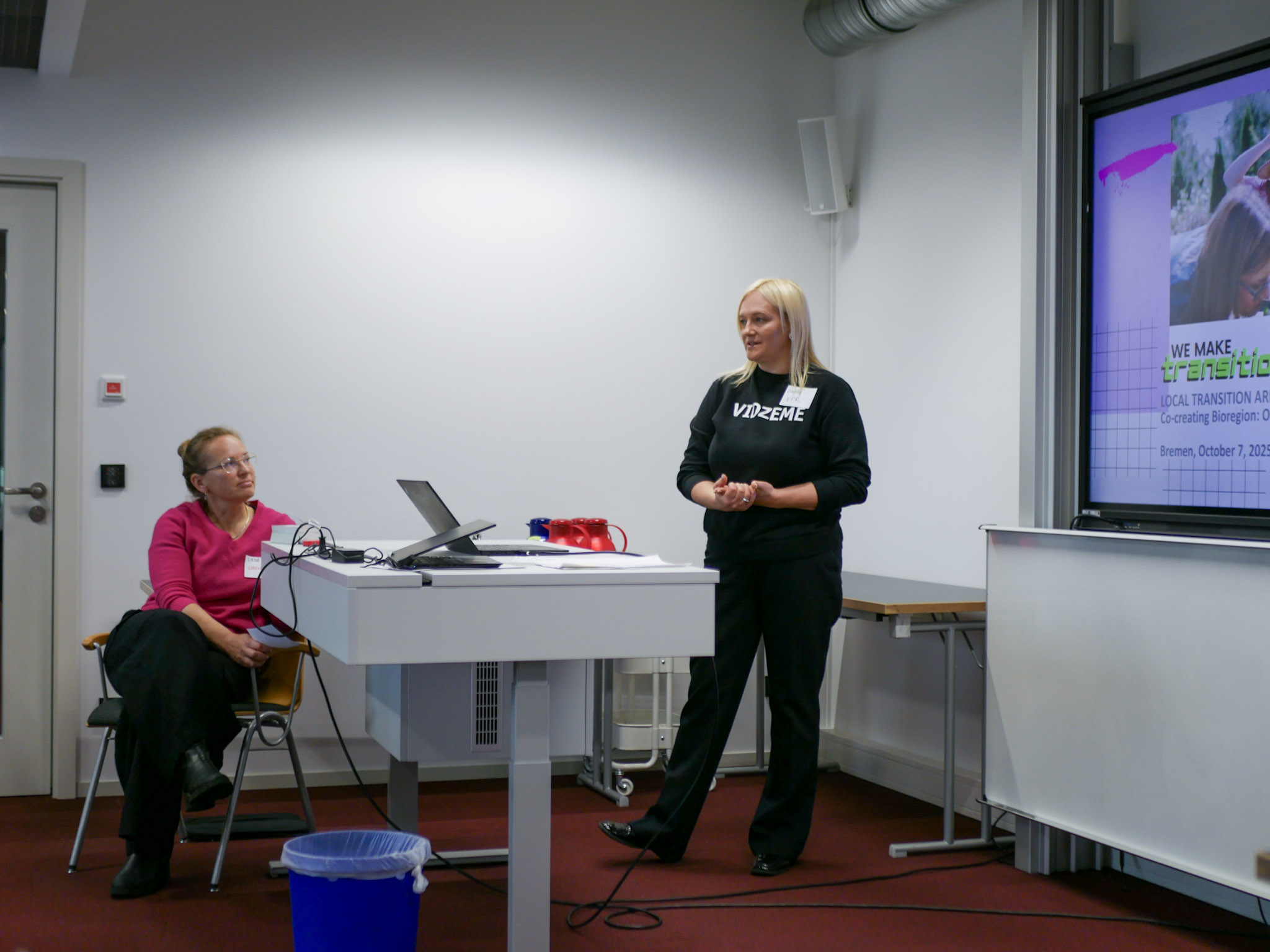
The exchange of experience was complemented by a presentation from VPR project manager Lienīte Priedāja-Klepere, who introduced initiatives carried out in Vidzeme to develop the Bioregion and promote organic food, especially in schools and through student education. Meanwhile, Liene Klišāne, organiser of “Mūsu Bio tirgus” (“Our Organic Market”) in Sigulda, shared insights into the local farmers’ market experience in Vidzeme, which helps improve access to organic food.
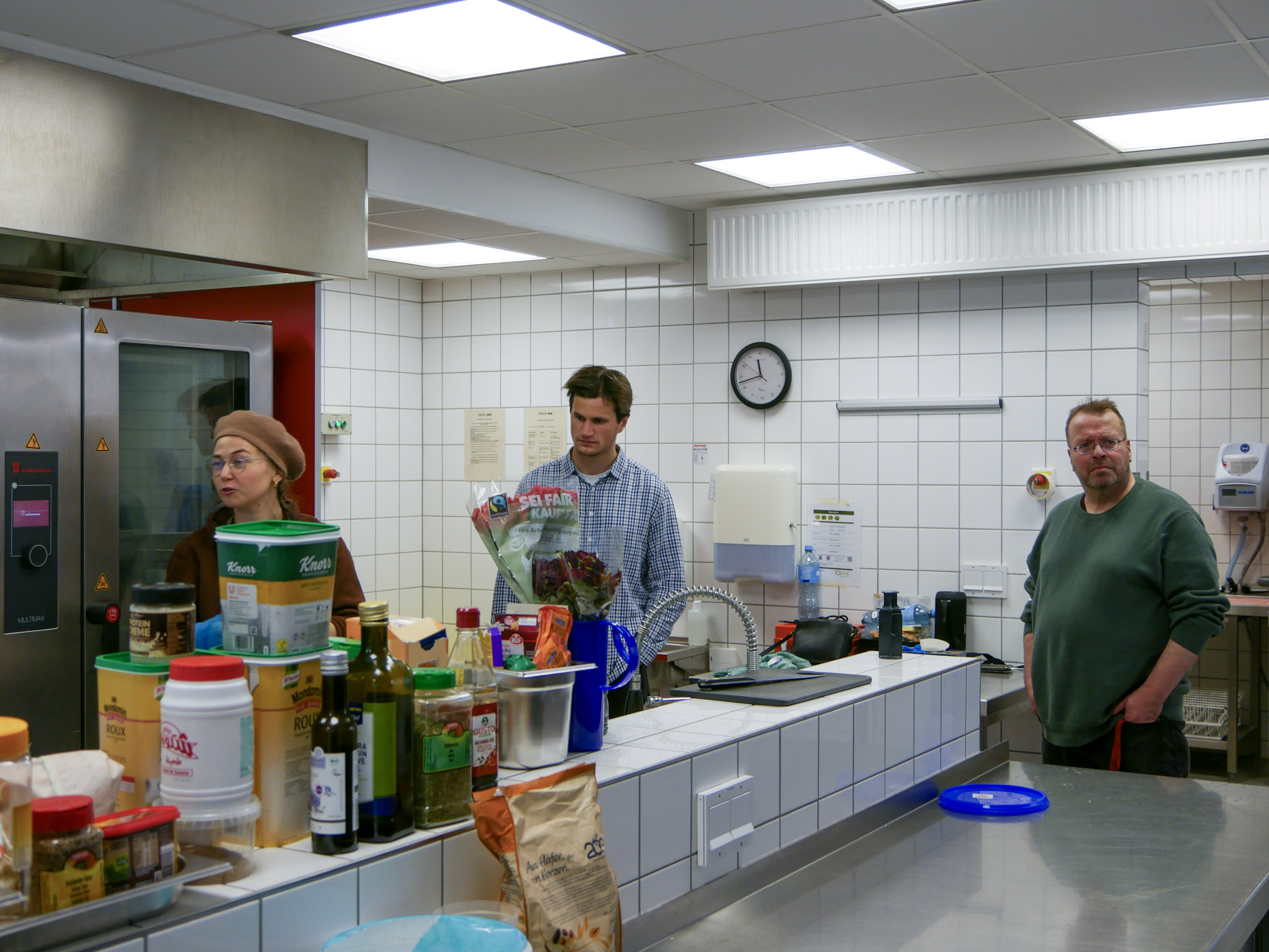
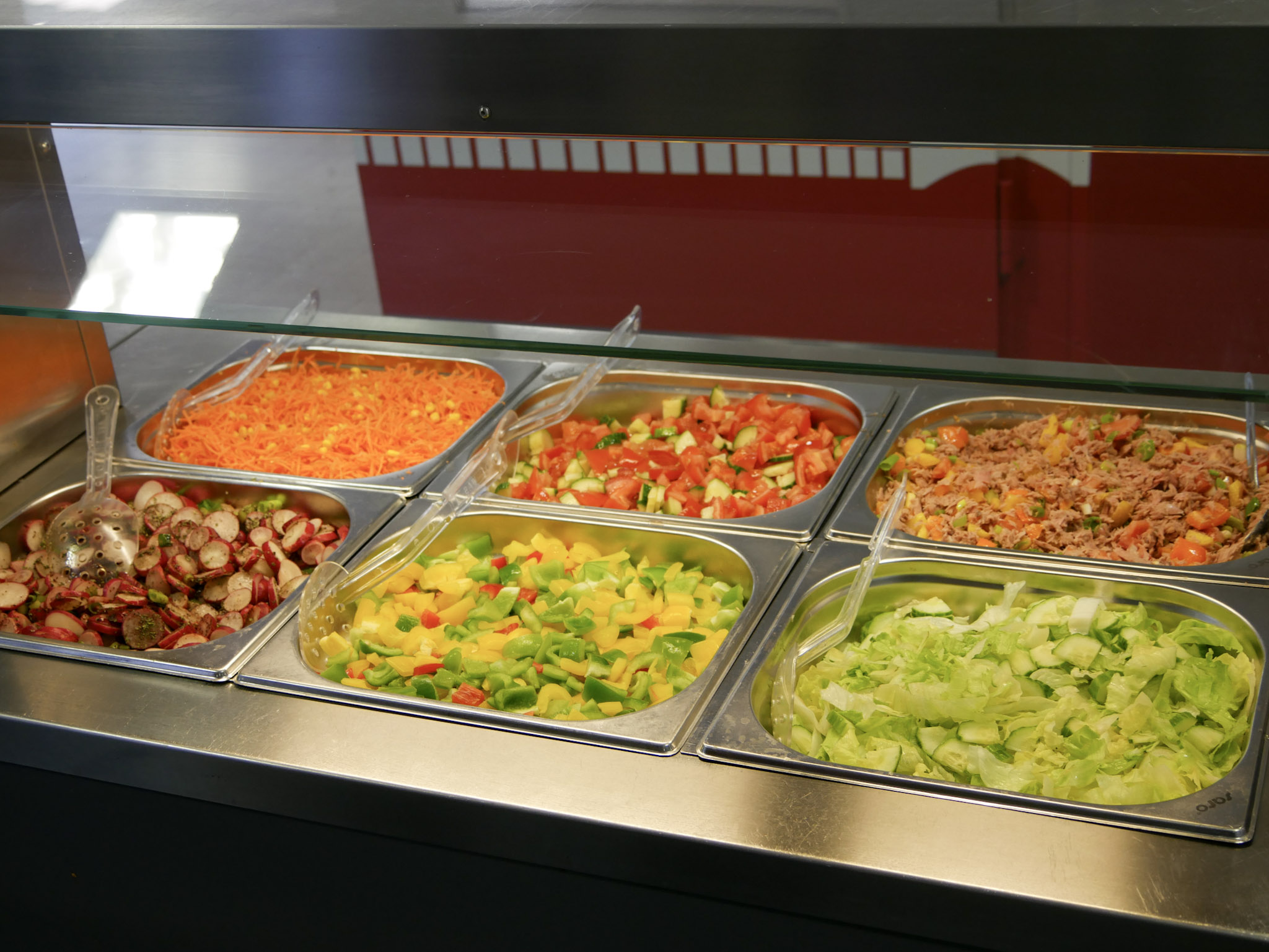
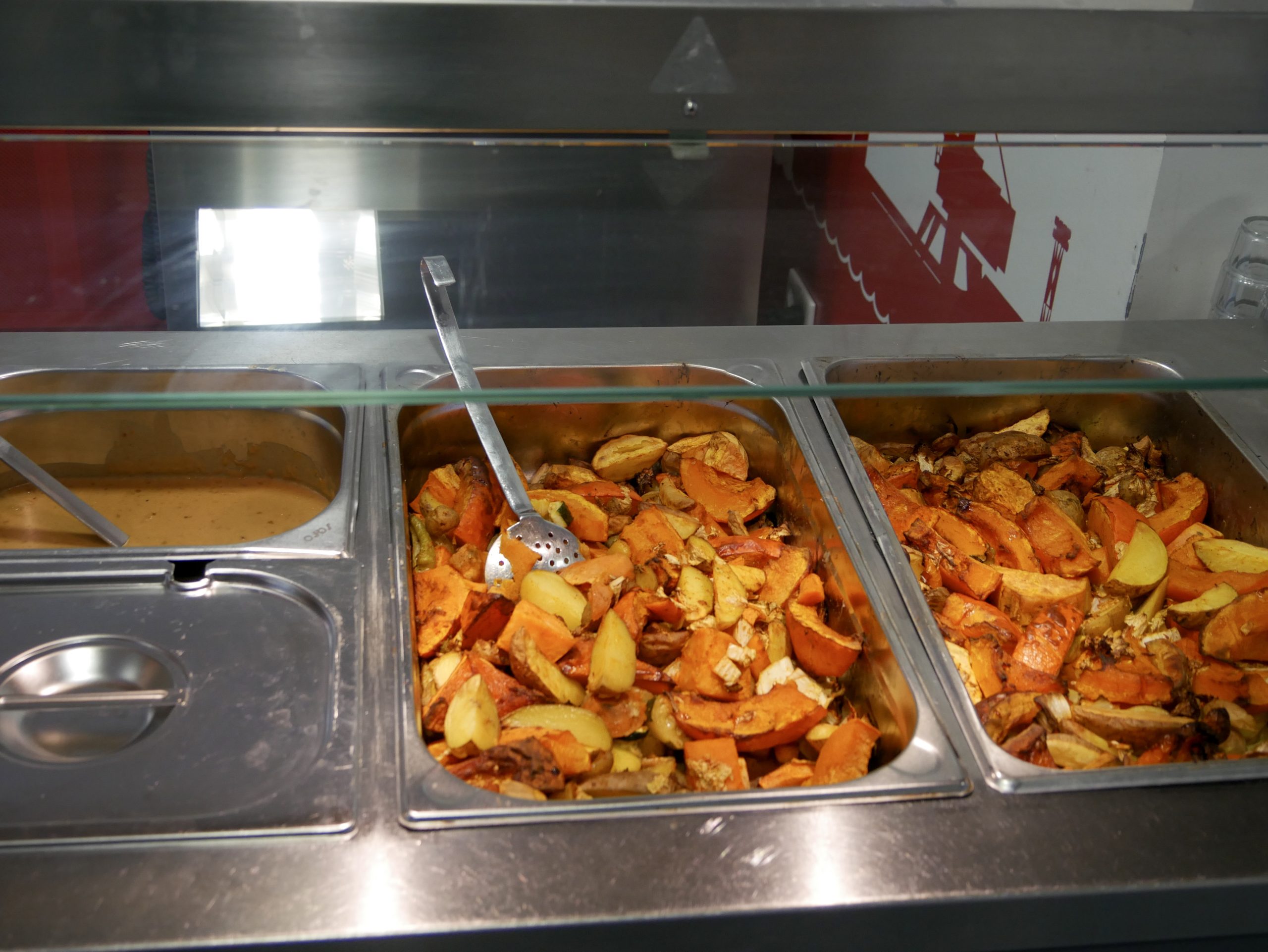
Participants also visited two Bremen schools – Andernacher Extended Day School and Kurt-Schumacher-Allee Secondary School. There they met with chefs and kitchen managers, learning about menu planning, procurement, and collaboration with suppliers. Each school’s experience differs, with the share of organic food in menus reaching up to 90%, and products sourced both directly from local farmers and through contracts with supermarket chains. In Germany, the focus is on the nutritional value, quality, and health benefits of organic products. School menus are dominated by vegetarian dishes and plant-based proteins, while meat is offered only once or twice a week, and fish more frequently.
Chefs acknowledged that the transition to organic products requires redesigning menus, as the previous approach no longer fits. The involvement of pupils and parents is also essential to explain the benefits of organic food and build understanding of healthy eating. In one school, lunches are prepared by a social enterprise, and twice a week, older pupils assist in the kitchen, combining cooking with learning about food origins and sustainability.
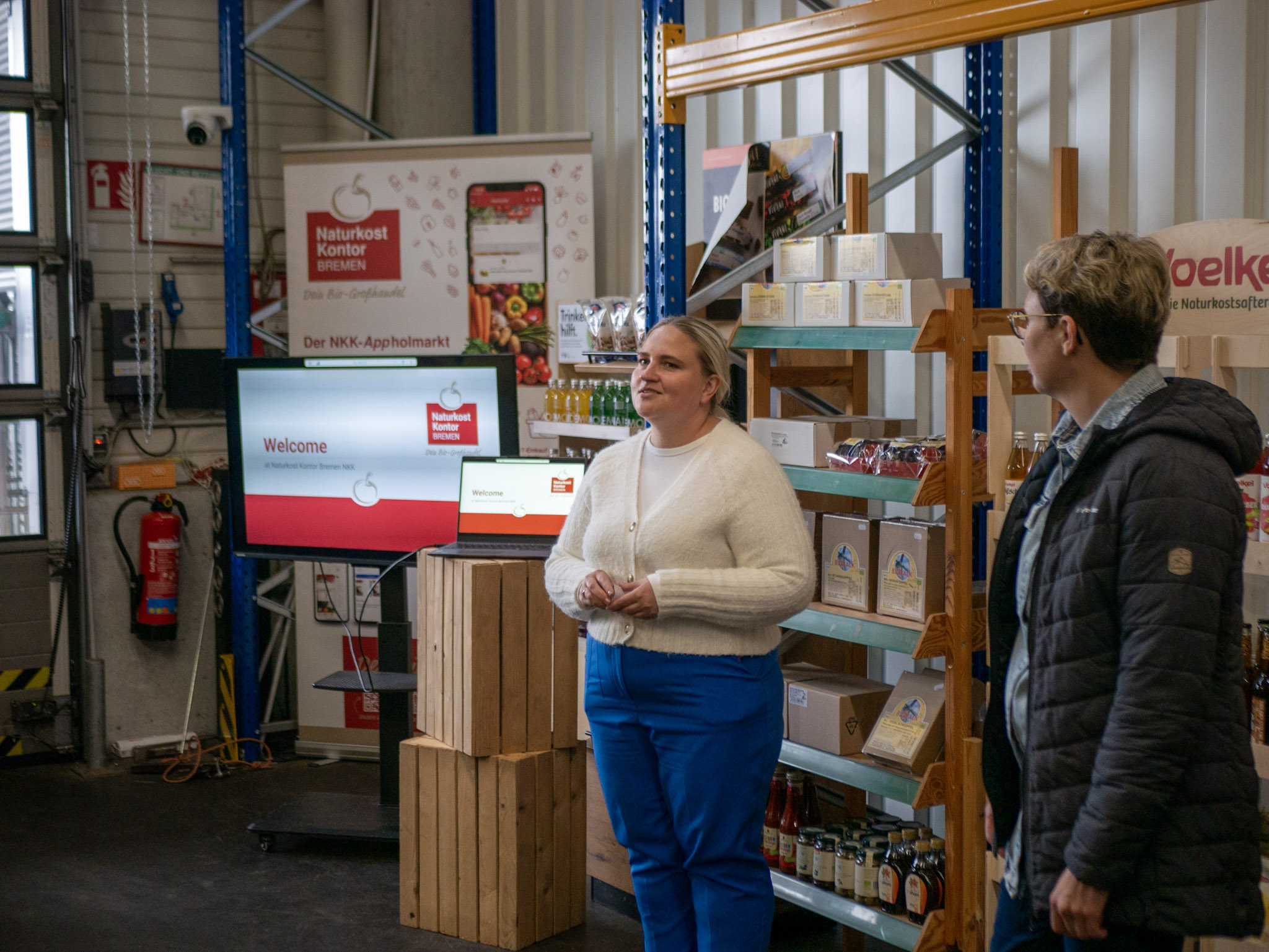
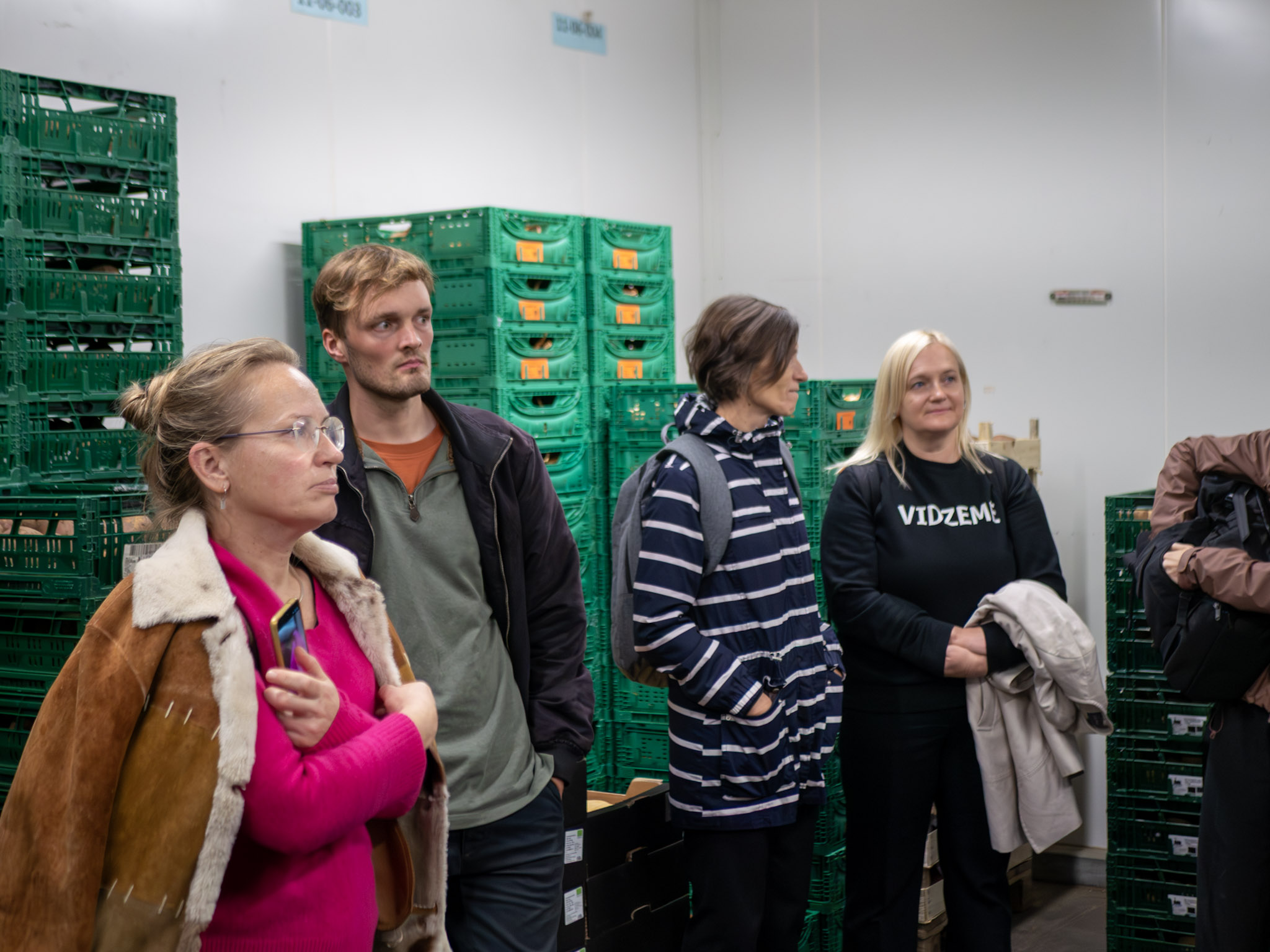
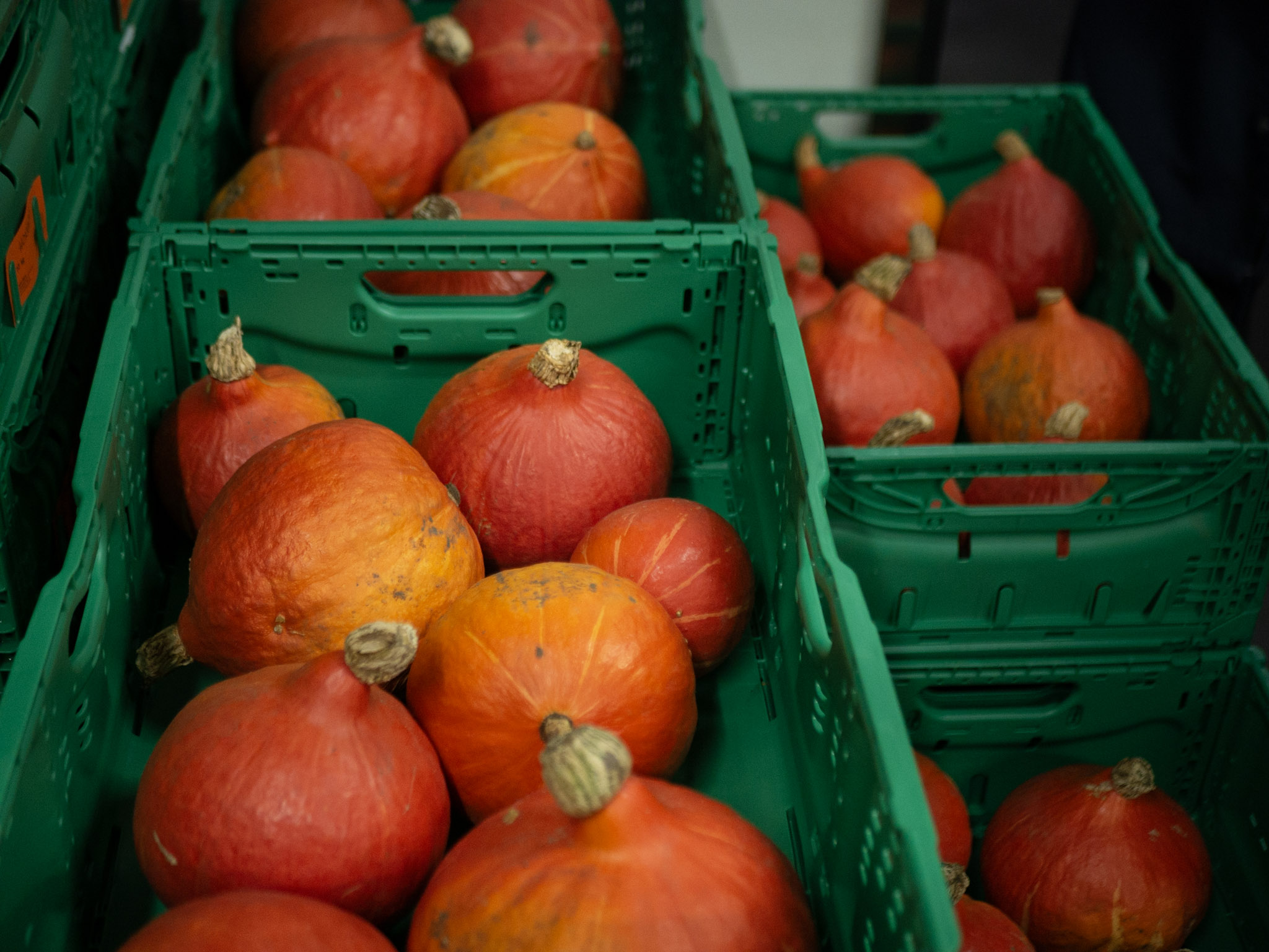
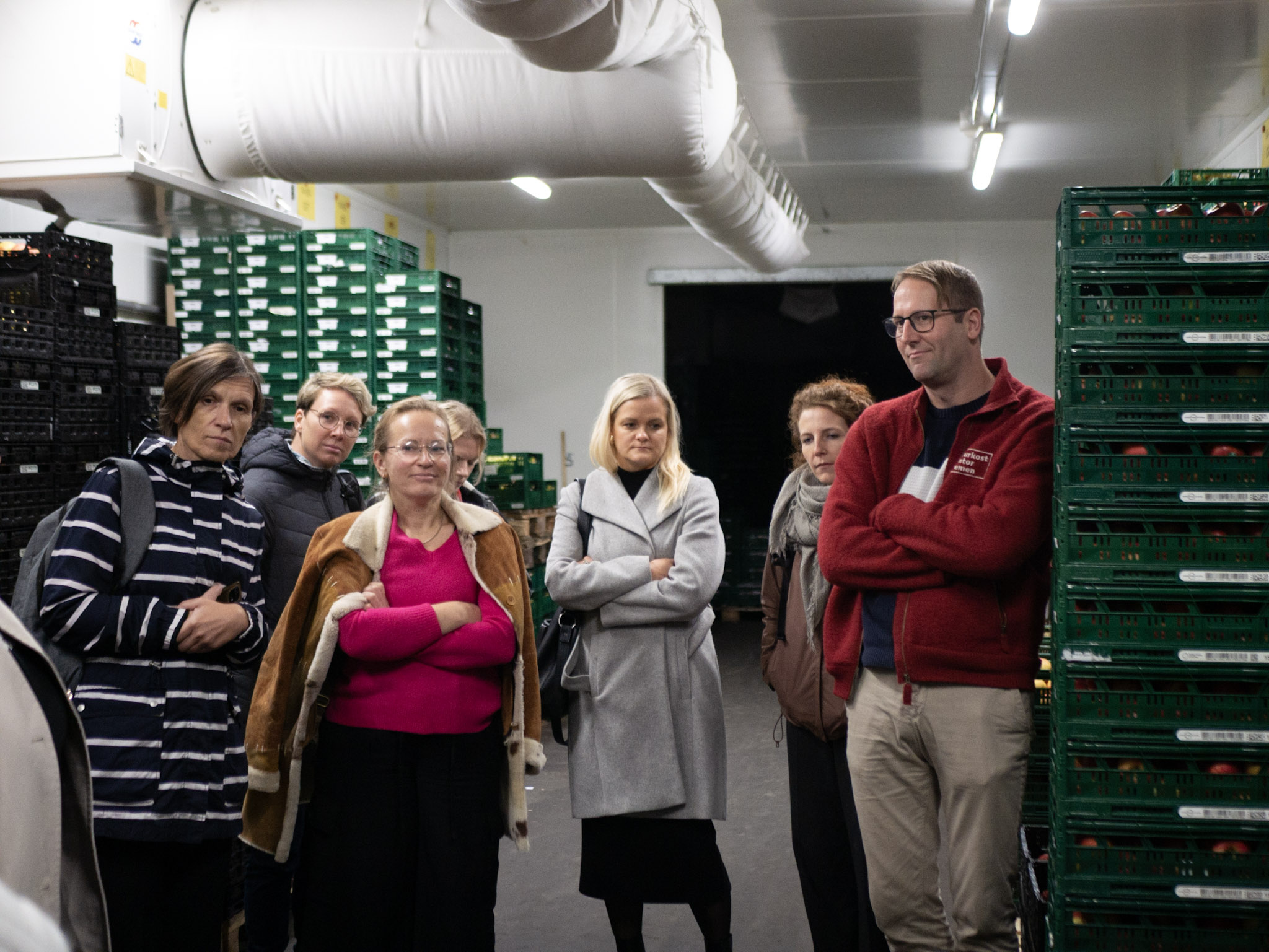
To gain insight into the entire food supply chain, VPR and Bioregion representatives also visited an organic wholesale base, where all the products are organic certified – both local and imported. During the summer season, 50–60% of goods are of regional origin, and about 10% of turnover comes from cooperation with schools and kindergartens. Freshly cut potatoes, mostly supplied to educational institutions, are among the most in-demand products.
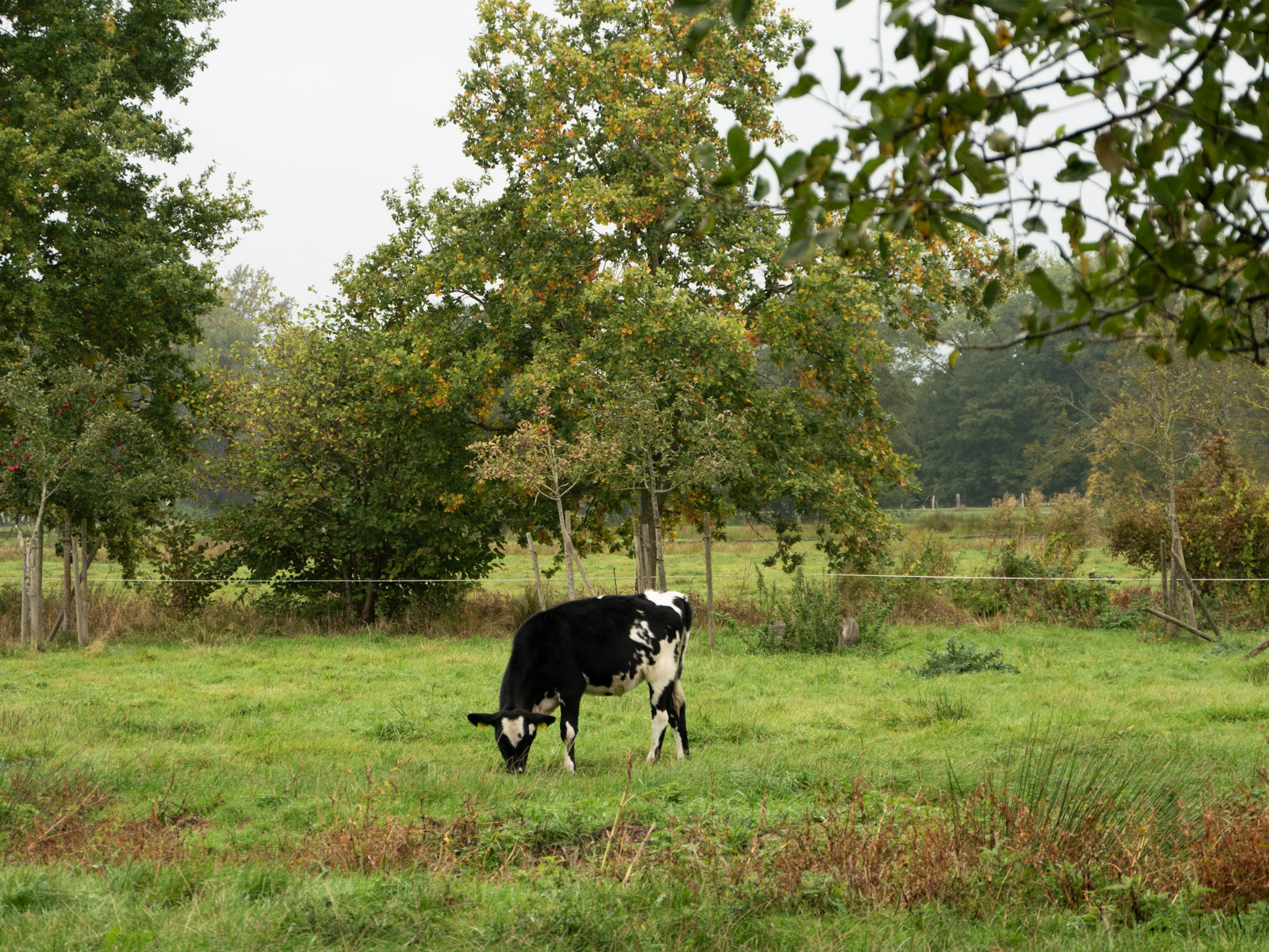
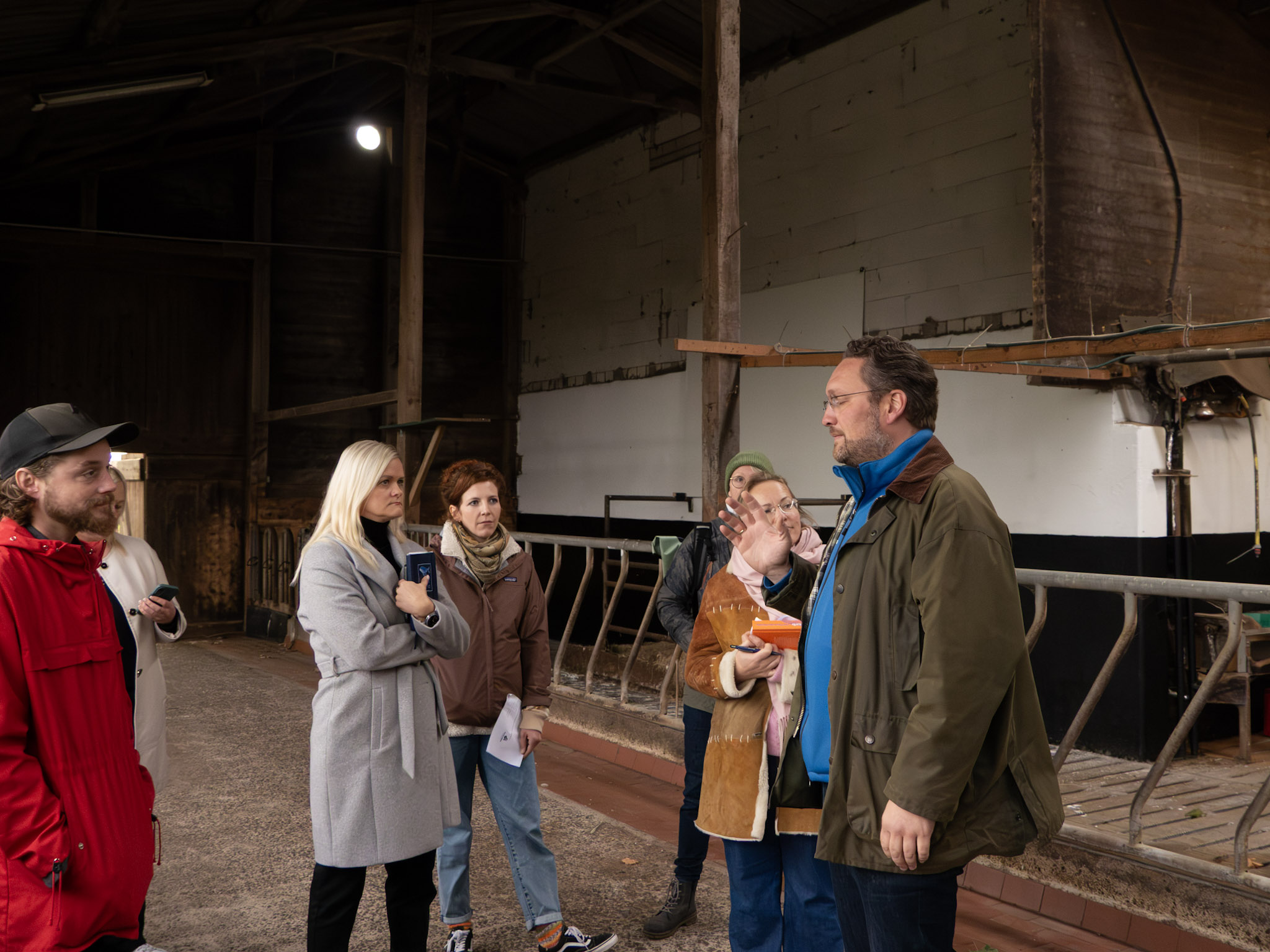
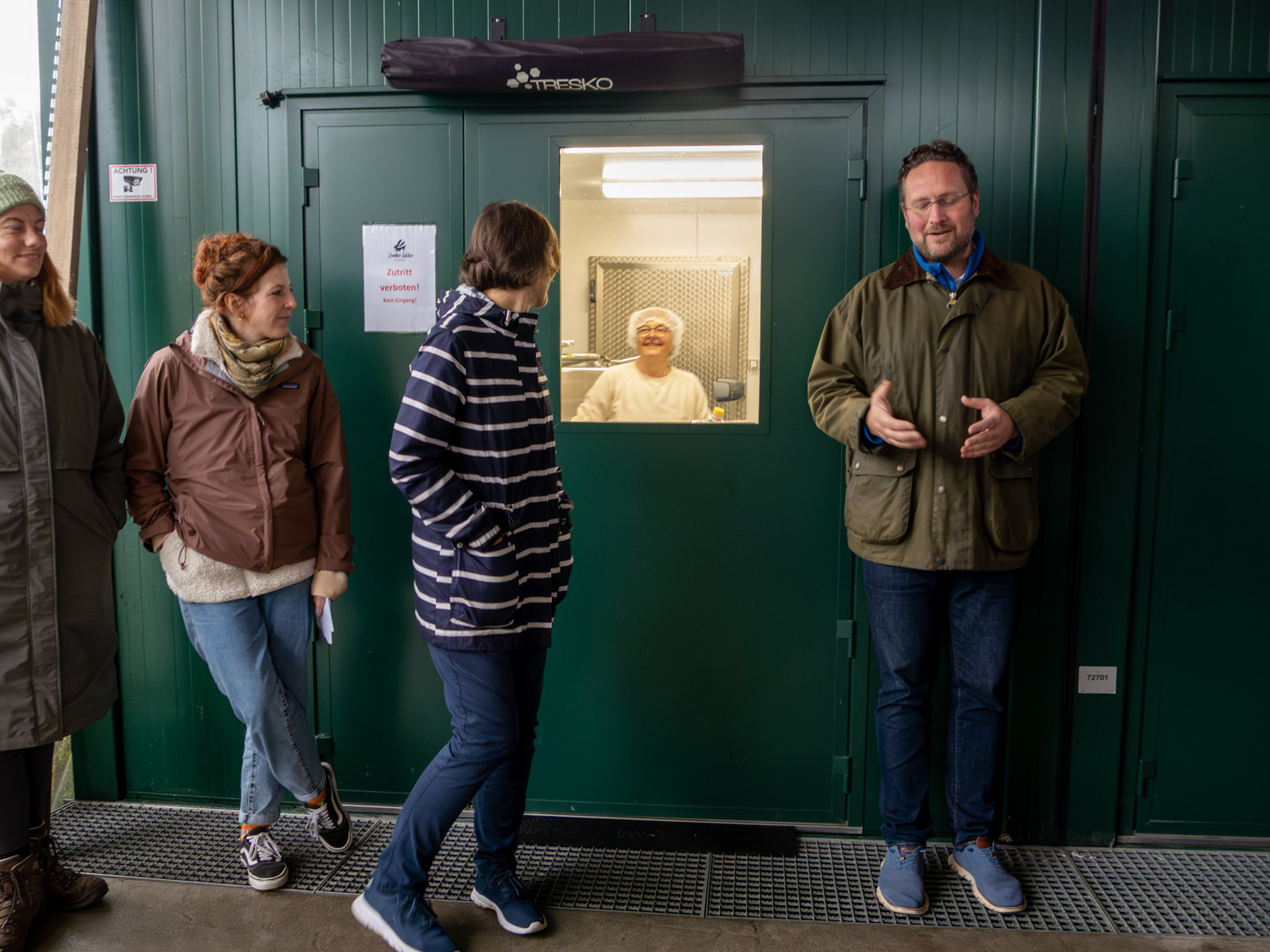
The visit concluded at Kaemena Organic Farm, located in a protected natural area and run by several generations of the same family. The farm, home to more than 70 cows, produces organic milk, yogurt, and ice cream, with special attention on animal welfare. The products are supplied to both shops and schools.
VPR project manager Lienīte Priedāja-Klepere emphasized: “The study visit to Bremen was a valuable opportunity to gain an in-depth understanding of the functioning of Bremen’s Bioregion, particularly in school catering. We saw that the key to success lies not only in the use of organic products but also in revising menus and ensuring cooperation among all stakeholders. Bremen’s experience provided both inspiration and practical ideas for developing the Gauja National Park Bioregion, highlighting the importance of collaboration and education in building sustainable food systems.”
Author of the photographs used in the publication: Charlotte Licht / University of Bremen.