How should nature-based recreation be financed sustainably? Vidzeme Planning Region explored this pressing European question at a CIBioGo stakeholder meeting, attracting 3,000+ Latvian viewers to an online discussion on fees, access, and shared responsibility.
Across Europe, protected natural areas face a growing tension: increasing demand for outdoor recreation is depleting natural values, while public budgets for maintaining nature infrastructure continue to shrink. Vidzeme Planning Region in Latvia tackled this challenge head-on through a regional stakeholder meeting under the “Citizen Participation in Biodiversity Governance” (CIBioGo) project, bringing together representatives from forest management, nature conservation, and sports organisations to explore sustainable financing solutions. Three key stakeholders – SIA “Rīgas meži” (Riga Forests Ltd), the Nature Conservation Agency, and the Latvian Orienteering Federation – shared their perspectives on maintaining high-quality recreation infrastructure, especially in protected areas.
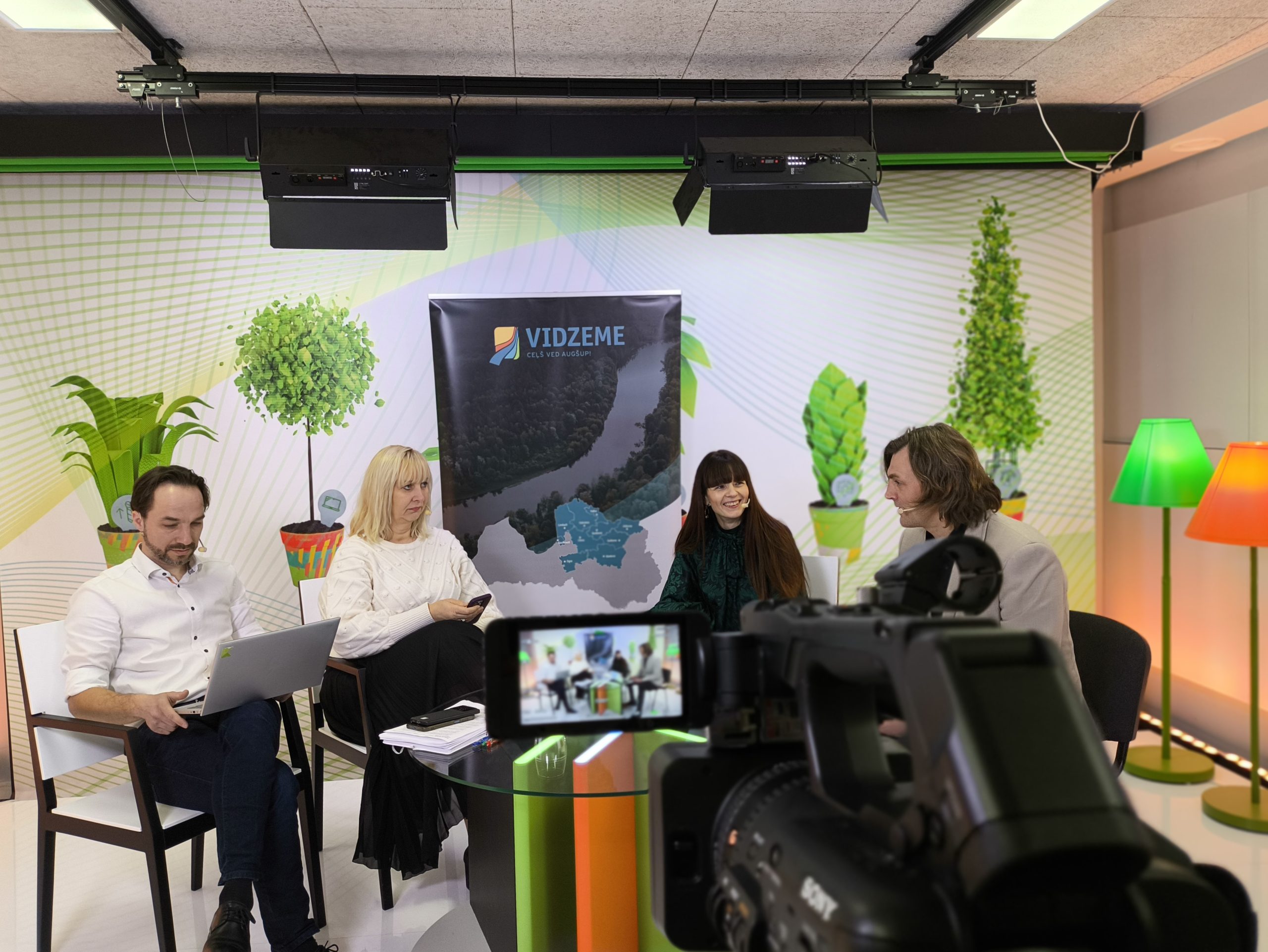
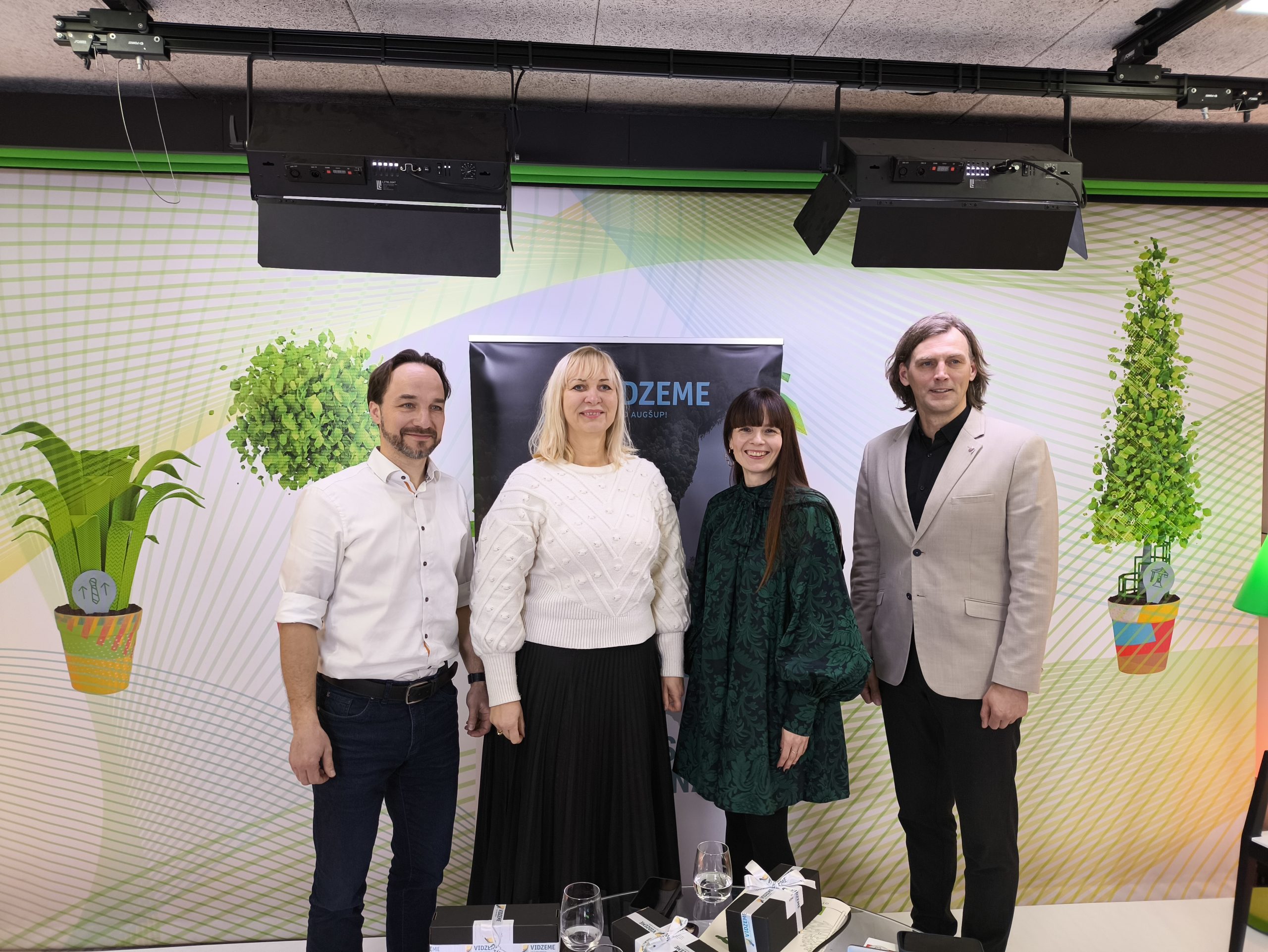
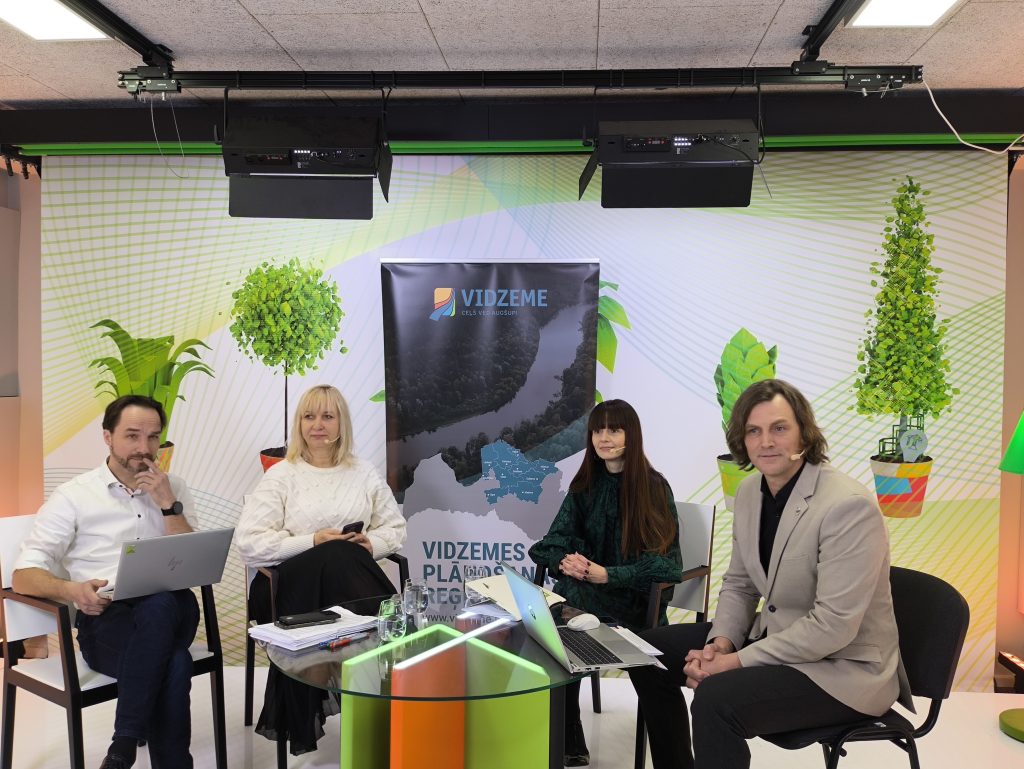
The online discussion “From daily walks to active outdoor recreation – only for a fee in the future?”, held on 24 February, attracted more than 3,000 viewers from Latvia both during the live broadcast and in the recording – reflecting the broad public interest this topic generates across the country.
Principles of investment in nature
Discussion moderator Andris Klepers, Professor and Director of the Scientific Institute at Vidzeme University of Applied Sciences, framed the debate around globally relevant investment principles. He highlighted the growing recognition of nature as capital – comparable to cultural heritage – that requires deliberate, long-term investment. In tourism theory and practice, this is linked to a clear argument: those who benefit from natural values have a long-term interest in sustaining them. He also emphasised the impact principle: the greater the impact on nature, the greater the responsibility to invest back. Crucially, free access would remain for low-impact activities such as walking and using nearby areas.
Balancing conservation and public access
Director General of the Nature Conservation Agency Laura Anteina presented a concrete policy proposal that could offer lessons for other regions. The proposed fee would apply exclusively to large public events in specially protected nature areas – affecting only 1% of Latvia’s territory and events with at least 100 participants. Exemptions would cover children, students, socially vulnerable groups, and large families. The section of the Nature Conservation Agency’s price list relating to public events could come into force on 1 January 2027. The proposal responds directly to a fragmented nature infrastructure and the limits of state budget funding – a reality shared by many European regions.
Finding balance – what the public thinks
One of the meeting’s most valuable features was its interactive format. A rapid survey conducted among 49 broadcast viewers provided real-time insight into public attitudes toward financing mechanisms. The results showed the strongest support (3.8 out of 5 points) for the “those who profit, invest” principle – meaning commercial enterprises with high impact should bear greater financial responsibility. Also highly rated was the mechanism of donations and voluntary work as an alternative to fees. Other mechanisms discussed included management agreements with interested parties and greater commercial organiser responsibility.
This stakeholder dialogue is part of the broader CIBioGo project effort to strengthen citizen participation in biodiversity governance across European regions – demonstrating that inclusive, transparent public debate is key to finding solutions that balance conservation, access, and shared responsibility.