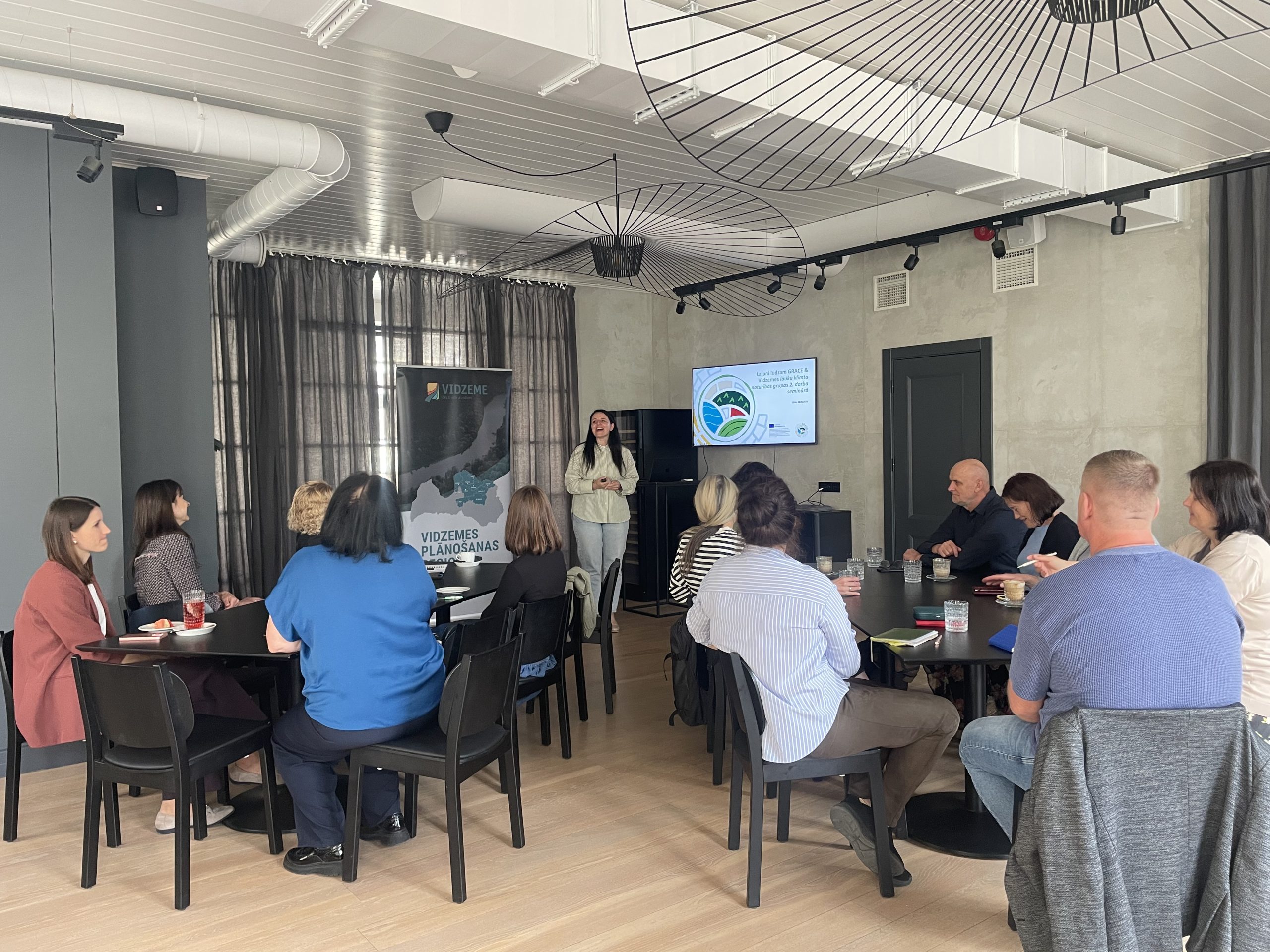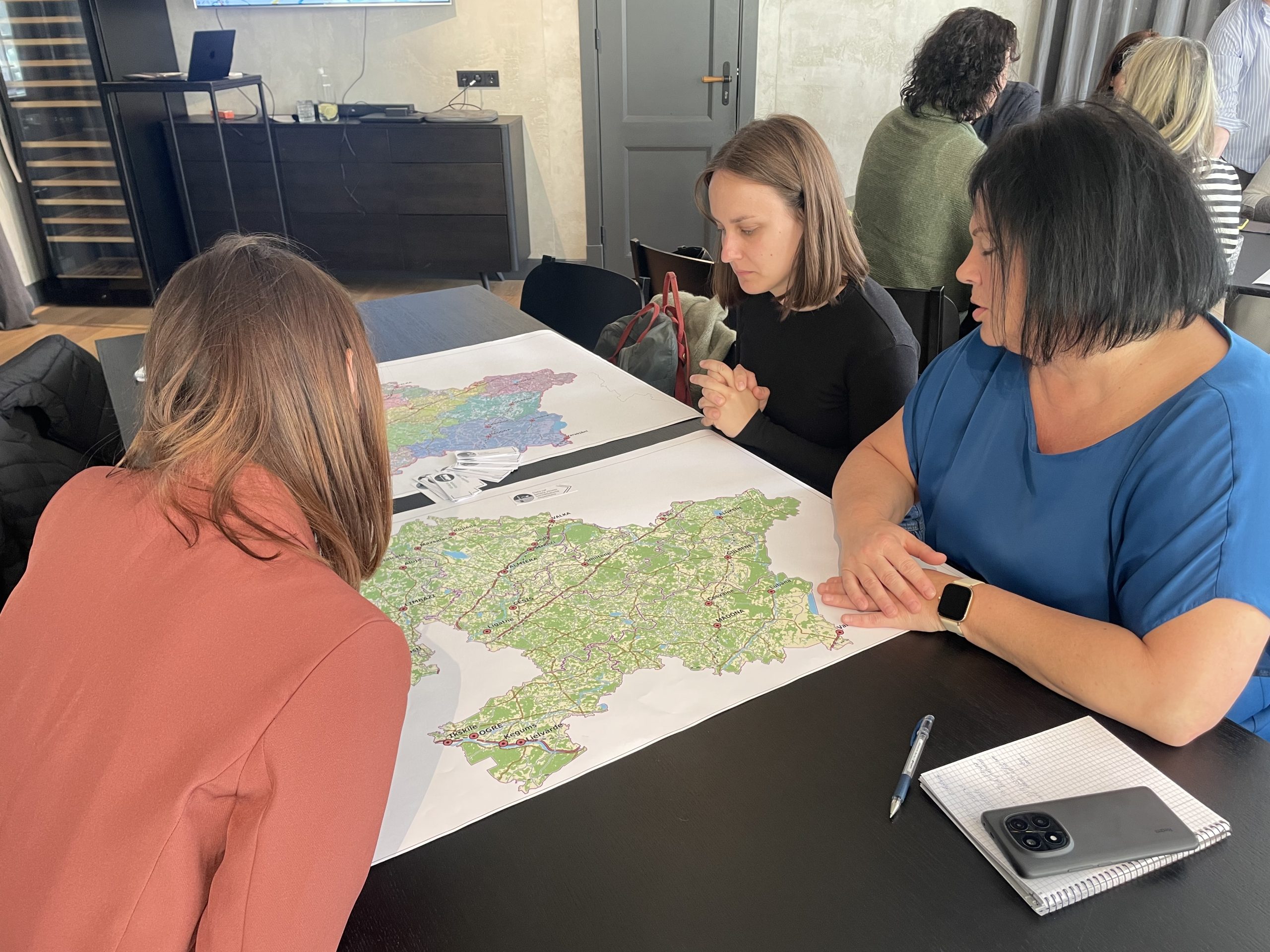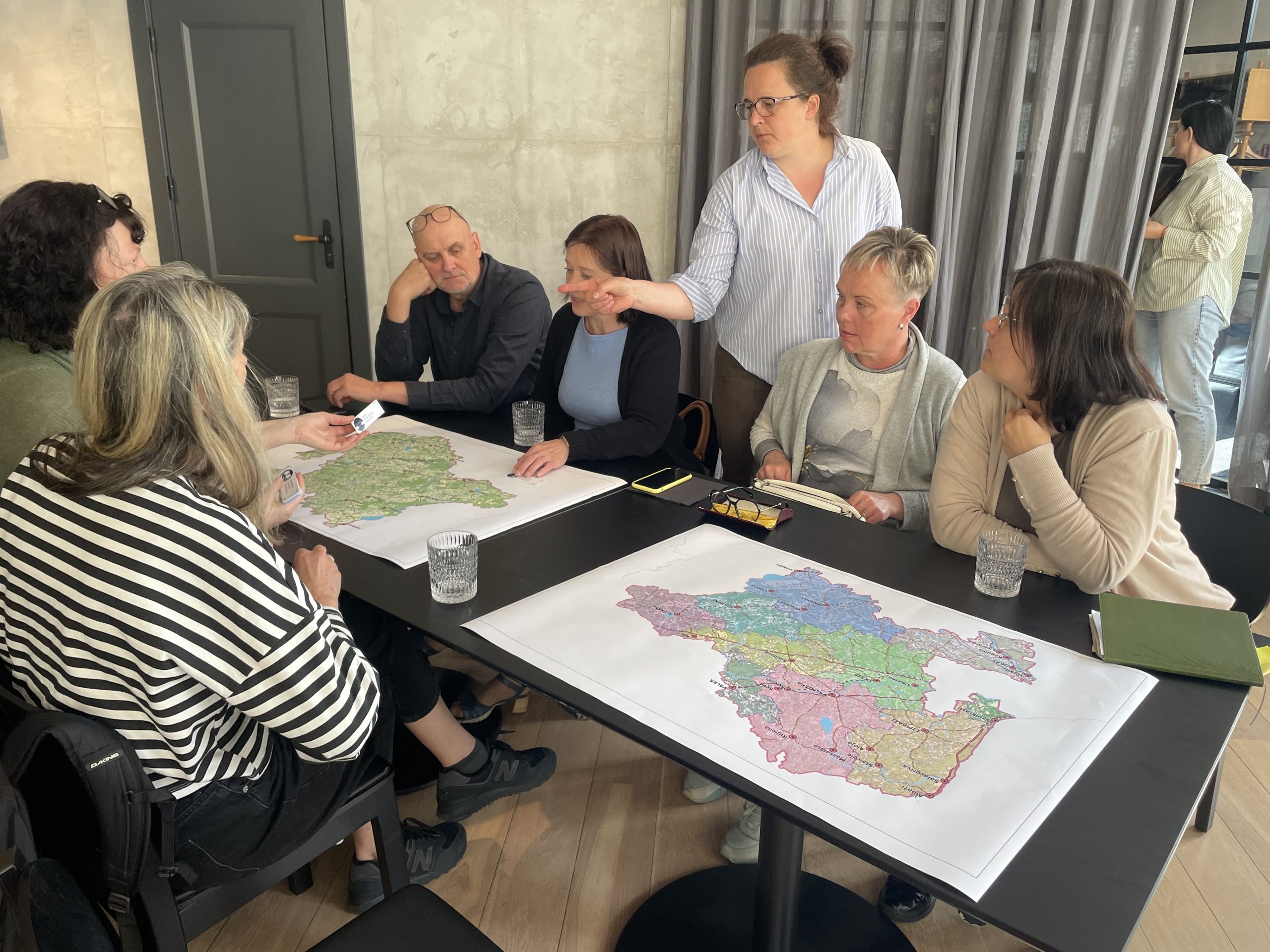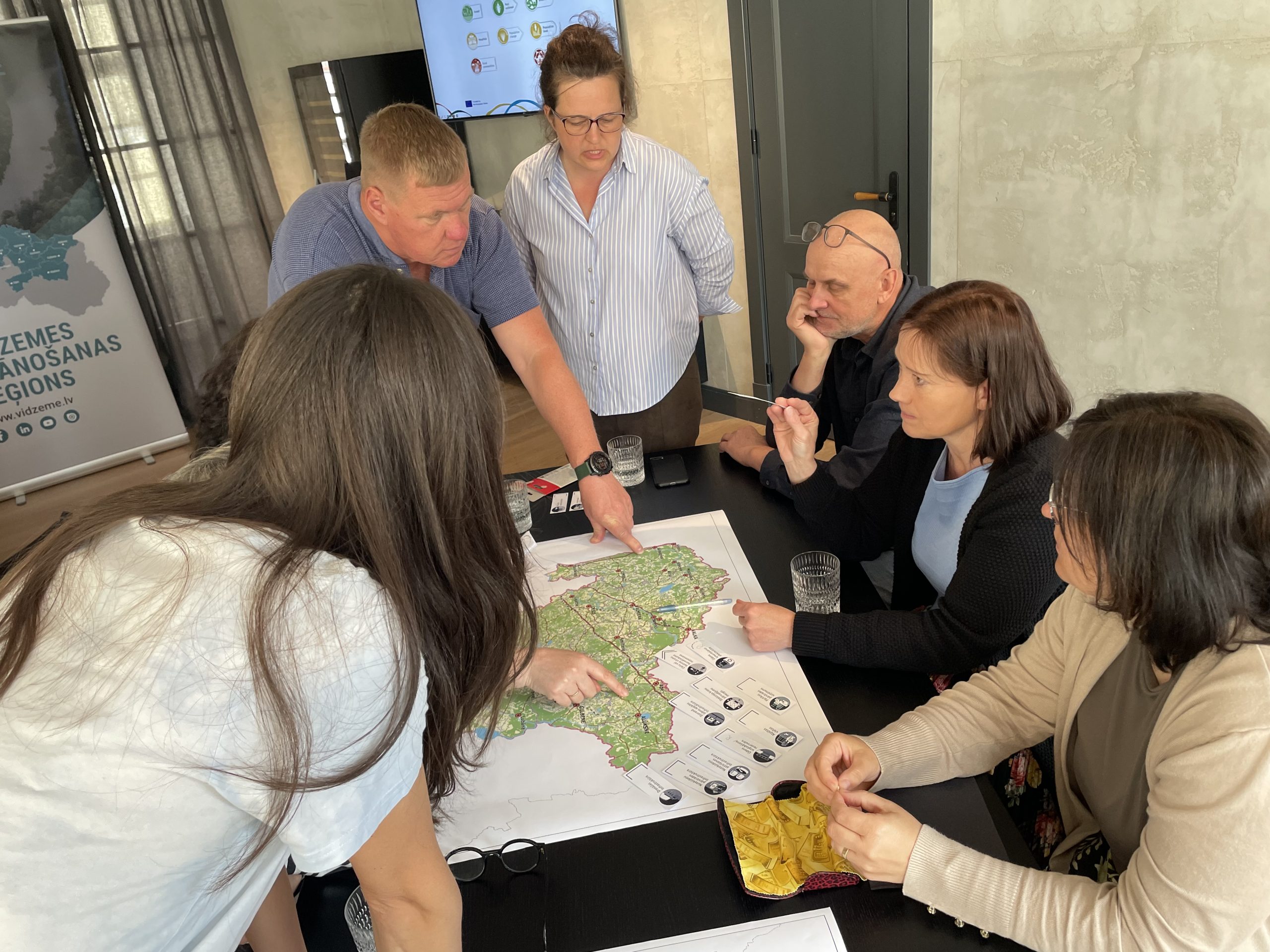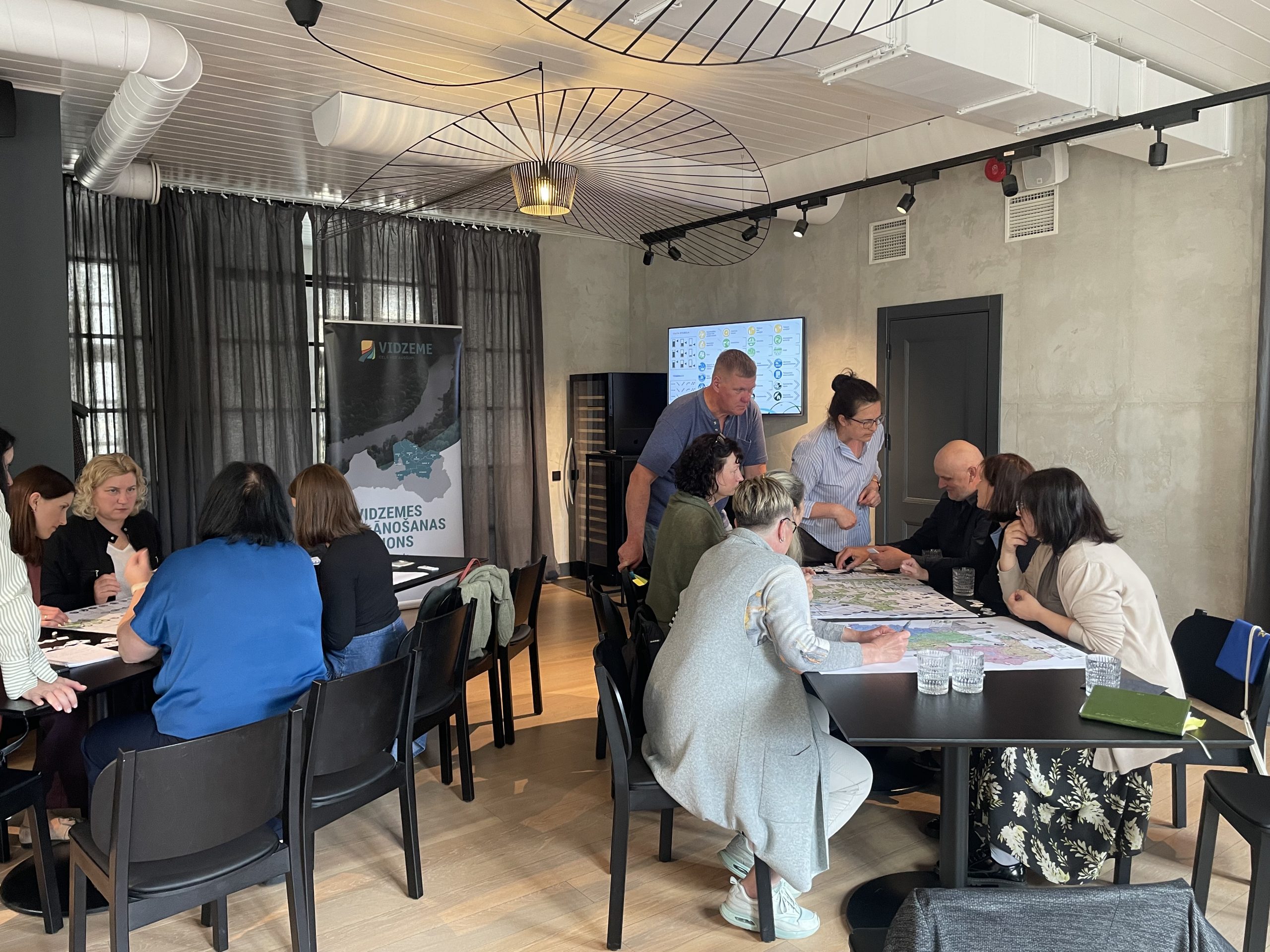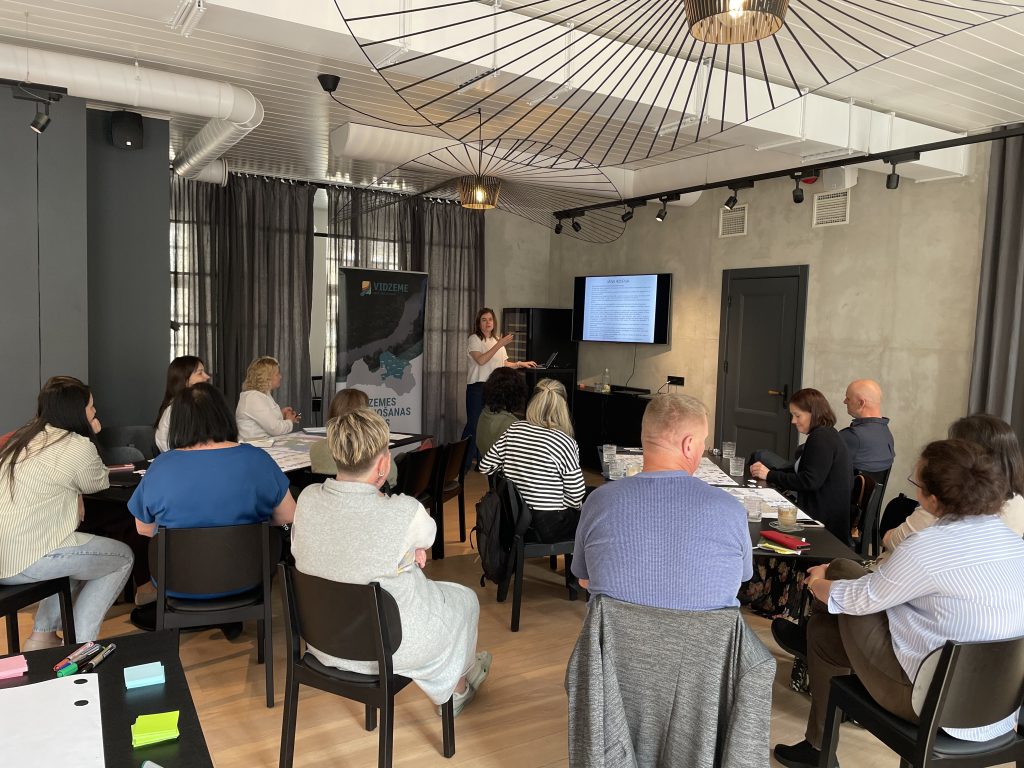
On 28 May, the Vidzeme Planning Region (VPR) organised the climate resilience working group seminar “Community Engagement for Strengthening Climate Resilience in the Vidzeme Region – From Understanding to Action” in Cēsis. The event brought together representatives of municipalities, non-governmental organisations, educational and research institutions, as well as other active stakeholders to jointly explore how to strengthen the capacity of communities in Vidzeme to adapt to the challenges posed by climate change.
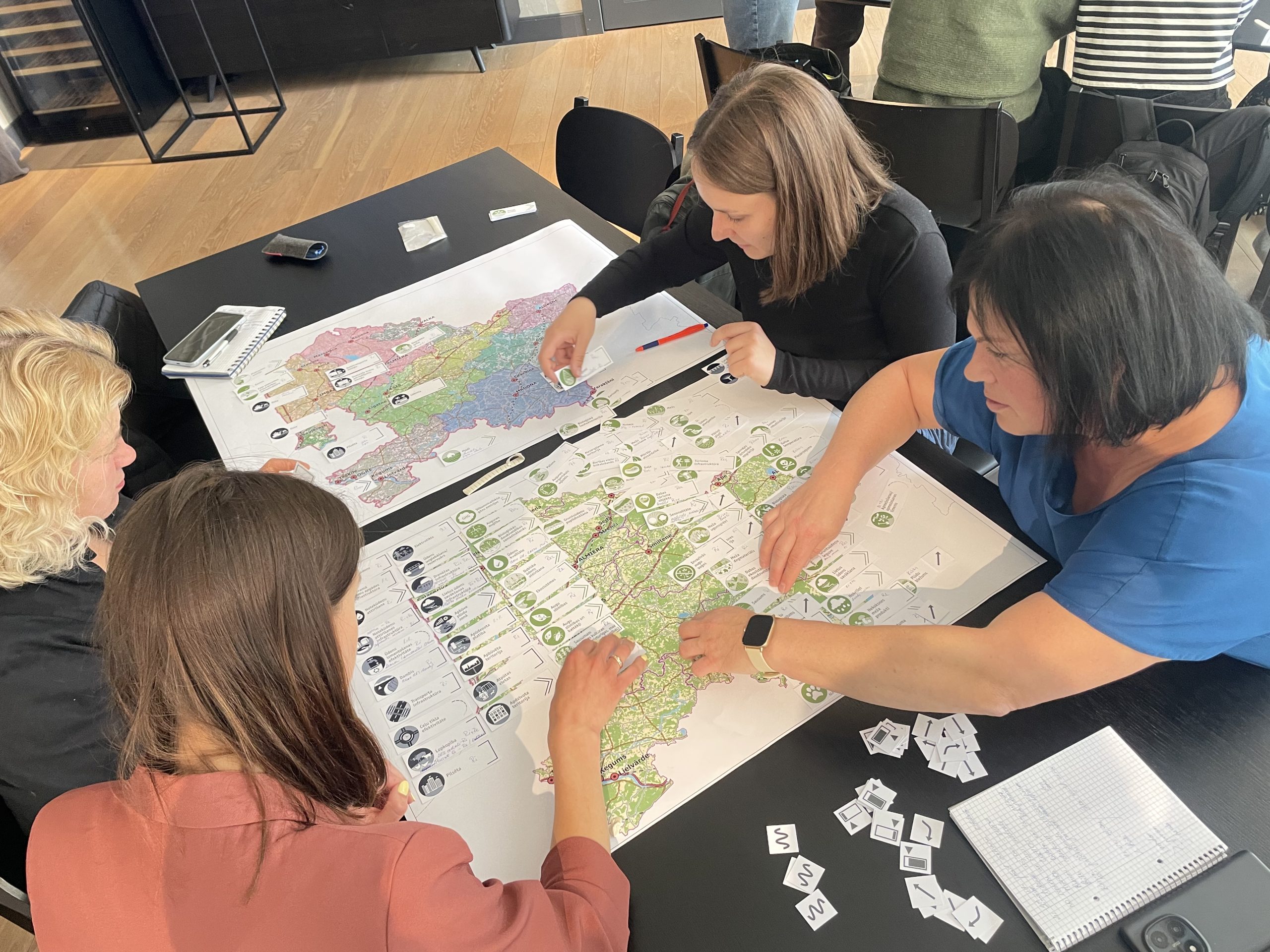
Using the CoSMoS methodology, participants analysed the region’s strengths, available resources, and key risks. By identifying natural assets, infrastructure, local knowledge, cooperation networks, and cultural heritage, participants explored solutions that could enhance community resilience and support sustainable development. Through discussions and practical exercises, they identified major trends and challenges affecting Vidzeme’s ability to adapt to climate change.
The insights gained during the workshop will serve as a foundation for future activities within the GRACE project, helping to develop solutions that are rooted in the real needs and experiences of the Vidzeme region. Participants’ expertise and practical knowledge will contribute to a better understanding of how to strengthen cooperation, make informed decisions, and use regional resources more effectively in the future.
One of the key conclusions highlighted by participants was that the most important resources for strengthening climate resilience in Vidzeme are people, knowledge, financial capacity, and strong communities. These were described as the four cornerstones upon which the region’s development and adaptive capacity should be built. At the same time, participants emphasised the importance of natural capital—including forests, water resources, ecosystems, and biodiversity—as a prerequisite for sustainable development.
Discussions acknowledged that while Vidzeme continues to benefit from abundant natural resources, various risks are also increasing, including intensive land use, urban development pressures, and biodiversity loss. Participants agreed that climate resilience can be strengthened through community cooperation, capacity-building, adequate financial resources, and the sustainable management of natural assets.
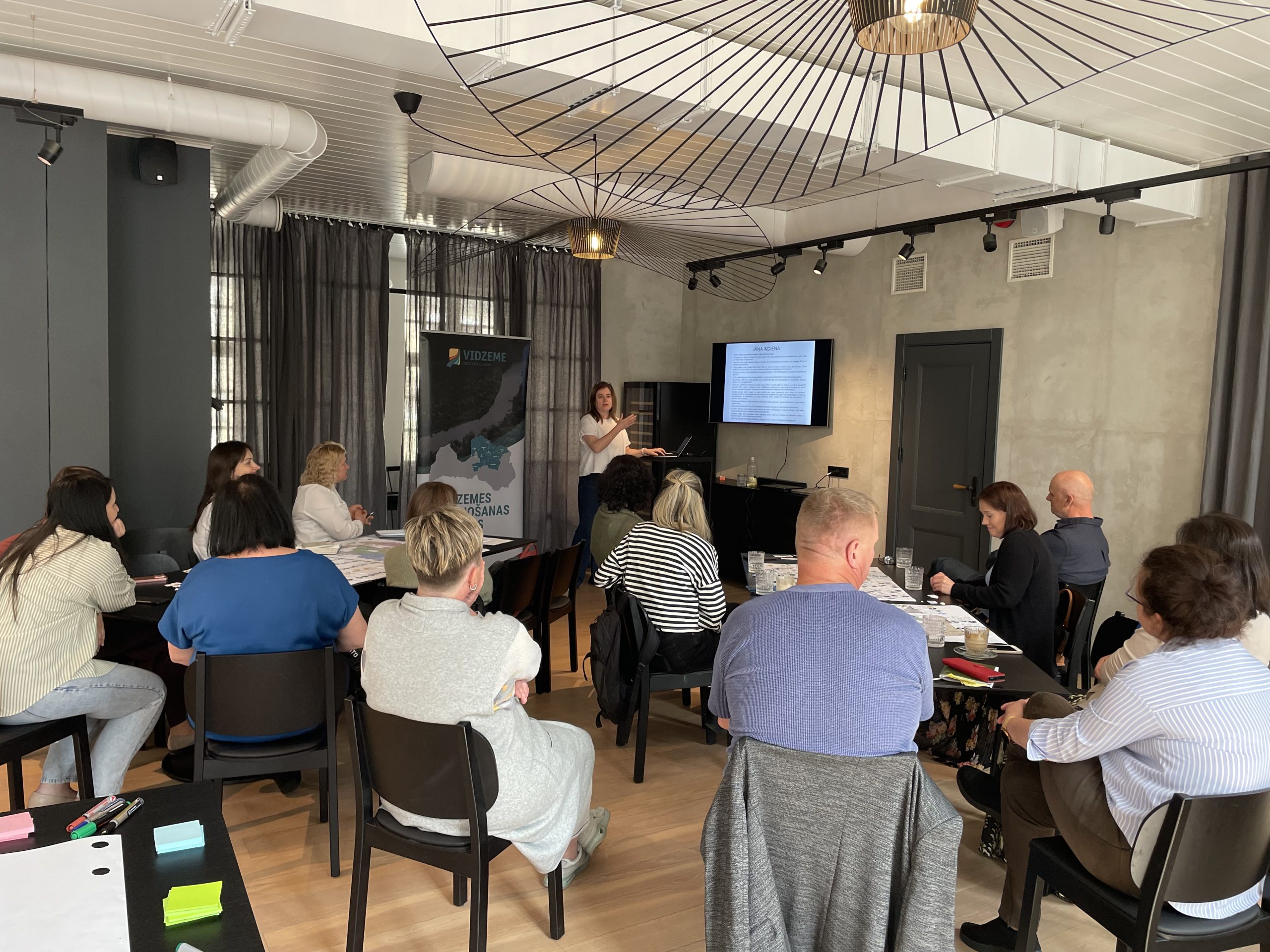
The seminar also featured a lecture by Professor Andra Blumberga of Riga Technical University, who introduced participants to systems thinking and system dynamics approaches. Her presentation, “Thinking Long-Term: A Systems Approach to Climate Change,” generated particular interest and engagement among attendees. Rather than approaching climate change solely from an academic perspective, the lecture explored the issue through the lens of everyday human behaviour and choices.
Through an interactive exercise, participants were encouraged to reflect on climate change in the context of daily actions, recognising that the way people travel, eat, consume services, purchase goods, and live their everyday lives all contribute to the generation of CO₂ emissions.
Complex processes were explained in a clear and visual manner, including the use of bubble visualisations to illustrate emission volumes and their impacts. Discussions also addressed the concept of the “tragedy of the commons,” which describes situations where shared resources are used primarily for individual benefit without sufficient consideration for their long-term preservation. In the context of climate change, this concept highlights how actions that may be beneficial for individuals are not always beneficial for society as a whole. Participants also reflected on patterns of resource use and the need for greater public awareness, engagement, and responsibility regarding climate-related issues.
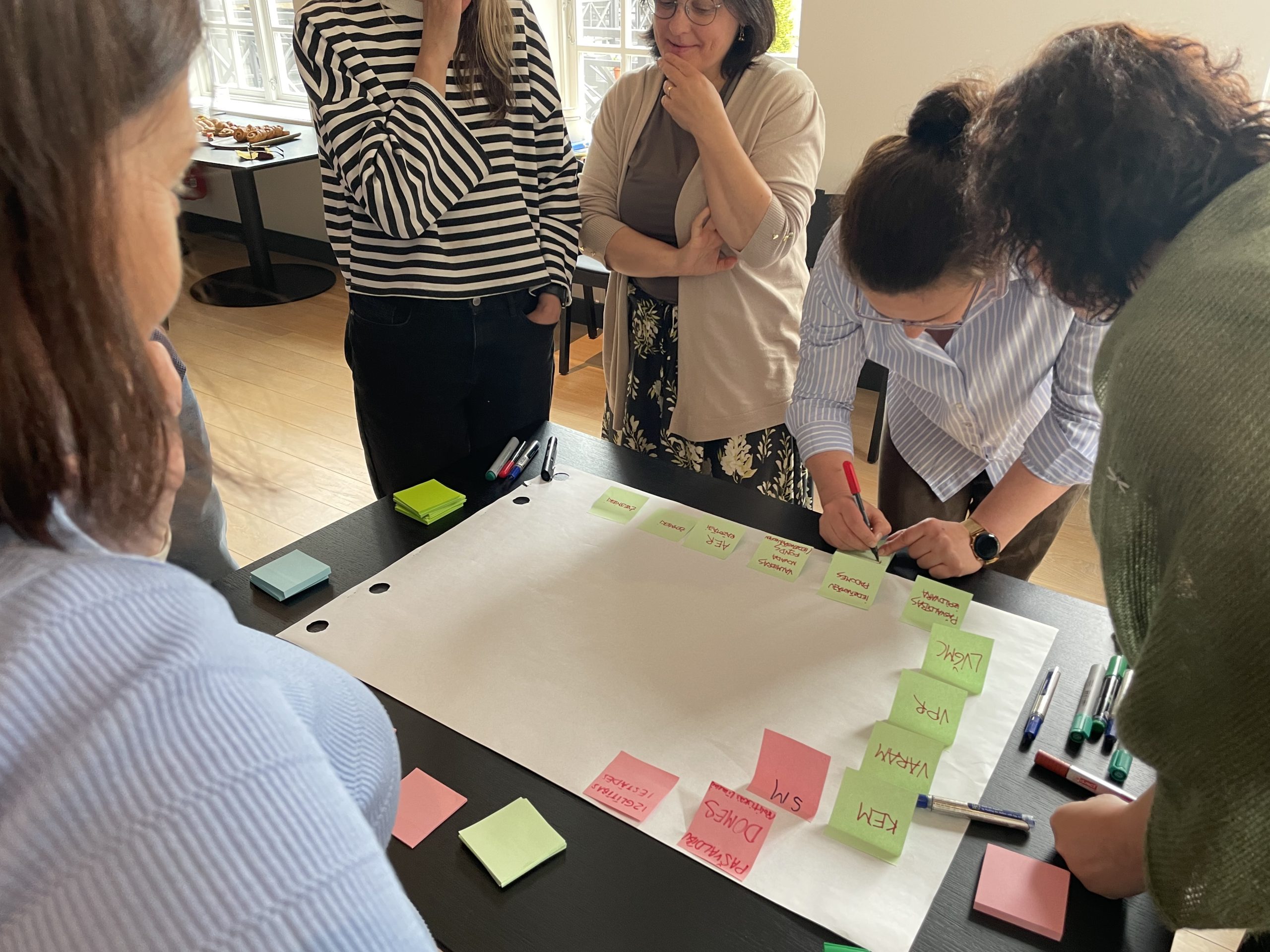
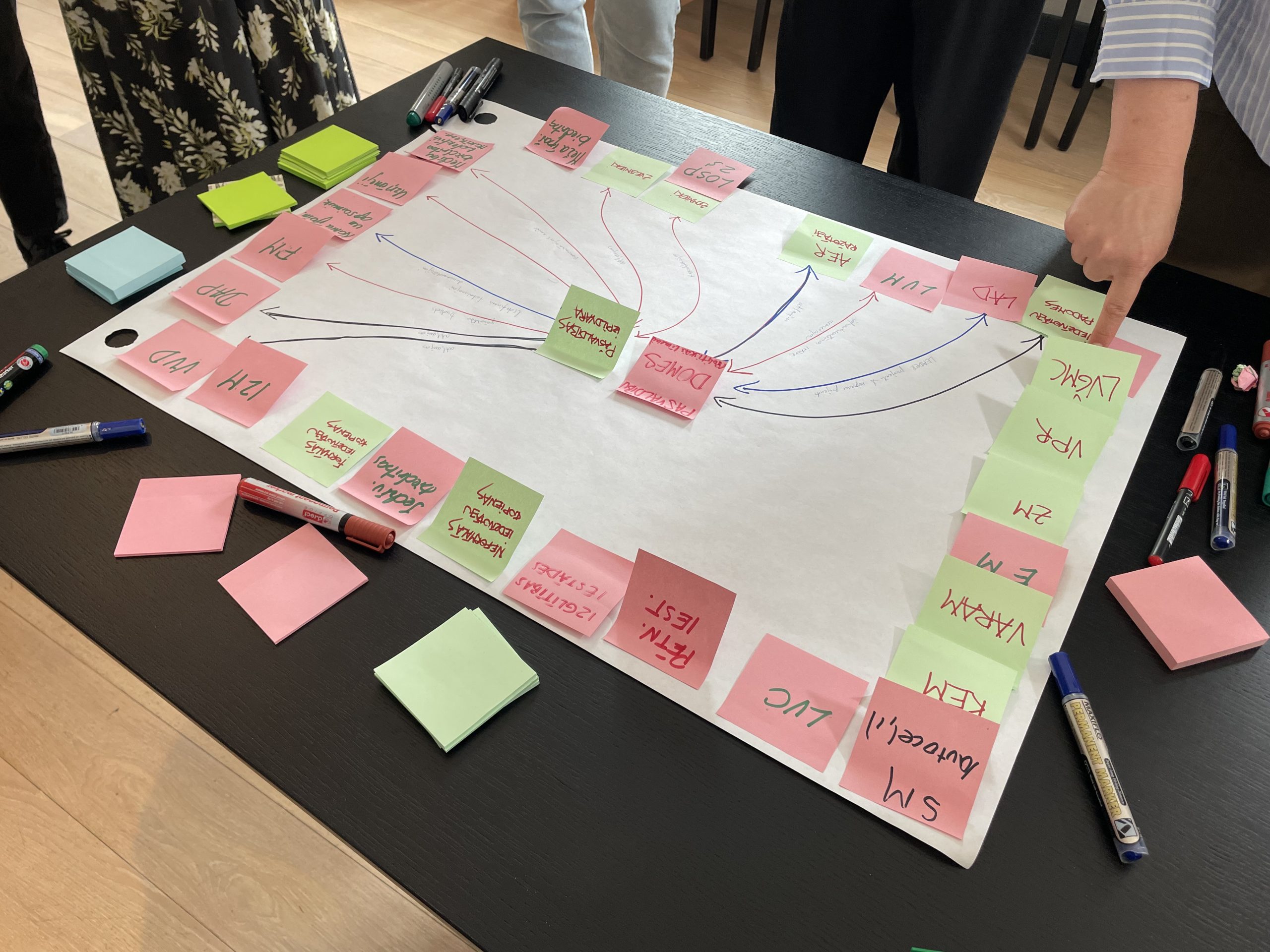
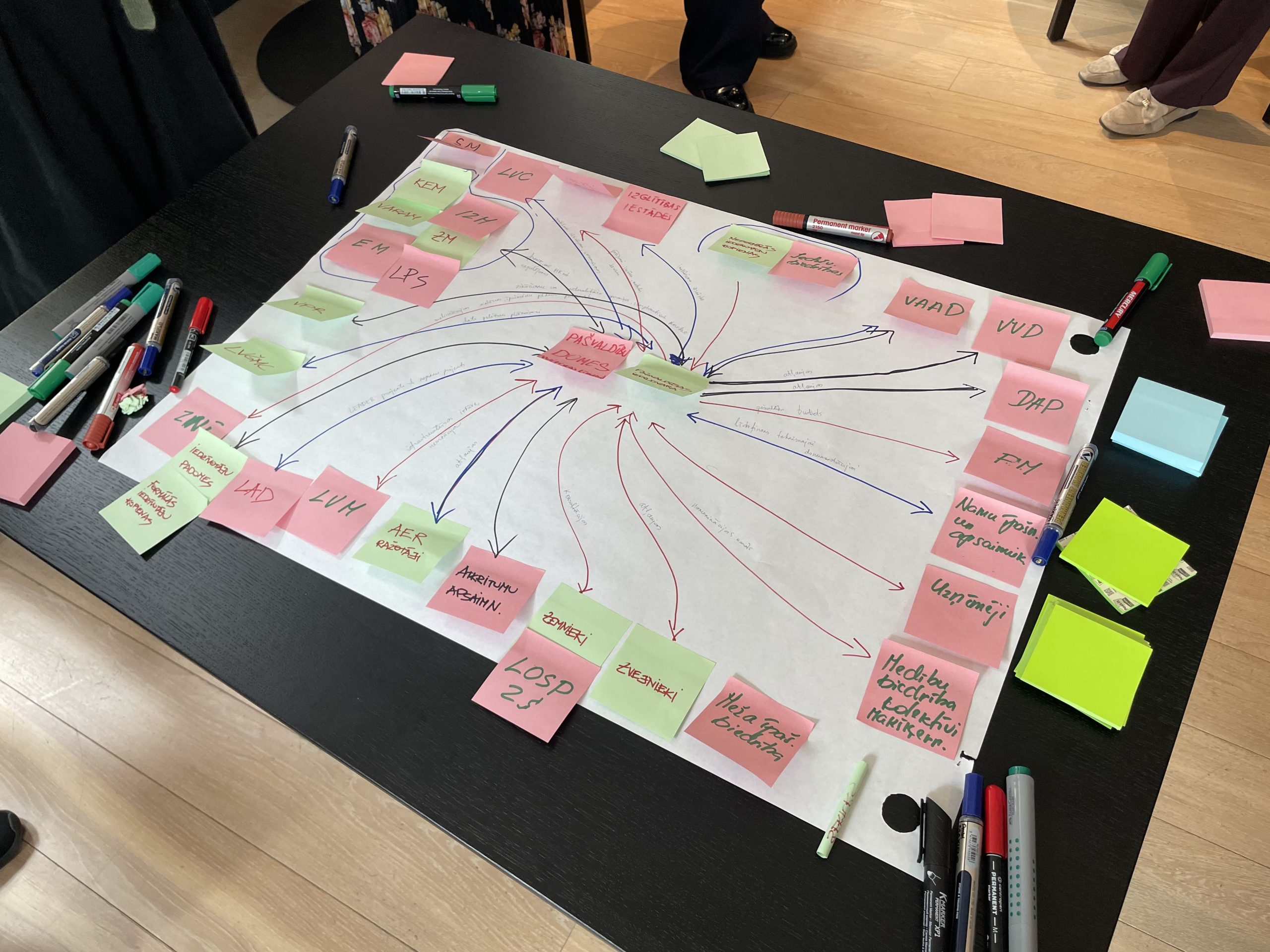
During the final session of the seminar, participants focused on mapping cooperation networks and governance processes within the Vidzeme region. Together, they developed a stakeholder map for climate governance, identifying municipalities, government institutions, communities, businesses, non-governmental organisations, and many other actors who play important roles in reducing climate-related risks and strengthening regional resilience.
The discussions examined existing forms of cooperation, information-sharing mechanisms, and opportunities for strengthening collaboration in the future. At the same time, participants concluded that despite the broad range of stakeholders involved and the diversity of existing cooperation formats, interactions are often largely formal in nature. They emphasised the need for more meaningful and effective collaboration that promotes knowledge exchange, joint learning, and the development of new initiatives, thereby strengthening communities’ ability to drive change and address shared challenges.
The seminar demonstrated that climate change and community development are closely interconnected issues, although this perspective has not yet become a common part of public discussion. Participants therefore stressed the importance of continuing to organise similar events that foster shared understanding and strengthen the links between these topics.
The seminar was organised within the framework of the GRACE project – “Growing Climate Resilience in Remote rural Areas through Community Empowerment”, funded by the European Union’s Horizon Europe Programme.
About the project
The project “Growing Climate Resilience in Remote rural Areas through Community Empowerment (GRACE)” is implemented with the financial support of the European Union’s Horizon Europe Programme (2021–2027).
Its aim is to help remote rural regions in Europe adapt to climate change and strengthen their resilience by promoting community participation, local capacity building, and the implementation of innovative solutions. The project seeks to develop and demonstrate multidimensional climate adaptation measures that enhance social and economic vitality, promote nature-based solutions, and improve local governance.