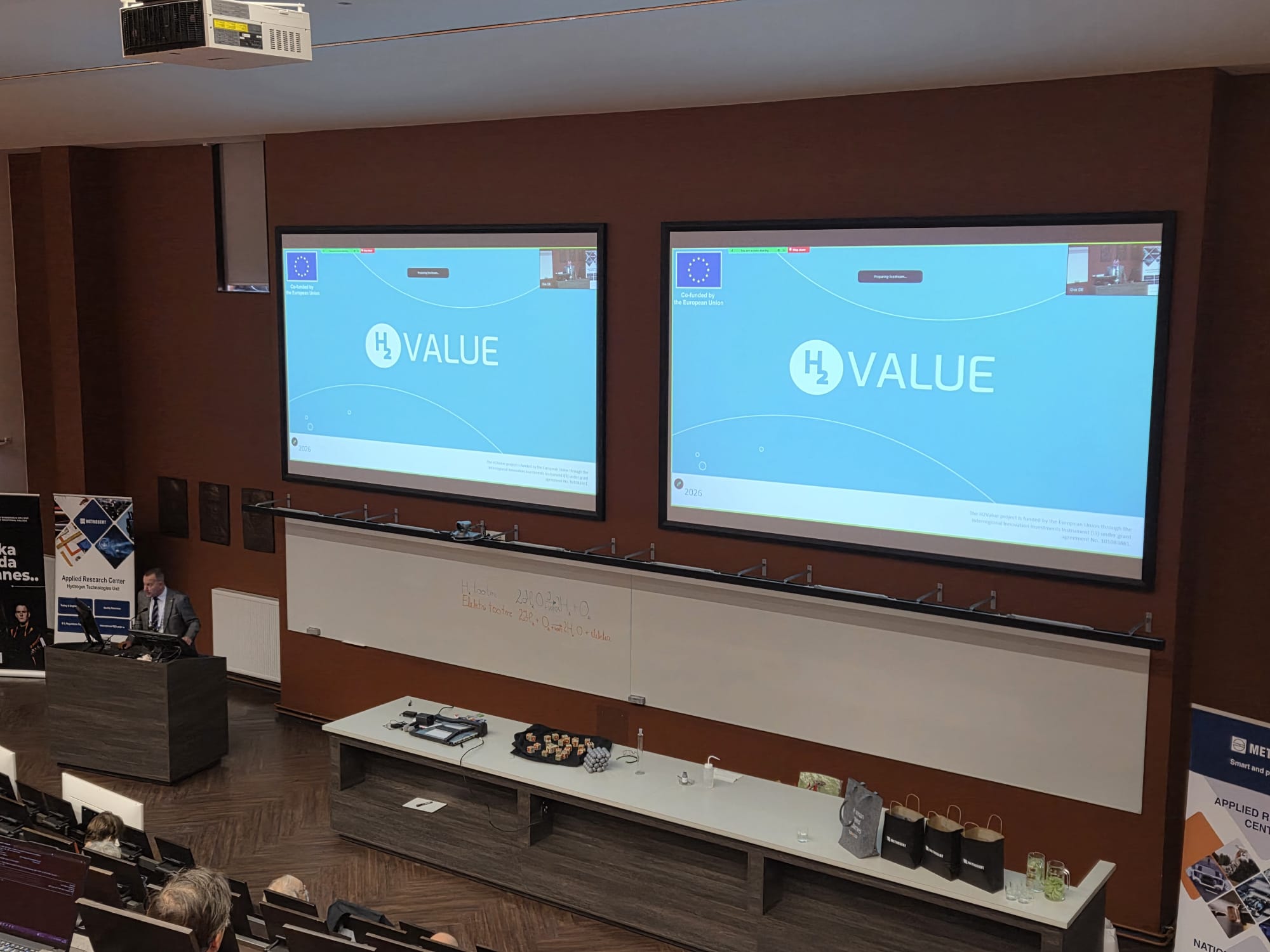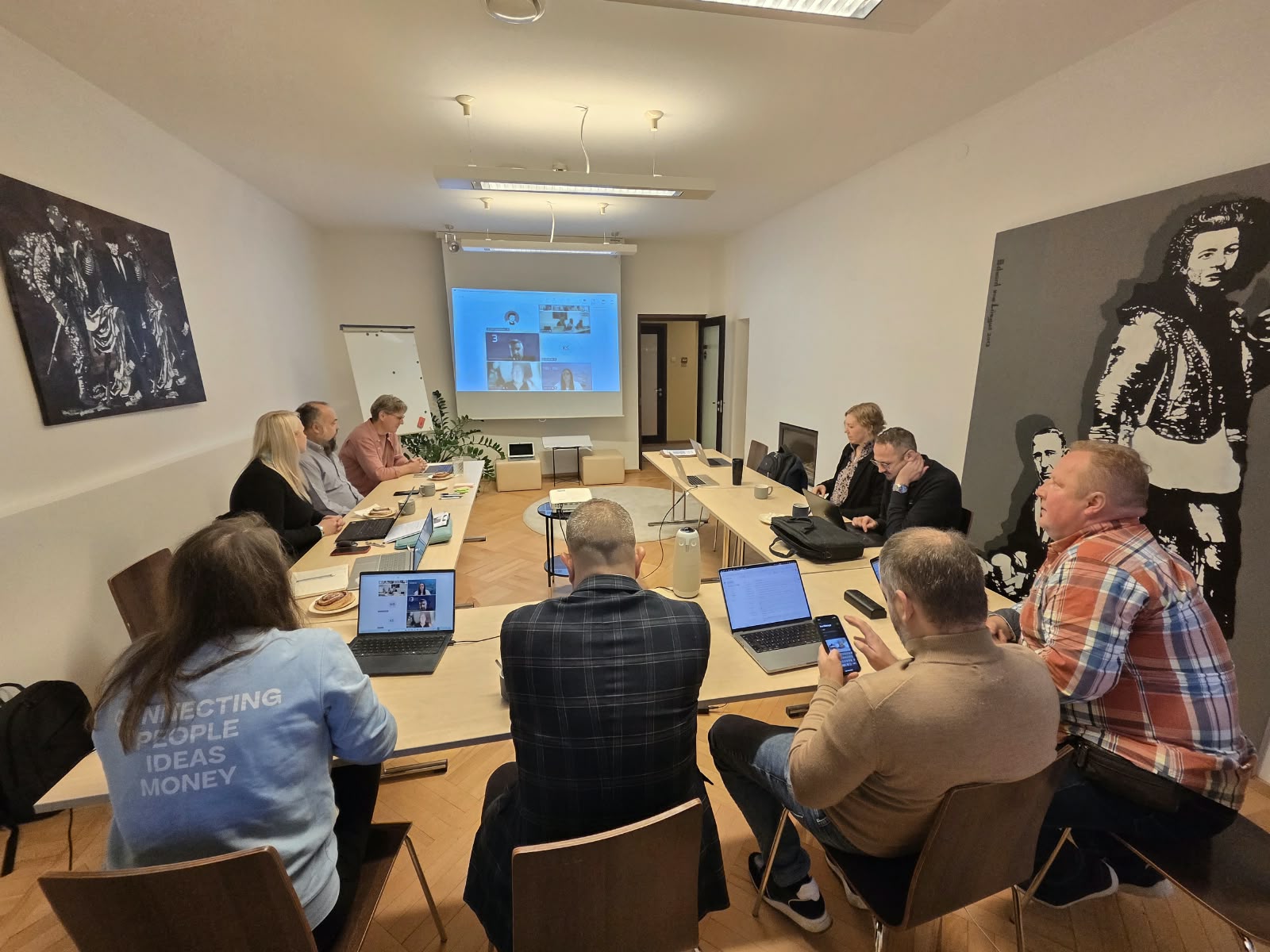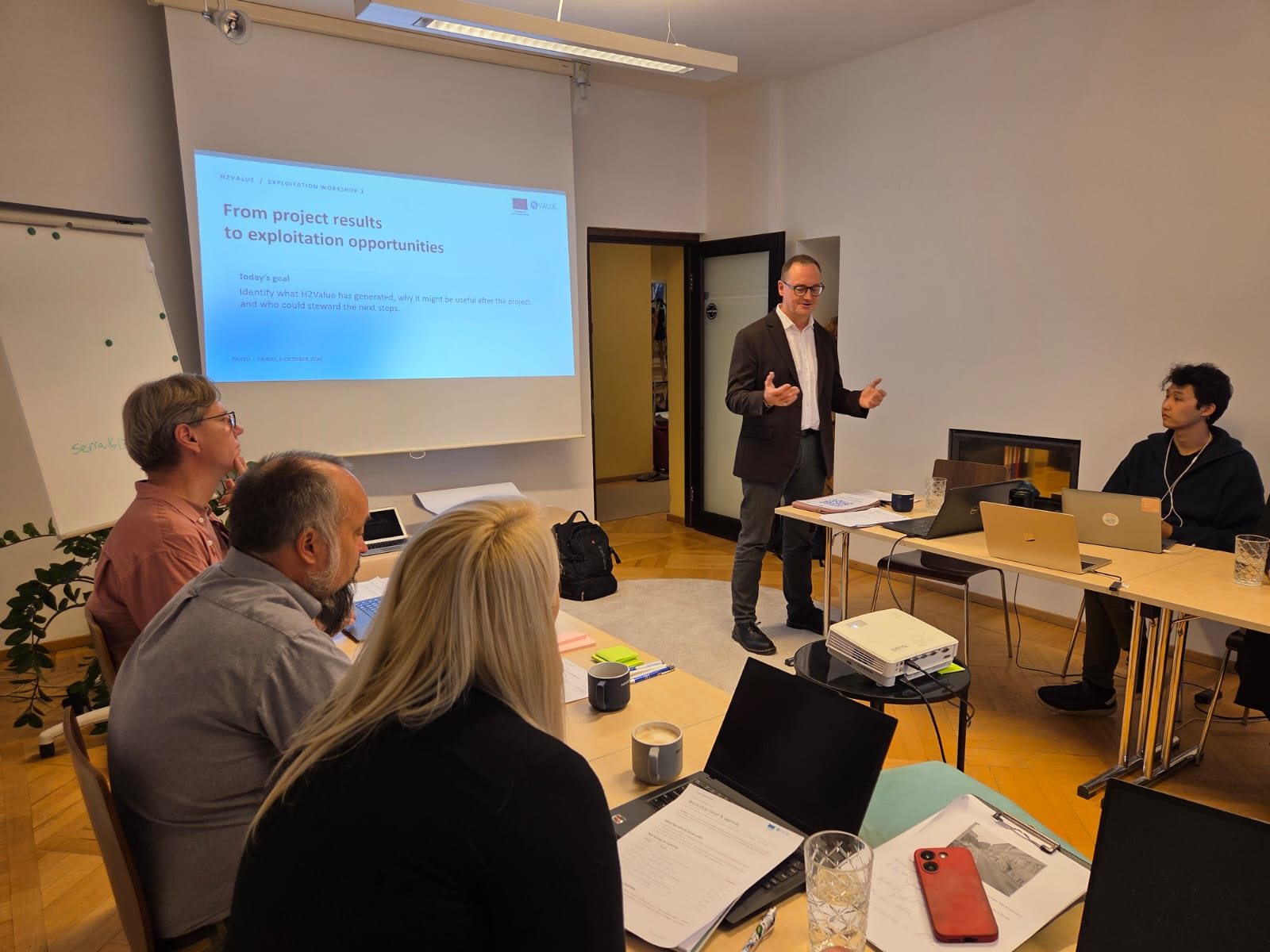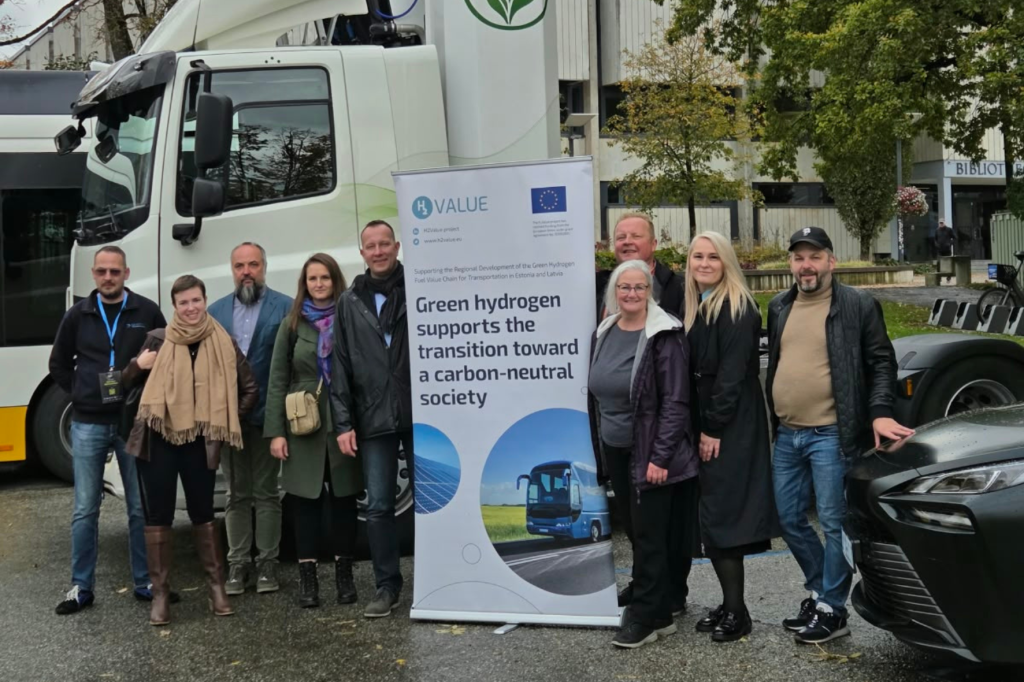
How can we ensure that the work invested and the results achieved during an international project continue to deliver benefits after the project ends? This was one of the key questions H2Value project partners addressed during their meeting in Tartu on 9 October. The meeting included a project partners’ meeting and the first of three planned Exploitation Workshops.
The meeting took place alongside the international event Tartu Hydrogen Days 2026, which celebrated its 10th edition this year. The anniversary event focused on the theme “From Science to Market”, exploring how hydrogen technologies can move beyond research and experimental solutions towards practical applications and economically viable technologies.
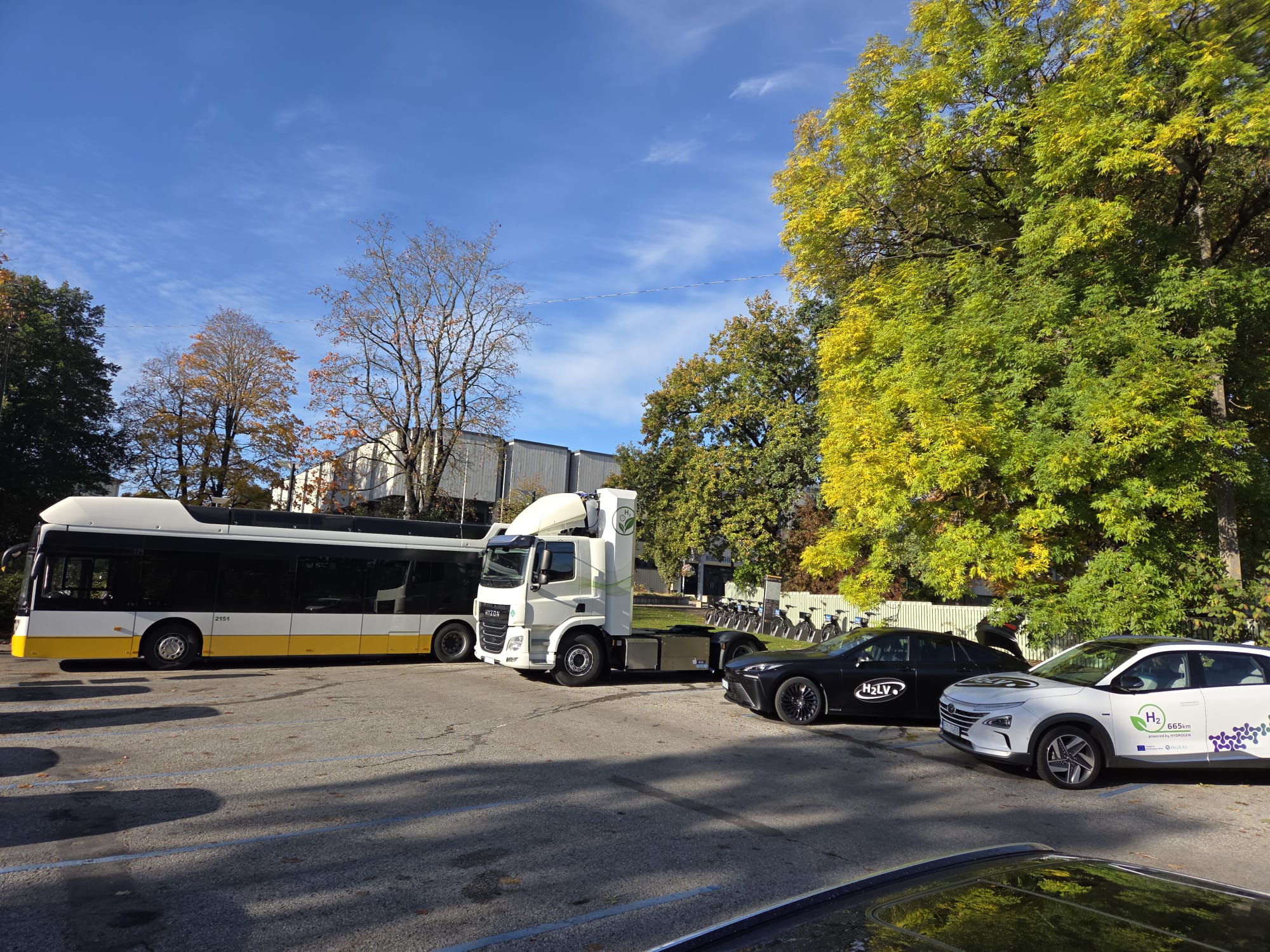
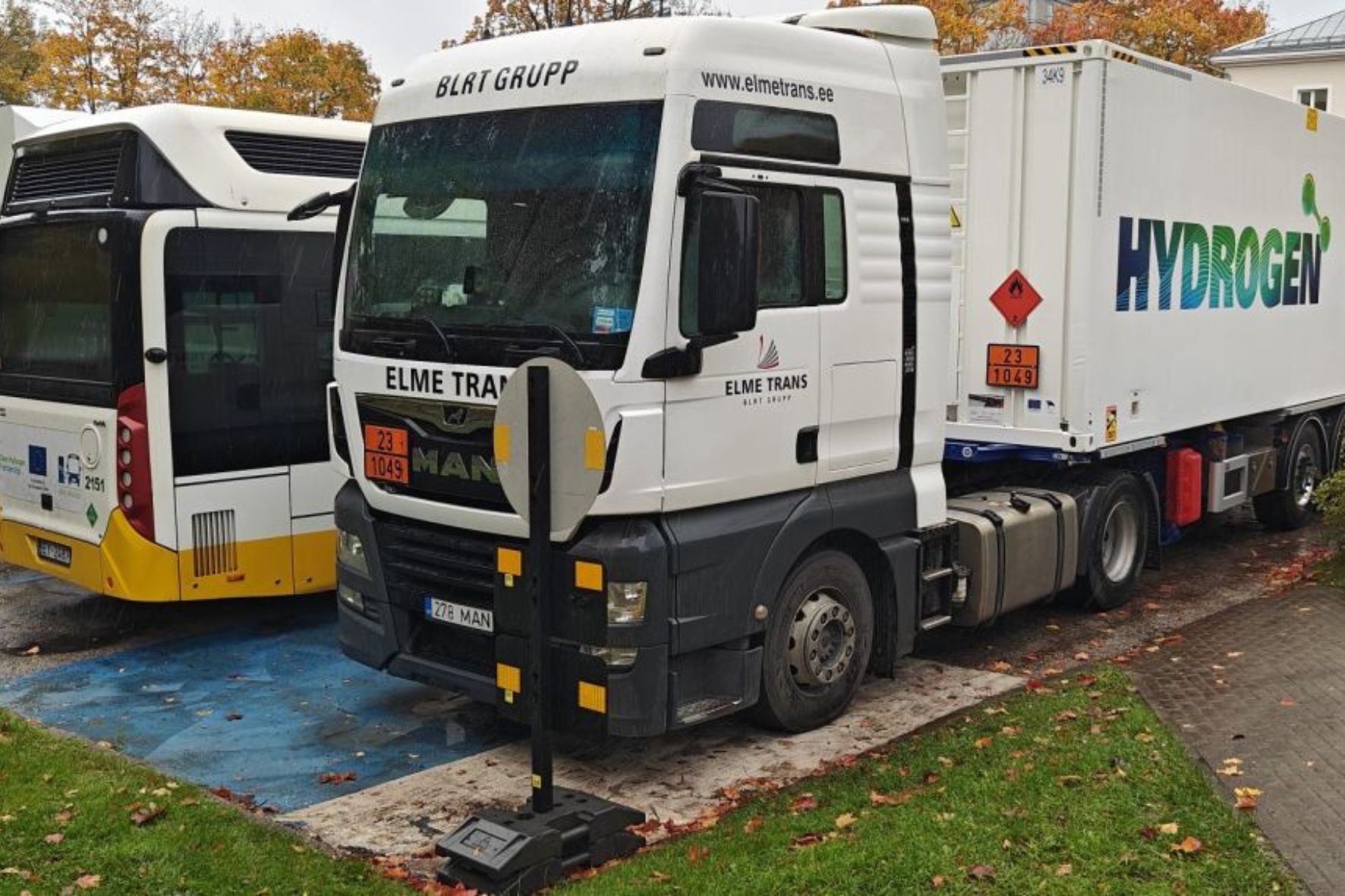
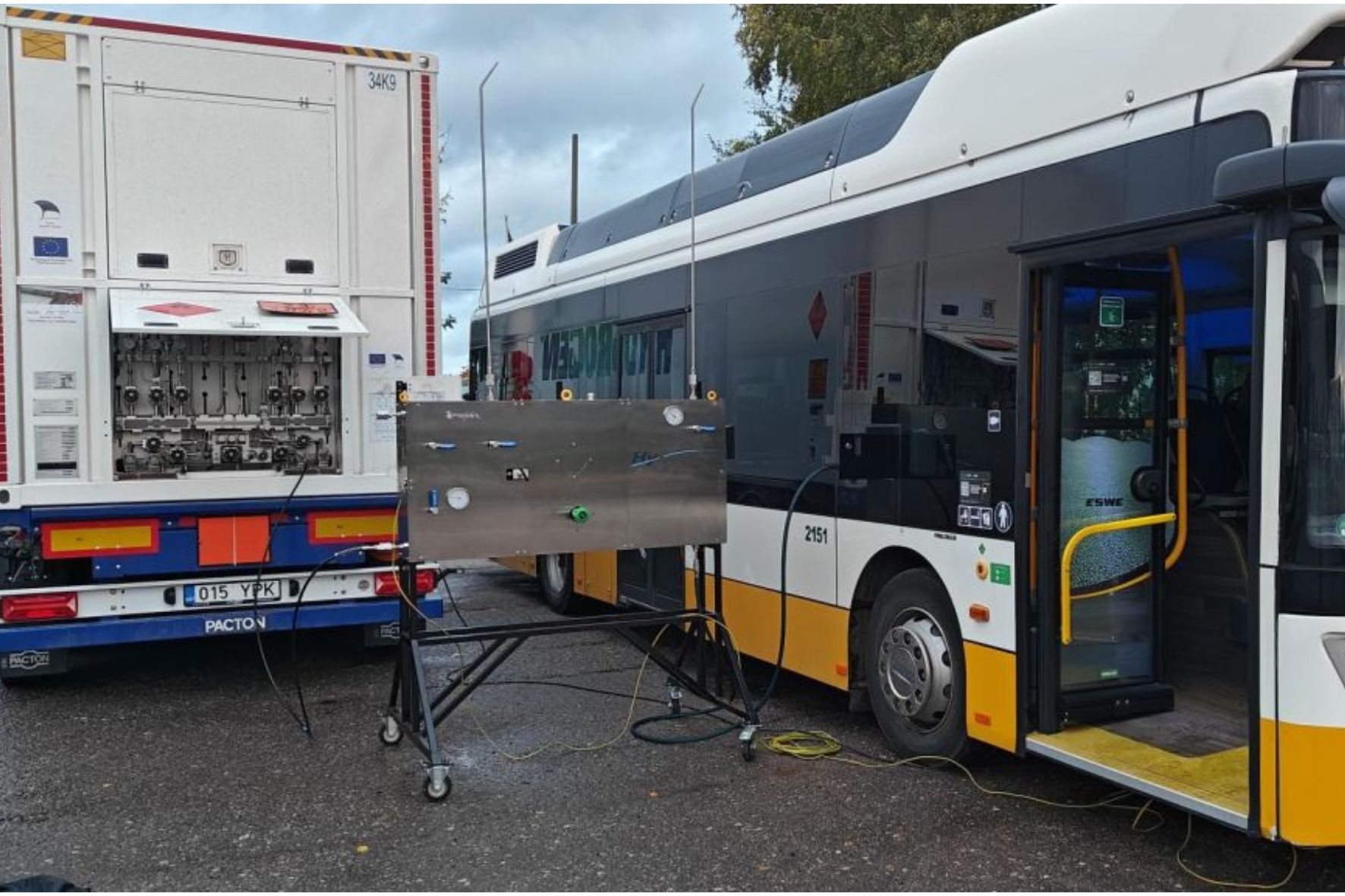
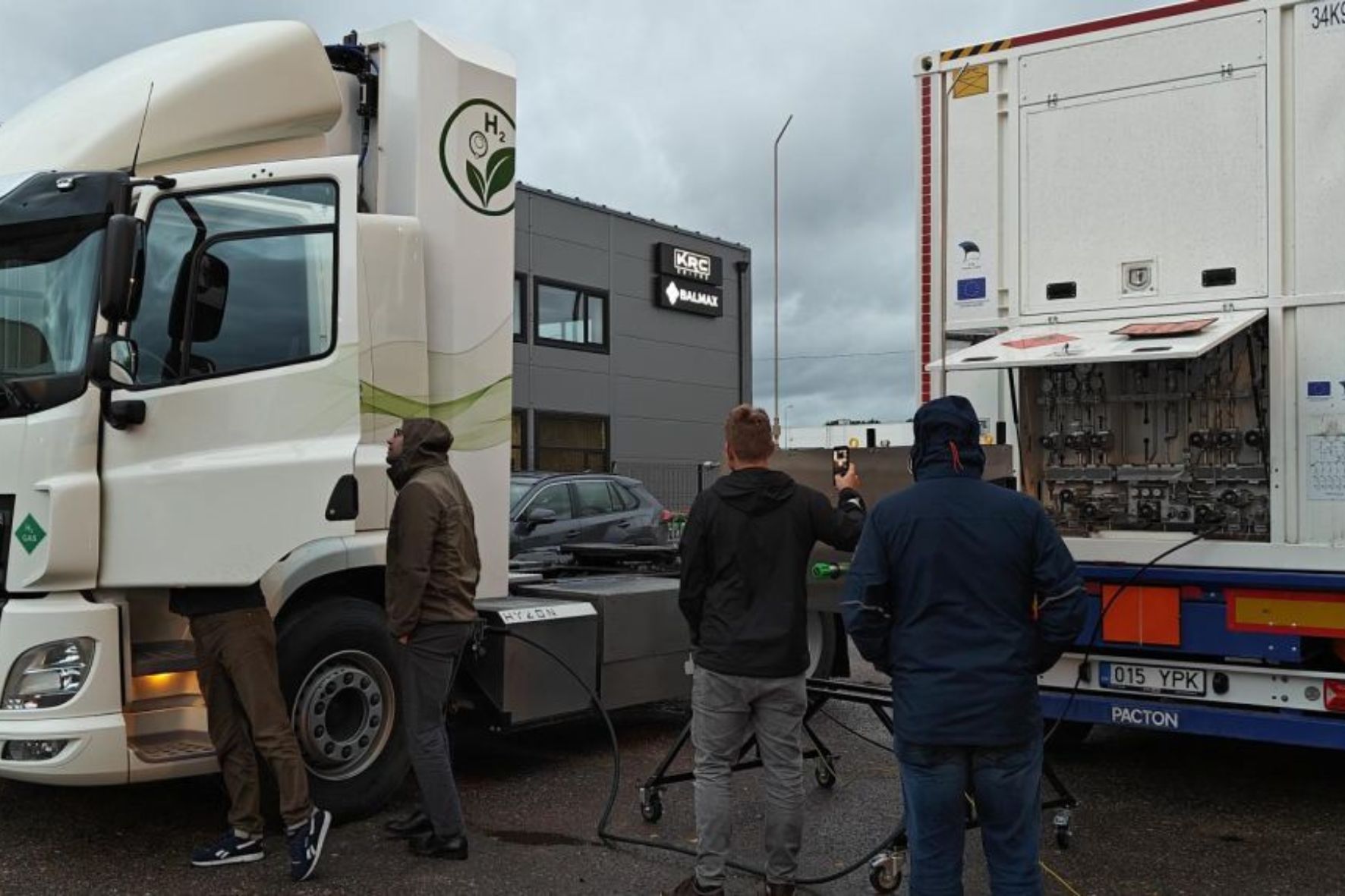
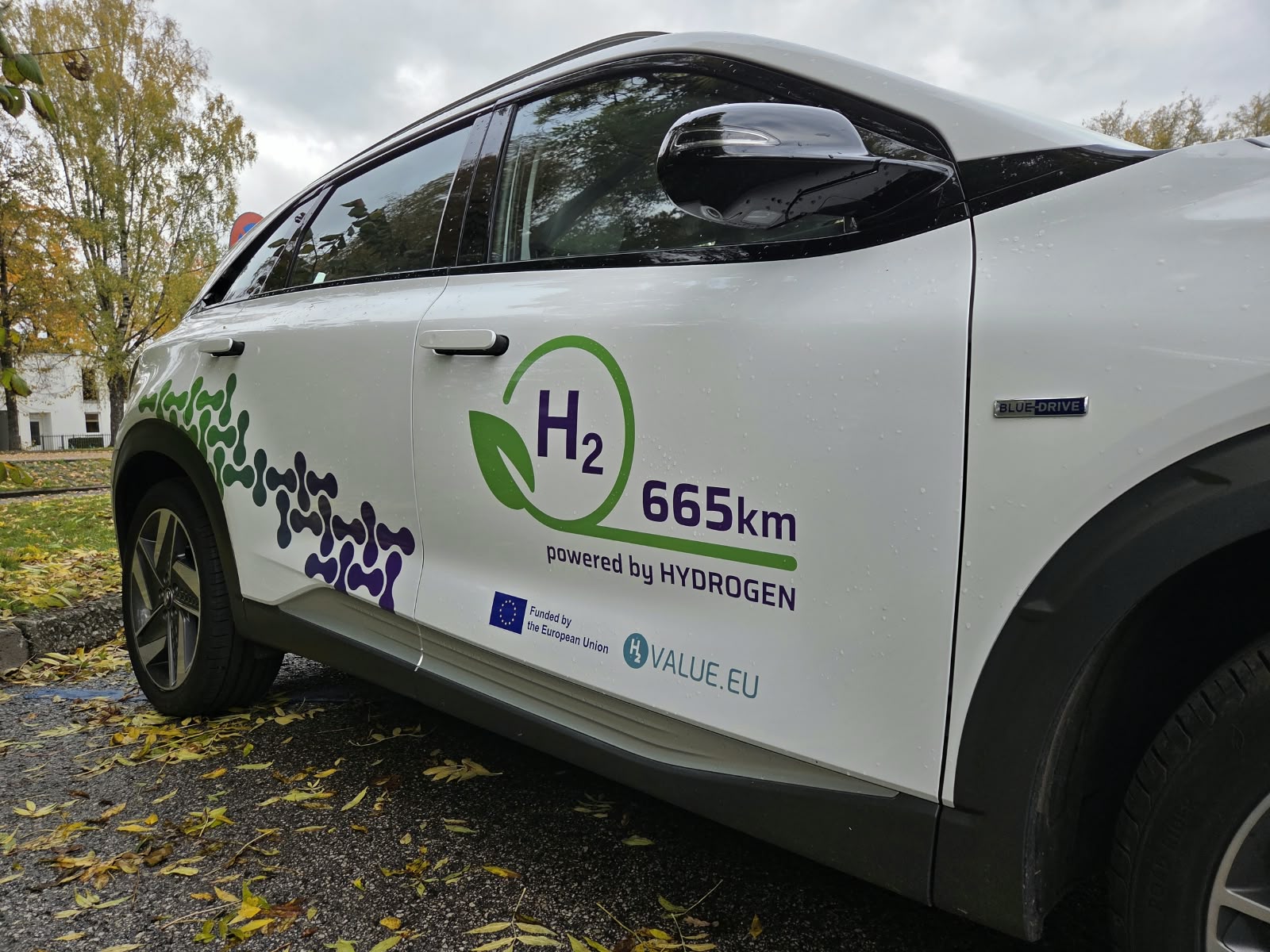
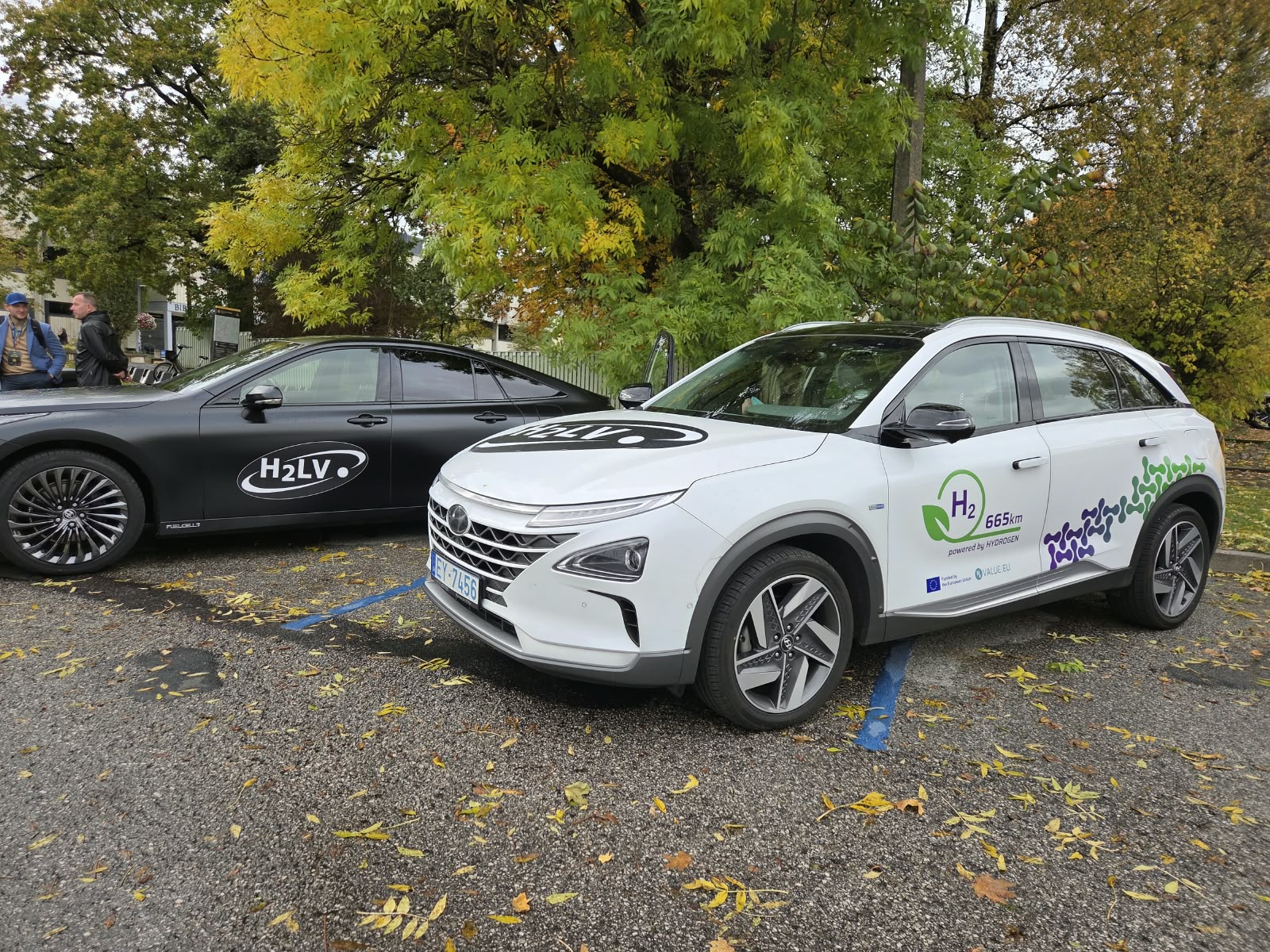
The event brought together scientists, entrepreneurs, engineers, and industry experts to discuss the challenges and opportunities of deploying hydrogen technologies. Particular attention was given to cooperation between hydrogen producers, technology developers and end users. Visitors also had the opportunity to see practical hydrogen mobility solutions, including cars, a bus, a heavy-duty truck and a drone.
From project achievements to exploitable results
The H2Value project aims to support the development of a green hydrogen value chain in the transport sector in Latvia and Estonia by strengthening cross-border cooperation and creating the conditions for wider adoption of hydrogen technologies. The significance of projects like H2Value extends beyond what is achieved during their implementation. Equally important is how the knowledge, experience and solutions developed can be used in the future.
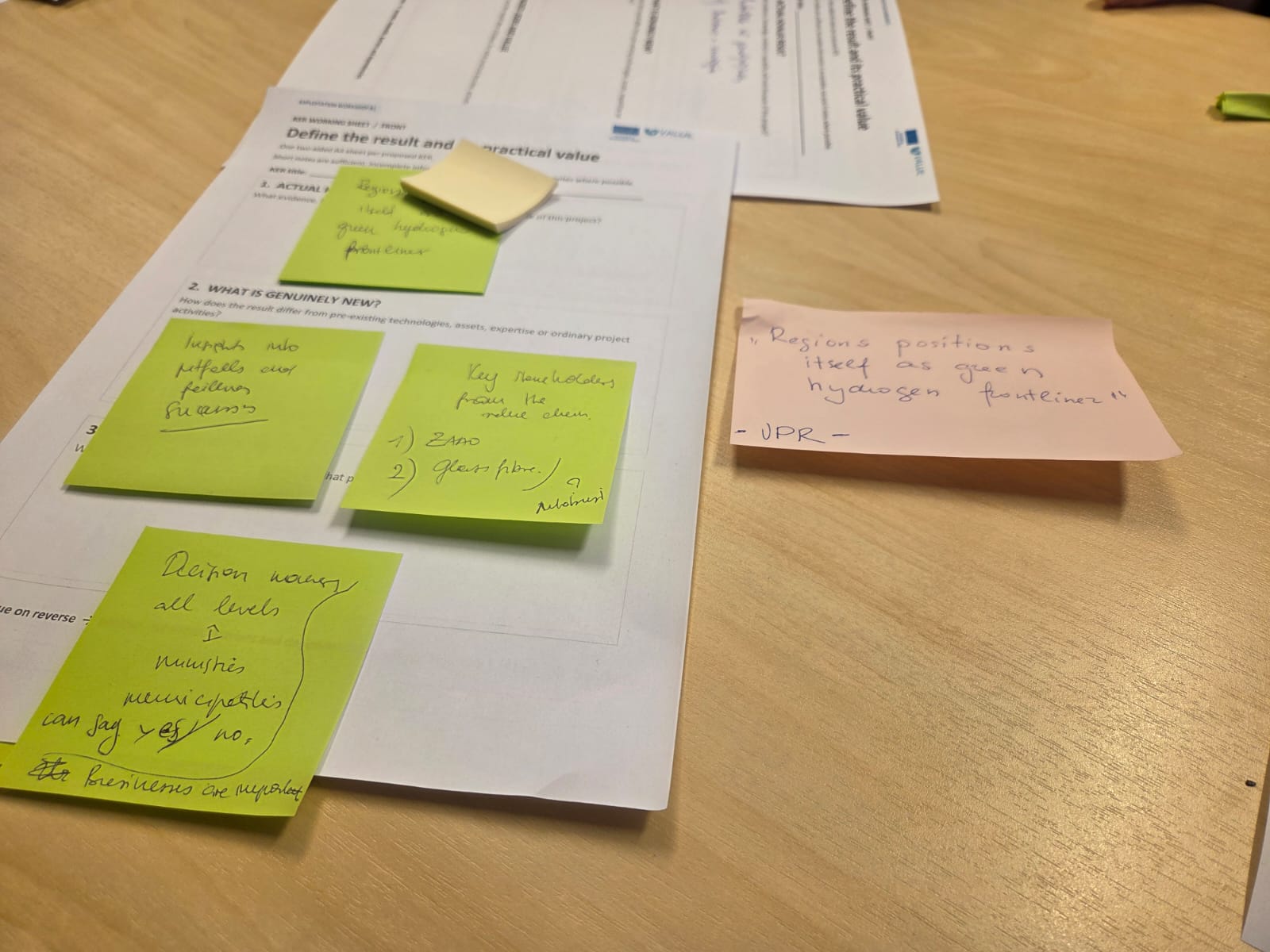
This was the focus of the first Exploitation Workshop, facilitated by Viesturs Sosārs from Cogentia Consulting. The workshop centred on identifying the project’s Key Exploitable Results (KERs).
KERs are project results with the potential to be used beyond the lifetime of the project itself. They may include not only practical solutions but also knowledge gained, approaches developed or outcomes of cooperation that could benefit other stakeholders in the sector.
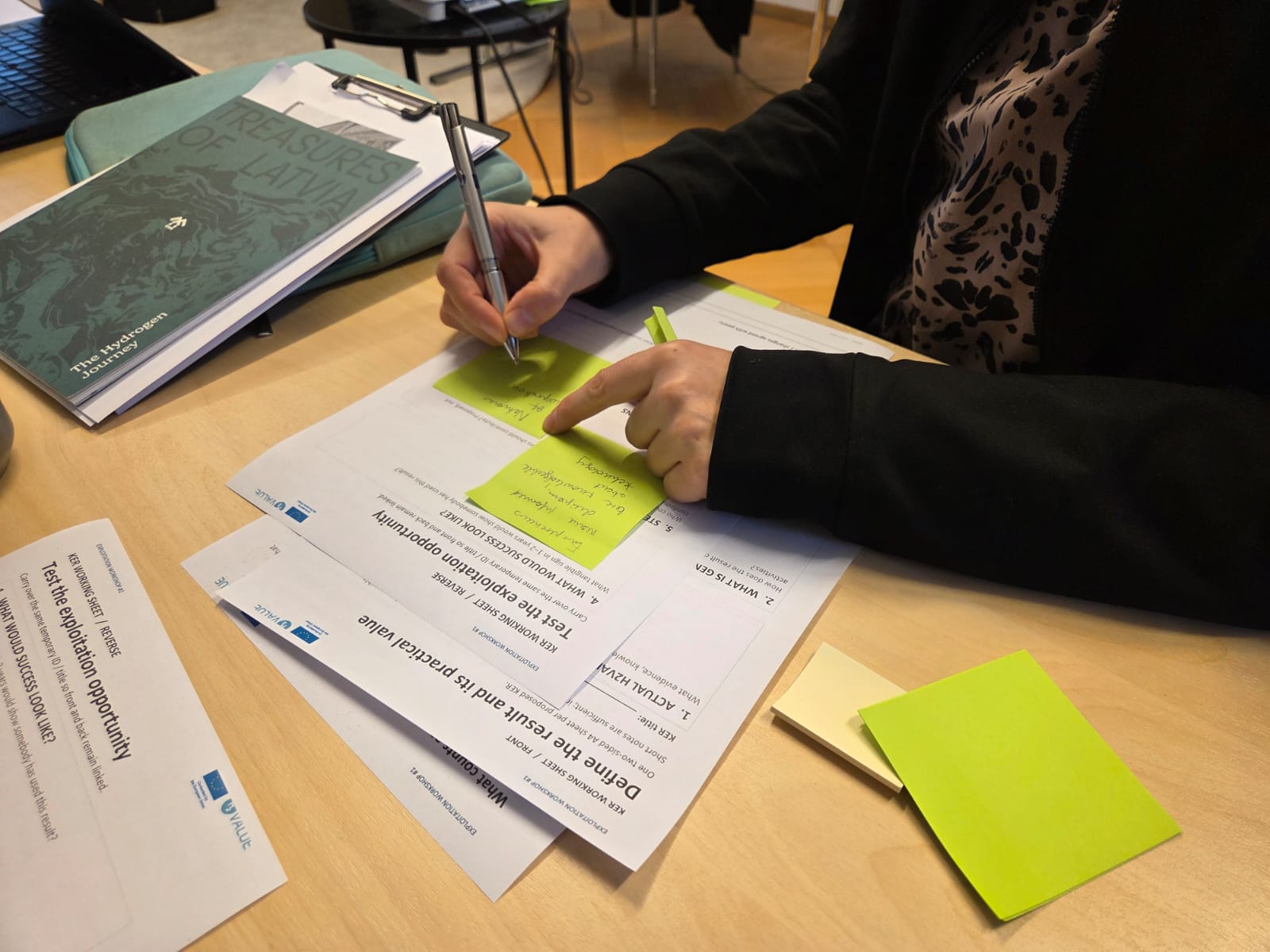
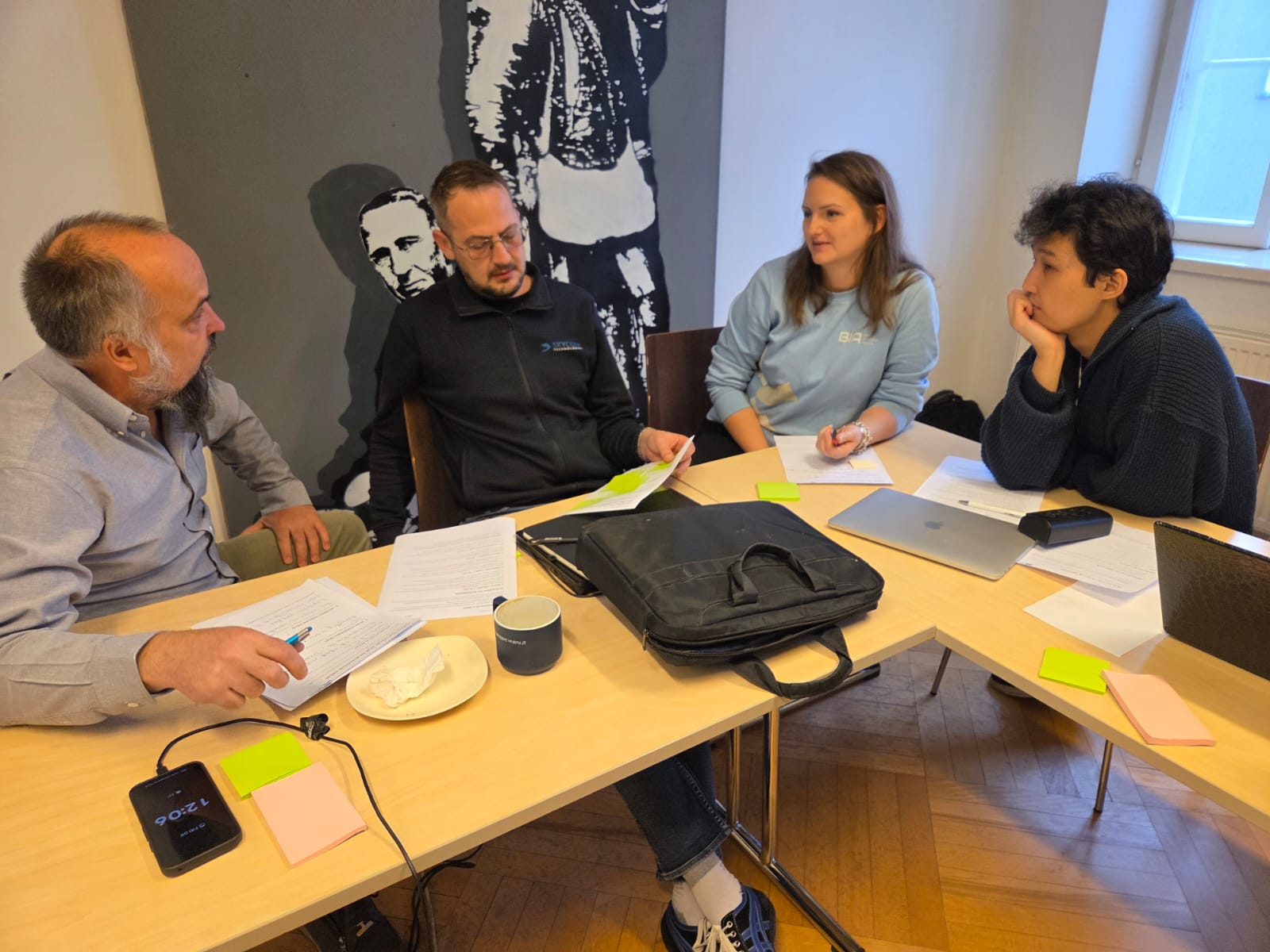
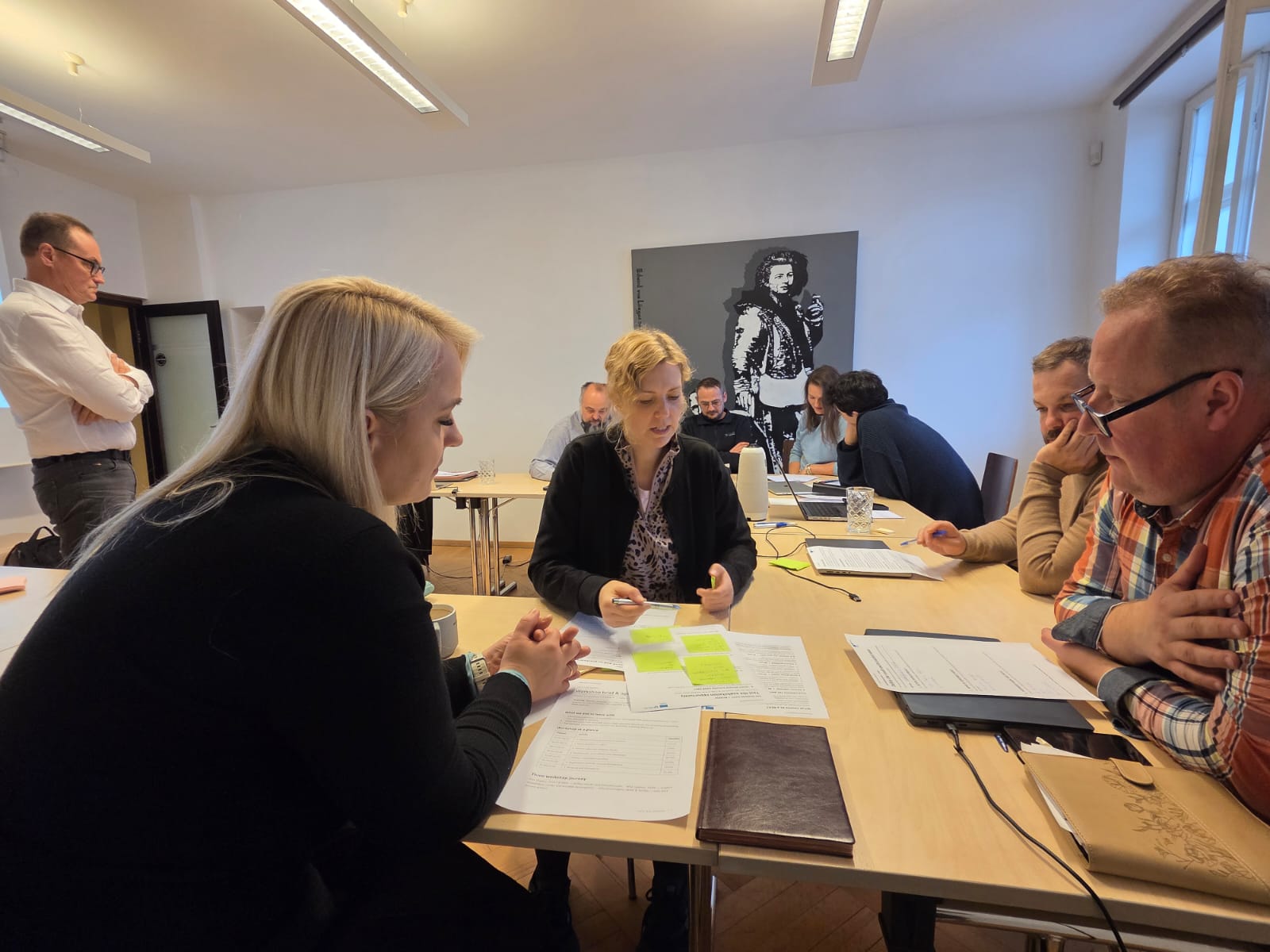
During the workshop, partners worked in teams to identify and refine H2Value’s potentially most valuable results. Discussions addressed several interconnected questions: What is the practical value of each result? Who could potentially use or benefit from it? Under what conditions could it be applied, and what barriers might hinder its future use?
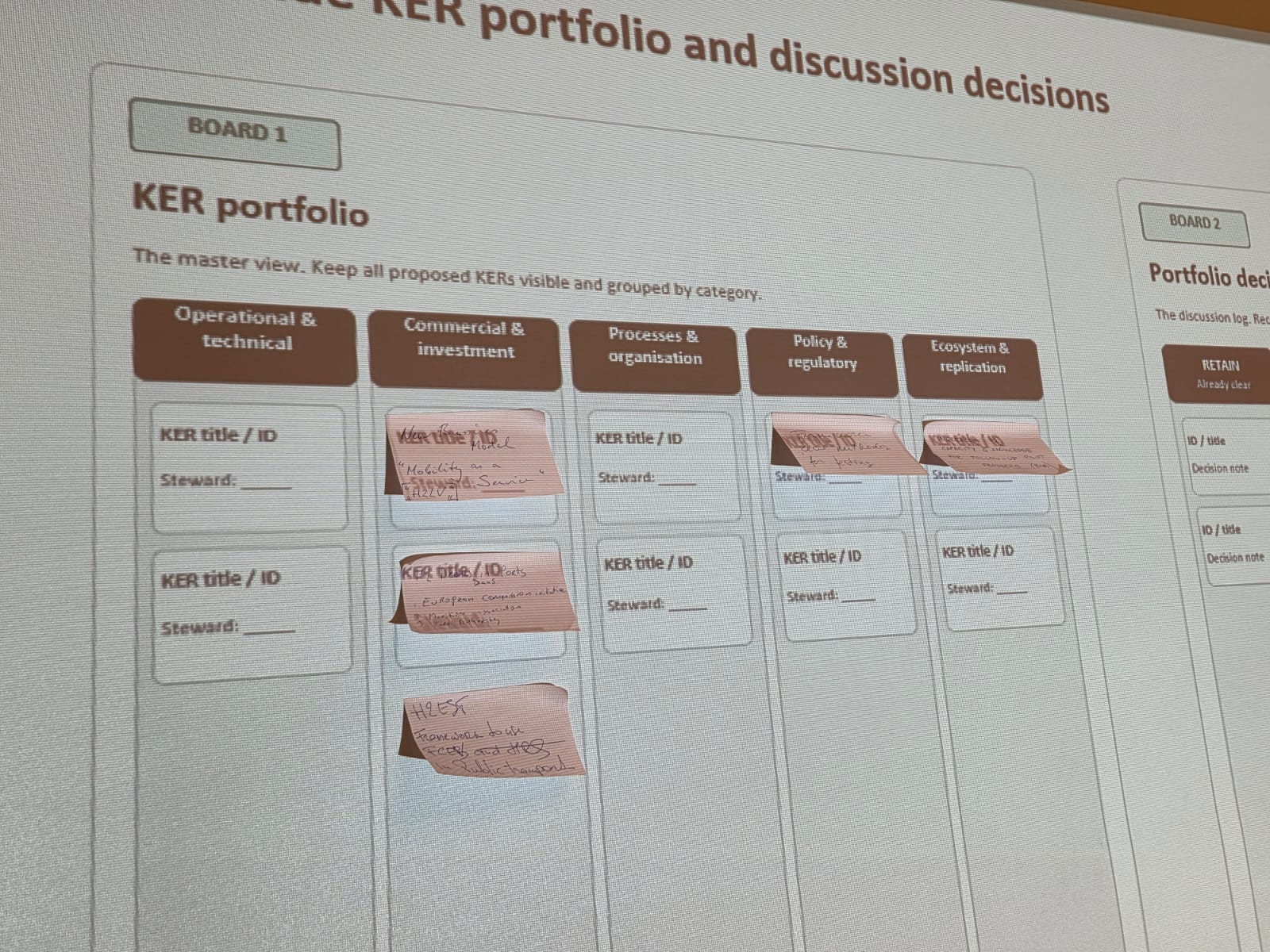
The workshop identified, discussed, and further refined five potential Key Exploitable Result areas. These covered a range of topics, from data and procedural frameworks to new mobility service models and opportunities for technology deployment.
The Estonian Association of Hydrogen Technologies (H2EST) focused on a data framework to support informed decisions on using hydrogen-powered vehicles in public transport. Meanwhile, SCT explored opportunities for deploying hydrogen-powered drones in port areas.
Vidzeme Planning Region worked on developing a framework of hydrogen-related procedures for the Vidzeme region. The Latvian Hydrogen Association (H2LV) focused on a hydrogen-based Mobility as a Service model, while the Baltic Innovation Agency (BIA) explored ways to strengthen hydrogen-related expertise and knowledge for use in future projects.
These five areas were identified for further development and refinement. They demonstrate that the potential value of H2Value’s results extends beyond individual technology demonstrations to include planning, knowledge transfer, service development and new cooperation models.
This approach encourages partners to look at project achievements from a broader perspective – not simply as a collection of completed activities, but as opportunities that could be taken forward by businesses, public sector organisations and other stakeholders involved in developing the hydrogen sector.
Why is it important to plan for the future use of results before the project ends?
To ensure project results remain valuable in the long term, it is important to assess early who might need them, how they could be adopted or developed further, and what conditions would be necessary for their future use.
This is particularly relevant to H2Value, as developing green hydrogen mobility involves several interconnected elements – from hydrogen availability and infrastructure to vehicle operation and cooperation between different organisations. The long-term value of the project’s results therefore depends largely on how they can contribute to the broader development of the hydrogen sector.
The workshop in Tartu marked the first step in this assessment process. Three workshops are planned in total, during which partners will continue exploring opportunities to use project results in practice and extend their potential impact beyond the end of H2Value.
The project is approaching its conclusion, but work continues
An H2Value project partners’ meeting was also held in Tartu, providing an opportunity to review implementation progress and discuss upcoming tasks.
The H2Value project will conclude in December 2026. Throughout its implementation, partners have already invested considerable effort in promoting green hydrogen use in the transport sector and strengthening cooperation between Latvia and Estonia. An intensive yet exciting final phase still lies ahead, with a strong focus on successfully completing the work underway and achieving the planned results.
The meeting in Tartu provided an opportunity not only to coordinate the remaining activities but also to consider next steps together – how to ensure that the value created through H2Value is preserved and can continue to be used after the project ends.
Photos: Vidzeme Planning Region / Latvian Hydrogen Association / ELME MESSER GAAS
The project “Supporting the Regional Development of the Green Hydrogen Energy Value Chain for Transport in Estonia and Latvia” (H2Value) is implemented with support from the European Regional Development Fund under the Interregional Innovation Investments (I3) Instrument. Grant Agreement No. 101083881.