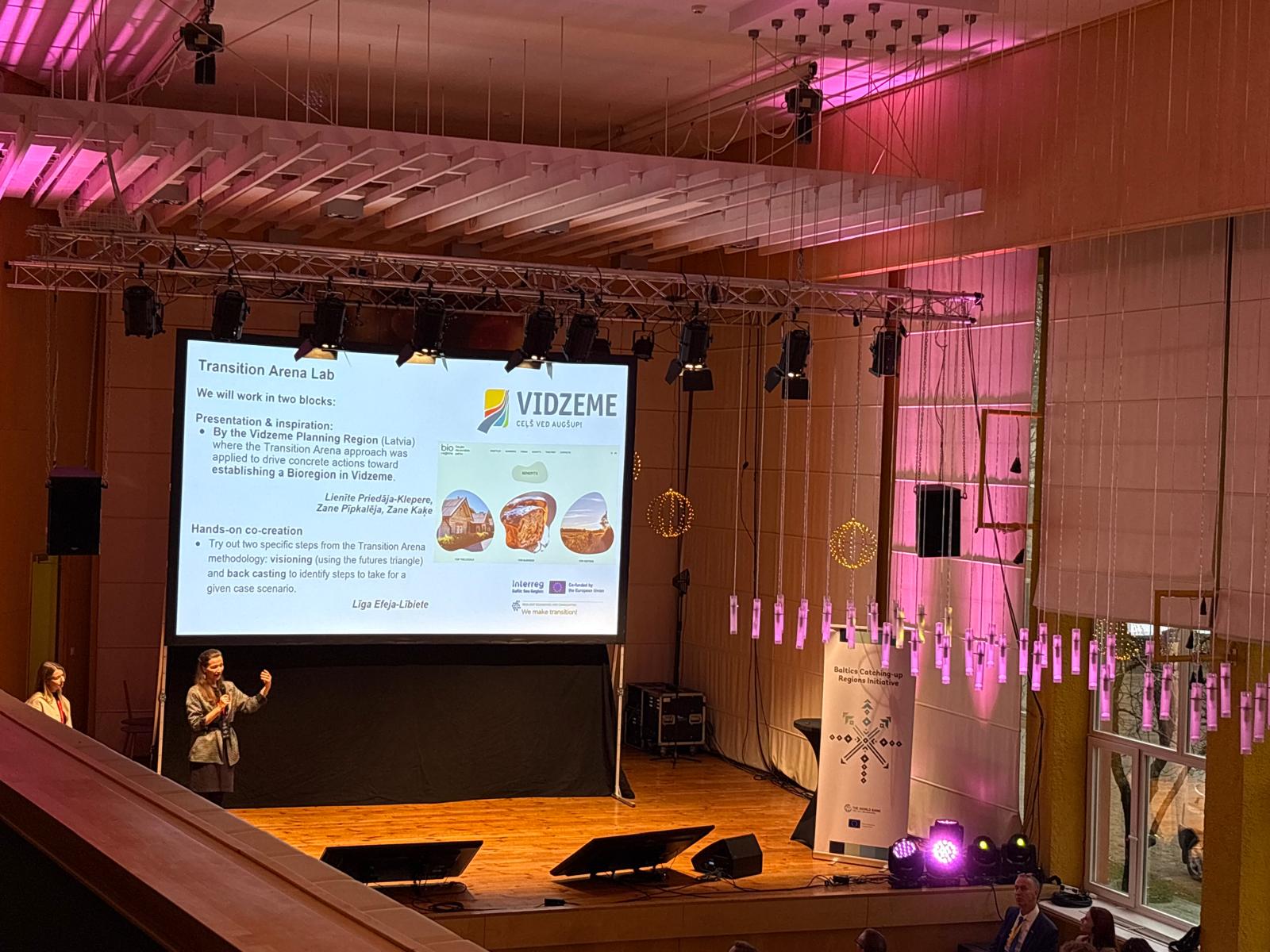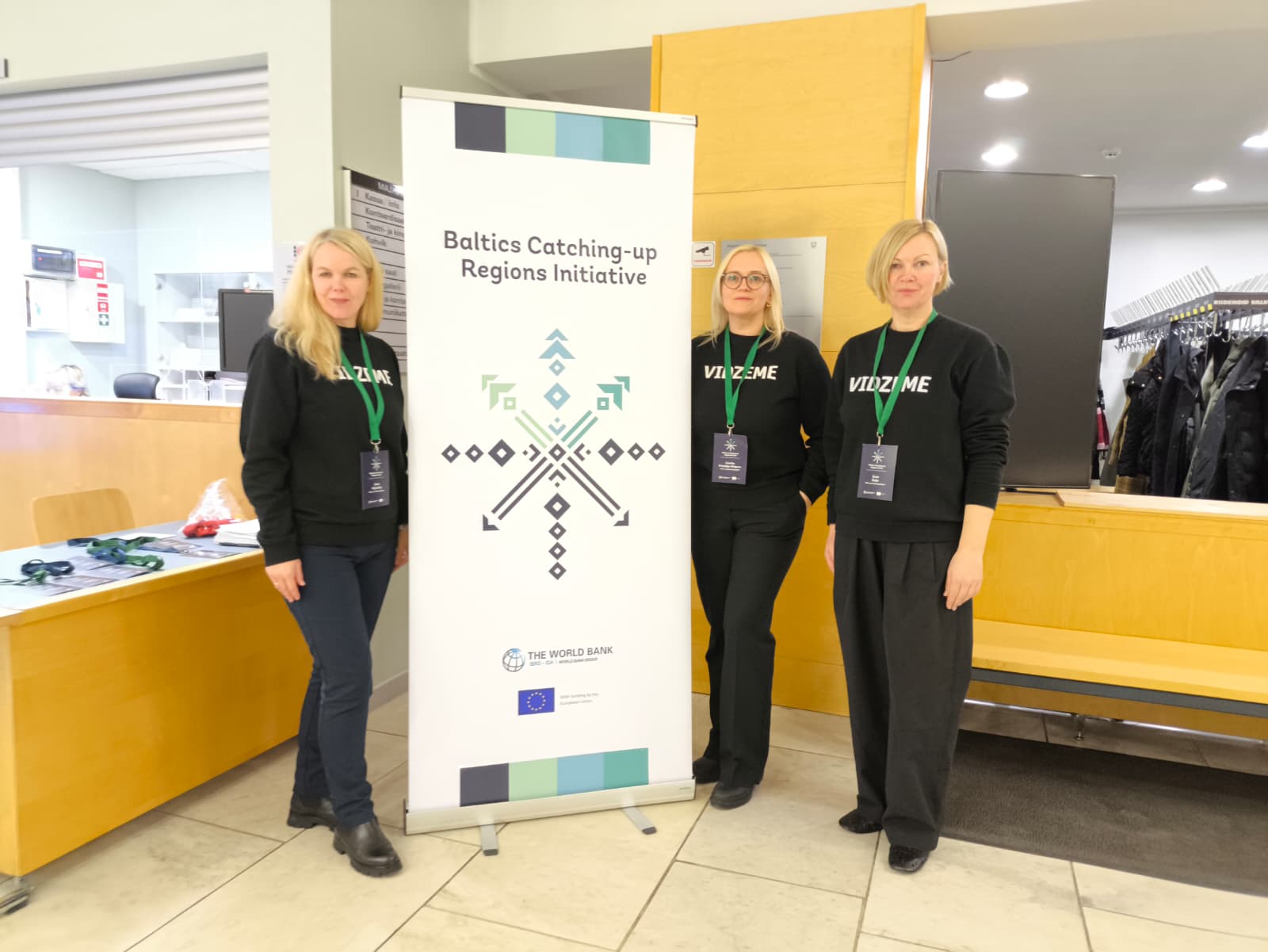
From 3–4 December 2025, the Baltic Catching-up Regions Forum on “Smart Shrinking, Urban Renewal & Community Participation” took place in Võru, Estonia. Organised by the European Commission and the World Bank, the event brought together representatives from national and EU institutions, municipalities, civil society, and the private sector from Estonia, Latvia, and Lithuania.
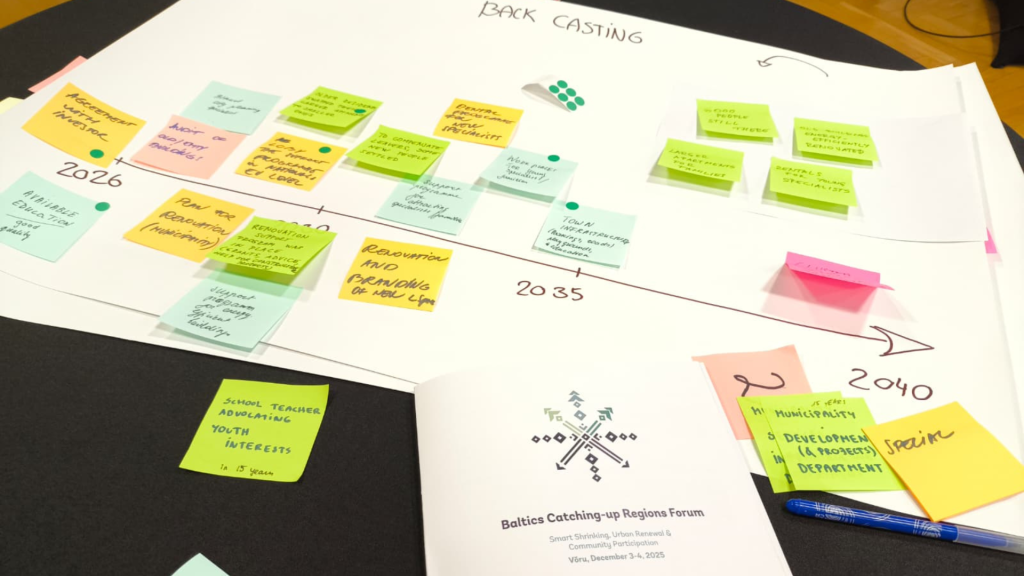
Among the highlights of the programme was the presentation and hands-on coaching of the Transition Arena method – a participatory approach applied across the Interreg Baltic Sea Region project “We Make Transition!” at 12 locations in six countries, including Vidzeme, Latvia. The method supports systemic change by bringing together diverse community groups to identify shared challenges, co-create a long-term vision, and define concrete actions – and offers municipalities a practical path to carry the approach forward.
Transition Arena method in the spotlight
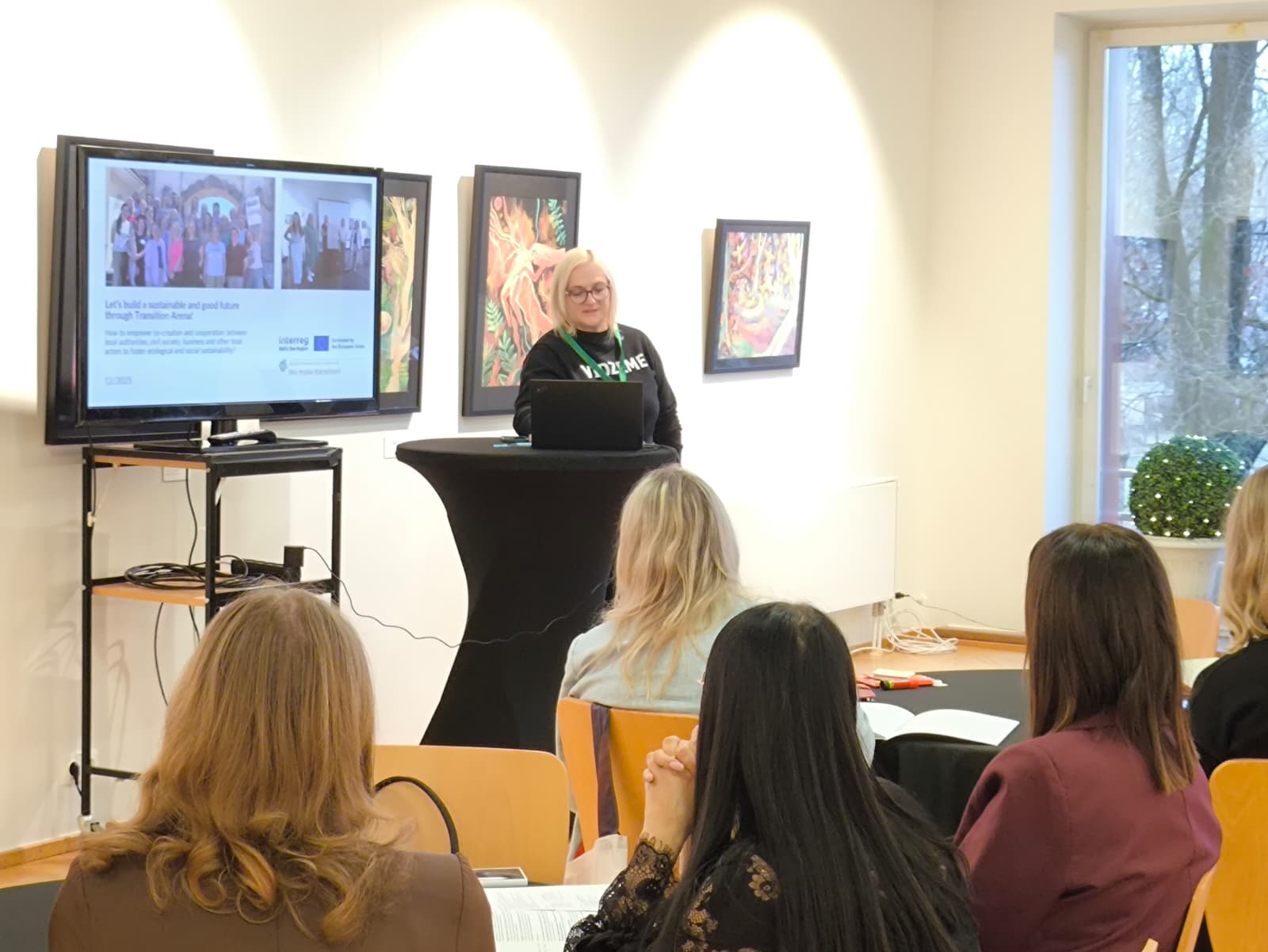
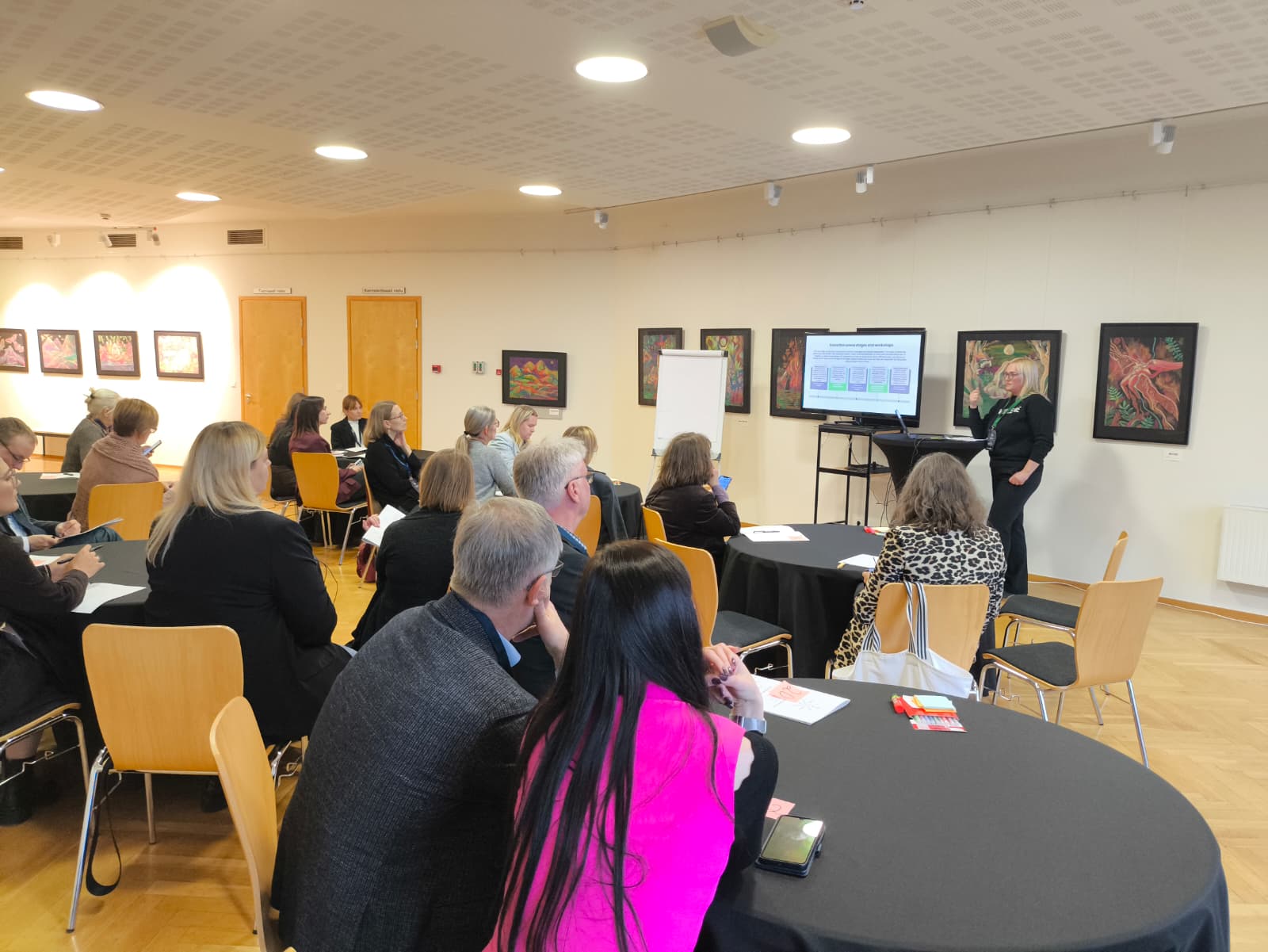
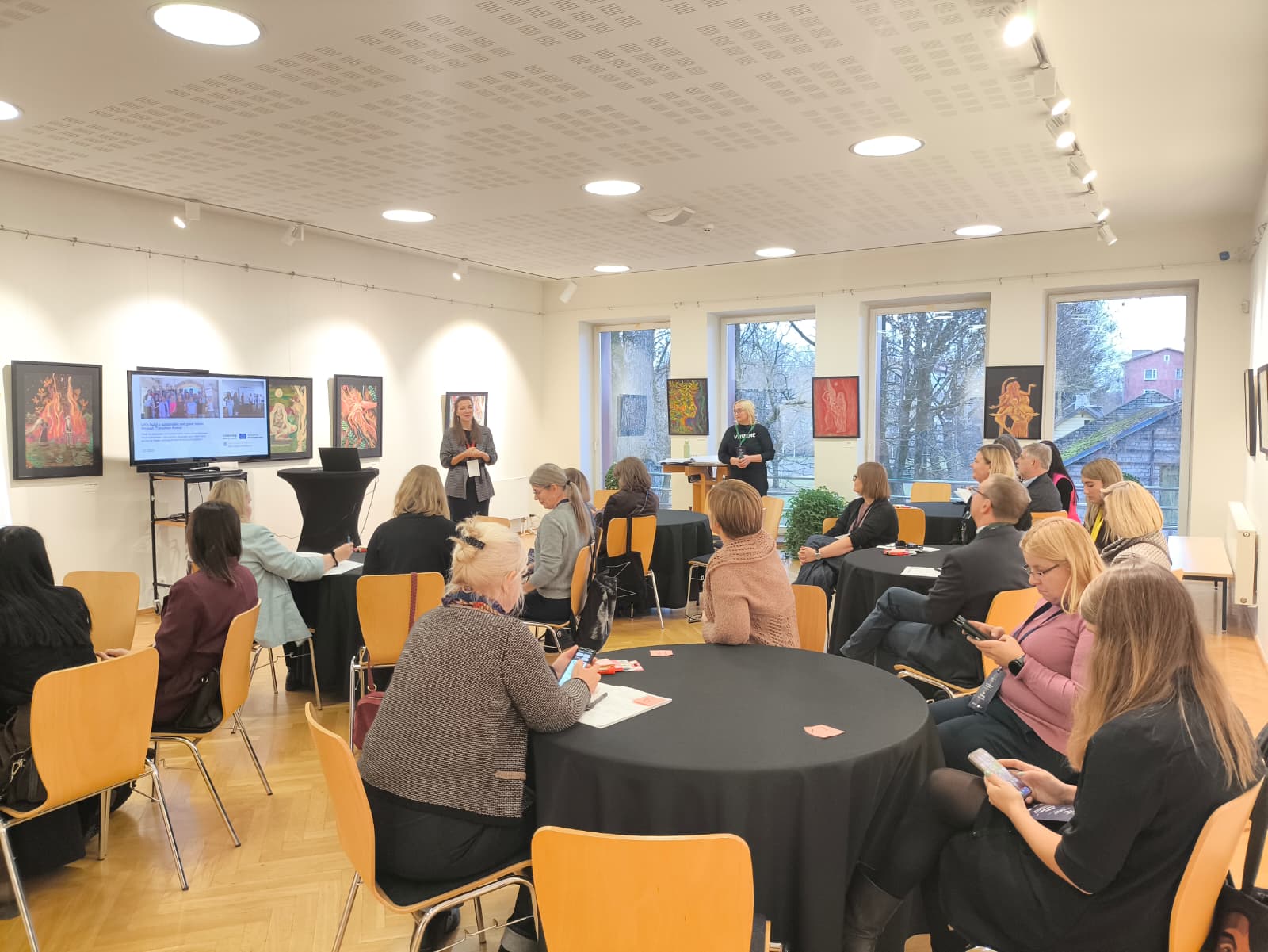
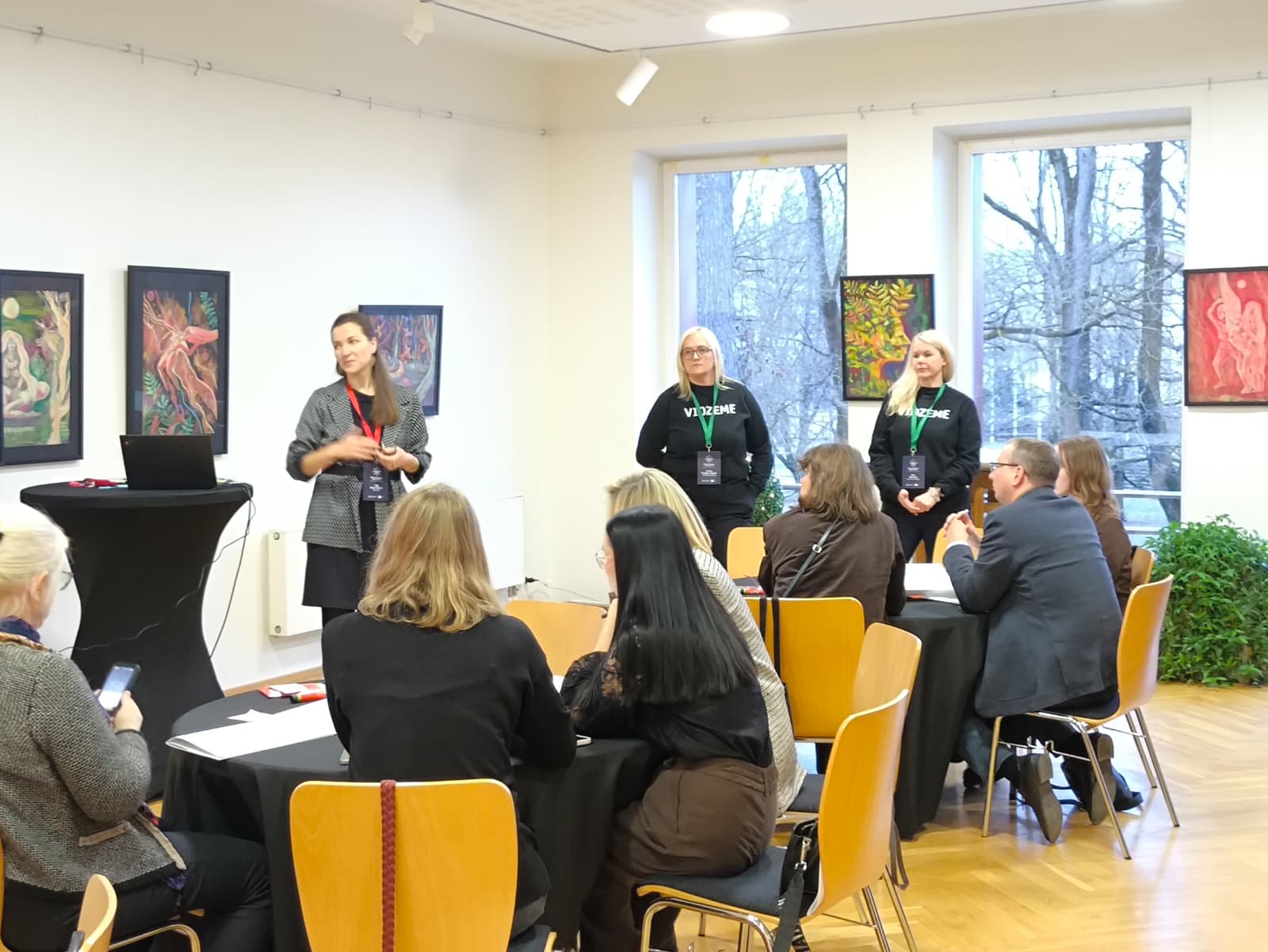
At one of the forum’s interactive mini-labs, Lienīte Priedāja-Klepere, Project Manager at Vidzeme Planning Region (VPR), presented the method and coached participants on how to put it into practice – demonstrating how it can be adapted to the specific challenges of municipalities and communities across the Baltic region.
Co-creating the first bioregion in the Baltics
Lienīte Priedāja-Klepere also shared how the Transition Arena method contributed to co-creating the first bioregion in the Baltic states, established within Gauja National Park in Latvia. She highlighted key initiatives and long-term outcomes, including the promotion of organic and locally produced products in schools and kindergartens – a tangible result of community-driven systemic change.
Beyond the forum, the Vidzeme team has been coaching municipal representatives and community facilitators to apply the method independently – equipping local change-makers to run their own participatory processes. Municipalities in the Vidzeme region have begun embedding the approach into their planning work, ensuring the Gauja bioregion remains a living practice rather than a finished project, with communities continuing to co-create and act together long after the project ends.
Experiencing the method: a hands-on coaching simulation
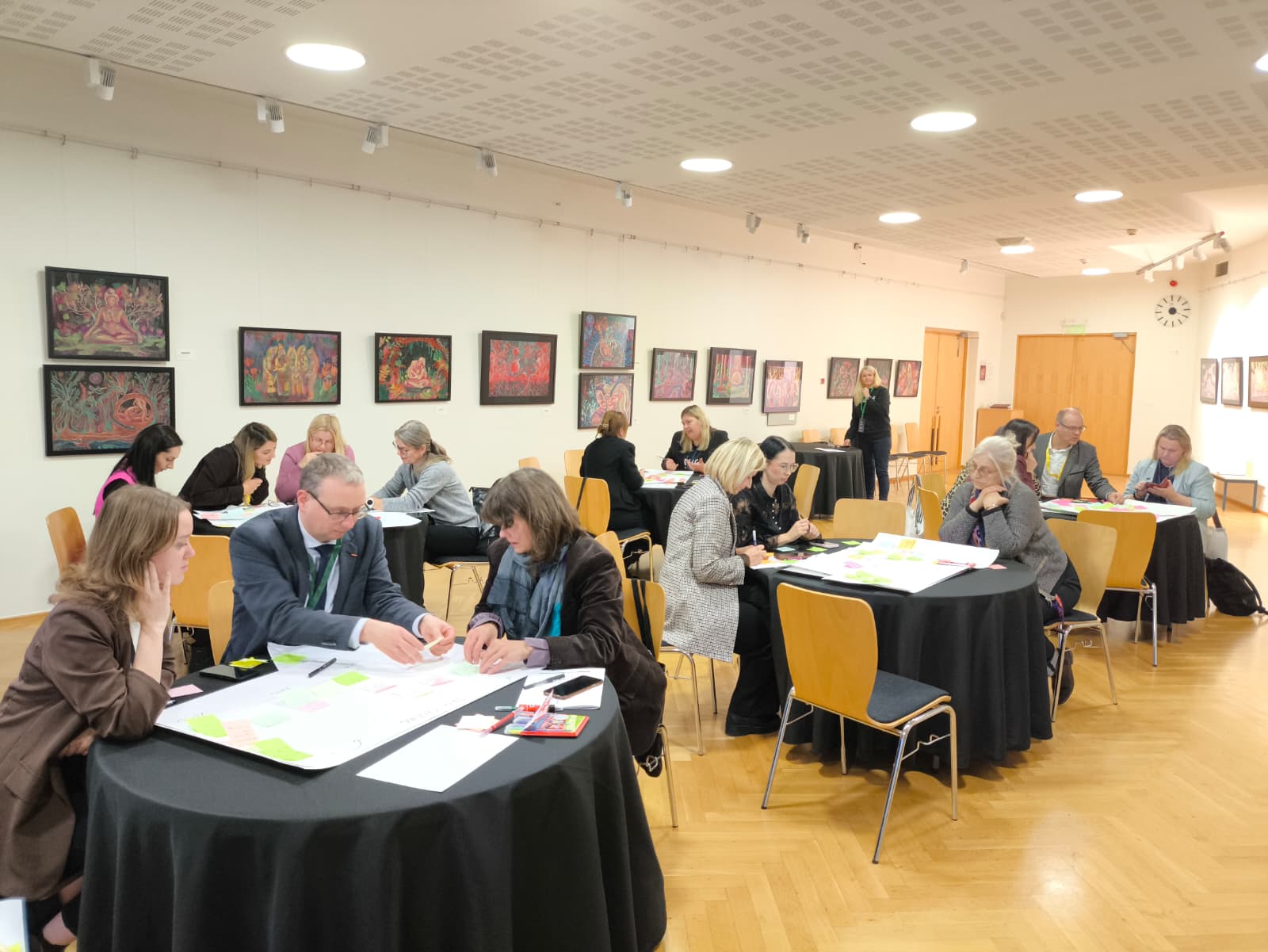
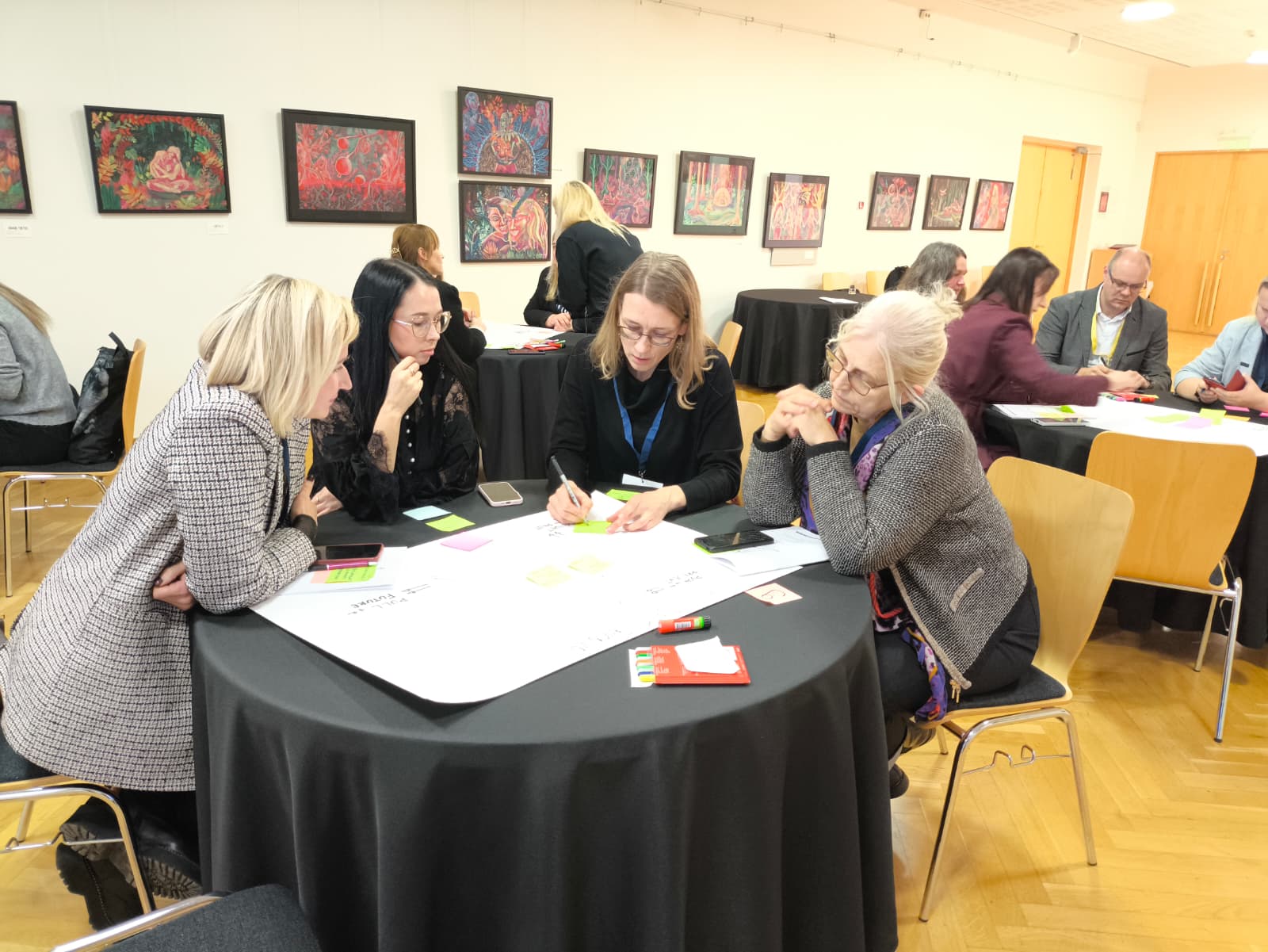
Forum participants did not just hear about the Transition Arena method – they experienced it. In a dedicated coaching simulation, Līga Efeja-Lībiete, Change Management Facilitator, and the VPR team guided participants through the core stages of the method, working on real local challenges. The session was designed to convey the essence of the approach – how diverse perspectives converge into a shared vision, and how communities move from identifying challenges to defining concrete actions.